
Pruning
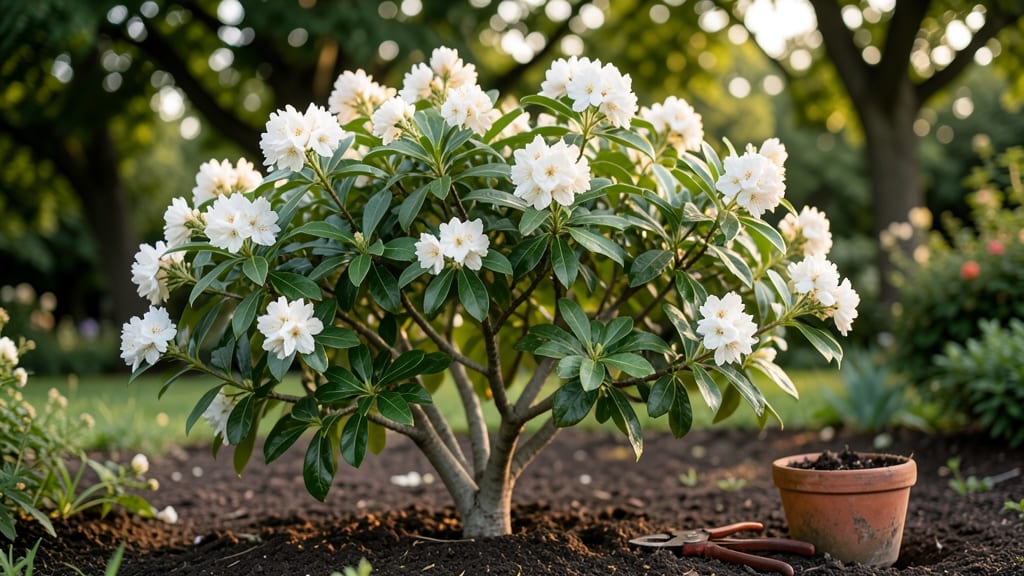
Proper mock orange tree care begins with a single winter trim—here’s how to prune those fragrant blooms without harming a single branch. 🌸 The secret? Late winter, when the tree’s dormant but the buds are already dreaming of spring.
I’ve pruned mine for five years now, and every March, the air fills with that intoxicating orange blossom scent before the leaves even appear.
This isn’t about heavy-handed shaping—mock orange trees bloom on old wood, so you’re not removing flower buds when you prune. Think of it as giving your tree a fresh start: air circulates better, new growth is encouraged, and those signature white flowers arrive thicker and more vibrant.
You’ll need sharp pruners, a ladder (if your tree’s tall), and about 30 minutes—that’s it. No fancy tools, no complicated steps.
By spring, you’ll have a tree that smells like a Southern garden in full bloom, with glossy green foliage that stays lush all summer. The best part? Mock orange thrives in partial shade, so it’s perfect for spots where other fragrant shrubs would struggle.
Just avoid over-trimming—these trees appreciate a little patience, and they’ll reward you with years of effortless fragrance.
Works for all Philadelphus varieties, from dwarf cultivars to towering shrubs. Whether you’re trimming a 3-foot bush or a 10-foot specimen, the same principles apply. Let’s get those branches looking sharp so your garden can smell like heaven in just a few months.
📚 In This Guide
- What you need
- Instructions
- Tips and common mistakes
- Wrapping up and next steps
What you need
- ● Pruning shears: Bypass pruners (sharp, clean, and sterilized with rubbing alcohol) for small branches (4"–8" diameter). Pro tip: Test sharpness on a scrap branch first! ✨
- ● Loppers: 1 pair (for branches 8"–2" thick) with a bypass blade and comfortable grip.
- ● Pruning saw: 1 lightweight saw (for branches >2" thick) with a fine-toothed blade to avoid tearing.
- ● Gloves: 1 pair of cut-resistant gardening gloves (size medium/large) to protect hands from thorns.
- ○ Disinfectant: 70% isopropyl alcohol or pruning sealant (optional but recommended for preventing disease).
- ● Heavy-duty trash bags: 2–3 bags (13-gallon size) for debris cleanup.
- ● Ladder: 1 stable, extendable ladder (8–12 ft) if your tree exceeds 6 ft tall.
- ● Hand pruners: Compact pair for precision trimming of tiny branches.
- ● Rubbing alcohol wipes: For quick sterilization between cuts.
- ● Tree wound dressing: Only if large cuts (>½") are made (follow package instructions).
- ● Notebook/pencil: To sketch a simple pruning map of your tree’s structure.
- ● Safety glasses: If working near overhead branches or in windy conditions.
Step-by-step instructions for pruning mock orange trees in winter
Here's how I trim mine for stronger blooms and better shape—no guesswork involved.
✂️ Step 1: Time Your Pruning for Dormancy
Wait until your mock orange tree is completely dormant, after the first hard frost but before new growth appears. This is usually late winter when temperatures stay consistently below 32°F. Pruning at this time prevents bleeding sap and ensures the tree directs energy toward spring blooms rather than new leaf growth.
Look for bare branches with no buds or leaves—this is your cue. I always prune in dry, calm weather to avoid spreading disease. If you're unsure, check for brown, brittle stems instead of green ones. This timing also helps avoid attracting pests that might overwinter in fresh cuts.
✂️ Step 2: Remove Dead, Diseased, or Crossing Branches
Start by cutting out any dead, broken, or diseased branches first. These are easy to spot—they'll be brown, hollow, or oozing sap. Use clean, sharp pruning shears to make 45-degree cuts just outside the branch collar (the swollen area where the branch meets the trunk). This prevents water from pooling and rotting the wound.
Next, remove branches that cross or rub against each other. These create wounds that invite disease and weaken the tree's structure. I always step back to visualize the tree's shape—this helps me see which branches are competing for sunlight and air circulation. Cut these back to the main trunk or a strong lateral branch.
✂️ Step 3: Thin the Canopy for Better Airflow
Mock orange trees bloom on old wood, so avoid heavy pruning that removes too many branches. Instead, focus on thinning out about 20-30% of the canopy to improve airflow and light penetration. Start at the outer edges and work your way inward, removing branches that grow inward or downward.
Use your hand as a guide—if you can't fit it between branches, the canopy is too dense. Aim to create an open, vase-like shape that allows sunlight to reach the center. This encourages stronger, healthier growth and more abundant blooms. Avoid cutting more than one-third of any branch's length at once to prevent stress.
✂️ Step 4: Shape for Balance and Bloom Display
Now it's time to refine the tree's shape. Mock orange trees naturally grow in a rounded, multi-stemmed form, so I prune to enhance this habit. Remove any vertical "water sprouts" that grow straight up—they rarely flower and disrupt the tree's natural shape. Cut these back to a strong lateral branch or the main trunk.
For a more refined look, prune the longest branches slightly to encourage a fuller, bushier appearance. Make cuts just above a bud or leaf node that faces outward. This ensures new growth will fill in gaps and improve the tree's overall symmetry. Step back frequently to check your progress—you want a balanced, open structure that showcases the fragrant blooms come spring.
Tips & tricks for perfect mock orange tree trimming
Here's what I've learned after years of shaping my mock orange trees—these little details make all the difference for those fragrant spring blooms.
Timing is Everything: That 32°F temperature threshold is your golden window, but don't just rely on the thermometer. I check for brown, brittle stems and bare branches—these are your visual cues that dormancy has truly set in. Real talk: I've made the mistake of pruning too early when branches still had a faint green tint, and the tree struggled to recover energy for spring blooms.
Tool Prep Matters: Before you even touch a branch, clean your pruning shears with rubbing alcohol to prevent spreading disease between cuts. I also sharpen my blades annually—dull tools crush stems instead of making clean cuts, which stresses the tree. Pro tip: Wipe down the shears after each cut when removing diseased branches to avoid cross-contamination.
Visualizing the Final Shape: Step back every 10-15 minutes during pruning to check your progress. I imagine the tree's natural rounded form and work toward that. The goal is to create an open vase shape where sunlight can reach the center. Think of it like sculpting—you're not just cutting branches, you're shaping the tree's future blooms.
Post-Pruning Care: After finishing, give your tree a light watering to help it recover from the stress of pruning. I also apply a slow-release fertilizer in early spring to replenish nutrients. And here's a secret: I avoid heavy pruning in the same spot for at least 3 years—this prevents over-stressing the tree and maintains that beautiful multi-stemmed form.
Pro Tips for Mock Orange Tree Care
- Here's what I've learned after years of shaping my mock orange trees—these little details make all the difference for those fragrant spring blooms.
- Timing is Everything: That 32°F temperature threshold is your golden window, but don't just rely on the thermometer.
- Tool Prep Matters: Before you even touch a branch, clean your pruning shears with rubbing alcohol to prevent spreading disease between cuts.
Frequently asked questions
Got questions about keeping your mock orange tree thriving?
Here are answers to the most common concerns—from pruning timing to troubleshooting—so you can enjoy those fragrant blooms year after year!
When is the best time to prune a mock orange tree?
Prune your mock orange tree late winter to early spring (just before new growth starts) for optimal results. This timing promotes healthy blooms and prevents disease. Avoid pruning in fall, as it can stimulate tender new growth vulnerable to frost damage.
How much can I trim back my mock orange tree?
Light to moderate pruning is best—remove no more than 1/3 of the tree’s branches in a single session. Focus on dead, crossing, or overcrowded branches. Over-pruning can stress the tree and reduce next year’s fragrant flowers.
Why aren’t my mock orange blooms as fragrant as they used to be?
Fewer or less fragrant blooms often signal over-fertilizing (especially with high-nitrogen) or poor pruning habits. Prune correctly in dormant season, and use a balanced fertilizer (10-10-10) in early spring. Stress from pests or disease can also dull scent—inspect leaves for signs of trouble.
Can mock orange trees handle cold winters?
Mock orange trees are hardy to USDA zones 6-9, but young trees or those in colder microclimates may need winter protection. Wrap the trunk in burlap and mulch the base with 2-3 inches of organic mulch to insulate roots. Prune lightly in late winter to avoid frost damage to fresh cuts.
What’s a good alternative if my mock orange tree isn’t thriving?
If your mock orange struggles with your climate or soil, consider these fragrant, low-maintenance alternatives:
- Deutzia – Hardy, blooms in spring, loves partial shade.
- Pieris japonica (Andromeda) – Evergreen with fragrant white flowers.
- Philadelphus (Mock Orange shrub) – True mock orange vibe, slightly more cold-hardy.
Wrapping up and next steps
Caring for your mock orange tree during dormancy is the secret to show-stopping spring blooms and a healthier plant year-round! 🌸 By following the right trimming techniques—like removing dead wood, thinning dense growth, and shaping for airflow—you’ll encourage vibrant flowers and lush foliage.
Remember, patience and precision pay off, so take your time and enjoy the process.
Ready to transform your mock orange tree into a fragrant, flourishing beauty? Grab your pruners and get started today! For extra confidence, bookmark this guide or share it with fellow gardening enthusiasts. Happy pruning! ✂️🌿