
Flowers
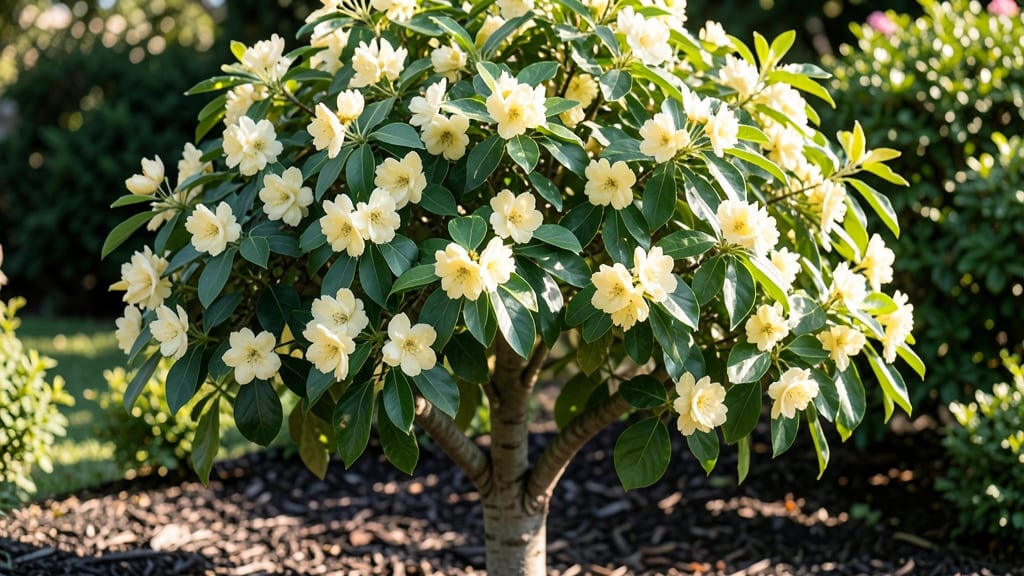
Persimmon tree flowers are the secret to a bountiful harvest—those delicate, fragrant blooms arrive in early spring, and with the right care, you'll see them in just three years. 🌸 I remember the first time I spotted the pale yellow-green clusters on my American persimmon, how they stood out against the bare branches like tiny lanterns.
The scent alone makes the wait worthwhile, but it's the promise of sweet fruit later that keeps me coming back every season.
The key to coaxing those blooms is patience and the right conditions: full sun, well-draining soil, and consistent moisture without soggy roots. Asian persimmons are a bit more forgiving with their soil, while American persimmons thrive when you mimic their native woodland edges—just don't let them dry out during flowering.
Prune in late winter to open the canopy for better light penetration, and watch how the tree responds with vigorous new growth and those telltale flower clusters.
What makes persimmon flowers special is their role in fruit development—each bloom holds the potential for a vibrant orange harvest. Most varieties are self-pollinating, but planting two trees nearby (like one American and one Asian) guarantees better fruit set.
The blossoms may look delicate, but they're tough enough to handle late frosts, though a hard freeze can damage them if it hits just as they open.
Once you see those first flowers, you'll want to protect them from pests like Japanese beetles and aphids, which can skew fruit development. A light spray of neem oil early in the season keeps them at bay without harming pollinators.
With the right care, your persimmon will reward you with years of fragrant blooms and the sweetest fruit you've ever tasted—worth every minute of the wait.
📚 In This Guide
- What you need
- Instructions
- Tips and common mistakes
- Wrapping up and next steps
What you need
- ● Persimmon seeds or saplings: 2–5 Diospyros virginiana (American persimmon) or Diospyros kaki (Asian persimmon) seeds (if starting from seed). Note: Seeds need stratification (cold treatment) to germinate.
- ● OR 1–2 1–2 year-old saplings (for faster blooms).
- ● Well-draining soil: Mix of 60% topsoil, 30% compost, and 10% perlite/sand (pH 6.0–7.0).
- ● Garden tools: Trowel or hand shovel
- ● Pruning shears (sterilized)
- ○ Grafting tools (if grafting; optional but recommended for variety-specific blooms)
- ● Fertilizer: Balanced 10-10-10 fertilizer (for young trees)
- ● Slow-release organic compost (e.g., cow manure or worm castings)
- ● Mulch: 2–3 inches of wood chips or straw (to retain moisture and regulate soil temp).
- ● Watering can or hose with adjustable nozzle (for gentle watering).
- ● Grafting supplies: Compatible rootstock, grafting tape, and sealing wax (for advanced gardeners).
- ● Soil test kit (to check pH and nutrient levels).
- ● Tree supports: Stakes and ties (for young saplings in windy areas).
- ● Pest control: Neem oil or insecticidal soap (for aphids or scale).
- ● Protective cover: Frost cloth (if planting in colder climates).
Step-by-step guide for cultivating persimmon tree flowers
Here’s how to nurture fragrant spring blooms from your young persimmon tree.
🌱 Step 1: Choose the Right Variety and Planting Site
Persimmon trees thrive in full sun—select a location with at least 6-8 hours of direct sunlight daily. I always opt for American persimmon (Diospyros virginiana) for its hardiness and fragrant blooms, though Asian varieties like Fuyu also work well. The soil should drain well; persimmons hate soggy roots. Amend heavy clay with 2-3 inches of compost before planting.
Dig a hole twice as wide as the root ball but only as deep. Place the tree so the top of the root ball sits 1 inch above ground level. This prevents water from pooling around the trunk. Water deeply right after planting to settle the soil and eliminate air pockets.
☀️ Step 2: Provide Optimal Care for Early Growth
Young persimmon trees need consistent moisture during their first 2 years—water deeply once a week unless rainfall provides 1 inch of moisture. You’ll know it’s time to water when the top 2 inches of soil feel dry. Overwatering causes root rot, so always check before adding more.
Apply a balanced 10-10-10 fertilizer in early spring and again after blooming. I use ½ cup per tree for young specimens, spreading it evenly around the drip line. Mulch with 3 inches of wood chips to retain moisture and suppress weeds, but keep mulch 6 inches away from the trunk to prevent rot.
🌿 Step 3: Encourage Healthy Blooming Habits
Persimmon trees bloom best when they receive pruning in late winter or early spring, before buds swell. Remove dead, crossing, or diseased branches first—this improves airflow and sunlight penetration. Thin out overcrowded branches to 6-8 inches apart for better fruit and flower development.
Watch for aphids or scale insects on new growth; they sap energy from the tree. A strong spray of water often dislodges them, but for stubborn infestations, use neem oil (mix 1 tablespoon per gallon of water). Healthy foliage leads to more abundant blooms the following spring.
⏰ Step 4: Prepare for Spring Flowering
By year 3, your persimmon tree should produce fragrant, creamy-white flowers in late spring. To maximize blooms, ensure the tree gets full sun and regular watering during dry spells. Persimmons are self-pollinating, but bees help—plant bee-friendly companions like lavender or rosemary nearby to attract pollinators.
If flowers appear but don’t set fruit, check for late frosts—persimmons are sensitive to cold snaps after blooming. Cover young trees with frost cloth if frost is forecasted. Once flowers fade, leave some fruit to develop; persimmons need 60-90 days to ripen fully.
Tips & tricks for perfect persimmon tree flowers
Here's what nobody tells you about getting those fragrant blooms to show up reliably.
Sunlight Secret: Those 6-8 hours of sunlight aren't just about quantity—they're about quality. Morning sun is especially important for persimmons. If your tree gets afternoon shade, it might still bloom but with fewer flowers. I've seen trees in partial shade produce blooms, but they're always less abundant. Consider moving your tree if it's struggling in less-than-ideal light conditions.
Soil Prep Strategy: Before planting, I always do a soil test to check pH levels. Persimmons prefer slightly acidic soil between 5.5 and 6.5. If your soil is too alkaline, amend it with sulfur or peat moss before planting. The 2-3 inches of compost mentioned is a great start, but for heavy clay soils, I recommend adding sand to improve drainage—persimmons absolutely hate soggy roots.
Watering Wisdom: The "top 2 inches dry" test is perfect, but I've found that checking soil moisture at different times of day gives better results. Early morning is best—water if the soil feels dry at that time. Also, water deeply but infrequently. Shallow watering encourages shallow root growth, which makes trees more susceptible to drought stress. A soaker hose works wonders for consistent moisture without wetting the leaves.
Frost Protection Hack: For those late frosts that can ruin your blooms, I've had success with a simple DIY frost cloth alternative. Use old bedsheets or lightweight blankets draped over the tree and secured with stakes. This works almost as well as commercial frost cloth and is much cheaper. Just remember to remove it during the day so the tree gets sunlight for photosynthesis.
Pro Tips for Persimmon Tree Flowers
- Here's what nobody tells you about getting those fragrant blooms to show up reliably.
- Sunlight Secret: Those 6-8 hours of sunlight aren't just about quantity—they're about quality.
- Soil Prep Strategy: Before planting, I always do a soil test to check pH levels.
Frequently asked questions
Got questions about persimmon tree flowers? You’re not alone—growing these fragrant blooms takes a little know-how! Here are answers to the most common queries to help you cultivate success.
When do persimmon tree flowers bloom, and how long do they last?
Persimmon flowers typically bloom in late spring (April–May in most U.S. zones 6–9), just before the leaves emerge. The delicate, 4-petaled blossoms last 7–10 days per tree, but their sweet fragrance lingers for weeks. Early-morning sunlight enhances their scent—perfect for garden strolls! Pro tip: Prune in winter to encourage denser, more vibrant blooms next season.
How long does it take for a persimmon tree to flower after planting?
Most persimmon trees (like Diospyros virginiana) take 3–5 years to flower after planting, assuming they’re healthy and well-cared-for. Patience is key! Young trees focus on root/leaf growth first. For faster results, opt for grafted nursery trees (1–2 years old) or choose dwarf varieties like ‘Twilight’, which may bloom sooner. Fun fact: Female flowers (which produce fruit) appear on separate branches from male flowers—some trees are even self-pollinating!
Why aren’t my persimmon tree flowers opening, or they’re falling off?
Flower drop or failure to open often signals stress or environmental issues. Common culprits:
- Cold snaps: Flowers need warm days (60°F+) to open. Delayed blooms? Wait it out!
- Overwatering: Soggy soil suffocates roots. Water deeply but infrequently (1–2x/week in dry spells).
- Nutrient deficiency: Yellowing leaves? Add balanced fertilizer (10-10-10) in early spring.
- Pests/disease: Check for aphids or powdery mildew. Spray with neem oil if needed.
Can I grow persimmon flowers in containers, or do they need a yard?
Yes! Dwarf persimmon varieties (like ‘Centennial’) thrive in large containers (20+ gallons) with well-draining soil. Key tips:
- Use a fast-draining mix (60% potting soil, 30% perlite, 10% compost).
- Place in full sun (6+ hours/day) and move indoors if temps drop below 20°F.
- Fertilize monthly in spring/summer with a low-nitrogen formula (e.g., 5-10-10).
Are persimmon flowers edible, or just the fruit?
While the fruit (like ‘Fuyu’ persimmons) is edible when ripe, the flowers themselves are not typically eaten. However, they’re pollinator magnets—bees and hummingbirds adore them! If you’re craving floral flavors, try shrub roses or honeybell honeysuckle, which have edible blooms. Bonus: Dry persimmon flowers for potpourri—they release a vanilla-like scent when preserved!
Wrapping up and next steps
Growing persimmon tree flowers is a rewarding journey that brings fragrant spring blooms and future fruit to your garden in just three years! With the right soil, sunlight, and care, you’ll enjoy their delicate beauty while nurturing a tree that thrives for decades. 🌸
Ready to take the next step? Start by selecting your saplings or seeds today—then watch your garden transform into a fragrant paradise. Happy planting! 🌱