Trees
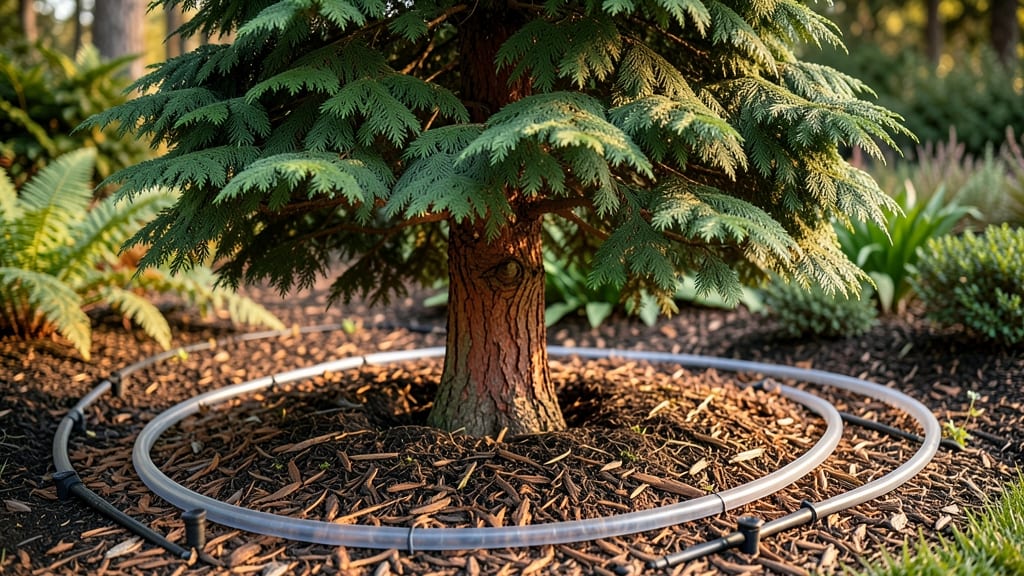
Northwest shade trees transform damp yards into cool, sun-dappled retreats. 🌿 I’ve planted mine over the years, and the right species—like the towering Douglas fir or graceful bigleaf maple—turns soggy lawns into lush canopies that thrive in the region’s mild winters and wet springs.
The key is choosing trees that match your space and style. Native species like western red cedar or vine maple handle the Pacific Northwest’s acid soils and heavy rainfall with ease, while exotics like Japanese maple add delicate texture.
Their dappled shade keeps summer heat at bay while letting enough light through for understory plants.
You’ll end up with a yard that feels like a forest sanctuary—fragrant bark, rustling leaves, and a quiet hum of birds. These trees grow slowly but steadily, offering decades of shade while their roots stabilize slopes and improve soil over time.
The best part? They require almost no maintenance once established.
Perfect for urban backyards, rural properties, or even large containers. Whether you want a solitary statement tree or a mixed woodland edge, these species deliver year-round interest without the fuss. Let’s find your perfect match!
📚 In This Guide
- What you need
- Instructions
- Tips and common mistakes
- Wrapping up and next steps
What you need
- ● Shade Tree Sapling: 1 high-quality tree (species like Douglas Fir, Bigleaf Maple, or Western Red Cedar—check local nurseries for climate-matched options).
- ● Size: 5–10 ft tall (smaller for easier handling, larger for quicker shade).
- ● Planting Hole Supplies: 1 shovel or digging auger (for holes 2–3x wider than the root ball).
- ● 1 wheelbarrow (for soil/amendments).
- ● 1 tape measure (to ensure proper spacing—15–25 ft from structures).
- ○ Soil Amendments (Optional but Helpful): 5–10 lbs compost or well-rotted manure (improves drainage in clay-heavy NW soil).
- ● 1 garden fork (to loosen compacted soil).
- ● Watering Tools: 1 hose with adjustable nozzle or watering can (5+ gallons capacity).
- ● 1 mulch (wood chips or bark) (2–4 inches deep, keep 6 inches away from trunk).
- ● Site Assessment: Check for overhead power lines (call 811 if unsure!).
- ● Test soil drainage (dig a test hole—water should drain within 6 hours).
- ● Local Regulations: Verify permit requirements for large trees (some cities restrict species).
- ● Check HOA rules if applicable.
- ● Seasonal Timing: Best time to plant: Early spring or fall (avoid summer heat/winter frosts).
How to select and plant Northwest shade trees for long-lasting beauty
Cool, wet climates demand shade trees that thrive where others struggle—here’s how to choose and establish them properly.
🌱 Step 1: Choose Native or Adapted Species for Resilience
Skip the generic nursery stock and opt for trees proven to thrive in Pacific Northwest conditions—think Douglas fir, bigleaf maple, or western red cedar. These species handle acidic, moist soils and cooler summers without fuss. I always check the USDA Hardiness Zone map to confirm the tree’s range overlaps with my local zone (usually 6-8 for the Northwest).
Look for container-grown balled-and-burlapped (B&B) trees over bare-root stock—they transplant better with established root systems. If buying from a nursery, ask about mycorrhizal fungi in the soil; these beneficial microbes help roots absorb water and nutrients in heavy clay soils common in the region.
🪴 Step 2: Dig the Planting Hole with Precision
Dig a hole twice as wide as the root ball but no deeper—planting too deep suffocates roots and invites rot. The top of the root ball should sit 1-2 inches above ground level to prevent waterlogging. I use a shovel and garden fork to loosen the sides of the hole, which helps roots spread outward instead of circling.
Amend the native soil only if it’s extremely compacted—mix in 1-2 inches of compost into the bottom of the hole, but avoid heavy amendments like peat moss, which can acidify the soil further. Northwest soils often retain too much moisture, so sand or perlite (if needed) improves drainage without altering pH drastically.
☀️ Step 3: Position for Sunlight and Wind Protection
Even shade trees need some light—most Northwest natives tolerate partial shade but perform best with morning sun and afternoon dappled light. Avoid planting under existing mature trees where roots compete aggressively. I always scout the site for at least 4-6 hours of indirect light daily before committing.
Protect young trees from prevailing winds (common in coastal areas) by planting on the lee side of structures or fences. Wind desiccates leaves and stresses roots, especially in the first 2-3 growing seasons. If no shelter exists, install a temporary windbreak of burlap or stakes until the tree establishes.
💧 Step 4: Water Deeply and Mulch Strategically
Water deeply once a week for the first month, soaking the soil to a depth of 12-18 inches. Use a soaker hose to avoid wetting foliage, which reduces fungal risks like canker or powdery mildew. Check moisture by digging 6 inches down—soil should feel damp but not soggy. Overwatering in clay soils is a common mistake that leads to root rot.
Spread 3-4 inches of wood chips or bark mulch in a 3-foot diameter ring around the base, keeping it 6 inches away from the trunk to prevent moisture buildup. Mulch conserves soil moisture and regulates temperature, which is critical in the Northwest’s cool, damp winters. Replenish mulch annually as it decomposes.
✂️ Step 5: Prune for Structure and Health
Prune only in late winter or early spring (before buds swell) to avoid inviting pests or diseases. Remove dead, crossing, or diseased branches first, then shape the tree by thinning out 10-20% of the canopy to improve airflow. I use clean, sharp pruners to make cuts just outside the branch collar—never leave stubs.
Watch for epicormic shoots (sprouts along the trunk) in species like maples or cedars—these compete with the main canopy. Snip them off at the base as soon as they appear. Pruning young trees lightly encourages stronger branching; avoid heavy pruning until the tree is 5-7 years old.
Tips & tricks for perfect Northwest shade tree planting
These game-changing insights will help your shade trees thrive in the Northwest's challenging climate.
Species Selection: When choosing between Douglas fir, bigleaf maple, or western red cedar, consider the mature size of your space. Douglas firs can reach 200 feet tall—ideal for large properties—while bigleaf maples max out at 50-60 feet, perfect for urban yards. I always verify the tree's mature height against my site dimensions to avoid future overcrowding issues.
Root Ball Handling: For container-grown B&B trees, gently loosen the burlap wrap at the top before planting to encourage root expansion. If you notice roots circling tightly around the root ball (a common issue with nursery stock), make 2-3 vertical cuts through the root ball with a sharp knife to promote outward growth. This simple step prevents girdling in mature trees.
Soil Amendments: Northwest soils often have perfect drainage for shade trees, but if yours is extremely compacted, blend in 1-2 inches of compost only at the bottom of the planting hole. Avoid mixing amendments throughout the hole—this disrupts the natural soil structure and can create pockets where water pools. The goal is to improve drainage without altering the soil's natural composition.
Wind Protection Strategy: In coastal areas where prevailing winds are strong, consider installing a temporary windbreak made from burlap or stakes for the first 2-3 growing seasons. For a more permanent solution, plant fast-growing shrubs like elderberry or red twig dogwood on the windward side to create a natural barrier. This protects young trees while they establish their root systems.
Pro Tips for Northwest Shade Trees
- These game-changing insights will help your shade trees thrive in the Northwest's challenging climate.
- Species Selection: When choosing between Douglas fir, bigleaf maple, or western red cedar, consider the mature size of your space.
- Root Ball Handling: For container-grown B&B trees, gently loosen the burlap wrap at the top before planting to encourage root expansion.
Frequently asked questions
Got questions about choosing, planting, or caring for northwest shade trees? You’re in the right place! Here are some of the most common queries—plus straightforward answers to help you make the best choices for your Pacific Northwest yard.
What are the best shade trees for the Pacific Northwest’s wet, cool climate?
The top picks for your region include Douglas fir (evergreen, drought-tolerant), Bigleaf maple (vibrant fall color), and Western red cedar (low-maintenance, wildlife-friendly). For deciduous options, Oregon ash or vine maple thrive in shade and moisture. Always check your USDA Hardiness Zone (Zones 7-9 for most of the NW) before planting!
When is the best time to plant a shade tree in the Northwest?
Fall (September–November) is ideal—cooler temps and winter rains help roots establish before summer heat. Spring (March–April) is a close second, but avoid planting in late summer or early winter when frost or drought stress can harm young trees. Pro tip: Water deeply 1–2 times per week for the first year, regardless of season!
How much shade do northwest shade trees actually provide?
Most mature shade trees (like Douglas fir or Bigleaf maple) cast dense shade under their canopies, blocking 70–90% of sunlight. Smaller trees (e.g., vine maple) offer partial shade (30–50%). For full sun areas, pair them with understory plants like ferns or hostas that tolerate low light. Measure your tree’s mature spread to plan spacing!
What pests or diseases should I watch for with northwest shade trees?
The Pacific Northwest has its own usual suspects:
- Douglas fir tussock moth (defoliates firs—prune infested branches in late winter).
- Root rot (from overwatering—ensure well-draining soil).
- Western gall wasp (maple/gallberry trees—remove galls before they drop in fall).
- Beetle borers (stress weak trees—keep bark healthy with mulch).
Inspect trees spring and fall and act fast if you spot unusual holes, wilting, or sawdust-like frass.
Can I plant a shade tree in a small urban yard or tight space?
Opt for slow-growing or columnar varieties like:
- Emerald Green arborvitae (narrow, evergreen, 15–20’ tall).
- Columnar European beech (deciduous, 25–30’ tall).
- Dwarf Korean lilac tree (compact, 6–10’ tall).
For overhead power lines, check local codes—most NW cities require minimum clearance of 10–15 feet. Dwarf varieties or container-grown trees are great for patios!
Pro Tip:
Need a fast-growing shade tree? Quaking aspen or hybrid poplar grow 3–5 feet per year but may have shorter lifespans. For long-term elegance, Western red cedar or Pacific dogwood are unbeatable investments!
Wrapping up and next steps
Choosing the right northwest shade trees can transform your outdoor space into a serene, sun-dappled retreat—perfect for the region’s cool, wet climate. From the towering Douglas fir to the elegant Bigleaf maple, these trees offer beauty, resilience, and practical shade.
Whether you're a seasoned gardener or just starting, the key is selecting species that thrive in your zone while aligning with your vision.
Ready to take the next step? Research local nurseries or consult a certified arborist to pick the perfect tree for your yard. With the right choice, you’ll enjoy years of lush greenery, privacy, and that perfect Pacific Northwest ambiance. 🌿✨