
Pruning
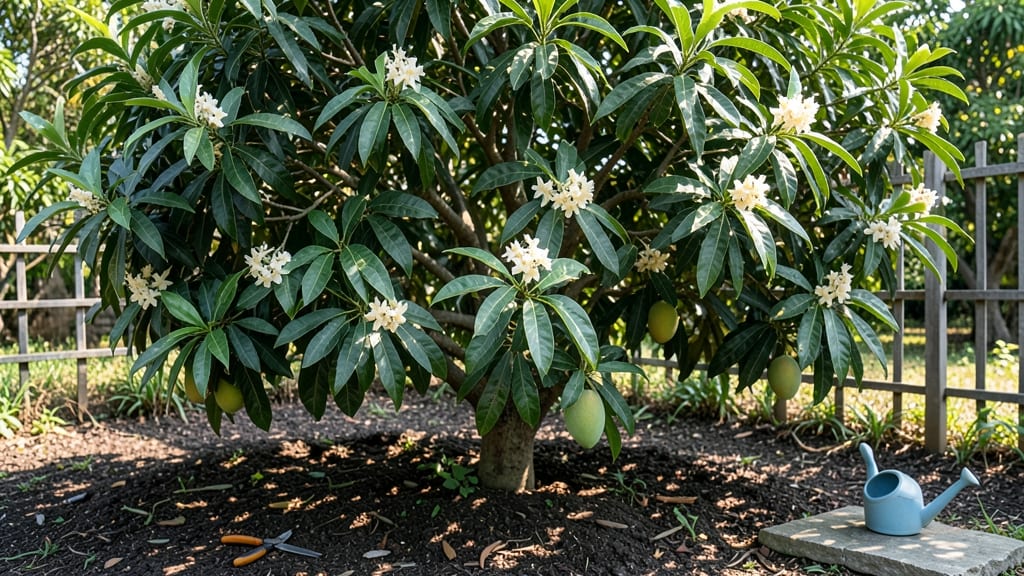
The Miyazaki mango tree is the perfect choice for small yards and containers—its dwarf size means you can grow tropical fruit without sacrificing space. I planted mine in a 15-gallon pot last spring, and it’s already thriving on my sunny patio, producing tiny but delicious mangoes by mid-summer.
The secret lies in mimicking its native climate: warm days, cool nights, and just the right mix of sun and shade.
This variety loves well-draining soil with a slightly acidic pH, and it’s surprisingly cold-hardy for a tropical fruit tree—down to 20°F with proper protection. Start with a high-quality potting mix blended with perlite to prevent root rot, and place it where it gets 6-8 hours of sunlight daily.
Water deeply when the top inch of soil feels dry, but avoid soggy roots—they’ll signal stress with yellowing leaves.
Pruning in late winter keeps the tree compact and encourages fruiting. Cut back any leggy branches and remove dead wood, but leave at least three main branches to support fruit production. With consistent care, you’ll harvest small, sweet mangoes by late summer—perfect for snacking or making jam.
The key is patience; it takes 2-3 years for a dwarf tree to bear fruit, but the wait is worth it.
Even in containers, these trees can live for decades with the right care. Just watch for pests like aphids and scale, and fertilize lightly in spring with a balanced citrus/mango fertilizer. Your Miyazaki will reward you with lush foliage and fruit year after year—no backyard required.
📚 In This Guide
- What you need
- Instructions
- Tips and common mistakes
- Wrapping up and next steps
What you need
- ● Miyazaki mango tree sapling (dwarf variety, 1–3 years old, grafted for compact growth). Pro tip: 💡 Buy from a reputable nursery to ensure disease resistance!
- ○ Well-draining potting mix (50% coconut coir, 30% perlite, 20% compost). Optional: Add 1 tbsp of worm castings for extra nutrients.
- ● 10–15 gallon container (with drainage holes) or a raised bed (minimum 2 ft deep). ✨ For urban growers: Fabric pots work great for airflow!
- ● Slow-release fertilizer (balanced 10-10-10 or organic options like fish emulsion). 🌡️ Apply sparingly—over-fertilizing burns roots!
- ● Pruning tools: Bypass pruners (for clean cuts on small branches)
- ● Loppers (for thicker branches, 1–2 inches in diameter)
- ● Sharp pruning saw (for stubborn, larger growth)
- ○ Rubbing alcohol (70% or higher) and pruning sealant (optional, for large cuts)
- ● Full sun access (6+ hours daily). 🎯 If indoors: Use a grow light 12–14 hours/day.
- ● Warmth (Miyazaki mangoes thrive in USDA Zones 10–11; protect from frost with a greenhouse or move indoors below 50°F).
- ● Humidity control (50–70% ideal; use a humidifier or pebble tray in dry climates).
- ● Soil moisture meter (to avoid over/under-watering)
- ● Mulch (straw or wood chips to retain moisture and regulate temperature)
- ● Pollination aid (small paintbrush or handheld vibrator for indoor trees)
- ● Tree support stake (for young saplings in windy areas)
Step-by-step instructions for cultivating a Miyazaki mango tree in limited space
This dwarf variety thrives with precision—follow my battle-tested approach for compact growth and sweet fruit.
🌱 Step 1: Select and Prepare the Right Container
Choose a 5-gallon container with drainage holes—Miyazaki mangoes need root space but despise soggy feet. I use unglazed terra cotta because it breathes and prevents root rot, which is the #1 killer of container-grown tropicals. Fill the bottom 2 inches with coarse gravel or expanded clay pebbles to create a drainage reservoir.
Next, mix 3 parts premium potting soil with 1 part perlite and 1 part compost—this ensures aeration while retaining moisture without suffocating roots. The Miyazaki variety is sensitive to compacted soil, so avoid garden soil entirely. Tap the container gently after filling to eliminate air pockets, then water thoroughly until moisture runs freely from the drainage holes. Let it drain completely before planting.
☀️ Step 2: Plant and Position for Optimal Light
Dig a hole twice as wide as the root ball but no deeper—Miyazaki mangoes hate being buried too deep, which can cause stem rot. Gently loosen the roots if they're circling and place the tree at the same depth it grew in its nursery pot. Backfill with the prepared soil mix, pressing lightly to remove air gaps but not compacting.
Here's the critical part: Miyazaki mangoes demand full sun—at least 8 hours of direct sunlight daily. In containers, this means placing them where they won't be shaded by walls or larger plants. If you're in a hot climate, provide afternoon shade during peak summer months to prevent leaf scorch. Watch for yellowing leaves—this is your first sign of insufficient light or overwatering.
💧 Step 3: Establish a Watering Routine with Precision
Water deeply every 5-7 days, allowing the top 2 inches of soil to dry out between waterings. Miyazaki mangoes are drought-tolerant once established, but young trees need consistent moisture. I use a moisture meter to check—when it reads dry at 2 inches, that's your cue. Water until it drains from the bottom, then empty the saucer to prevent root rot.
This variety is particularly sensitive to chlorine and fluoride in tap water. Let tap water sit 24 hours before using or switch to rainwater if possible. During flowering, reduce watering slightly to encourage fruit set—overwatering can cause blossom drop. You'll know you're on track when new leaves emerge bright green and glossy within a month of planting.
✂️ Step 4: Prune and Fertilize for Compact Growth
Prune once in late winter (before new growth starts) to shape the tree and remove any dead or crossing branches. Miyazaki mangoes respond well to light pruning—never remove more than 25% of the canopy at once. Focus on opening the center for better air circulation, which prevents fungal diseases. Use sterilized pruning shears and make cuts just above a leaf node to encourage new growth.
Fertilize monthly during growing season (spring through fall) with a balanced 10-10-10 fertilizer diluted to half strength. In winter, switch to a low-nitrogen 5-10-10 to support dormancy. You'll see new shoots within weeks of proper fertilization—this is your signal the tree is thriving. Avoid over-fertilizing, which can lead to salt buildup in container soil, visible as white crust on the surface.
🌿 Step 5: Protect and Pollinate for Fruit Set
Miyazaki mangoes are self-pollinating, but container-grown trees often need help. On warm, dry days, gently shake the branches to release pollen. If you notice unopened flowers, use a small paintbrush to transfer pollen between blossoms. This variety produces smaller fruit than standard mangoes, but they're sweeter and ripen 6-8 weeks earlier—perfect for small-space growers.
Watch for mango fruit fly or aphids, common pests in containers. Treat infestations immediately with neem oil or insecticidal soap. If leaves develop brown spots, it's likely anthracnose—remove affected leaves and apply a copper fungicide preventatively. With proper care, your Miyazaki mango tree will bear fruit in 2-3 years, producing 1-2 pounds of fruit per tree annually in containers.
Tips & tricks for cultivating a thriving Miyazaki mango tree
Between us, these precision tips will help you avoid the common pitfalls that derail container-grown tropicals—and keep your Miyazaki mango producing sweet fruit year after year.
Container Material Matters: While terra cotta is ideal for its breathability, plastic containers can work too—but only if you drill additional drainage holes. I've found that glazed ceramic containers trap too much moisture, leading to root rot within months. If using plastic, add a layer of landscape fabric over the drainage layer to prevent soil from clogging the holes over time.
Soil Mix Precision: The 3:1:1 ratio of premium potting soil to perlite to compost is non-negotiable for Miyazaki mangoes. I've learned this the hard way after ruining two trees with improper soil mixtures. For even better aeration, consider adding 1/4 cup of coarse sand to the mix—this mimics the tree's native well-draining soil conditions without compacting. Always use fresh potting soil; never reuse garden soil from previous containers.
Light Positioning Strategy: Your tree's location isn't just about sunlight hours—it's about consistency. I recommend placing your container on a rolling plant stand so you can rotate it quarter-turn every 2-3 weeks during the growing season. This prevents uneven growth toward the light source. In winter, when days shorten, supplement with a grow light for 4-6 hours daily if natural light drops below 6 hours.
Watering Watchdog: The 5-7 day watering interval is a guideline, not a rule. In summer heat, you may need to water every 3-4 days, while winter might extend to 10-14 days. Always check the top 2 inches of soil—if it's still damp after 5 days, hold off. I've seen many growers overwater during flowering, which causes blossom drop. When you see new leaves emerging bright green and glossy within a month, you're on the right track.
Pro Tips for Miyazaki Mango Tree
- Between us, these precision tips will help you avoid the common pitfalls that derail container-grown tropicals—and keep your Miyazaki mango producing sweet fruit year after year.
- Container Material Matters: While terra cotta is ideal for its breathability, plastic containers can work too—but only if you drill additional drainage holes.
- Soil Mix Precision: The 3:1:1 ratio of premium potting soil to perlite to compost is non-negotiable for Miyazaki mangoes.
Frequently asked questions
Got questions about growing your own Miyazaki mango tree? You’re not alone! Here are some of the most common queries—plus quick, practical answers to help you thrive.
How long does it take for a Miyazaki mango tree to bear fruit?
A dwarf Miyazaki mango tree typically starts producing fruit in 2–3 years with proper care, though some may take up to 4 years. Patience is key—focus on well-draining soil, full sun (6+ hours daily), and consistent watering to speed up the process. Once established, expect a moderate harvest (5–10 fruits per year for dwarf varieties).
Can a Miyazaki mango tree survive cold winters?
While Miyazaki mangoes are tropical, dwarf varieties are more cold-hardy than standard trees—usually tolerating brief dips to 25–30°F (-4 to -1°C). To protect yours:
- Wrap the trunk in burlap or frost cloth.
- Mulch heavily around the base (3–4 inches of straw or wood chips).
- Avoid watering before freezing temps hit.
Why aren’t my Miyazaki mango leaves turning green?
Yellow or pale leaves often signal nutrient deficiencies or over/under-watering. Check these fixes:
- Nitrogen deficiency? Use a balanced citrus/mango fertilizer (e.g., 6-6-6) every 4–6 weeks in spring/summer.
- Iron chlorosis (yellow between veins)? Amend soil with chelated iron or compost.
- Adjust watering: Drought stress causes crispy edges; root rot (soggy soil) causes yellowing + wilting.
What’s the best alternative if I don’t have a yard?
No outdoor space? No problem! Try these small-space solutions:
- Container growing: Use a 15–20 gallon pot with drainage holes, filled with well-draining cactus/succulent mix.
- Balcony/patio: Place in full sun (south-facing is ideal). Rotate pots weekly for even growth.
- Indoor lighting: Supplement with a grow light (12+ hours/day) if natural light is limited.
- Dwarf varieties: Stick with Miyazaki or other ‘Ice Cream’ or ‘Cogshall’ mangoes—they top out at 6–10 feet.
How do I tell if my mango is ripe and ready to pick?
Mangoes ripen off the tree, so pick when:
- The fruit gives slightly to gentle pressure (but doesn’t feel mushy).
- Color shifts from green to yellow/orange/red (varies by variety).
- The stem easily separates from the tree.
Wrapping up and next steps
Growing a Miyazaki mango tree—especially the dwarf variety—is a rewarding journey that brings sweet, tropical flavors to even the smallest spaces! 🌱 With the right care, pruning techniques, and a little patience, you’ll enjoy homegrown mangoes in no time.
Whether you’re a beginner or a seasoned gardener, this guide has given you the tools to thrive.
Now that you’re armed with knowledge, take the next step: plant your dwarf Miyazaki mango tree and watch it flourish! Share your progress with fellow gardeners or experiment with creative pruning styles—your green thumb is about to shine even brighter.