
Pruning
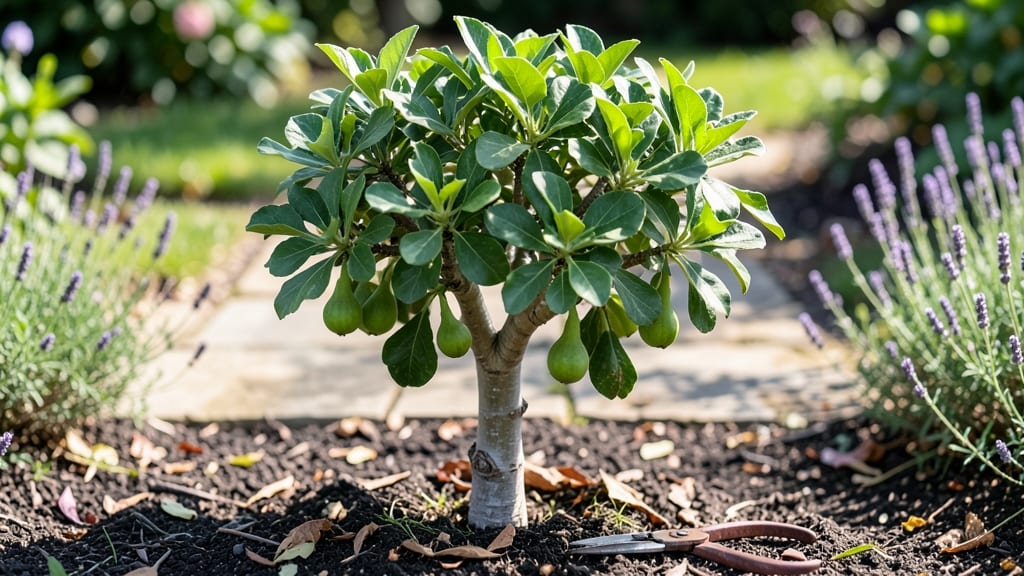
Growing a miniature fig tree on your balcony means fresh figs in just a few seasons—no orchard required. 🌿 I’ve watched these little powerhouses go from a 6-inch sapling to a fruit-bearing tree in under two years, and the secret lies in treating them like the sun-worshipping, drought-tolerant plants they are.
The key? Matching their Mediterranean roots to your container’s conditions, then stepping back to let them thrive on neglect.
You’ll need a 10-15 gallon container with drainage holes, well-draining soil (think cactus mix with compost), and a spot where they’ll get at least 6 hours of direct sun daily.
Watering is where most people overcomplicate things—these figs hate soggy roots, so let the top inch dry out between drinks. Pruning isn’t just about shaping; it’s about encouraging that compact, bushy growth that makes dwarf varieties so perfect for small spaces.
By summer’s end, you’ll be harvesting tiny, sweet figs that burst with flavor—far superior to anything you’d find in a grocery store. The tree itself becomes a living centerpiece, with glossy leaves that shimmer in sunlight and a growth habit that’s equal parts elegant and productive.
And here’s the best part: once established, they’re nearly indestructible, bouncing back from forgetful watering or the occasional frost nip.
Whether you’re growing on a city balcony or a country porch, these dwarf figs adapt beautifully—just adjust sunlight in winter and protect from late frosts. Let’s get yours planted and fruiting in record time!
📚 In This Guide
- What you need
- Instructions
- Tips and common mistakes
- Wrapping up and next steps
What you need
- ● Dwarf Fig Tree: Choose a Ficus carica variety like 'Little Miss Figgy,' 'Osborn Prolific,' or 'Violette de Bordeaux' (ensure it’s labeled as dwarf or semi-dwarf).
- ● Container: A 15–20 gallon pot (18–24" diameter) with drainage holes. Terracotta or fabric pots work best.
- ● Potting Mix: Well-draining soil blend: 50% cactus/succulent mix, 30% perlite or pumice, and 20% compost.
- ● Fertilizer: Balanced 10-10-10 or 5-10-10 granular fertilizer (organic options like fish emulsion or worm castings are great too!).
- ● Pruning Tools: Bypass pruners (sharp and clean)
- ● Concave pruning cutters (for larger branches)
- ○ Support: Small trellis, bamboo stake, or cage (optional but helpful for shaping).
- ● Mulch: Straw or wood chips to retain moisture and regulate soil temp.
- ● Drip Irrigation Kit: For consistent watering (especially in hot climates).
- ● Grow Lights: LED grow bulbs (if growing indoors with limited sunlight).
- ● Root Stimulator: Mycorrhizal fungi or seaweed extract to boost root health.
- ● Glove & Safety Glasses: For pruning (fig trees can have thorns!).
How to care for a miniature fig tree on your balcony
Here's the straightforward approach I've used to grow thriving dwarf figs in containers—no greenhouse needed.
🪴 Step 1: Select the Right Container and Soil Mix
Choose a 10-12 gallon container with drainage holes—figs hate soggy roots. I use unglazed ceramic pots because they breathe better than plastic. The soil mix should be 60% potting mix, 30% perlite, and 10% compost for drainage and nutrients. This combination prevents root rot while keeping moisture available.
Fill the pot 2/3 full with your mix, then tap the container gently to settle the soil. Press down lightly with your fingers to create a firm base—this prevents the tree from toppling when it grows. Leave 2 inches of space at the top for watering without overflow.
☀️ Step 2: Position for Maximum Sunlight and Warmth
Miniature figs need full sun (6-8 hours daily)—place your container on a south-facing balcony or under a grow light if natural light is limited. I've seen these trees struggle in partial shade, with leaves yellowing and fruit failing to develop. A southwest exposure works well too, but avoid harsh afternoon sun in hot climates.
During spring and summer, maintain 65-85°F soil temperatures. If your balcony gets cooler, move the pot to a sheltered spot or use a heat mat underneath. Watch for drooping leaves in the afternoon—this is your signal to adjust the position or provide afternoon shade.
💧 Step 3: Water Deeply but Infrequently
Water when the top 2 inches of soil feel dry—stick your finger in to check. I usually water every 5-7 days in summer, but adjust based on your climate. Overwatering is the #1 killer of container figs, so always let excess water drain completely. I use a watering can with a narrow spout to direct moisture to the root zone without wetting the leaves.
In winter, reduce watering to every 10-14 days—figs enter dormancy and need less moisture. Yellowing leaves during this time are normal, but brown, crispy edges mean you're underwatering. Mulch the soil surface with 1 inch of bark chips to retain moisture and regulate temperature.
✂️ Step 4: Prune for Shape and Fruit Production
Prune in late winter or early spring before new growth begins. Remove dead or crossing branches first, then cut back overly long branches by 1/3 to encourage bushier growth. I always make cuts just above a leaf node—this is where new branches will sprout. Avoid heavy pruning in fall, as the tree needs energy to prepare for winter.
For fruit production, thin out some of the smaller fruit when they're still small. This ensures the remaining figs grow larger and sweeter. Watch for new shoots growing from the trunk—these are called "suckers" and should be removed to maintain the tree's shape. A well-pruned miniature fig will have multiple fruiting branches by summer.
🌿 Step 5: Fertilize and Monitor for Pests
Feed with a balanced 10-10-10 fertilizer every 4-6 weeks during the growing season (spring through fall). I mix 1 tablespoon per gallon of water and apply it after watering to prevent root burn. In winter, skip fertilizing entirely—figs don't need extra nutrients during dormancy. Slow-release granules work well too, but follow package instructions carefully.
Check the undersides of leaves weekly for aphids or spider mites—these pests love fig trees. I spray with neem oil at the first sign of trouble, repeating every 5-7 days until the infestation clears. A strong blast of water from the hose can also dislodge many pests. Keep an eye out for whiteflies too—they're attracted to the sweet sap of figs.
Tips & tricks for perfect miniature fig tree care
The difference between a struggling dwarf fig and a thriving balcony harvest often comes down to these key details.
Container Stability: After filling your 10-12 gallon container 2/3 full with the soil mix, press down firmly with your fingers to create a solid base. This prevents your miniature fig from toppling as it grows—especially important for dwarf varieties that can get surprisingly heavy. I've seen trees lean dramatically when planted in loose soil, and it's not just cosmetic; unstable plants stress easily and produce smaller fruit.
Light Adjustment: Those critical 6-8 hours of sunlight are non-negotiable, but here's what nobody tells you—watch for afternoon drooping during summer. This means your tree is getting too much direct heat. Move it to a spot with morning sun and afternoon shade, or use a sheer curtain to filter the harshest rays. I've rescued multiple trees this way when they started showing leaf scorch around midday.
Watering Precision: The finger test for top 2 inches of dry soil works, but here's the pro move: use a soil moisture meter for consistency. I've found that container soil dries unevenly, especially in ceramic pots. Water until you see moisture run out the drainage holes, then wait until the meter reads dry again. This prevents the root rot that kills so many container figs—especially in cooler weather when evaporation slows.
Pruning Timing: Late winter pruning is crucial, but don't wait until buds are swelling. The ideal window is when you can see new growth starting but before leaves emerge. I mark my calendar for mid-February in most climates—this gives your dwarf fig time to establish new branches before summer fruiting. For fruit production, wait until figs are golf-ball sized before thinning; smaller ones won't develop properly anyway.
Pro Tips for Miniature Fig Tree
- The difference between a struggling dwarf fig and a thriving balcony harvest often comes down to these key details.
- Container Stability: After filling your 10-12 gallon container 2/3 full with the soil mix, press down firmly with your fingers to create a solid base.
- Light Adjustment: Those critical 6-8 hours of sunlight are non-negotiable, but here's what nobody tells you—watch for afternoon drooping during summer.
Frequently asked questions
Got questions about growing a miniature fig tree? You’re not alone! Here are answers to the most common queries—from pruning to placement—to help your dwarf fig thrive on your balcony.
How often should I prune my miniature fig tree?
Prune your dwarf fig tree twice a year: once in late winter (before new growth) to shape it and again in early summer to encourage fruit production. Light trimming between harvests keeps it tidy. Avoid heavy cuts—figs grow best on mature wood!
Can I grow a miniature fig tree indoors?
Yes! Place it near a sunny window (south-facing is ideal) or use a grow light for 6–8 hours daily. Just ensure good airflow and rotate the pot weekly for even growth. Indoor figs may produce fewer fruits than outdoor ones but still reward you with lush foliage.
How do I protect my dwarf fig tree in cold weather?
If temperatures dip below 20°F (-7°C), move your fig indoors (a garage or basement works if temps stay above freezing). For milder climates, wrap the pot in burlap and cover with a frost blanket. Prune back damaged branches in spring once frost risk passes.
Why aren’t my miniature figs producing fruit?
Fig trees need full sun (6+ hours/day), well-draining soil, and patience—some take 2–3 years to bear fruit. Check for:
- Sufficient sunlight (move to a sunnier spot if needed)
- Balanced fertilizer (low-nitrogen, high-phosphorus in spring)
- Proper watering (drought-stressed trees skip fruiting)
What’s the best soil mix for a dwarf fig tree?
Use a fast-draining blend like:
Component
Ratio
Cactus/succulent mix
50%
Perlite or pumice
25%
Compost or worm castings
25%
Wrapping up and next steps
Growing a miniature fig tree on your balcony isn’t just rewarding—it’s a delicious way to bring a taste of the Mediterranean to your doorstep! 🌿 With the right dwarf variety, proper pruning, and a little patience, you’ll enjoy sweet, homegrown figs in no time.
Whether you’re a beginner or a seasoned gardener, these tips ensure your tiny tree thrives and keeps producing for years.
Ready to take the next step? Start small—pick a healthy cutting or seedling, give it love, and watch it grow! 🌱 Your balcony harvest awaits—happy pruning!