
Pruning
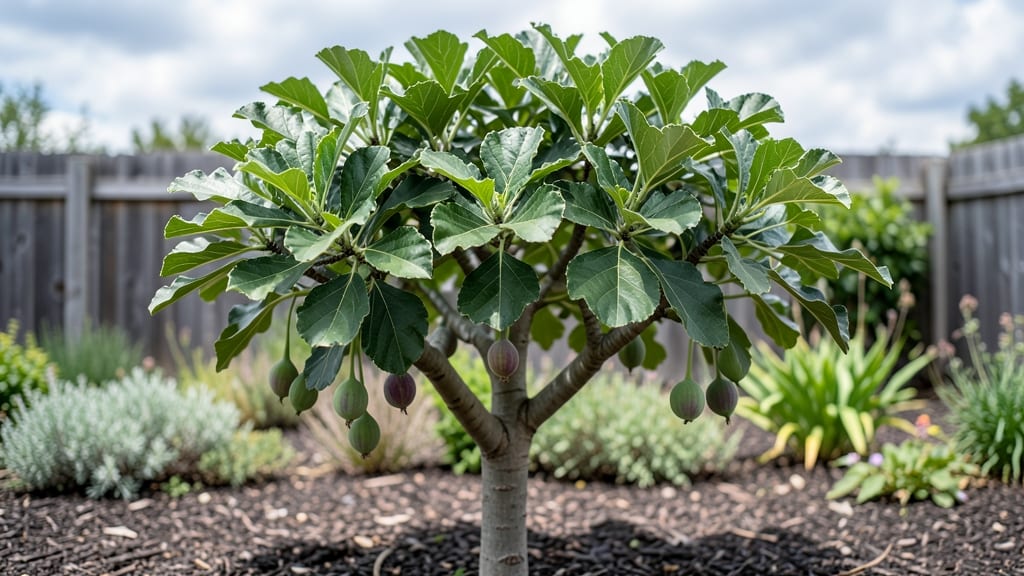
Growing a dwarf fig tree that bursts with fruit isn’t just about space—it’s about mastering the balance between sunlight, pruning, and patience.
I’ve watched mine go from a scraggly sapling to a heavy-fruiting powerhouse in just two seasons, and the secret isn’t complicated: it’s in the cuts you make and the care you give between them.
The first time I saw those tiny green figs appear in late summer, I knew I’d cracked the code for small-space fruit growing.
You’ll need a sunny spot—at least 6 hours of direct light daily—whether that’s a container on your patio or a protected corner of your yard. Dwarf figs thrive in well-draining soil, so if you’re planting in pots, mix in perlite or sand to keep roots happy.
Watering’s the tricky part: too much and you’ll drown the roots; too little and the fruit will shrivel. I’ve found deep watering once a week works best, letting the top inch of soil dry out between sessions. And here’s the thing—dwarf figs are forgiving, but they do reward precision.
By late winter, you’ll prune to shape the tree and encourage new growth, which is where the heavy fruit loads come from. A well-pruned dwarf fig produces dozens of figs on a single branch, and the best part? You can harvest them straight from the tree—no ladder needed.
The fruit gets sweeter as it ripens, turning from green to deep purple, and the smell of a fig tree in full production? It’s like summer in a jar. Once you’ve got the rhythm down, you’ll wonder why you ever bought store-bought figs.
Indoor growers can keep their dwarf figs thriving near a south-facing window, while outdoor plants handle light frosts if you bring them inside before temperatures drop below 25°F.
The key is consistency—whether you’re pinching back new growth in spring or harvesting figs in fall, every step builds toward that lush, productive canopy. Let’s get yours growing.
📚 In This Guide
- What you need
- Instructions
- Tips and common mistakes
- Wrapping up and next steps
What you need
- ● Dwarf Fig Tree: Choose a variety like Ficus carica 'Little Miss Figgy' or 'Violette de Bordeaux' (ensure it’s labeled as dwarf or compact).
- ○ Container (if potted): A 5-gallon pot or larger (minimum 12" diameter) with drainage holes. Optional: Self-watering pots for convenience.
- ● Well-draining soil: Mix 60% potting soil with 30% perlite and 10% compost (or use a cactus/succulent blend).
- ● Slow-release fertilizer: 10-10-10 or 5-5-5 NPK (2–3 tbsp per plant at planting time).
- ● Mulch: 2–3 inches of organic mulch (e.g., straw or wood chips) to retain moisture.
- ● Pruning shears: Bypass pruners (sharp, clean, and disinfected with rubbing alcohol).
- ● Gloves: Heavy-duty gardening gloves (fig trees have thorns!).
- ● Trowel or spade: For transplanting or amending soil.
- ● Watering can or hose: With a gentle spray nozzle (figs hate soggy roots!).
- ● Sunlight access: 6+ hours of full sun daily (partial shade in hot climates).
- ○ Cold protection (optional): Frost cloth or indoor space for winter (if in Zone 7 or colder).
Step-by-step guide to cultivating a thriving dwarf fig tree
Here's how to coax a compact, fruit-bearing fig tree indoors or in containers.
Select and Prepare the Right Container
Choose a container with drainage holes at least 12 inches deep and 18 inches wide for each tree—fig roots need room to spread while maintaining stability. I prefer unglazed terra cotta because it breathes and prevents root rot, but any sturdy pot with drainage works. Add a 2-inch layer of gravel or broken pottery at the bottom to ensure excess water drains away from roots.
Fill the container with a well-draining potting mix—never garden soil. Figs hate soggy feet, so I blend 50% premium potting mix with 30% perlite and 20% coarse sand for aeration. Moisten the mix until it’s damp but not dripping, then press it down lightly to remove air pockets. The surface should feel firm enough to support the tree without compacting the roots.
Plant and Position for Optimal Growth
Plant your dwarf fig tree in the center of the container, ensuring the root ball sits just below the soil line—burying the stem too deep invites rot. Gently remove any circling roots from the nursery pot to encourage outward growth. Backfill with the prepared mix, pressing lightly to eliminate air gaps, and water thoroughly until it drains from the bottom holes.
Figs thrive in full sun, so place your tree within 4-6 feet of a south-facing window or under a grow light for 12-14 hours daily. If outdoors, position it in a spot with at least 6 hours of direct sunlight—partial shade will limit fruit production. Watch for leaves turning yellow or stretching toward the light; this means it’s time to adjust the position or supplement with a grow light.
Water and Fertilize for Heavy Fruit Loads
Water deeply when the top 2 inches of soil feel dry—figs are drought-tolerant but produce best with consistent moisture. I use a self-watering system in summer to prevent underwatering, but avoid soggy soil at all costs. Overwatering is the fastest way to kill a fig tree, so always check drainage after watering.
Feed your tree every 4-6 weeks during the growing season with a balanced, water-soluble fertilizer (10-10-10 or 20-20-20). Reduce feeding in winter when growth slows. Figs respond well to organic compost worked into the soil in spring—this boosts micronutrients and encourages robust fruit development. You’ll notice new leaves emerging within a week of fertilizing, signaling healthy growth.
Prune and Train for a Compact Canopy
Prune in late winter or early spring before new growth begins. Remove any dead, diseased, or crossing branches, then cut back overly long stems to maintain a balanced shape. Figs grow vigorously, so I thin out weak or leggy growth to encourage stronger branches. Always prune just above a leaf node or outward-facing bud to promote bushier growth.
Train the tree by tying new branches to a small stake or trellis if needed—this keeps the canopy compact and prevents sprawling. Figs produce fruit on both old and new wood, so avoid heavy pruning in summer. You’ll see buds forming in early spring, which will develop into fruit if the tree receives enough light and nutrients.
Monitor and Harvest for Maximum Yield
Watch for pests like spider mites or scale—figs attract them when stressed. Treat infestations immediately with neem oil or insecticidal soap. Figs also need adequate calcium to prevent fruit drop; if leaves yellow between veins, feed with calcium nitrate or crushed eggshells.
Harvest figs when they’re fully colored but still slightly firm—this ensures peak sweetness. Twist gently to detach them from the branch; they’ll release easily when ripe. A single dwarf fig tree can produce dozens of fruits per season with proper care. Store harvested figs in the fridge for up to 5 days or freeze them for longer storage.
Tips & tricks for perfect dwarf fig tree cultivation
Here's what I've learned from years of nurturing these compact fruit powerhouses—tricks that'll help you avoid common pitfalls and maximize your harvest.
Container Selection: Unglazed terra cotta isn't just my preference—it's a game-changer for root health. The porous material mimics natural growing conditions by allowing excess moisture to evaporate, which prevents the root rot that plagues so many container-grown figs. If you must use plastic, drill additional drainage holes along the sides near the bottom to improve airflow to the roots. The 12-inch depth and 18-inch width specified aren't arbitrary measurements—they provide the critical root space needed for both stability and fruit production.
Light Optimization: That 12-14 hour daily light requirement isn't negotiable for heavy fruit loads. If your south-facing window doesn't provide enough direct sunlight, supplement with a full-spectrum LED grow light positioned 6-12 inches above the tree. The light should be on a timer to maintain consistency—figs are sensitive to irregular light cycles. Watch for leaves that develop a pale, stretched appearance; this is your tree's way of signaling it needs more light. In outdoor settings, even partial afternoon shade can reduce fruit set significantly.
Soil Mix Strategy: The 50-30-20 ratio of premium potting mix to perlite to coarse sand creates the perfect balance of moisture retention and drainage. I've found that adding a handful of worm castings to this mix at planting boosts microbial activity, which helps the tree establish itself more quickly. When pressing down the mix after planting, aim for firmness similar to a well-packed snowball—this creates the ideal air-to-soil ratio without compacting the roots too tightly.
Pruning Precision: When pruning in late winter, focus on creating an open center rather than just reducing size. Figs produce fruit on both old and new wood, so avoid cutting back more than one-third of the tree's growth at any time. I use sharp pruning shears and make cuts at a 45-degree angle just above an outward-facing bud. This technique encourages bushier growth and better air circulation, both of which are crucial for preventing fungal diseases that can reduce fruit yield.
Pro Tips for Dwarf Fig Tree
- Here's what I've learned from years of nurturing these compact fruit powerhouses—tricks that'll help you avoid common...
- Container Selection: Unglazed terra cotta isn't just my preference—it's a game-changer for root health. The porous ma...
- Light Optimization: That 12-14 hour daily light requirement isn't negotiable for heavy fruit loads. If your south-fac...
Frequently asked questions
Got questions about keeping your dwarf fig tree thriving?
Here are answers to the most common concerns—from pruning to pests and beyond.
How often should I prune my dwarf fig tree for maximum fruit?
Prune your dwarf fig tree twice a year: once in late winter (before new growth) to shape the canopy, and again after harvest to encourage next year’s fruit. Avoid heavy pruning when the tree is flowering or fruiting—focus on light trimming to maintain airflow and sunlight exposure. Pro tip: Always use sterilized tools to prevent disease!
When is the best time to harvest dwarf figs?
Harvest when figs are fully colored but still slightly firm—usually late summer to early fall (varies by variety). Gently twist or cut stems to avoid damaging the tree. Warning: Never harvest overripe figs; they’ll spoil quickly and attract pests.
Can dwarf fig trees survive cold winters?
Most dwarf figs thrive in USDA Zones 8-11 but can be overwintered indoors (e.g., a sunny garage) if temps drop below 20°F. Move potted trees before frost hits, and reduce watering. If outdoors, mulch heavily and protect with burlap. Cold-hardy varieties like ‘Little Miss Figgy’ are your best bet for cooler climates!
What pests should I watch for, and how do I treat them?
Common pests include aphids, spider mites, and fruit flies. Treat aphids with a strong spray of water; mites need neem oil. For fruit flies, remove fallen figs promptly and use yellow sticky traps. Prevention tip: Encourage beneficial insects like ladybugs by planting companion flowers nearby!
Is a dwarf fig tree a good alternative to full-size figs?
Dwarf figs offer heavy fruit loads in compact spaces (great for patios or containers), require less pruning, and ripen earlier than standard varieties. They’re perfect for urban gardens or small yards. Just ensure they get 6+ hours of sunlight daily. Bonus: Their ornamental leaves add year-round interest!
Wrapping up and next steps
Growing a dwarf fig tree with a compact canopy and bountiful fruit is totally within reach—even for beginners! 🌱 With the right pruning techniques, patience, and care, you’ll enjoy a thriving, space-efficient tree that keeps producing delicious figs year after year. Start small, stay consistent, and soon you’ll be harvesting like a pro!
Ready to take the next step? Pick a sunny spot, grab your tools, and begin pruning today! Your future fig feast awaits—share your progress or ask questions in our community for extra support. Happy growing! 🍇✨