
Pruning
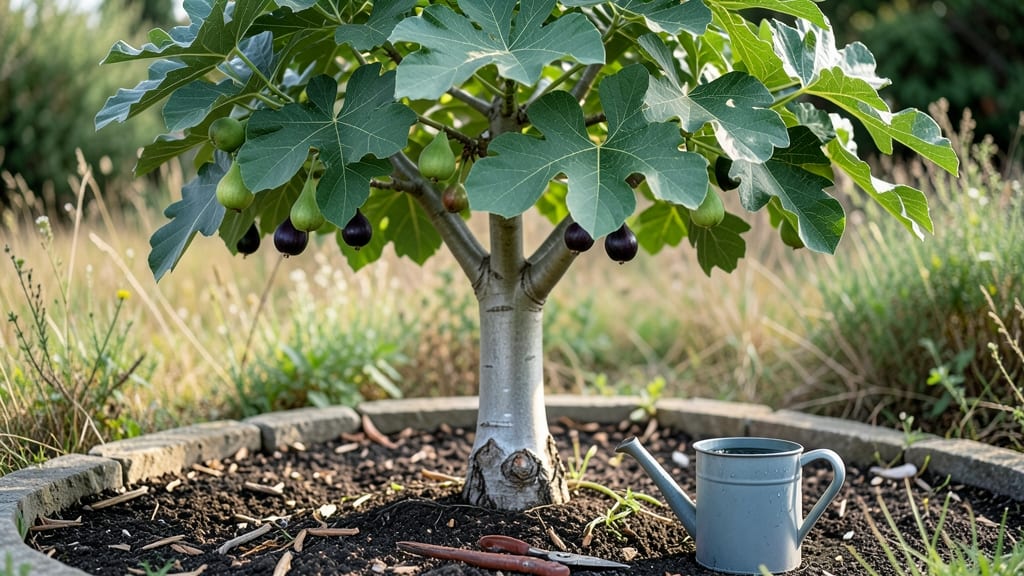
Pruning your ficus carica fig tree in late winter isn’t just about shaping—it’s the secret to next summer’s bumper crop. I’ve seen firsthand how a few strategic cuts can turn a modest harvest into a fig-fest that makes neighbors ask for cuttings.
The key? Timing, tools, and knowing which branches to keep (and which to say goodbye to).
You’ll need sharp pruners, a clean workspace, and about 30 minutes for a medium-sized tree. The goal is to open up the canopy for sunlight and air circulation, which means removing dead wood, crossing branches, and thinning out crowded growth.
Think of it like giving your tree a spa day—less stress, more energy for fruit production. Even if you’ve never pruned before, this method is beginner-friendly.
By spring, you’ll see new growth shooting out like clockwork, and those pruning wounds will heal over with fresh, green tissue. The payoff? Figs that ripen earlier, stay sweeter, and produce in greater abundance than you’ve ever seen.
Your tree will thank you with glossy leaves and a bounty that puts store-bought figs to shame. Ready to get started?
This works for both container-grown and in-ground fig trees, though container varieties may need slightly lighter pruning. Whether you’re in a warm climate or a cooler zone, the principles stay the same—just adjust your timing to avoid late frosts. Let’s make next season your most productive yet!
📚 In This Guide
- What you need
- Instructions
- Tips and common mistakes
- Wrapping up and next steps
What you need
- ● Pruning shears: Sharp, bypass-style shears (for clean cuts on branches Quantity: 1 pair.
- ● Loppers: Heavy-duty, bypass or anvil-type (for branches 1"–2" thick). Quantity: 1 pair.
- ● Pruning saw: Curved-tooth saw (for branches >2" thick). Quantity: 1.
- ● Rubbing alcohol (70% isopropyl): For sterilizing tools between cuts. Quantity: Small bottle.
- ● Garden gloves: Cut-resistant (to protect hands from thorns and sap). Quantity: 1 pair.
- ○ Disposable pruning bags: For collecting debris (optional but helpful for cleanup). Quantity: 1–2.
- ● Hand sanitizer: For extra hygiene after pruning.
- ● Marking spray: Non-toxic paint to mark cuts (e.g., for future reference).
- ● Tree wound dressing: Pruning sealant (controversial—skip if your tree is healthy!).
- ● Ladder: Sturdy, extension ladder (if tree exceeds 6' tall).
- ● Notebook/pencil: To sketch pruning notes or track growth.
Step-by-Step instructions for pruning ficus carica fig trees in winter
Winter's the perfect time to shape your fig tree for next year's bounty—here's how.
Assess the Tree for Dead or Weak Wood
Start by examining your fig tree from top to bottom. Look for branches that are completely brown, brittle, or devoid of leaves—these are dead and should be removed. I also cut out any thin, spindly growth that never produced fruit or looks weak. Use your fingers to gently test branch strength; if it snaps easily, it's not worth keeping.
Next, identify any crossing branches that rub together. These create wounds where disease can enter. Mark these with a piece of twine or a spray paint dot so you don't miss them during pruning. Healthy wood should have a greenish-brown interior when you cut into it, while dead wood will be hollow or crumbly.
Remove Up to One-Third of the Total Growth
Fig trees fruit best when they have good air circulation and sunlight penetration. Aim to remove about one-third of the total growth from the previous year. This encourages new, vigorous growth in spring. Start by thinning out the center of the tree first—this opens up the canopy and lets light reach inner branches.
Cut back to a healthy bud or lateral branch rather than leaving stubs. I use sharp pruning shears to make clean cuts just above an outward-facing bud. If you're unsure which way the bud faces, look for the small bump on the branch—this is where new growth will emerge. Avoid cutting too close to the trunk, as this can damage the tree's vascular system.
Shape the Tree for Balance and Airflow
Step back and visualize the tree's shape. You want a balanced silhouette with a slightly open center. Remove any branches that grow inward or downward, as these create congestion and shade out lower branches. I like to leave a few strong, outward-growing branches to form the tree's framework—these will support next year's fruit.
Pay special attention to the lower branches. If they're overcrowded, thin them out to allow sunlight to reach the base. This encourages stronger growth at the bottom of the tree, which is where many fig varieties produce their best fruit. Avoid over-pruning the top—you want to maintain the tree's height for easy harvesting.
Clean Up and Apply Wound Treatment
Once you've finished pruning, gather all the cuttings and dispose of them properly. Don't compost diseased wood, as it can spread pathogens. Wipe down your pruning tools with rubbing alcohol to prevent cross-contamination between cuts. I also like to sterilize my shears with a flame if I have time—it's a small step that keeps your tree healthy.
Apply a pruning sealant to larger cuts (over ½ inch in diameter) to protect the tree from pests and disease. For smaller cuts, let them heal naturally—the sealant isn't necessary and can sometimes trap moisture. Water the tree deeply after pruning to help it recover and reduce stress. Mulch around the base with 2-3 inches of organic mulch to retain moisture and regulate soil temperature.
Tips & tricks for pruning ficus carica fig trees
A few key insights will help you avoid common mistakes and maximize your fig tree's fruit production this season.
Visual Inspection Technique: When assessing branches in Step 1, look for the subtle color difference between healthy and dead wood. Healthy branches should have a slight greenish tint when you make a small cut, while dead branches will appear completely brown or gray. I've found that using a small pocket knife to make a tiny incision on suspicious branches helps confirm their condition without causing major damage.
Pruning Angle Matters: In Step 2, when making your cuts just above outward-facing buds, angle your pruning shears slightly away from the bud. This creates a natural water runoff path and prevents water from pooling on the bud, which can cause rot. I like to visualize a line from the bud outward when positioning my cut—this helps maintain the tree's natural shape while promoting new growth.
Tool Sterilization: Don't overlook the importance of clean tools in Step 4. Between each cut, especially when dealing with diseased branches, wipe your pruning shears with rubbing alcohol or hold them over a flame for 10 seconds. I keep a small bottle of alcohol in my gardening toolkit specifically for this purpose—it's a small habit that prevents spreading disease throughout your tree.
Mulch Application: After pruning, spread that 2-3 inches of organic mulch evenly around the base, keeping it about 2 inches away from the trunk. This creates a protective barrier that regulates soil temperature and retains moisture. I've noticed that trees with proper mulching recover faster from pruning stress and show more vigorous spring growth.
Pro Tips for Ficus Carica Fig Tree
- A few key insights will help you avoid common mistakes and maximize your fig tree's fruit production this season.
- Visual Inspection Technique: When assessing branches in Step 1, look for the subtle color difference between healthy and dead wood.
- Pruning Angle Matters: In Step 2, when making your cuts just above outward-facing buds, angle your pruning shears slightly away from the bud.
Frequently asked questions
Got questions about pruning your Ficus carica (fig tree) during dormancy? You're not alone! Here are answers to the most common concerns—so you can boost fruit production with confidence.
When is the absolute latest I can prune my fig tree before spring?
Prune your Ficus carica during late winter or early spring (just before buds swell, ideally in USDA Zones 7-10). In colder regions (Zones 5-6), wait until after the last frost—but no later than early March. Late pruning risks exposing tender growth to frost damage or delays new fruit development. Pro tip: If you miss dormancy, prune in late fall instead, but avoid heavy cuts.
Can I prune a fig tree in winter if it’s still cold outside?
Yes, but with caution! Prune only on dry, frost-free days (below 40°F/4°C can stress the tree). Ficus carica is semi-dormant in winter, so light shaping (removing dead wood) is fine, but avoid heavy cuts. Wait for consistent daytime temps above 50°F (10°C) for full pruning. Warning: Pruning too early risks frost damage to fresh cuts.
Will pruning my fig tree reduce next year’s fruit harvest?
Not if done correctly! Proper dormant pruning (removing only dead, diseased, or crossing branches) increases fruit production by improving airflow and sunlight. Over-pruning (cutting >30% of branches) may delay harvest, but focus on structure—keep 3-5 main scaffolds and thin out crowded growth. Tip: Young trees benefit most from pruning; mature trees need minimal cuts.
What’s the best tool to use for fig tree pruning?
Use sharp, sterilized tools to avoid damaging branches or spreading disease:
- Hand pruners (for branches <½" thick) – Bypass pruners are best for clean cuts.
- Loppers (for branches ½"–2" thick) – Look for ratchet-style for leverage.
- Pruning saw (for thicker branches) – Choose a bow saw or pruning saw with fine teeth.
What if my fig tree doesn’t have many branches to prune?
If your tree is sparse or young, focus on:
- Removing only dead/damaged wood (no more than 10-15%).
- Encouraging new growth by pruning just above a bud facing outward.
- Adding support (like a stake) if branches are weak.
Wrapping up and next steps
Pruning your ficus carica fig tree during its dormant season isn’t just about shaping—it’s about unlocking its full potential! By following the right techniques, you’ll boost airflow, encourage healthier growth, and dramatically increase fruit production next season. 🌱✨
Ready to transform your fig tree into a thriving, fruit-bearing powerhouse? Grab your pruning shears, review the steps, and get started—your future harvest will thank you! For extra confidence, watch a quick tutorial or consult a local horticulturist before diving in. Happy pruning! 🌿🍈