Pruning
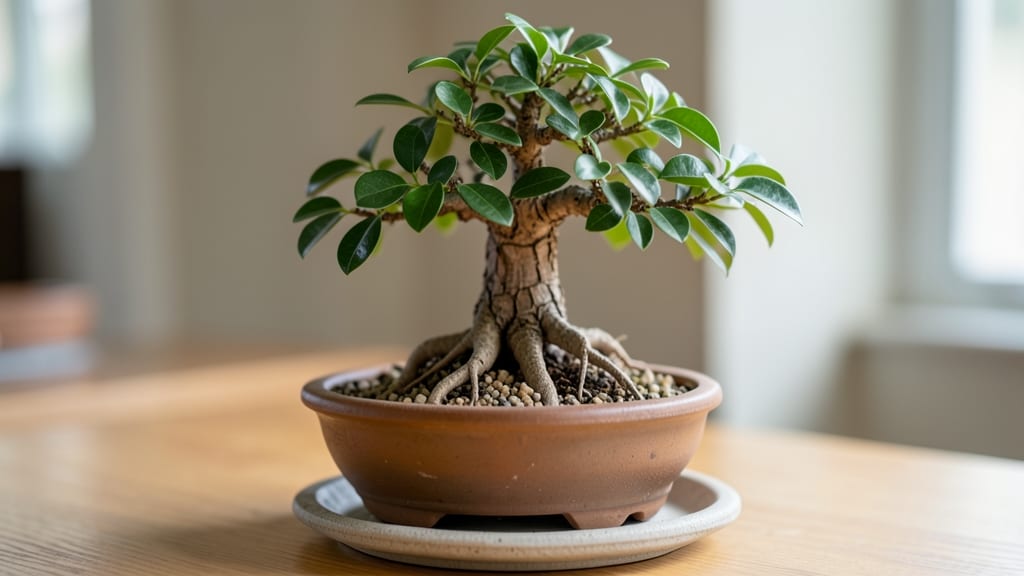
A mature bonsai tree isn’t just a plant—it’s a living masterpiece that rewards patience with every refined branch and leaf. I’ve spent years shaping mine, and the key to keeping it thriving lies in the quiet art of pruning, where precision meets intuition.
The first cut feels like a promise: this tree will live another decade, its trunk thicker, its branches more deliberate.
Artisan pruning isn’t about hacking away—it’s about reading the tree’s language. You’ll need sharp tools, a steady hand, and an eye for balance, but the process itself is meditative.
My Japanese black pine now has a trunk that tells a story, its gnarled roots peeking through the soil like ancient secrets. The goal? To guide its growth without forcing it, so it stays healthy and stunning for generations.
What you’ll achieve is a tree that looks effortless—though the work behind it is anything but. Each season, you’ll refine its shape, adjust its foliage, and keep pests at bay with targeted care.
The result? A miniature landscape that feels timeless, not just decorative. Ready to turn your bonsai into a legacy?
This guide covers everything from seasonal adjustments to repotting schedules, so you can avoid the common pitfalls that turn beautiful trees into stressed survivors. Think of it as a partnership: you shape it, but it teaches you patience in return.
📚 In This Guide
- What you need
- Instructions
- Tips and common mistakes
- Wrapping up and next steps
What you need
- ● Pruning Shears: High-quality, sharp bonsai shears (e.g., Felco or Kondo brand) for clean cuts.
- ● Concave Cutters: For precise branch removal without damaging the tree.
- ● Root Hook: A sturdy, curved tool for gently lifting and shaping roots.
- ● Wire Cutters: To trim bonsai wire (if using for branch positioning).
- ● Aluminum or Copper Wire: 1–3mm thickness for shaping branches (varies by tree size).
- ○ Rooting Hormone: (Optional) To encourage healing after root pruning.
- ● Potting Soil: Well-draining akadama or a bonsai-specific mix (e.g., 60% akadama, 30% pumice, 10% compost).
- ● Bonsai Pot: Shallow, well-drained ceramic or plastic pot (size depends on tree trunk thickness).
- ● Spray Bottle: For misting leaves post-pruning.
- ● Disinfectant: (e.g., rubbing alcohol) to sterilize tools between cuts.
- ● A healthy, mature bonsai tree (5+ years old, with defined trunk and branches).
- ● Basic knowledge of bonsai aesthetics (e.g., shohin, moyogi, or chokkan styles).
- ● Patience! Mature pruning is a gradual process—avoid over-pruning.
Instructions for pruning a mature bonsai tree
Artisan pruning transforms a bonsai into living sculpture. Here's how to refine its shape and health.
Assess the Tree’s Structure and Growth Patterns
Start by examining the bonsai from all angles—front, sides, and above. Look for overgrown branches that disrupt the intended silhouette or create visual imbalance. I always use a small notepad to sketch rough notes about which branches need attention, especially those growing toward the center or blocking light from inner foliage.
Check for dead or diseased branches by gently running your fingers along the stems. Healthy branches feel firm with a slight springiness, while dead ones snap easily. This step ensures you're working only with living material that will respond to pruning. Pay special attention to the trunk's natural taper—any branches growing straight up or down should be prioritized for removal to maintain the tree's elegant flow.
Prune Branches for Shape and Balance
Use sharp bonsai shears to trim branches back to a bud or joint, cutting at a 45-degree angle just above the node. This encourages new growth in the right direction. For thicker branches, I make two cuts: first, a deep cut just outside the branch collar, then a second cut to remove the remaining stub cleanly. Never leave stubs—they invite rot and weak regrowth.
Focus on creating a layered look by gradually reducing branch length as you move upward. The goal is to guide the eye through the tree, with each tier slightly smaller than the one below. If a branch is too long, shorten it by one-third to maintain balance. Step back frequently to check your progress—your bonsai should look harmonious from a distance.
Refine Foliage for Texture and Density
Thin out dense clusters of leaves to improve airflow and light penetration. Remove about one-third of the oldest leaves from each branch, starting with the largest ones. This encourages smaller, more refined foliage to grow in their place. For needle-type bonsai like pines, use concave cutters to trim individual needles, shaping them into soft, natural curves.
Watch for "pinching" opportunities—small shoots that emerge between branches. Pinch these back to a leaf or bud to redirect energy into stronger growth. Avoid over-pruning; a mature bonsai should retain enough foliage to maintain its character. If leaves start yellowing after pruning, it’s a sign of stress—reduce watering slightly until new growth appears.
Wiring for Long-Term Shaping (Optional)
If your bonsai needs dramatic reshaping, wire branches now to guide their growth over time. Use aluminum or copper wire (thickness depends on branch size) and wrap it gently around the branch, starting at the trunk. Leave a small gap at the junction to prevent cutting into the bark as the branch thickens. Wiring should feel snug but not tight—like a loose hug that encourages movement without damage.
Check wires every 4-6 weeks to ensure they’re not digging into the bark. Remove wires immediately if you see red marks or if the branch resists bending. For stubborn branches, I apply a small amount of wire cutters to the outside of the bend to help shape it gradually. Wiring is a patience game—never force a branch beyond its natural flexibility.
Clean Up and Monitor Recovery
After pruning, remove all fallen leaves and debris from the pot. Sterilize your shears with rubbing alcohol to prevent spreading disease. Water the bonsai lightly—just enough to moisten the soil—but avoid heavy watering for 3-5 days to let small wounds heal. This reduces the risk of fungal infections and gives the tree time to adjust.
Place the bonsai in bright, indirect light for a week to minimize stress. Avoid direct sunlight, which can scorch new growth. Monitor the tree daily for signs of recovery: fresh green buds indicate successful pruning, while wilting or browning leaves signal over-pruning. Adjust your care routine based on what you observe—bonsai respond best to gentle, attentive guidance.
Tips & tricks for perfect mature bonsai pruning
These subtle adjustments will elevate your bonsai from ordinary to extraordinary with minimal effort.
Precision Over Speed: In Step 2, when pruning branches, take your time with the 45-degree angle cut—it’s not just about removing growth, it’s about guiding future growth. I’ve ruined more bonsai branches by rushing this step than any other. The clean cut just above the node prevents unsightly stubs that can rot, while the angle directs water runoff away from the branch collar. Think of it as surgical precision for your tree.
The One-Third Rule: Whether you’re shortening branches in Step 2 or thinning foliage in Step 3, always work in thirds. Removing one-third of the oldest leaves or reducing branch length by one-third maintains the tree’s energy balance. I learned this the hard way after over-pruning a juniper and nearly killing it—now I measure with my fingers as a quick guide. This principle applies to both leafy and needle-type bonsai, though needle trimming requires more patience with concave cutters.
Wiring Wisdom: When using aluminum or copper wire in Step 4, remember that thicker branches need thicker wire—but never so thick it restricts growth. I keep a small gauge chart nearby to match wire thickness to branch diameter. The key is to check wires every 4-6 weeks as instructed, but also watch for subtle signs of stress like slight yellowing at the wire junction. If you see this, remove the wire immediately—bonsai bark is delicate and can’t handle prolonged pressure.
Recovery Ritual: After pruning, the 3-5 day watering restriction in Step 5 is non-negotiable. I’ve seen beginners drown their bonsai during this critical recovery period, thinking more water helps. The truth is, letting small wounds heal prevents fungal infections. Place your bonsai in bright, indirect light during this time—this isn’t just about aesthetics, it’s about giving your tree the perfect environment to regenerate. Think of it as a healing spa treatment for your bonsai.
Pro Tips for Mature Bonsai Tree
- These subtle adjustments will elevate your bonsai from ordinary to extraordinary with minimal effort.
- Precision Over Speed: In Step 2, when pruning branches, take your time with the 45-degree angle cut—it’s not just about removing growth, it’s about guiding future growth.
- The One-Third Rule: Whether you’re shortening branches in Step 2 or thinning foliage in Step 3, always work in thirds.
Frequently asked questions
Got questions about nurturing a mature bonsai tree?
You’re not alone! Here are answers to the most common queries—from pruning puzzles to care conundrums—so you can keep your timeless miniature masterpiece thriving with confidence.
How often should I prune a mature bonsai tree?
Prune mature bonsai trees 2–4 times a year, depending on the species and season. Focus on structural pruning (spring/summer) and light maintenance (fall/winter). Avoid heavy pruning in late fall—it stresses the tree. Pro tip: Use sharp, clean tools to prevent damage!
Can I prune a mature bonsai tree in winter?
Winter pruning is risky for most bonsai—especially deciduous varieties. If you must prune, stick to minimal shaping (no more than 20%) and avoid frost-prone species. Evergreens like junipers can tolerate light pruning, but wait until early spring for best results.
What if my mature bonsai tree looks overpruned?
Don’t panic! Overpruned bonsai can recover with patience and care. Reduce watering slightly, avoid fertilizing for 2–4 weeks, and focus on foliar health. New growth will emerge—just prune less aggressively next time. Pro tip: Use a root pruning fork to stimulate recovery.
Are there alternatives to traditional pruning for mature bonsai?
Yes! Try jins (deadwood art), shari (exposed trunk), or cascade wiring for creative flair without heavy cuts. Defoliation (removing leaves) also encourages ramification. For species like ficus or juniper, air-layering can propagate new branches naturally.
Why are my mature bonsai leaves turning yellow after pruning?
Yellowing leaves often signal stress from overpruning, nutrient loss, or root disturbance. Check for pests (like spider mites) or fungal issues (like powdery mildew). Adjust watering, add balanced fertilizer, and ensure proper drainage. Pro tip: A foliar spray with seaweed extract can boost recovery!
How do I document my bonsai pruning progress?
Keep a pruning journal! Note dates, techniques, and photos of before/after. Apps like Bonsai Empire or a simple spreadsheet track growth patterns. Visual records help refine your approach over time—artistry evolves with patience!
Wrapping up and next steps
Cultivating a mature bonsai tree is a journey of patience, creativity, and dedication—but the reward is pure artistry in miniature form! 🌿 With the right tools, techniques, and a deep understanding of pruning, you can shape your tree into a timeless masterpiece that tells a story.
Whether you’re refining branches, perfecting the nebari, or balancing growth, every careful cut brings you closer to that serene, elegant finish.
Now that you’re armed with knowledge, take the next step—grab your tools and get hands-on! Start with small adjustments, observe your tree’s response, and let your bonsai evolve into a living work of art. Happy pruning! ✂️✨