How To
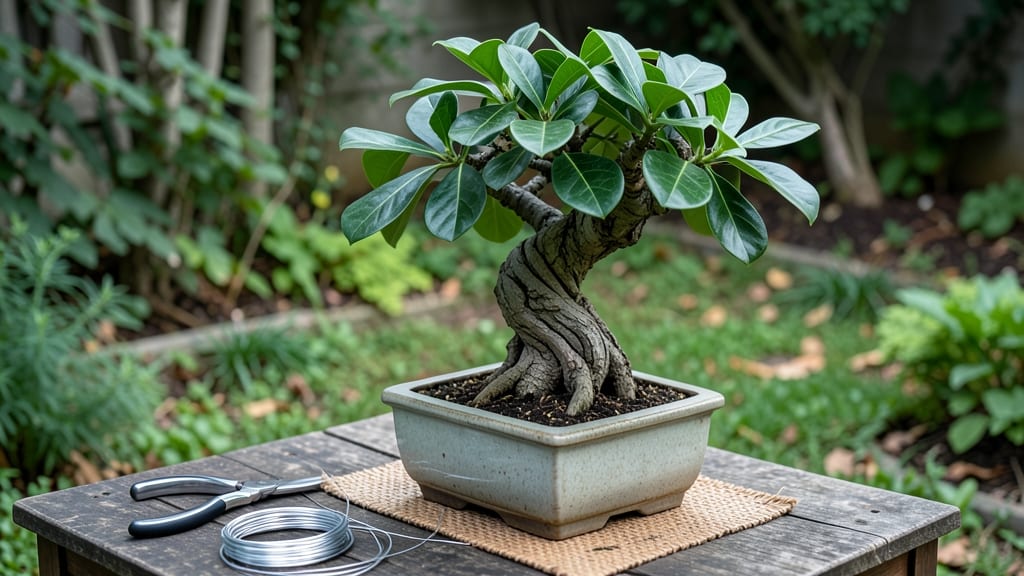
Pruning a bonsai tree isn’t about hacking branches—it’s about sculpting patience into art. ✂️ The right cuts at the right time transform wild growth into delicate curves, but timing matters more than technique. Skip this step, and your tree either balloons into a tangled mess or stays stubby and stunted.
Start with the basics: clean, sharp tools and a clear plan for each season. Spring is for shaping new growth, summer for fine-tuning, and late fall for cleanup. My first bonsai looked like a sad, lopsided bush until I learned to wait—now it’s a tiny, intentional masterpiece.
The key? Small, deliberate cuts and never more than a third of any branch at once.
📚 In This Guide
- What you need
- Instructions
- Tips and common mistakes
- Wrapping up and next steps
What you need
- ● Sharp bonsai scissors (concave cutter) – For precise cuts on branches (1 pair, 2-3 inches long).
- ● Bonsai pruning shears – Ideal for thicker branches (1 pair, sturdy stainless steel).
- ● Ruler or measuring tape – To gauge branch lengths (1, 6-12 inches).
- ● Alcohol or rubbing solution – For sterilizing tools (small bottle, 70%+ isopropyl alcohol).
- ● Small brush or cloth – To clean sap and debris (1, soft-bristled or microfiber).
- ○ Root hook (optional but helpful) – For gentle root adjustments (1, stainless steel).
- ● Pruning paste or wax – Seals cuts to prevent disease (small tube, 1 oz).
- ● Wire cutters – If you use wiring for shaping (1 pair, needle-nose preferred).
- ● Magnifying glass – For intricate detail work (1, 2-5x magnification).
- ● Notebook & pen – To sketch your pruning plan (1, any size).
Step-by-step instructions for pruning a bonsai tree
Mastering bonsai pruning transforms a simple trim into an artful practice.
✂️ Step 1: Choose the Right Time for Seasonal Pruning
Spring is your best window—prune just as new growth begins, around early April in most climates. This timing ensures you shape the tree while it’s energized for the growing season. Avoid pruning in winter when the tree is dormant, or in late summer when it’s preparing for dormancy.
Watch for new buds swelling along the branches; that’s your cue. If you miss spring, wait until after flowering if your bonsai blooms, but never prune heavily in fall. I’ve seen beginners over-prune in late summer, which stresses the tree just as it needs energy to harden off for winter.
🌿 Step 2: Gather Tools and Assess the Tree
You’ll need sharp bonsai scissors for small branches and a concave cutter for thicker stems. Wipe tools with rubbing alcohol before starting—clean cuts prevent disease. Examine the tree for dead or crossing branches first; these take priority over shaping cuts.
Run your fingers along the branches to feel for weak growth points or awkward angles. Step back often—bonsai pruning is about balance, not just trimming. I always sketch a rough mental map of where I’ll cut before making a single snip; it keeps the process intentional.
🌱 Step 3: Make Structural Cuts to Define the Silhouette
Start with structural branches—these are the main limbs that shape the tree’s overall form. Cut back to the next outward-facing bud or joint, never at a random spot. This ensures new growth emerges in the right direction. For thick branches, use the concave cutter to make a clean, curved cut that mimics natural branch breaks.
Leave one-third of the branch length if you’re unsure—bonsai respond poorly to drastic reductions. Watch how light filters through the branches; gaps where light hits the trunk should guide your cuts. I like to prune in layers: first the thick branches, then the finer details, so I don’t lose sight of the big picture.
⏰ Step 4: Refine with Pinching and Wiring Prep
Use your fingers to pinch back the tips of new shoots that appear after your initial cuts. This encourages bushier growth and prevents the tree from becoming leggy. Focus on the outer edges of the foliage pad—pinching here keeps the tree’s shape dense and natural.
If you’re wiring branches for positioning, do this after pruning but before new growth hardens. Wrap wire gently around branches, leaving room for them to thicken. Check the wire every 4-6 weeks—bonsai branches grow faster than you might expect, and tight wire can girdle them.
☀️ Step 5: Post-Pruning Care for Recovery
Water the tree thoroughly after pruning to help it recover from shock. Place it in bright, indirect light for a few days—direct sun can stress freshly pruned foliage. Monitor the soil moisture closely; pruned trees use water differently until they adjust.
Fertilize lightly with a balanced liquid fertilizer two weeks after pruning to support new growth. Avoid heavy feedings immediately after cuts, as the tree is still conserving energy. You’ll see fresh buds forming in 3-4 weeks—that’s your reward for patience.
Tips & tricks for perfect bonsai pruning
Between us, these small details make all the difference between a healthy bonsai and one that struggles to recover. Here's what nobody tells you—
Timing Secret: The early April window isn't just about spring—it's about catching that exact moment when buds begin to swell but haven't yet broken open. I learned this the hard way after pruning too early one year and seeing my tree produce fewer flowers. Use a magnifying glass if needed to check for tiny buds along the branches before you start cutting. This precise timing gives your bonsai the energy it needs for both recovery and new growth.
Tool Technique: That rubbing alcohol wipe isn't just about cleanliness—it's about preventing bacterial infections that can kill your bonsai. I keep a small bottle of 70% isopropyl alcohol with my tools and wipe them between every cut, especially when working with multiple trees. For the concave cutter, angle the blade slightly downward when making cuts on thick branches—this mimics natural branch breaks and prevents tearing that can expose vulnerable wood. Remember, clean tools mean healthier cuts.
Visual Cue for Structural Cuts: When you're deciding where to make those structural cuts in Step 3, hold your bonsai up to a bright window and look for where light creates natural shadows on the trunk. These shadows reveal where branches are blocking light from reaching the trunk—those are perfect candidates for reduction. I also trace the branch's path with my finger along the trunk to visualize where the next outward-facing bud would be before making the cut. This simple technique keeps your pruning intentional and balanced.
Post-Pruning Recovery Hack: That thorough watering after pruning isn't just about hydration—it's about helping the tree flush out any stress hormones that built up during cutting. I've found that placing the bonsai on a gravel tray with water underneath (but not touching the pot) for the first 48 hours after pruning creates a humid microclimate that speeds recovery. Just monitor soil moisture closely—you'll likely need to water more frequently during this period as the tree adjusts to its new shape.
Pro Tips for Prune A Bonsai Tree
- Between us, these small details make all the difference between a healthy bonsai and one that struggles to recover.
- Timing Secret: The early April window isn't just about spring—it's about catching that exact moment when buds begin to swell but haven't yet broken open.
- Tool Technique: That rubbing alcohol wipe isn't just about cleanliness—it's about preventing bacterial infections that can kill your bonsai.
Frequently asked questions
Got questions about pruning your bonsai? You’re not alone! Here are answers to the most common concerns to help you refine your technique and keep your miniature tree thriving.
When is the best time to prune a bonsai?
Timing depends on your bonsai’s species and goals. For deciduous trees (like maple or elm), prune in late winter or early spring before new growth starts. Evergreens (like juniper or pine) can be pruned in early spring or late summer to avoid stress. Avoid heavy pruning in fall—it can weaken the tree before winter.
Can I prune a bonsai too much?
Yes—over-pruning stresses the tree and can stunt growth or invite pests. Stick to the “one-third rule”: Never remove more than one-third of the foliage in a single session. For young bonsai, light trims are better. Always leave enough leaves to photosynthesize and feed the tree.
What if my bonsai doesn’t have leaves after pruning?
Don’t panic! Some trees (like ficus or juniper) shed leaves temporarily after pruning. If it’s been 4–6 weeks and no new growth appears, check for underwatering, overwatering, or root issues. Adjust care and monitor closely—healthy roots and proper light will encourage regrowth.
Do I need special tools for bonsai pruning?
While bonsai-specific tools (like concave cutters or tweezers) help, you can start with basic tools: sharp bypass pruners for branches, scissors for foliage, and a wire cutter for shaping. Sterilize tools with rubbing alcohol between cuts to prevent disease. A magnifying glass also helps with precision!
How do I know if I’ve pruned correctly?
Look for these signs: new buds forming within weeks, balanced branch structure, and a natural taper (thicker at the base, thinner at the top). If the tree looks top-heavy or branches grow unevenly, you may need to adjust future cuts. Patience is key—bonsai pruning is an art of gradual refinement!
Wrapping up and next steps
Pruning your bonsai isn’t just about trimming—it’s an art that shapes its future and keeps it thriving! 🌿 With the right tools, timing, and technique, you’ll nurture a miniature masterpiece that reflects your patience and passion. Start small, observe your tree’s growth, and gradually refine your skills.
Ready to take the next step? Experiment with different styles—like formal upright or cascade—and document your progress. Every cut is a chance to learn, so don’t hesitate to practice! 🌱