Planting
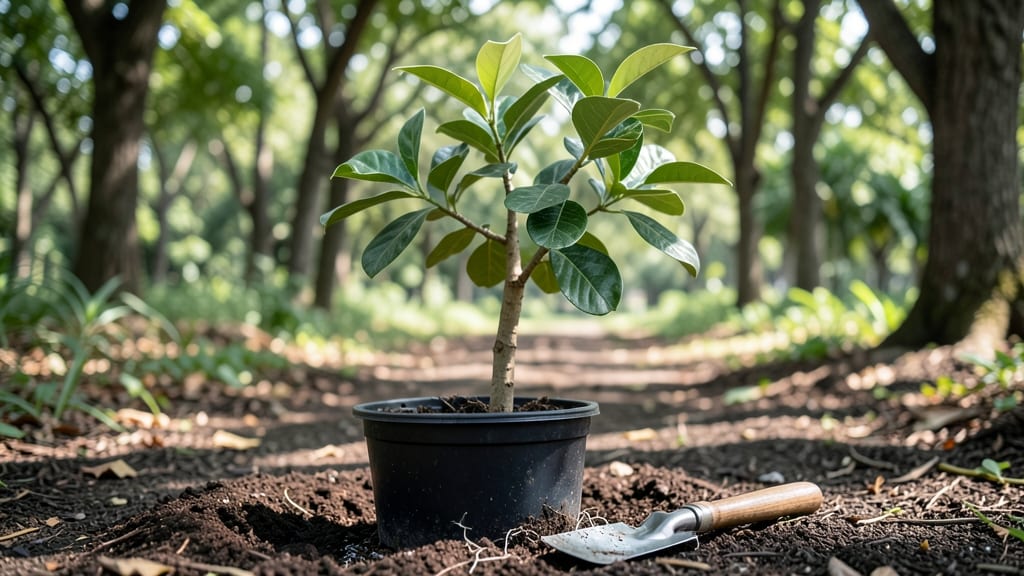
This mango tree planting guide will turn summer into a taste of paradise—even if you're not in the tropics. 🌱 The secret isn’t just the right variety or soil; it’s knowing when to plant, how deep to bury those roots, and the little tricks that keep young trees alive through their first critical year.
I’ve learned the hard way that skipping the prep work means struggling with stunted growth or worse, losing your tree before it bears fruit.
You’ll need well-draining soil mixed with compost, a sunny spot that gets at least 6 hours of direct light daily, and patience—mango trees take 3-5 years to fruit but reward you with juicy, sweet rewards for decades.
The right variety matters too: dwarf varieties like ‘Cogshall’ thrive in containers, while ‘Keitt’ handles cooler climates better than most. Start with a 2-3 gallon container-grown tree for best results, and dig a hole twice as wide (but no deeper) than the root ball.
After planting, the real work begins: deep watering twice a week for the first month, mulching to lock in moisture, and protecting young leaves from pests like aphids. I’ve seen trees go from wobbly saplings to sturdy 6-footers in just a season with this care—no fancy equipment, just consistent attention.
The first harvest might be small, but that first bite? Worth every drop of sweat.
Whether you’re in Florida or California’s Central Valley, these steps adapt to your climate. Container growing extends the range even further. Let’s get your tree off to the right start—because the best mangoes grow from trees you’ve nurtured yourself.
📚 In This Guide
- What you need
- Instructions
- Tips and common mistakes
- Wrapping up and next steps
What you need
- ● Mango sapling or grafted tree: Choose a disease-resistant variety (e.g., Alphonso, Keitt, or Haden) from a nursery. 1-2 plants per grower.
- ● Well-draining soil: Mix 60% topsoil, 30% compost, and 10% perlite/sand for optimal drainage. pH 5.0–7.0.
- ● Planting hole: 3x wider and as deep as the root ball. Dig 24–36 inches deep for mature trees.
- ● Organic fertilizer: 5–10–10 NPK ratio (e.g., fish emulsion or bone meal). 1–2 lbs per tree at planting.
- ● Mulch: 3–4 inches of wood chips or straw to retain moisture.
- ● Support stake: 5–6 ft tall bamboo or wooden stake for young trees.
- ● Drip irrigation or hose: Mangoes need 1–2 inches of water weekly (adjust for climate).
- ● Pruning shears: Bypass-type (for clean cuts) and loppers (for thicker branches).
- ● Soil test kit: Ensure nutrient balance before planting. 💡 Pro tip: Test for potassium—mangoes are heavy feeders!
- ● Tree guard: 18-inch tall metal or plastic collar to protect from pests.
- ● Slow-release fertilizer: Granular 8–3–9 NPK for seasonal feeding.
- ● Fruit thinning shears: For shaping trees and improving yield.
- ● Shade cloth: 30–50% coverage for young trees in hot climates.
Step-by-Step instructions for planting a mango tree
Here's how I've helped mango trees thrive—even in cooler climates.
🪴 Step 1: Choose the Perfect Spot and Prepare the Soil
Mango trees crave warmth, so pick a location that gets full sun for at least 6-8 hours daily. If you're in a cooler zone, find the warmest, most sheltered spot—south-facing walls or against a building work well. The soil should drain like a sandy loam but retain moisture like clay.
Dig a hole twice as wide as the root ball but only as deep as the container the tree came in. Loosen the sides of the hole with a shovel or hands to encourage root spread. If your soil is heavy clay, mix in 2-3 inches of compost or sand to improve drainage. Here's the thing—mango roots hate soggy feet, so never plant in a depression where water pools.
🌱 Step 2: Plant with Care and Support the Young Tree
Gently remove the tree from its container and tease the roots apart if they're circling. Place it in the hole so the top of the root ball sits level with the surrounding soil—burying the graft union (the swollen area where the branches meet the trunk) will kill the tree. Fill the hole halfway with native soil, then water deeply to settle everything.
Add a 3-foot tall stake next to the tree, not touching it, and secure with soft tree ties. Young mango trees need support against wind, and you'll see how much they sway in even a light breeze. Finish filling the hole, firming soil gently around the roots. Water again until moisture reaches 6 inches deep—this helps roots establish quickly.
☀️ Step 3: Mulch and Water for Strong Establishment
Spread 3-4 inches of organic mulch (like wood chips or straw) over the soil surface, keeping it 6 inches away from the trunk to prevent rot. Mulch conserves moisture and regulates soil temperature—critical for tropical trees in cooler climates. Water 2-3 times weekly for the first month, then taper to once weekly once leaves appear, aiming for 1-2 gallons per watering.
Watch the soil—it should stay evenly moist but never soggy. Overwatering is the fastest way to kill a mango tree. You'll know you're doing it right when new leaves emerge within 4-6 weeks. If the tree drops leaves, it's either too cold or too wet—adjust your care immediately.
✂️ Step 4: Prune and Protect for Long-Term Growth
Wait until the tree has 8-10 healthy leaves before pruning—this ensures it has enough energy to recover. Remove any dead, damaged, or crossing branches with clean, sharp pruners, cutting just above a leaf node. Thin out crowded branches to improve airflow, which prevents fungal diseases. Here's where it gets fun—you'll see new shoots emerge from the pruned areas, signaling the tree's vigor.
If frost is a risk in your area, wrap the trunk with burlap or frost cloth once temperatures drop below 40°F. Mature trees handle brief cold snaps better, but young trees need protection. Fertilize lightly with a balanced citrus/mango fertilizer in spring and fall, following package rates—overfeeding leads to weak, leafy growth with no fruit.
Tips & tricks for perfect mango tree planting
Between us, tropical trees like mangoes don't always thrive outside their native climates—but these tricks have helped me grow healthy trees even in cooler zones.
Location is Everything: That 6-8 hours of full sun is non-negotiable, but here's what nobody tells you—microclimates matter more than your general zone. I've seen mango trees flourish in Zone 7 gardens against south-facing brick walls where temperatures rise 10°F warmer than the surrounding area. If you're in doubt, test your spot by tracking sunlight patterns for a week before planting.
Root Care Makes All the Difference: When teasing apart circling roots in Step 2, I make one critical move most gardeners miss: I add a handful of mycorrhizal fungi to the planting hole. These beneficial soil organisms help roots absorb water and nutrients more efficiently—especially important for tropical trees in unfamiliar soil. You can find them at garden centers in powder or granule form.
Watering Wisdom: The 2-3 times weekly watering guideline works for most climates, but I've learned the hard way that timing matters just as much as quantity. Water in the early morning so the foliage has all day to dry, preventing fungal diseases. And here's the trick: I always water at the base, not overhead—this keeps the leaves dry and mimics the tree's natural tropical rainfall pattern.
Frost Protection Hacks: That 40°F threshold is your warning sign, but don't wait until the last minute to protect young trees. I wrap mine in frost cloth and add a layer of bubble wrap around the trunk for extra insulation. For mature trees, I've even used Christmas lights wrapped around the trunk to generate gentle heat during cold snaps—it's become a neighborhood joke, but it works!
Pro Tips for Mango Tree Planting Guide
- Between us, tropical trees like mangoes don't always thrive outside their native climates—but these tricks have helped me grow healthy trees even in cooler zones.
- Location is Everything: That 6-8 hours of full sun is non-negotiable, but here's what nobody tells you—microclimates matter more than your general zone.
- Root Care Makes All the Difference: When teasing apart circling roots in Step 2, I make one critical move most gardeners miss: I add a handful of mycorrhizal fungi to the planting hole.
Frequently asked questions
When is the best time to plant a mango tree?
The ideal window is during the early spring (after the last frost) or late summer in warmer climates. Mangoes thrive in heat, so avoid planting in freezing temperatures. If you’re in a tropical zone, year-round planting is possible, but aim for the start of the wet season for faster root establishment.
Can I grow a mango tree in a pot, or do I need a yard?
Yes! Mango trees adapt well to containers if you live in a cooler climate or limited space. Use a large pot (at least 20 gallons) with drainage holes, and repot every 2–3 years. Just know that potted mangoes may fruit later and require more frequent watering. For best results, move the pot outdoors in summer and indoors (near a sunny window) in winter.
What are the most common pests or diseases, and how do I prevent them?
Watch for aphids, fruit flies, and fungal issues like anthracnose. Prevention tips:
- Prune regularly to improve airflow and reduce humidity near the trunk.
- Use neem oil as a natural pesticide for pests.
- Water at the base (avoid wetting leaves) to prevent fungal spores.
How long does it take for a mango tree to bear fruit?
Patience is key! Dwarf varieties may produce fruit in 3–5 years, while standard trees can take 5–7 years (or longer in cooler climates). To speed things up:
- Plant in a warm, sunny spot (full sun, 6+ hours daily).
- Fertilize annually with citrus/mango-specific food (high in potassium and magnesium).
- Avoid overwatering—mangoes hate soggy roots.
What’s the easiest way to propagate a mango tree?
The simplest method is air layering or grafting, but for beginners, try seed propagation (though grafted trees fruit faster and more reliably). Here’s how:
- Extract a seed from a ripe mango, clean it, and let it dry for 2–3 days.
- Plant 1 inch deep in a pot with well-draining soil (mix sand and potting soil).
- Keep moist and in bright, indirect light until sprouts appear (4–8 weeks).
Wrapping up and next steps
Planting a mango tree is a rewarding journey that blends patience, care, and a dash of tropical charm—whether you’re in a warm climate or pushing your luck with container growing! 🌱 By choosing the right variety, preparing the soil, and giving your tree the love it deserves, you’re not just growing fruit; you’re nurturing a piece of sunshine for years to come.
Now that you’re armed with the essential tips, take the next step: mark your calendar for planting season (or start that container setup today!). Watch your little sapling grow into a lush, fruit-bearing giant—one ripe mango at a time. Happy planting! 🌴