
Propagation
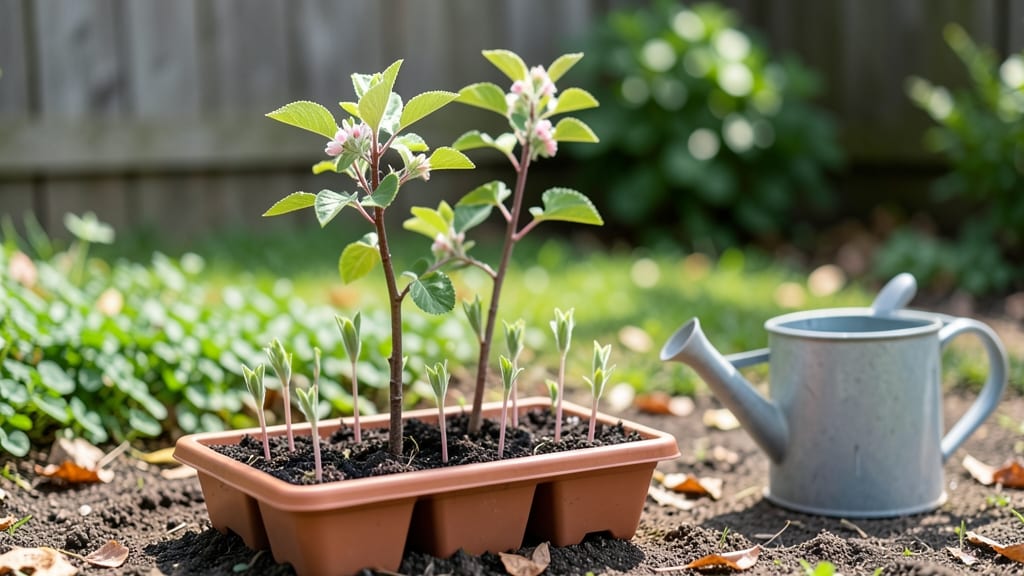
Growing fruit trees from seed means you could be eating homegrown apples or peaches decades from now—if you’re willing to wait.
I’ve started seeds for avocado, fig, and even citrus indoors, and while it’s a long game, there’s something magical about watching a tiny seed become a tree that bears fruit you’ll never find in stores.
The key is picking seeds from heirloom or open-pollinated varieties—they’re more likely to grow true to type than store-bought fruit. You’ll need a warm spot, some patience, and a way to keep seedlings cozy until they’re ready for the ground.
My first attempt took eight months just to get a sturdy sapling, but that’s part of the adventure.
By year three, you’ll have a small tree with real potential—though fruit may not appear for 5-10 years. The payoff? A tree that’s uniquely yours, resistant to common diseases, and adapted to your climate. Plus, the journey teaches you more about plant biology than any textbook ever could.
This method works best for tropical and subtropical varieties indoors, but even temperate trees like apples can start this way—just be prepared for slower growth. Let’s get those seeds sprouting!
📚 In This Guide
- What you need
- Instructions
- Tips and common mistakes
- Wrapping up and next steps
What you need
- ● Seeds: Fresh, viable fruit seeds (e.g., avocado, citrus, apple, or mango). Pro tip: 💡 Choose organic or homegrown seeds for better germination rates!
- ● Containers: Small pots (4–6 inches in diameter) with drainage holes for seedlings.
- ○ Larger pots (10+ inches) for mature saplings (optional but recommended).
- ● Growing Medium: Well-draining potting mix (e.g., cactus/succulent mix or a blend of peat, perlite, and vermiculite).
- ○ Optional: Seed-starting mix for faster germination.
- ● Watering Tools: Spray bottle (for gentle seedling hydration).
- ● Watering can with a fine rose (for established plants).
- ○ Heat & Humidity: Heat mat (optional but helpful for tropical seeds like avocado).
- ● Plastic wrap or humidity dome (to retain moisture during germination).
- ● Light Source: Grow lights (LED or fluorescent) or a sunny windowsill (south-facing preferred).
- ● Fertilizer: Balanced, water-soluble fertilizer (e.g., 10-10-10) for seedlings after sprouting.
- ● Toothpicks or chopsticks (to prop up avocado pits during germination).
- ● Pruning shears (for trimming leggy seedlings).
- ● pH testing kit (to monitor soil acidity, especially for citrus).
- ● Trellis or support stakes (as the tree grows taller).
- ● Label markers (to track seed varieties!).
How to grow fruit trees from seed indoors
Here's the straightforward method I've used to grow hardy citrus and stone fruit from seed—no fancy tools needed.
🌱 Step 1: Select and Prepare Your Seeds
Choose seeds from organic, fresh fruit—avoid store-bought varieties treated to prevent sprouting. Citrus seeds germinate best, while stone fruits like peaches or plums take longer. Let seeds dry completely for 24 hours after washing to prevent mold. Place them in a paper towel, dampen lightly, and fold into a loose packet. Keep in a warm spot (70-75°F) until you see tiny white roots—usually 7-14 days.
Real talk: Some seeds won't sprout. Don't stress—just pick the ones with ¼-inch roots and move forward. I've found that citrus seeds often sprout faster than stone fruit, so patience is key here. Once you see roots, you're ready for the next step.
🪴 Step 2: Plant in Well-Draining Soil Mix
Use a sterile seed-starting mix (never garden soil—it's too dense). Fill small pots (3-4 inches deep) with the mix, leaving ½ inch from the rim. Make a ¼-inch deep hole in the center, place the rooted seed with the white root facing down, and cover lightly. Press gently but don't compact the soil—you want it loose enough for tender roots to grow.
Water until moisture reaches the bottom of the pot, but avoid soggy soil. You'll know it's right when water runs through the drainage hole without pooling. Place the pots in a bright, indirect light spot—like a sunny windowsill—but avoid direct sun until seedlings emerge. This prevents the soil from drying out too quickly.
☀️ Step 3: Provide Warmth and Gradual Light Exposure
Keep the soil consistently moist but not wet—top inch dry to touch is your cue to water again. A seedling heat mat speeds up growth, but a sunny windowsill works too. Once first true leaves appear (not the initial seed leaves), move the seedlings to 4-6 hours of morning sun daily. This prevents leggy growth and encourages sturdy stems.
Here's the thing—young seedlings are fragile. If leaves yellow or wilt, you're either overwatering or underwatering. Check the soil moisture before reacting. After 4-6 weeks, when seedlings have 3-4 sets of leaves, you can start fertilizing lightly with a balanced, water-soluble fertilizer (half-strength).
⏰ Step 4: Transplant and Train for Indoor Growth
Once seedlings reach 6 inches tall, transplant them into 5-gallon pots with fresh potting mix. This gives roots room to grow without crowding. Prune leggy stems back by ⅓ to encourage bushier growth. Place in a south-facing window or under grow lights (12-14 hours daily)—fruit trees need plenty of light to thrive indoors.
This is the moment that matters: If you want fruit, you'll need to hand-pollinate flowers later. But first, focus on strong growth. Water deeply when the top 2 inches of soil feel dry, and rotate the pot weekly so the tree grows straight. Avoid drafts—fruit trees hate sudden temperature swings.
🌿 Step 5: Maintain and Encourage Fruit Production
After 1-2 years, your tree may flower. If it does, use a soft paintbrush to transfer pollen between flowers for pollination. Keep the soil consistently moist but well-draining. If leaves drop or turn yellow, it's usually a sign of overwatering or nutrient deficiency. Adjust your care routine and monitor closely.
Fruit trees grown from seed take years to bear fruit, but the process is rewarding. Be patient—some varieties may never fruit indoors, but the lush foliage makes up for it. With consistent care, you'll have a thriving, low-maintenance tree that brightens any space.
Tips & tricks for growing fruit trees from seed indoors
Here's what I wish I knew when I first tried growing fruit trees from seed—these tricks will help you avoid common pitfalls and get the best results.
Seed Selection Matters: Not all seeds are created equal. Citrus seeds like orange or lemon germinate faster (usually within 7-14 days), while stone fruit seeds like peach or plum can take 2-3 weeks. Here's the thing: if your seeds don't sprout within 3 weeks, they might not be viable—don't waste time waiting. I've found that seeds from organic, fresh fruit work best, so skip those store-bought varieties treated to prevent sprouting.
Create the Perfect Germination Environment: The warm spot (70-75°F) mentioned in Step 1 is crucial. I learned this the hard way—my first batch failed because my kitchen was too cool. Try placing the paper towel packet near a sunny window or on top of a refrigerator. If you don't have a warm spot, a seedling heat mat (around $10) makes all the difference. Just don't overdo it—keep it consistently warm, not hot.
Light Exposure is Critical: In Step 3, those 4-6 hours of morning sun are non-negotiable. I see beginners make the mistake of moving seedlings to direct sunlight too soon, which can scorch young leaves. Start with bright, indirect light, then gradually increase exposure. If you're using grow lights, 12-14 hours daily mimics natural sunlight perfectly. Remember, seedlings need light to grow strong stems—not just leaves.
Transplanting Tips: When your seedlings reach 6 inches tall, don't rush the transplant to 5-gallon pots. I recommend waiting until they have 5-6 sets of leaves for better shock resistance. And here's a pro move: water the seedlings thoroughly the day before transplanting. This keeps roots hydrated during the move and gives you a better chance of success. After transplanting, keep them in a shaded spot for 3-4 days to help them adjust.
Pro Tips for Growing Fruit Trees From Seed
- Here's what I wish I knew when I first tried growing fruit trees from seed—these tricks will help you avoid common pitfalls and get the best results.
- Seed Selection Matters: Not all seeds are created equal.
- Create the Perfect Germination Environment: The warm spot (70-75°F) mentioned in Step 1 is crucial.
Frequently asked questions
Got questions about growing fruit trees from seed? You’re not alone—this process can feel mysterious, but with the right know-how, you’ll be well on your way to nurturing your own edible greens! Here are answers to the most common queries:
How long does it take for a fruit tree grown from seed to bear fruit?
Patience is key! Most fruit trees grown from seed take 5–10 years to bear fruit, compared to 2–3 years for grafted trees. Varieties like avocado or citrus may fruit faster (3–5 years), but apples or stone fruits often need more time. Pro tip: If you’re eager for fruit, consider grafting later or buying a young sapling instead!
Can I grow fruit trees from seed indoors year-round?
Yes, but it depends on the variety. Citrus, avocado, and fig trees thrive indoors with proper light (grow lights help!). However, apples, pears, and stone fruits need cold stratification (a winter chill) to break dormancy. For these, start seeds outdoors in fall or use a fridge for stratification before indoor growth. Pro tip: A sunny windowsill or greenhouse mimics ideal conditions!
Why aren’t my seed-grown trees producing the same fruit as the parent?
Fruit trees grown from seed are not genetically identical to the parent—this is called variability. Traits like size, flavor, and disease resistance can differ. For consistent fruit (e.g., Honeycrisp apples), grafting is the way to go. But if you’re okay with surprises, seed-grown trees can yield delicious, unique varieties! Pro tip: Save seeds from your favorite fruits to experiment.
What’s the best way to speed up germination?
Pre-treatment boosts success! For seeds needing stratification (like apples or cherries), soak them in water for 24 hours, then refrigerate in a damp paper towel for 4–8 weeks. Tropical seeds (avocado, mango) sprout faster if scarified (nick the seed coat) or soaked in warm water. Pro tip: Use a seedling heat mat to keep soil warm (70–80°F) for faster sprouting!
Can I grow fruit trees from store-bought fruit seeds?
Just avoid hybrid fruits (e.g., grocery-store apples or peaches), as their seeds may not grow true. Opt for heirloom or open-pollinated varieties (like Granny Smith apples or navel oranges). Pro tip: Clean seeds thoroughly to prevent mold, and use a well-draining soil mix for best results.
Wrapping up and next steps
Growing fruit trees from seed is a rewarding journey that blends patience with the joy of nurturing life. While it may take years for your seedling to bear fruit, the process is worth every moment—especially when you witness the first blossoms or harvest homegrown treats!
Start small, stay consistent, and don’t hesitate to experiment with low-maintenance varieties like citrus or avocado.
Ready to take the next step? Research local climate zones or join gardening communities for tips tailored to your space. Happy growing—your future orchard awaits! 🌱🍊