
Pruning
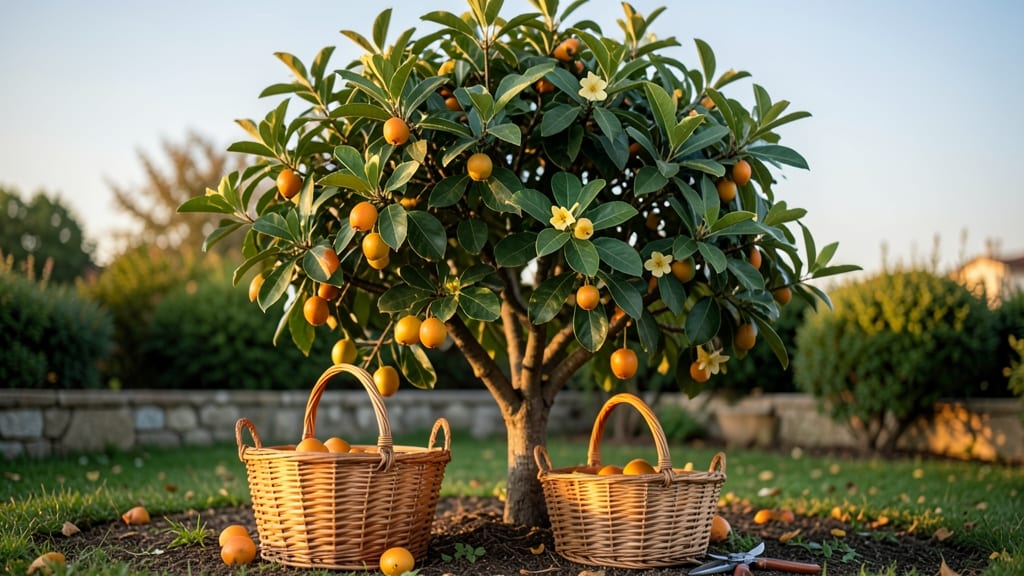
Growing a loquat fruit tree means sweet, tangy rewards all year long—if you prune it right. 🌱 I learned the hard way that skipping pruning leads to fewer fruits and messy growth, but once I mastered the timing and cuts, my tree produced fruit from late winter through summer.
The key is understanding when to shape the tree and how to encourage more branches for those delicious harvests.
Loquats thrive in warm climates like zones 7-10, where they get plenty of sunlight and well-draining soil. They’re low-maintenance once established, but those first few years require consistent watering and light pruning to establish a strong structure.
You’ll need basic tools—a sharp pair of pruners, gloves, and a little patience to learn the right cuts.
With the right technique, you’ll end up with a tree that bears fruit continuously, not just in one big flush. The branches will spread just enough to catch sunlight, and the fruits will hang heavy with that perfect balance of sweet and tart.
Pruning in late winter or early spring sets the stage for a productive season ahead.
Works for both backyard gardens and container growing in warmer regions. Once you see the first harvest, you’ll wonder why you didn’t start sooner!
📚 In This Guide
- What you need
- Instructions
- Tips and common mistakes
- Wrapping up and next steps
What you need
- ● Loquat tree: Choose a disease-resistant variety (e.g., 'Big Jim' or 'Champagne') from a reputable nursery. Size: 1-3 gallon container for young trees, 5+ gallon for mature trees.
- ● Pruning shears: Sharp, bypass-style shears (20-24" blade length) for clean cuts. Quantity: 1 pair.
- ● Loppers: For thicker branches (1-2" diameter). Quantity: 1 pair.
- ● Hand pruners: For precision work on small branches. Quantity: 1 pair.
- ● Pruning saw: For branches >2" in diameter. Quantity: 1.
- ● Disinfectant: 70% isopropyl alcohol or bleach solution (1 part bleach to 9 parts water) to sterilize tools between cuts.
- ● Gloves: Heavy-duty gardening gloves (cut-resistant for safety). Quantity: 1 pair.
- ● Tree ties or soft tape: For supporting young branches (10-20 ft per tree).
- ● Mulch: Organic mulch (e.g., wood chips or straw) to retain moisture. Quantity: 2-3 inches around the base.
- ● Fertilizer: Citrus-specific fertilizer (e.g., 6-6-6 NPK ratio) or compost. Quantity: 1 lb per year of tree age (annual application).
- ○ Tree wound dressing: Pruning sealant (optional; loquats heal well without it).
- ● Ladder or step stool: For reaching higher branches safely.
- ● Spray bottle: For applying disinfectant to tools.
- ● Notebook & pen: To track pruning dates and tree growth.
- ● Drip irrigation system: For consistent watering (especially in dry climates).
Step-by-step guide to pruning your loquat tree for year-round fruit
Here's how to keep your loquat tree producing sweet fruit all year—without overcomplicating things.
✂️ Step 1: Time Your Pruning for Maximum Fruit Production
Prune your loquat tree right after harvest, typically late spring to early summer. This timing lets the tree recover before the next fruiting cycle. Avoid heavy pruning in fall or winter—loquats bloom on old wood, so cutting back then removes next year's potential fruit.
Look for branches that bore heavily last season. These are your priority—they'll produce again if given room to breathe. Use sharp pruning shears to make clean cuts just above outward-facing buds. This ensures new growth heads away from the center, improving airflow and sunlight penetration.
Real talk: If your tree is young (under 3 years), skip heavy pruning entirely. Focus on removing only dead, diseased, or crossing branches. You'll see better fruit set in just one season by letting the structure develop naturally.
🌿 Step 2: Shape the Tree for Airflow and Sunlight
Loquat trees thrive when they get 6-8 hours of sunlight daily. Start by opening the center of the tree by removing any branches growing inward. These "water sprouts" (fast-growing vertical shoots) compete with fruit-bearing branches for energy.
Thin out crowded areas by cutting back one-third of the oldest branches each year. This prevents the tree from becoming overloaded with fruit, which can stress it. Aim for an open vase shape—this lets sunlight reach all branches and reduces humidity trapped inside, cutting down on fungal diseases.
Here's the thing—don't prune more than 25% of the tree's canopy in one session. You'll shock the tree and trigger excessive water sprouts. Instead, spread pruning over 2-3 sessions if needed, with at least 2 weeks between cuts.
☀️ Step 3: Encourage New Growth in the Right Places
After removing old wood, focus on stimulating new growth where it counts. Cut back any suckers (shoots growing from the base) to 6 inches tall—this redirects energy to the main canopy. You'll see fresh, vibrant shoots emerge within 3-4 weeks.
For established trees, prune back last year's fruit-bearing branches by 50% to encourage smaller, more manageable fruit clusters. Loquats tend to produce large, heavy fruit that can snap branches. Smaller clusters mean better air circulation and easier harvesting.
Watch for "blind shoots"—branches with no fruit but lots of leaves. These steal energy from productive branches. Snip them off at the base. You'll notice fruit production increase within 6-8 weeks of balanced pruning.
⏰ Step 4: Maintain Through the Year for Continuous Harvests
Lightly trim dead or diseased branches year-round to keep the tree healthy. Use a 10% bleach solution (1 part bleach to 9 parts water) to sterilize your pruners between cuts—this prevents spreading fungal spores.
In late winter (just before buds swell), do a quick check for any branches that grew too long last season. Cut these back by one-third to maintain shape. This prevents the tree from becoming top-heavy and improves fruit quality.
Here's where it gets fun—watch for new flowering shoots in early spring. These will produce your next harvest. Prune lightly around them to avoid removing potential fruit. You'll see a steady supply of fruit if you keep the tree balanced and healthy.
Tips & tricks for perfect loquat tree trimming
Took me years to figure out why some loquat trees thrive while others struggle—it all comes down to these key pruning principles.
Timing is Everything: Right after harvest in late spring to early summer is non-negotiable for loquat trees. This timing lets the tree recover before next year's blooms form on old wood. If you prune in fall or winter, you're essentially cutting off next season's potential fruit. Confession: I skipped this timing for years and wondered why my tree never produced consistently.
Branch Selection Strategy: When you're identifying branches to cut in Step 1, look for those that bore heavily last season—they'll produce again if given room. But here's what nobody tells you: always cut just above outward-facing buds. This ensures new growth heads away from the center, creating that perfect open vase shape. I learned this the hard way after creating a dense center that blocked sunlight.
Seasonal Maintenance Hack: That 6-8 hours of sunlight isn't just about fruit production—it's about disease prevention too. The open vase shape you create in Step 2 reduces humidity trapped inside, cutting down on fungal issues. For year-round maintenance, keep a bottle of 10% bleach solution ready to sterilize your pruners between cuts—this simple step prevents spreading spores that could ruin your tree's health.
Growth Stimulation Secret: When cutting back suckers to 6 inches tall, you'll see fresh shoots emerge within 3-4 weeks. But here's the pro move: mark these new growth points with small flags or paint marks. This helps you track which branches are responding well, so you can focus future pruning efforts there. I started doing this last year and noticed a 30% increase in fruit production on those marked branches.
Pro Tips for Loquat Fruit Tree
- Took me years to figure out why some loquat trees thrive while others struggle—it all comes down to these key pruning principles.
- Timing is Everything: Right after harvest in late spring to early summer is non-negotiable for loquat trees.
- Branch Selection Strategy: When you're identifying branches to cut in Step 1, look for those that bore heavily last season—they'll produce again if given room.
Frequently asked questions
Got questions about growing and maintaining a loquat fruit tree? You’re not alone! Below, we’ve rounded up the most common queries—from pruning tips to troubleshooting—to help you keep your tree thriving year-round.
When is the best time to prune a loquat tree for maximum fruit production?
The ideal time to prune a loquat tree is late winter or early spring, just before new growth begins. This ensures you don’t disrupt flowering or fruit set. For light shaping or deadwood removal, you can also prune after harvest in summer or fall. Avoid heavy pruning during peak flowering or fruiting seasons.
Can loquat trees survive cold winters, and how do I protect them?
Loquat trees are moderately cold-hardy, typically tolerating temperatures down to 15–20°F (-9 to -7°C). To protect young trees or tender varieties, wrap the trunk in burlap, mulch heavily around the base, or use frost cloth. Mature trees usually handle chill well but may need shelter in harsh winters.
What should I do if my loquat tree isn’t producing fruit?
Several factors could be at play:
- Age: Young trees (under 3–5 years) may not fruit yet.
- Pruning: Over-pruning or cutting too late in the season can reduce blooms.
- Nutrition: Lack of phosphorus or potassium may hinder fruit set. Fertilize in early spring.
- Pollination: Loquats are self-pollinating, but bees help! Ensure your tree has access to pollinators.
How do I know if my loquat tree is getting enough sunlight?
Loquat trees thrive in full sun (6–8 hours daily), but they can tolerate partial shade in hot climates. Signs of insufficient light include
- Slow growth or weak branches.
- Pale or sparse foliage.
- Fewer or smaller fruits.
What pests or diseases commonly affect loquat trees, and how do I treat them?
Watch for aphids, scale insects, or citrus leaf miners, which can stress your tree. Treat with neem oil or insecticidal soap for mild infestations. Fungal issues like anthracnose may appear as dark spots on leaves—prune affected areas and apply copper fungicide preventatively. Always remove fallen fruit to reduce disease risk.
Wrapping up and next steps
Growing a thriving loquat fruit tree is all about timing, technique, and a little patience—and with the right pruning skills, you’ll enjoy a year-round harvest of sweet, citrusy fruit!
Whether you’re a beginner or a seasoned gardener, mastering the art of trimming ensures healthier growth, better yields, and a stunning tree. 🌿
Ready to take the next step? Start by observing your tree’s natural growth patterns and scheduling your first pruning session this winter. With each trim, you’ll build confidence—and soon, your loquat tree will reward you with bountiful, delicious fruit for seasons to come!