
Trees
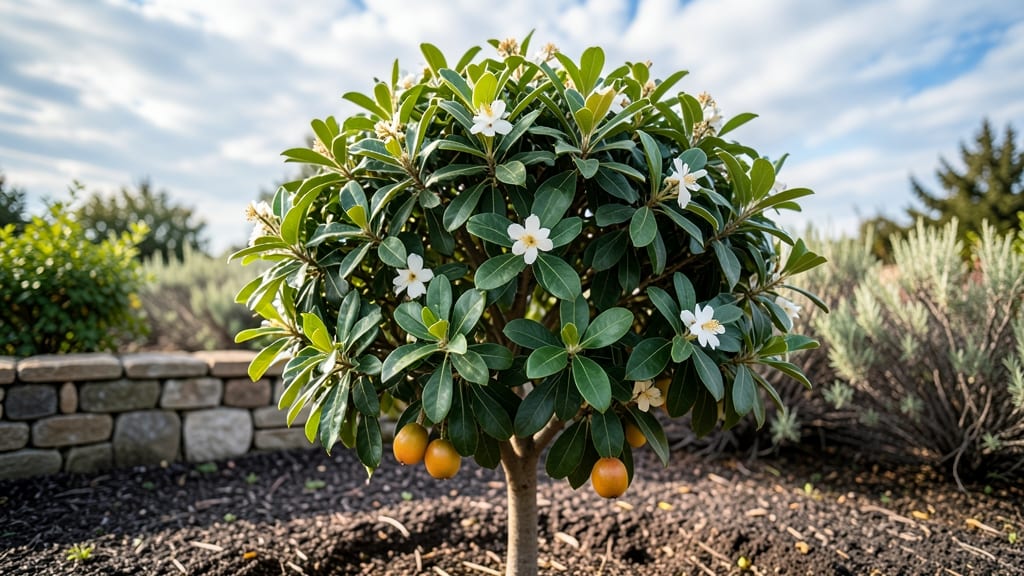
Loquat tree care starts with understanding this subtropical treasure thrives where winters stay above 20°F—and that’s exactly where the magic happens. 🌿 I’ve watched my loquat go from a scraggly sapling to a fruit-bearing powerhouse by mastering its quirks: pruning at the right time, feeding it just enough water, and shielding it from late frosts.
The payoff? Sweet, citrusy fruit that ripens in late winter, when most gardens are still dormant.
Your loquat needs well-draining soil (think sandy loam mixed with compost) and a spot with full sun to partial shade—morning sunlight is ideal in hot climates. Water deeply once a week during dry spells, but never let it sit in soggy soil.
The key to fruit production is light pruning after harvest to open the canopy for sunlight, plus a winter trim to shape the tree and remove dead wood before buds swell in spring.
With proper care, you’ll see vibrant green foliage year-round and a bounty of fruit by early spring. The trees handle heat and humidity beautifully but need protection from strong winds.
Once established, they’re surprisingly low-maintenance—just watch for scale insects and fungal spots, which respond well to neem oil or copper sprays when caught early.
Whether you’re in Zone 9-11 or a cooler microclimate with winter protection, these basics keep loquats productive for decades. The first year is about getting the soil and water right; after that, it’s mostly about timing your pruning and enjoying the harvest. Let’s get that tree thriving!
📚 In This Guide
- What you need
- Instructions
- Tips and common mistakes
- Wrapping up and next steps
What you need
- ● Loquat Tree: Choose a healthy Eriobotrya japonica sapling (3–5 gallons) or mature tree (15+ gallons), depending on your space. Nursery-grown is ideal!
- ● Well-Draining Soil: 50% native soil
- ● 30% compost or aged manure
- ● 20% perlite or coarse sand (for drainage)
- ● Fertilizer: Balanced 10-10-10 or citrus-specific fertilizer (e.g., Espoma Citrus-Tone). Start with 1–2 lbs per 100 sq ft in early spring.
- ● Mulch: 2–3 inches of organic mulch (e.g., wood chips or straw) to retain moisture and regulate soil temp.
- ● Pruning Tools: Bypass pruners (for small branches)
- ● Loppers (for thicker branches, ¾"–2")
- ● Pruning saw (for branches >2")
- ● Watering Supplies: Drip irrigation system or soaker hose (for deep, slow watering)
- ● Watering can (for young trees)
- ○ Support Stakes (Optional): 2–3 wooden stakes + soft ties for young trees in windy areas.
- ● Cold Climates (Zones 8–9): Frost cloth or burlap wraps for young trees
- ● Anti-desiccant spray (e.g., Wilt-Pruf) in winter
- ● Hot/Dry Climates (Zones 10+): Shade cloth (30–50%) for young trees
- ● Drought-resistant mulch (e.g., gravel)
- ● Test your soil’s pH (ideal: 5.5–6.5). Adjust with lime or sulfur if needed.
- ● For container growing, use a 15+ gallon pot with drainage holes.
- ● Sterilize pruning tools with rubbing alcohol to prevent disease.
Step-by-Step guide to year-round loquat tree maintenance
Here's how to keep your loquat tree lush, productive, and resilient through every season.
🌿 Step 1: Prune for Shape and Fruit Production
Start pruning in late winter or early spring before new growth begins. Remove any dead, diseased, or crossing branches first—these compete with healthy growth and reduce fruit quality. I always start with the 3 D's: dead, damaged, and diseased wood. Use clean, sharp pruning shears to make cuts just above a bud or branch collar.
Next, thin out crowded branches to improve airflow and sunlight penetration. Aim for an open center that lets light reach the inner canopy. Loquat trees respond well to selective pruning—never remove more than 25% of the canopy in one season. You'll see new growth emerge within 4-6 weeks of pruning, signaling the tree is recovering.
☀️ Step 2: Adjust Care for Seasonal Climate Shifts
Loquat trees thrive in USDA zones 7-11, but their care shifts with the seasons. In summer, ensure they receive full sun (6+ hours daily) and water deeply 2-3 times per week—until the top 6 inches of soil feels moist. Mulch with 2-3 inches of organic mulch to retain moisture and regulate soil temperature. Watch for signs of stress like wilting leaves or fruit drop; these often mean underwatering or heat stress.
In cooler months, reduce watering to once every 10-14 days unless you're in a frost-prone zone. Here's the thing—loquat trees are semi-dormant in winter, so overwatering can suffocate roots. If temperatures dip below 20°F, protect young trees with frost cloth or move potted specimens to a sheltered spot. You'll notice new buds forming in late winter, which means the tree is preparing for spring growth.
💧 Step 3: Fertilize and Monitor for Pests
Apply a balanced 10-10-10 fertilizer in early spring and again after harvest to support fruit production. I like to work it into the top 3 inches of soil around the drip line, avoiding direct contact with the trunk. Over-fertilizing causes salt buildup, which burns roots—so follow package rates precisely. After fertilizing, water deeply to help nutrients penetrate the soil.
Keep an eye out for common pests like aphids or scale insects, which thrive on new growth. I spray affected areas with neem oil or insecticidal soap at the first sign of infestation. Healthy loquat trees rarely struggle with pests, but early intervention prevents outbreaks. You'll know your tree is thriving when it produces bright green leaves and abundant fruit without visible damage.
⏰ Step 4: Harvest and Prepare for Next Season
Loquats ripen in late winter or early spring, depending on your climate. Harvest when fruit is slightly soft to the touch and changes color from green to yellow or orange. I pick them in the morning when temperatures are cool—this preserves their sweetness. Avoid shaking branches, as this can damage the fruit or harm the tree. Instead, gently twist each fruit until it separates cleanly from the stem.
After harvest, clean up fallen leaves and fruit to reduce disease risk. This is also the time to plan next year's pruning and fertilizing schedule. If your tree is young, consider staking it to support new growth. You'll see stronger branches and more fruit in the following season if you address structural needs now. Store harvested loquats in the fridge for up to 2 weeks to enjoy their tropical flavor all year.
Tips & tricks for perfect loquat tree care
Took me a while to figure these out, so here goes—your loquat tree will thank you.
Pruning Precision: When you're removing those 25% of branches in Step 1, focus on creating an open vase shape rather than a dense canopy. This isn't just about aesthetics—it lets sunlight reach all parts of the tree, which is crucial for fruit development. I always make my cuts at a 45-degree angle just above a bud, about 1/4 inch from the branch collar. This promotes faster healing and prevents water from pooling at the cut site.
Seasonal Watering Strategy: The 2-3 times per week summer watering in Step 2 works best when done in the early morning. This gives the roots time to absorb moisture before the heat of the day. I check soil moisture by sticking my finger 2-3 inches down—if it feels dry, that's when I water. In winter, when you reduce to every 10-14 days, consider using a moisture meter for accuracy, especially in containers where roots can dry out faster.
Frost Protection Hack: For that critical 20°F threshold in Step 2, I've found that wrapping young trees with frost cloth before temperatures drop is more effective than waiting until after the frost warning. The cloth creates a microclimate that can raise temperatures by 5-10 degrees. For potted trees, move them to a sheltered spot like against a south-facing wall where they'll benefit from reflected sunlight during the day and warmth from the building at night.
Harvesting Tip: That morning harvest time in Step 4 isn't just about cool temperatures—it's also when fruit is at its peak firmness. I've learned to harvest in stages, picking just a few fruits every 2-3 days as they ripen. This prevents overloading branches and gives you a steady supply. Store any unripe fruit at room temperature—they'll continue ripening slowly, while ripe ones go straight to the fridge to extend their shelf life.
Pro Tips for Loquat Tree Care
- Took me a while to figure these out, so here goes—your loquat tree will thank you.
- Pruning Precision: When you're removing those 25% of branches in Step 1, focus on creating an open vase shape rather than a dense canopy.
- Seasonal Watering Strategy: The 2-3 times per week summer watering in Step 2 works best when done in the early morning.
Frequently asked questions
Got questions about keeping your loquat tree happy? You’re not alone!
Here are the most common concerns—plus expert answers to help you grow a thriving tree with minimal stress.
What’s the best climate for a loquat tree?
Loquat trees love warm, subtropical climates (USDA Zones 8–10). They thrive in mild winters (above 15°F/-9°C) and hate frost or extreme heat. If you’re in a colder zone, plant near a sun-drenched wall or use frost cloth in winter. Pro tip: Young trees need extra winter protection!
When should I prune my loquat tree?
Prune in late winter or early spring (before buds swell) to shape the tree and encourage fruit production. Avoid heavy pruning after harvest—it stresses the tree. Light trimming can happen year-round to remove dead branches, but never prune during fruit ripening (it reduces yield).
Why aren’t my loquat tree’s fruits ripening?
Unripe fruit often means too much shade, poor pollination, or over-fertilizing with nitrogen. Ensure your tree gets 6+ hours of sun daily and hand-pollinate with a small brush if bees are scarce. Balance is key: Use a low-nitrogen, high-potassium fertilizer in spring to boost fruiting.
How do I deal with pests like aphids or scale insects?
Start with a hose-down to dislodge soft-bodied pests (aphids, spider mites). For stubborn infestations, use neem oil or insecticidal soap—apply in early morning to avoid harming bees. Prevention tip: Encourage ladybugs (natural predators) by planting companion flowers like marigolds!
Can I grow a loquat tree in a container?
Yes! Use a large pot (15+ gallons) with drainage holes and well-draining soil. Dwarf varieties (like ‘Big Jim’) are ideal. Key tip: Move pots indoors or to a sheltered spot if temps drop below 30°F (-1°C). Repot every 2–3 years and water deeply when the top 2 inches of soil dry out.
Wrapping up and next steps
Caring for your loquat tree is a rewarding journey that blends patience, precision, and a touch of climate savvy! 🌿 With the right pruning techniques—like thinning for airflow and shaping for sunlight—and a keen eye on seasonal needs, your tree will thrive year-round.
Whether you’re battling heat, frost, or pests, remember: consistency is your best friend.
Ready to watch your loquat tree flourish? Start small—pick one pruning session this week and observe the changes. Soon, you’ll be harvesting sweet, fragrant fruit and basking in the pride of a well-tended tree. Happy growing! 🌟