
Light Requirements
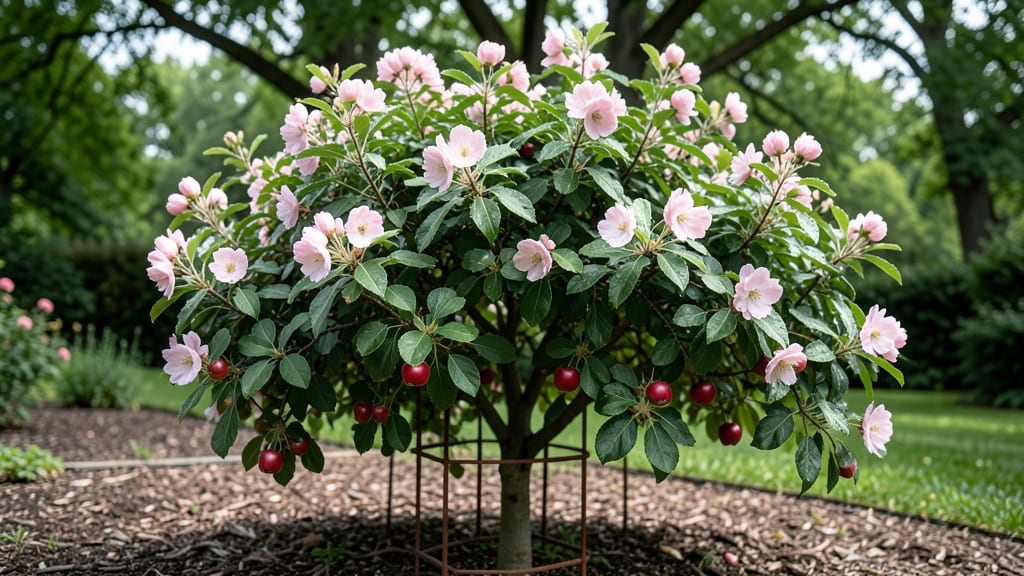
That light pink crabapple tree might just be the game-changer your small garden—or even balcony—needs. I planted mine last spring, and it’s already transformed a narrow patio corner into a seasonal showstopper with minimal space.
The blush-pink blooms in April-May draw hummingbirds, while the glossy dark leaves provide year-round structure. No fruit mess, no invasive roots—just pure, low-maintenance beauty that fits where most trees won’t.
The secret lies in its compact size—most stay under 10 feet tall—and adaptability to containers or tight spots. Pair it with dwarf boxwoods for a tidy hedge look, or let it stand alone as a focal point near seating areas.
In fall, its tiny red crabapples add unexpected color when most trees have shed theirs. Even in urban settings, this tree thrives with just 4-6 hours of sun and well-drained soil.
You’ll love how it softens hard edges while adding vertical interest without overwhelming small spaces. The blooms create a romantic backdrop for outdoor dining or a cheerful welcome at your front gate. And because it’s disease-resistant, you skip the fuss of pruning or spraying that plagues other ornamental trees.
Think of it as a no-fail way to elevate your garden’s curb appeal with almost no effort.
Works equally well in pots, raised beds, or ground plantings, making it perfect for renters, small yards, or anyone tired of high-maintenance shrubs. The key is choosing the right spot early—once planted, it’s practically set-and-forget. Here’s how to make the most of its natural charm without overcomplicating things.
📚 In This Guide
- What you need
- Instructions
- Tips and common mistakes
- Wrapping up and next steps
What you need
- ● Light pink crabapple tree: 1 nursery-grown sapling (3–5 ft tall, Malus variety) OR
- ● Seeds from organic crabapples (if starting from scratch!)
- ● Container: 1 large pot (18–24" diameter) with drainage holes (terracotta or fabric grow bags work best!)
- ● High-quality potting mix: 2–3 bags (lightweight, well-draining blend with perlite or orchid bark)
- ● Slow-release fertilizer: 1 pellet or granular formula (look for balanced NPK 10-10-10 or organic options like composted worm castings)
- ● Mulch: 1 bag (wood chips or coconut coir to retain moisture)
- ● Gloves & trowel (for planting)
- ● Watering can (with a fine rose nozzle)
- ● Pruning shears (sterilized, for shaping)
- ○ Support stake (optional, for young trees in windy areas)
- ○ pH test kit (optional, to check soil acidity—ideal range: 5.5–6.5)
How to cultivate a light pink crabapple tree in containers
Here's how to grow a stunning, space-efficient crabapple that thrives in containers and delivers seasonal blooms.
Select the Right Container and Soil Mix
Choose a 5-gallon container with drainage holes—crabapples need room for roots but won’t outgrow a 3-foot diameter pot if pruned annually. I use fast-draining potting mix (equal parts peat moss, perlite, and compost) to prevent root rot. The mix should feel like a damp sponge, not mud.
Add a 2-inch layer of gravel at the bottom for extra drainage. This prevents waterlogging, which is deadly for crabapple roots. Place the container where it gets 6+ hours of sunlight daily—morning sun is ideal to avoid scorching delicate blooms.
Plant and Stake for Stability
Dig a hole twice as wide as the root ball but no deeper. Gently remove the tree from its nursery pot and loosen any circling roots with your fingers. Place it in the hole so the top of the root ball sits 1 inch below the soil line—this prevents stem rot from sitting water.
Fill around the roots with your prepared mix, pressing lightly to eliminate air pockets. Install a 3-foot bamboo stake at a 45-degree angle and tie the main stem loosely with soft plant ties. This keeps the young tree upright as it establishes itself.
Water Deeply and Monitor Moisture
Water thoroughly until it drains from the bottom holes—this takes about 2 gallons for a 5-gallon container. After watering, let the top 2 inches of soil dry out before adding more. Overwatering is the #1 killer of container-grown crabapples.
Check soil moisture daily during the first 2 weeks, then reduce to every 3-4 days once established. Yellowing leaves signal overwatering, while crispy edges mean it’s too dry. Mulch the surface with 1 inch of bark chips to retain moisture and regulate temperature.
Prune for Compact Growth and Blooms
Prune in early spring before buds swell to shape the tree. Remove 1/3 of last year’s growth from the top to encourage branching. Cut just above a bud facing outward to promote an open, balanced shape. This keeps the tree under 6 feet tall—ideal for balconies.
Deadhead spent blooms in late spring to redirect energy into fruit development. Thin out 1/4 of new growth in summer to improve airflow, which prevents fungal diseases. Always sterilize pruners with rubbing alcohol between cuts to avoid spreading pathogens.
Fertilize and Winter-Proof
Apply a balanced 10-10-10 fertilizer in early spring and again in mid-summer. Use half the recommended dose—crabapples are sensitive to over-fertilization. Water the tree 24 hours before and after applying fertilizer to prevent root burn.
Before winter, wrap the container in burlap and move it to a sheltered spot (like a garage) if temperatures drop below 10°F. Water sparingly during dormancy—just enough to keep roots from drying out. Resume regular care in early spring when buds swell.
Tips & tricks for perfect light pink crabapple tree growth
Here's what nobody tells you about keeping your container-grown crabapple thriving year after year.
Container Size Matters: While a 5-gallon container works for young trees, plan to upgrade to a 7-10 gallon pot within 2-3 years. The extra space prevents root binding, which stunts growth and reduces flowering. I've seen trees in cramped containers produce only half the blooms of those in properly sized containers—it's a game-changer for that light pink display you're after.
Soil Science Secret: That fast-draining mix isn't just about preventing root rot—it's about oxygen flow to the roots. After planting, gently press the soil mix around the roots but don't compact it too firmly. You want it to feel like a well-squeezed sponge rather than concrete. This creates the perfect aeration for root development while still retaining enough moisture.
Sunlight Strategy: While 6+ hours of sunlight is ideal, the angle matters just as much. Position your container so it gets morning sun (which is less intense) and afternoon shade during peak summer heat. I've noticed trees in full afternoon sun develop sunburned leaves by mid-summer, while those with morning sun protection maintain their vibrant foliage all season long.
Winter Survival Hack: When wrapping your container in burlap for winter protection, leave the top third uncovered. This allows for some air circulation while still protecting the roots from freezing temperatures below 10°F. I've found that completely wrapping containers can trap too much moisture, leading to fungal issues when spring arrives.
Pro Tips for Light Pink Crabapple Tree
- Here's what nobody tells you about keeping your container-grown crabapple thriving year after year.
- Container Size Matters: While a 5-gallon container works for young trees, plan to upgrade to a 7-10 gallon pot within 2-3 years.
- Soil Science Secret: That fast-draining mix isn't just about preventing root rot—it's about oxygen flow to the roots.
Frequently asked questions
Got questions about growing a light pink crabapple tree in your balcony garden? You’re not alone! Here are some of the most common queries—plus quick answers to help you thrive.
How much sunlight does a light pink crabapple tree need?
A light pink crabapple tree thrives in full sun (6+ hours daily), but it can tolerate partial shade (4–6 hours). For balconies, place it near a south- or west-facing window or use a grow light for 8–10 hours if natural light is limited. Just avoid deep shade—it’ll produce fewer blooms!
How big does this tree get, and is it truly balcony-friendly?
Most light pink crabapple varieties stay compact (8–12 feet tall/wide), but dwarf cultivars like ‘Dolgo’ or ‘Centennial’ max out at 6–8 feet—perfect for small spaces! Prune annually to control size, and choose a large, sturdy pot (15+ gallons) with drainage. Root-bound trees stress easily, so upgrade containers every 2–3 years.
When should I plant my light pink crabapple tree for balcony harvests?
Plant in early spring (after last frost) or fall (6 weeks before first frost) for best results. If growing in containers, you can plant year-round in warm climates, but avoid extreme heat (above 90°F). For fastest establishment, opt for a bare-root sapling in spring—it adapts quicker than containerized trees.
Will this tree produce edible crabapples, or is it purely ornamental?
While light pink crabapples are not sweet like eating apples, they’re edible when cooked! Use them for jellies, sauces, or fermented cider. Some varieties (like ‘Adirondack’) have better flavor than others. If you want sweet fruit, pair it with a dwarf apple tree in the same pot for pollination.
What pests or diseases should I watch for with a balcony crabapple?
Common issues include:
- Apple maggots: Tiny white flies laying eggs in fruit—use row covers or neem oil.
- Powdery mildew: White fungal spots on leaves? Improve airflow and spray with baking soda solution (1 tsp per quart of water).
- Scale insects: Sticky residue on leaves? Wipe with soapy water or introduce ladybugs.
Prevent problems by pruning for airflow and watering at the base (not overhead).
Pro Tip: Need a faster harvest?
Graft a dwarf apple scion onto your crabapple tree’s rootstock in late winter. With proper care, you might get sweeter fruit in 2–3 years—though the pink blooms will still steal the show!
Wrapping up and next steps
The light pink crabapple tree is a stunning, low-maintenance choice for small spaces, offering vibrant blooms and compact growth—perfect for balcony gardens! With the right light, soil, and care, you’ll enjoy its beauty and even harvest tiny, edible fruits. 🌸
Ready to transform your balcony into a thriving mini-orchard? Start by selecting the perfect spot with 6+ hours of sunlight, then gather your supplies and follow the steps above.
Whether you’re a beginner or a seasoned gardener, this tree brings joy and a touch of nature to urban living. Happy planting! 🌱