
Pruning
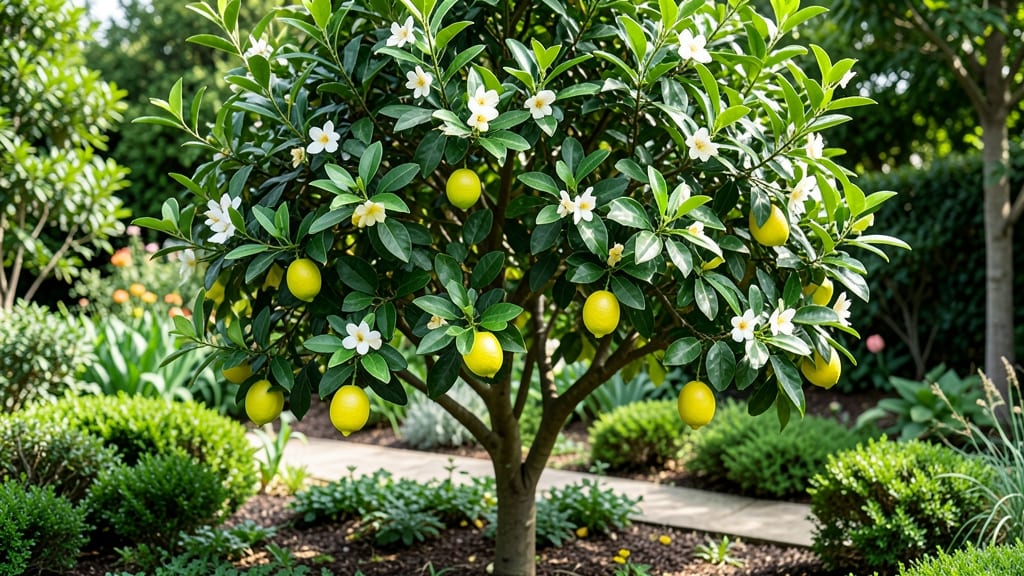
Growing a lemon tree inside your house isn’t just possible—it’s foolproof with the right approach. 🌱 I’ve turned my kitchen windowsill into a fragrant citrus grove by focusing on three key pruning cuts that keep the tree compact, healthy, and productive year-round.
The trick isn’t complicated: it’s about light, timing, and knowing exactly where to snip.
Most people overthink indoor citrus care, but the real secret lies in mimicking its natural Mediterranean environment. You’ll need a sunny spot (at least 6 hours of light daily), a well-draining potting mix, and a watering routine that keeps the soil slightly moist but never soggy.
The right variety—like Meyer lemons—adapts beautifully to indoor life, producing fragrant blooms and sweet fruit within 2-3 years if pruned correctly.
What you’ll end up with is a tree that stays under 5 feet tall, blooms year-round, and even bears fruit indoors. The scent alone—bright, zesty, and impossible to ignore—will transform your space.
Plus, you’ll save money on store-bought lemons while enjoying the satisfaction of harvesting your own. Here’s how to make it happen without the guesswork.
This method works for any indoor space, from bright living rooms to sunrooms, and even handles the dry air of winter. The same principles apply whether you’re starting with a bare-root sapling or pruning an existing tree back to health. Let’s get those shears ready!
📚 In This Guide
- What you need
- Instructions
- Tips and common mistakes
- Wrapping up and next steps
What you need
- ● Lemon tree (Citrus × limon): A healthy, mature dwarf variety (e.g., 'Meyer' or 'Improved Meyer')—check local nurseries or online plant shops for container-friendly options.
- ● Pruning shears: Sharp, clean blank">bypass pruners (4–6" blades) to make precise cuts without crushing stems.
- ● Rubbing alcohol (70% or higher): 1 small bottle (4 oz) to sterilize tools before/after pruning.
- ○ Rooting hormone (optional but recommended): A small tube or powder (e.g., blank">Clonex) to boost cuttings’ success rate.
- ● Well-draining potting mix: 1–2 gallons of a blank">citrus-specific blend (or 60% cactus/succulent mix + 40% perlite/pumice).
- ● 6–8" pots with drainage holes: 2–3 small pots (4–6" diameter) for cuttings, plus a larger container (12–16") for the main tree if repotting.
- ● Clear plastic bag or humidity dome: 1 small bag (or a repurposed food storage container) to create a mini greenhouse for cuttings.
- ● Spray bottle with water: 1 (8 oz) to mist cuttings and maintain humidity.
- ● Gloves: 1 pair (nitrile or leather) to protect hands from sap and thorns.
- ● Horticultural oil or neem oil: Small bottle (8 oz) for treating cuts to prevent infection.
- ● Grow lights (LED, full-spectrum): 1–2 bulbs (10W–20W) if natural light is <10 hours/day (e.g., winter).
- ● pH test kit: 1 kit to check soil pH (ideal: 6.0–7.0 for citrus).
- ● Citrus fertilizer: Slow-release granules (e.g., blank">Osmocote) or liquid feed (e.g., Miracle-Gro Citrus).
Step-by-step instructions for growing a lemon tree indoors
Here's how to coax a thriving citrus tree from a bare-bones starter—no green thumb required.
🌱 Step 1: Select the Right Variety and Pot
Start with a dwarf Meyer lemon tree, which stays compact enough for indoor spaces. These varieties grow 3-6 feet tall indoors and produce fruit reliably. Choose a pot with drainage holes—at least 12 inches wide—since lemon trees despise soggy roots. I use unglazed terra cotta because it breathes and helps regulate soil moisture.
Fill the pot with a well-draining citrus potting mix (never regular garden soil—it compacts and suffocates roots). The mix should contain perlite or sand to prevent waterlogging. Tap the pot gently after filling to settle the soil without compacting it. The surface should feel firm but still crumbly when pressed.
☀️ Step 2: Position for Maximum Light Exposure
Lemon trees crave 6-8 hours of direct sunlight daily, so place yours near a south- or west-facing window. If your space lacks natural light, supplement with a full-spectrum LED grow light positioned 6-12 inches above the plant. Keep the light on for 12-14 hours daily to mimic summer daylight.
Here's the thing—lemon trees grow toward the light. If you notice new growth leaning dramatically, rotate the pot a quarter turn weekly to encourage even growth. Yellowing leaves on lower branches? That’s a sign the plant isn’t getting enough light. Move it closer to the window or increase grow light hours by 2 hours daily until the foliage regains its deep green color.
💧 Step 3: Master the Watering Routine
Water deeply once a week during the growing season (spring and summer), allowing the top 2-3 inches of soil to dry out completely between waterings. In winter, reduce frequency to every 10-14 days—lemon trees enter a natural dormancy when daylight shortens. Stick your finger 1-2 inches into the soil; if it feels dry, it’s time to water.
Overwatering is the silent killer of indoor lemon trees. If the soil stays damp for more than 2-3 days, you’re watering too often. Yellowing leaves paired with mushy stems? That’s root rot setting in. Let the soil dry out completely for 3-5 days, then resume watering lightly until you see improvement.
✂️ Step 4: Prune for Shape and Fruit Production
Prune your lemon tree twice a year: in early spring to shape the canopy and in late summer to encourage new growth. Use sterilized pruning shears to cut back leggy stems by one-third, always just above a leaf node. This encourages bushier growth and more fruit production. Remove any dead, diseased, or crossing branches—airflow keeps the plant healthy.
Don’t skip pruning just because you’re eager for fruit. A well-pruned tree produces smaller but more abundant lemons over time. After pruning, wipe the cuts with a 1:9 hydrogen peroxide-to-water solution to prevent fungal infections. Place the pot in a bright, shaded spot for 3-5 days to reduce stress on the tree.
Tips & tricks for growing a thriving indoor lemon tree
Here's what nobody tells you about keeping your citrus plant happy and productive indoors.
Light Strategy: That 6-8 hours of direct sunlight is non-negotiable, but here's the secret: position your tree so the strongest morning light hits it first. This prevents leaf scorch from intense afternoon sun. If using grow lights, alternate sides daily to prevent one-sided growth—lemon trees will lean dramatically toward a single light source.
Soil Science: The well-draining citrus potting mix is your best defense against root rot, but don't just grab any bag. Look for mixes labeled specifically for citrus or Mediterranean plants—they contain the right balance of perlite and sand. Pro tip: Add a handful of orchid bark to your mix for extra aeration, especially if you notice water pooling at the bottom of the pot.
Pruning Precision: When you're cutting back those leggy stems in Step 4, aim to remove branches that are growing inward or crossing others. These compete for light and nutrients, weakening your tree's overall health. Always make cuts at a 45-degree angle just above a leaf node—this encourages new growth from that exact spot rather than leaving a stub that can rot.
Seasonal Adjustments: The watering schedule changes dramatically between seasons, but here's how to handle it: In summer, check soil moisture every 2-3 days by sticking your finger in—if it's dry at 1-2 inches, water deeply. In winter, reduce to every 10-14 days, but watch for signs of drought stress like curled leaves or dry soil cracks. This seasonal rhythm mimics nature's cycle and keeps your tree healthy year-round.
Pro Tips for Lemon Tree Inside The House
- Here's what nobody tells you about keeping your citrus plant happy and productive indoors.
- Light Strategy: That 6-8 hours of direct sunlight is non-negotiable, but here's the secret: position your tree so the strongest morning light hits it first.
- Soil Science: The well-draining citrus potting mix is your best defense against root rot, but don't just grab any bag.
Frequently asked questions
Got questions about keeping a lemon tree indoors? We’ve got answers! Here are some of the most common concerns—plus quick fixes to keep your citrus thriving year-round.
Can a lemon tree survive indoors year-round?
With proper care—like bright, indirect light, consistent watering, and occasional pruning—your lemon tree can thrive indoors for years. Just mimic its Mediterranean climate: warm temps (65–80°F), humidity, and a sunny spot near a south- or west-facing window. Pro tip: Rotate the pot monthly for even growth!
How often should I prune an indoor lemon tree?
Prune lightly every 3–6 months to shape the tree and encourage fruit production. Focus on removing dead, crowded, or leggy branches. For best results, trim just above a leaf node (where new growth sprouts). Timing matters: Avoid heavy pruning during flowering/fruiting seasons—save major cuts for late winter or early spring!
Why aren’t my lemon tree’s leaves turning yellow?
Yellow leaves usually signal overwatering, underwatering, or nutrient deficiencies. Check the soil: If it’s soggy, reduce watering; if dry, water deeply. Yellowing at the edges? Boost humidity with a pebble tray or misting. Bonus fix: Feed with citrus-specific fertilizer every 2–3 months to prevent nutrient burnout.
What’s the best alternative if I don’t have space for a full lemon tree?
Try dwarf varieties like Meyer lemon or Improved Meyer lemon—they’re compact, hardy, and perfect for pots! For even smaller spaces, grow a bonsai lemon tree (with patience and precision pruning). Both produce fruit and add zesty charm to shelves or tables.
My lemon tree’s leaves are dropping—what’s wrong?
Dropping leaves often mean stress from sudden temperature changes, drafts, or overwatering. Move the tree away from AC/heat vents, and let the top inch of soil dry out between waterings. Quick recovery tip: Trim damaged leaves to redirect energy to healthy growth. If the issue persists, check for pests like spider mites!
Wrapping up and next steps
Growing a lemon tree indoors isn’t just a dream—it’s a rewarding reality with just three simple pruning cuts! 🌿 By mastering these techniques, you’ll unlock year-round citrus harvests, healthier growth, and a stunning houseplant that brightens any space.
Whether you’re a beginner or a seasoned gardener, this method makes it easy to keep your tree thriving.
Ready to take the next step? Start small—grab your shears, pick a sunny spot, and give your lemon tree the care it deserves. Before you know it, you’ll be savoring homegrown lemons while watching your green thumb grow! 🍋✨