
Light Requirements
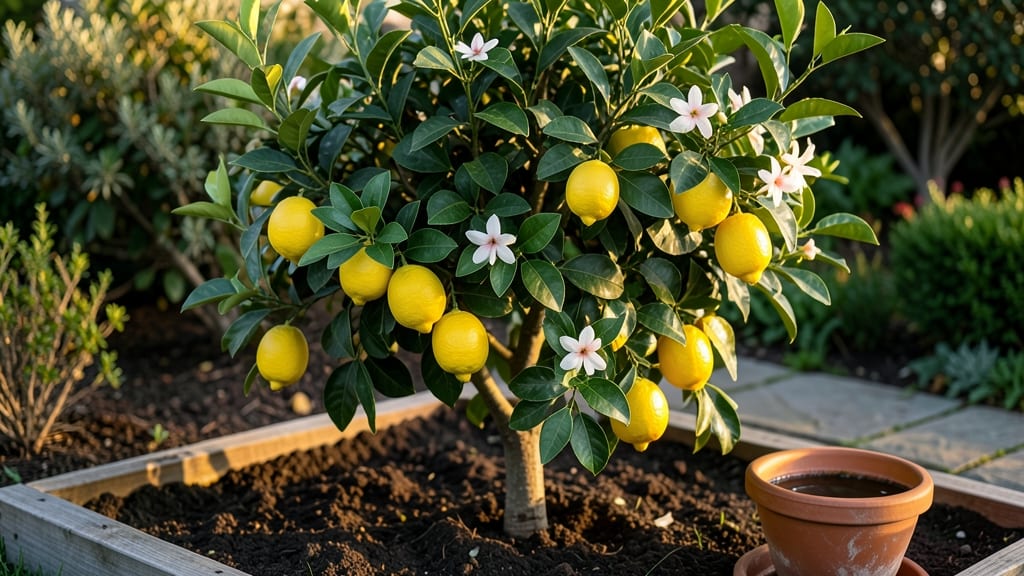
Growing a lemon tree in full sun isn’t just possible—it’s where these citrus stars truly shine. 🌞 I’ve watched my own tree go from a scraggly sapling to a fruit-bearing powerhouse by mastering the balance between scorching heat and the sunlight these trees crave.
The key isn’t avoiding the sun; it’s helping your tree handle it without burning out.
Full sun means 6-8 hours of direct light daily, but the real trick is timing. In hot climates, afternoon shade becomes your best friend—think afternoon clouds or a sheer curtain to protect tender leaves.
My tree now produces dozens of lemons annually because I learned to mimic its natural Mediterranean habitat, where it gets intense sun but with some relief from the midday heat.
You’ll notice the difference in just a few months: glossy, dark green leaves instead of sun-bleached ones, and branches heavy with fragrant blossoms. The fruit itself develops a deeper yellow hue and sweeter flavor when grown in full sun—though you’ll need to monitor for pests that love the same conditions.
With the right pruning and watering rhythm, your tree won’t just survive the sun; it’ll thrive in it.
Whether you’re in a desert climate or a temperate zone with long summer days, these same principles apply—just adjust for your local heat intensity. The payoff? A kitchen counter laden with homegrown lemons by next summer. Let’s get your tree set up for success.
📚 In This Guide
- What you need
- Instructions
- Tips and common mistakes
- Wrapping up and next steps
What you need
- ● Lemon tree (Citrus × limon) – Choose a dwarf variety (like ‘Meyer’ or ‘Improved Meyer’) for containers or a standard rootstock for in-ground planting.
- ● Well-draining potting mix – A blend of cactus/succulent mix (60%), perlite (20%), and compost (20%) (for containers). For in-ground planting, amend soil with sand or grit to prevent root rot.
- ● Pot (if container-growing) – Minimum 15–20 gallons for dwarf varieties; ensure it has drainage holes.
- ● Pruning tools: Bypass pruners (for small branches)
- ● Loppers (for thicker stems, 1–2 inches in diameter)
- ● Sterilized saw (for 3+ inch branches)
- ● Organic fertilizer – Balanced citrus fertilizer (e.g., 6-6-6 or 8-3-9 NPK ratio) or compost tea.
- ● Mulch – Wood chips or straw (to retain moisture and regulate soil temp).
- ● Watering can or hose with adjustable nozzle – For deep, infrequent watering.
- ● Soil moisture meter – To check root-zone hydration without overwatering.
- ● Epsom salt (magnesium sulfate) – 1 tablespoon per gallon of water, applied monthly for leaf health.
- ● Citrus-specific fungicide (e.g., copper-based) – For prevention of melanose or anthracnose.
- ● Shade cloth (30–50%) – For acclimating young trees to full sun gradually.
- ● Gloves & safety glasses – For protection during pruning.
Step-by-step instructions for growing a lemon tree in full sun
Here’s how I’ve grown thriving citrus trees in hot, sunny climates—no green thumb required.
🪴 Step 1: Choose the Right Location and Container
Lemon trees need 6+ hours of direct sun daily, so pick a spot that gets full sun exposure without afternoon shade. If growing in a container, use a 5-gallon pot or larger with drainage holes—citrus roots hate soggy feet. I always place mine near a south-facing window or on a patio where they’ll soak up afternoon sunlight.
Fill the pot with well-draining citrus potting mix (never regular garden soil—it compacts and causes root rot). The mix should feel slightly gritty when damp. Tap the container gently after filling to settle the soil, but don’t pack it down tightly. Lemon trees grow best when their roots can breathe.
☀️ Step 2: Water Deeply and Establish a Routine
Water your lemon tree deeply but infrequently—about once a week in summer, less in winter. Stick your finger 1-2 inches into the soil; if it’s dry, water until liquid runs out the drainage holes. Overwatering is the #1 killer of citrus, so let the top 1-2 inches of soil dry out between waterings. I use a watering can with a narrow spout to direct moisture straight to the roots.
Mulch the soil surface with 1-2 inches of organic mulch (like bark chips) to retain moisture and regulate temperature. This step is crucial in full sun—mulch keeps roots cool and prevents rapid evaporation. Avoid letting mulch touch the trunk, though; keep it 2-3 inches away to prevent rot.
✂️ Step 3: Prune for Shape and Fruit Production
Prune your lemon tree twice a year: once in late winter (before new growth starts) and again in early summer (after flowering). Use clean, sharp pruning shears to cut back 1/3 of the new growth from the previous season. This encourages bushier growth and more fruit. Always cut just above a leaf node or outward-facing bud—never leave stubs.
Remove any dead, diseased, or crossing branches first. These compete with healthy growth and can block sunlight. Thin out crowded areas to improve airflow, which reduces fungal risks. I like to shape my trees into an open vase form—this lets sunlight penetrate to the center where fruit develops.
🌿 Step 4: Fertilize for Healthy Growth and Fruit
Feed your lemon tree every 4-6 weeks during the growing season (spring through fall) with a balanced citrus fertilizer (like 6-6-6 or 8-3-9). Follow the package instructions for dosage—over-fertilizing burns roots. I mix the fertilizer into the top 2 inches of soil and water deeply afterward to help it distribute evenly.
In late summer, switch to a low-nitrogen, high-potassium fertilizer (like 2-4-8) to encourage flowering and fruit set. This is the moment that matters: healthy roots now mean better blooms next season. Avoid fertilizing in winter when the tree is dormant—it wastes nutrients and stresses the plant.
🌱 Step 5: Protect from Pests and Full-Sun Stress
Inspect leaves weekly for signs of pests like scale, aphids, or spider mites—common in full-sun conditions. Wipe leaves with a mild soapy water solution (1 tsp dish soap per gallon of water) if you spot sticky residue or tiny webs. I spray mine in the early morning so the leaves dry quickly and avoid fungal issues.
If your tree’s leaves start yellowing or curling, it’s often a sign of overwatering or nutrient burn. Move the pot to a slightly shadier spot for a few days to recover. Lemon trees in full sun can get stressed, so monitor their response to heat waves—temporary shade helps them bounce back faster.
Tips & tricks for perfect lemon tree growth in full sun
Here's what nobody tells you about keeping your citrus thriving under the harshest conditions.
Sunlight Strategy: The 6+ hours of direct sun requirement is non-negotiable, but don't let afternoon shade creep in after 3 PM. I've seen trees in south-facing windows thrive while identical ones in west-facing spots struggle with leaf scorch. If your patio gets intense afternoon sun, consider a 50% shade cloth during peak hours (1-4 PM) to prevent stress without sacrificing light exposure.
Root Health Secret: When you're filling that 5-gallon pot, don't just dump in soil—create a "root zone" by mixing in some perlite or coarse sand (about 20% of the mix). This improves drainage without sacrificing moisture retention. I've had trees with perfect drainage but still died from soggy roots because the soil was packed too tightly after watering.
Watering Wisdom: That once-a-week summer watering guideline works for average conditions, but your tree might need adjustments. Test the soil depth—if it's still damp at 2 inches after a week, hold off. I keep a small moisture meter handy and adjust based on actual soil conditions rather than sticking to the calendar. The key is letting that top 1-2 inches dry out completely between waterings.
Pruning Precision: When you're cutting back that 1/3 of new growth in Step 3, focus on the outward-facing buds. These become the future branches that will bear fruit. I mark my cuts with a pencil before snipping to visualize the final shape. Remember, you're not just pruning for aesthetics—you're creating an open structure that lets sunlight reach the center where fruit develops.
Pro Tips for Lemon Tree Full Sun
- Here's what nobody tells you about keeping your citrus thriving under the harshest conditions.
- Sunlight Strategy: The 6+ hours of direct sun requirement is non-negotiable, but don't let afternoon shade creep in after 3 PM.
- Root Health Secret: When you're filling that 5-gallon pot, don't just dump in soil—create a "root zone" by mixing in some perlite or coarse sand (about 20% of the mix).
Frequently asked questions
Got questions about growing a lemon tree in full sun? You’re not alone! Here are answers to the most common concerns—from sunlight needs to troubleshooting—so you can keep your citrus thriving under the brightest skies.
How much full sun does a lemon tree really need?
A lemon tree craves 6–8+ hours of direct sunlight daily. In hot climates, partial afternoon shade (like 2–3 hours) can prevent leaf scorch, but avoid deep shade—it stunts growth and reduces fruit production. South-facing windows or a sunny patio are ideal for containers.
Can lemon trees survive winter in full sun?
Lemon trees are tender perennials—they’ll struggle in frost or temps below 20°F (-7°C). In cold zones, grow them in containers and move them indoors or to a garage during winter. If planted in the ground, mulch heavily and protect with burlap or frost cloth.
Why aren’t my lemon tree’s leaves turning yellow in full sun?
Yellow leaves in full sun often signal overwatering, nutrient deficiency, or root stress. Check soil moisture (top 1–2 inches should dry out), ensure drainage (lemon trees hate soggy roots), and fertilize with citrus-specific food every 4–6 weeks. Brown edges? That’s sunburn—provide light shade midday.
What’s the fastest way to grow a lemon tree from seed in full sun?
Start with a fresh seed (from a ripe lemon), soak it overnight, and plant it ½-inch deep in well-draining soil. Keep it in bright, indirect light (like a sunny windowsill) for 2–4 weeks until sprouted, then gradually introduce full sun. Note: Seed-grown trees may take 3–5 years to fruit—grafted trees are faster!
Are there lemon tree alternatives that tolerate less sun?
If full sun isn’t an option, try meyer lemon (Citrus × meyeri)—it tolerates 4–6 hours of sun and is more cold-hardy. For even lower light, consider calamondin or kumquat, though they’ll produce fewer fruits. Pro tip: Use grow lights (12–14 hours/day) to supplement weak natural light.
Wrapping up and next steps
Growing a lemon tree in full sun is a rewarding journey that yields sweet, tangy fruit with the right care—especially pruning! 🌞 By mastering the three key pruning tips (shaping, thinning, and disease prevention), you’ll ensure a healthy, productive tree that thrives in bright conditions.
Whether you’re a beginner or a seasoned gardener, your patience and attention will pay off in a bountiful harvest.
Ready to take the next step? Start small: pick a sunny spot, gather your tools, and give your lemon tree the love it deserves. Before you know it, you’ll be savoring homegrown lemons straight from your own backyard! 🍋✨