
Pruning
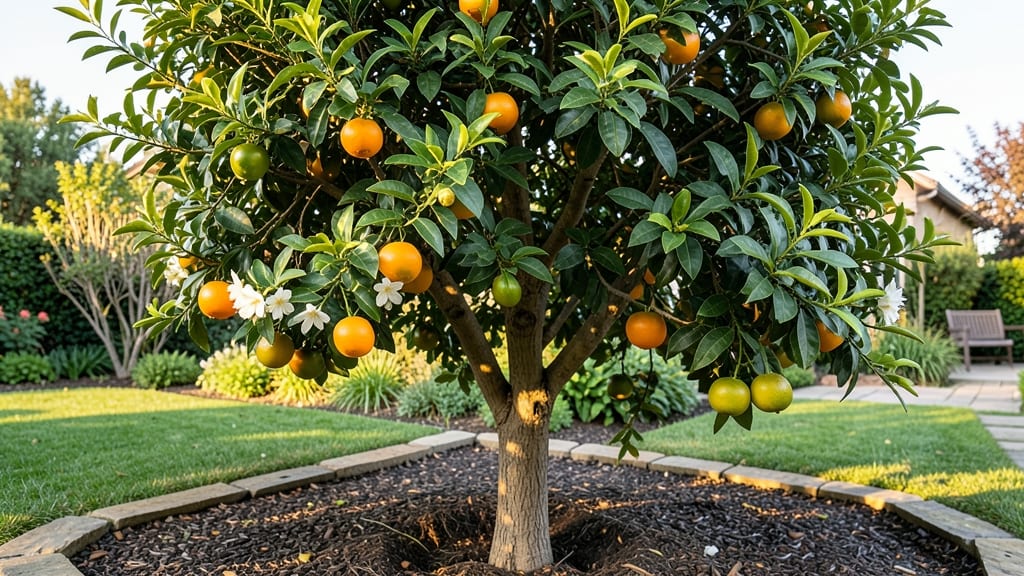
Reviving your Chinese orange tree’s blooms starts with four strategic cuts that transform bare branches into a lush, fruiting canopy. 🌿 I’ve pruned these trees for years, and the difference between a sparse winter skeleton and a spring explosion of blossoms comes down to timing, technique, and knowing where to cut.
The right approach doesn’t just boost flowers—it keeps the tree healthy, productive, and resilient against pests.
Most gardeners overlook the first cut in late winter, but that’s when you shape the tree’s energy for the season. You’ll need sharp pruning shears, rubbing alcohol for sterilizing cuts, and a clear day to avoid spreading disease.
The goal isn’t to hack away branches but to open the canopy to sunlight and air, which triggers more blooms and better fruit set. Even a small tree benefits from this method—just adjust the scale.
By summer’s end, you’ll see thick clusters of tiny white blossoms where there were once bare stems. The fruit that follows will be sweeter, the tree’s structure stronger, and future pruning easier.
This isn’t just about aesthetics; it’s about extending your tree’s life and harvest potential for decades. Ready to turn those leggy branches into a blooming masterpiece?
Whether you’re dealing with a potted Satsuma or a mature Citrus reticulata in your yard, these cuts adapt to size and climate. The key is consistency—prune at the right times, and your tree will reward you with year-round interest. Let’s get those shears sharpened!
📚 In This Guide
- What you need
- Instructions
- Tips and common mistakes
- Wrapping up and next steps
What you need
- ● Pruning shears: Bypass pruners (sharp, clean, and sterilized with rubbing alcohol or bleach solution) for small branches (1/4" to 3/4" thick).
- ● Loppers: For medium branches (3/4" to 2" thick). Look for bypass-style loppers with ergonomic handles for comfort.
- ● Pruning saw: A curved-tooth pruning saw for thick branches (2"+ thick). Avoid cheap saws—they can tear wood.
- ● Garden gloves: Heavy-duty, cut-resistant gloves (e.g., Mechanix or similar) to protect hands from thorns and sharp tools.
- ● Disinfectant: 70% isopropyl alcohol or a 10% bleach solution (1 part bleach to 9 parts water) to sterilize tools between cuts.
- ○ Sealing wax or pruning sealant: (Optional but recommended) Tree wound sealant (like Tanglefoot Tree Wound Pruning Seal) for cuts larger than 1/2".
- ● Buckets or bags: Two 5-gallon buckets (one for small trimmings, one for large branches) or heavy-duty trash bags for debris.
- ● Ladder or step stool: A stable, extendable ladder (or foldable step stool) if your tree is taller than 6 feet.
- ● Notebook & pen: To jot down notes on branch locations, growth patterns, or pruning dates.
- ● Handheld leaf blower: For quick cleanup of fine debris from the tree and ground.
- ● Extension pole pruners: If your tree is over 10 feet tall, these save you from climbing.
- ● Pole saw: For high branches that are too thick for loppers (e.g., 2"-4" diameter).
- ● Safety glasses: Protect your eyes from flying debris, especially when using a pruning saw.
- ● Tree growth regulator: (e.g., Paclobutrazol) if you want to control excessive growth post-pruning.
- ● Compost bin: For repurposing small trimmings as mulch or compost.
Step-by-step guide to revitalizing your Chinese orange tree through pruning
Here's how to breathe new life into your citrus tree with four strategic cuts.
✂️ Step 1: Early Spring Cleanup Cut (February-March)
Start by removing all dead, diseased, or crossing branches—these compete for energy and invite pests. Look for branches with no green leaves or brown, brittle wood. Cut these back to the main trunk or a healthy lateral branch using clean, sharp pruners. I always disinfect my tools with rubbing alcohol between cuts to prevent spreading any hidden infections.
Next, trim back any overly long branches by about one-third to encourage bushier growth. Focus on branches growing toward the center of the tree, as these block light and air circulation. You'll see new growth buds forming within 2-4 weeks—that's your signal the tree is responding well. Avoid heavy pruning now; the goal is gentle shaping, not drastic reshaping.
🌿 Step 2: Post-Bloom Summer Thinning (June-July)
After your tree finishes flowering, it's time for selective thinning to improve fruit production. Remove any fruit clusters that are too close together—keeping 3-4 inches between clusters gives remaining oranges room to grow. Thin to the strongest, healthiest fruit per cluster, cutting back to the main branch with a clean, angled cut just above a leaf node.
This is also when you address any "water sprouts"—those fast-growing, vertical shoots that pop up along the trunk or branches. These drain energy from fruit production. Snip them off at the base immediately. You'll notice the remaining branches fill out more evenly, and the tree's energy focuses on developing larger, sweeter oranges rather than excess growth.
☀️ Step 3: Late Summer Air Circulation Cut (August-September)
As summer winds down, give your tree better airflow by removing any branches that are growing inward or rubbing against each other. These create dark, humid pockets where fungal diseases like anthracnose love to take hold. Cut these branches back to the nearest outward-growing lateral branch or to a healthy bud. Make your cuts at a 45-degree angle, about ¼ inch above a bud that faces outward.
This is also the time to lightly trim any branches that have become too leggy or sparse. Shorten them by 10-15% to encourage denser foliage. You'll see new shoots emerge from the cut areas within a few weeks—these will fill in any gaps and create a fuller canopy. The improved airflow means fewer pests and better fruit quality next season.
⏰ Step 4: Winter Dormancy Prune (November-December)
When your tree enters dormancy, give it a final light prune to remove any remaining deadwood or weak growth. Focus on branches that grew too vigorously during the previous season but didn't produce fruit. Cut these back to a strong lateral branch or bud. This winter prune helps the tree enter dormancy with a cleaner structure, making spring growth stronger.
Here's the thing—don't overdo it. The goal is to remove only about 10-15% of the tree's total foliage. You'll know you've done enough when you can see light filtering through the canopy to the inner branches. This final cut sets your tree up for a vigorous flowering season next spring, ensuring those signature fragrant blooms and sweet oranges.
Tips & tricks for perfect Chinese orange tree pruning
Real talk: Pruning citrus trees is more about timing and technique than brute force. These small adjustments make all the difference between a stressed tree and one that thrives.
Tool Prep: Always use sterilized pruners—rusty blades tear bark and invite infections. After each cut, wipe the blades with rubbing alcohol (I keep a small bottle in my gardening toolkit). For larger branches, switch to a pruning saw with a fine-tooth blade to avoid splintering. The cleaner your cuts, the faster the tree heals and the less stress it experiences.
Visual Cues for Step 1: In early spring, look for branches that grow toward the center—they're the ones blocking sunlight. These should be your first targets. After trimming about one-third of their length, you'll notice new buds forming within 2-4 weeks. If you see sap oozing from cuts, that's normal and actually a good sign the tree is healthy and responding.
Thinning Strategy: When doing your summer thinning, focus on keeping 3-4 inches between fruit clusters. This might feel like you're removing too many oranges, but trust me: fewer, larger fruit with better sunlight exposure will reward you with sweeter, juicier oranges. I've found that removing every other cluster often works best—it's easier to visualize than counting inches.
Seasonal Checklist: Before each pruning session, take a quick walk around your tree and note which branches need attention. In late summer, prioritize branches growing inward—they're the ones creating those dark, humid pockets where diseases love to hide. A quick shake test helps: if branches rub together when you gently shake the tree, they need to go.
Pro Tips for Chinese Orange Tree
- Real talk: Pruning citrus trees is more about timing and technique than brute force.
- Tool Prep: Always use sterilized pruners—rusty blades tear bark and invite infections.
- Visual Cues for Step 1: In early spring, look for branches that grow toward the center—they're the ones blocking sunlight.
Frequently asked questions
Got questions about keeping your Chinese orange tree (Citrus × sinensis or Poncirus trifoliata) thriving with the right pruning? Here are some of the most common queries—plus quick answers to keep your tree healthy and blooming year-round!
When is the best time to prune a Chinese orange tree?
Prune your Chinese orange tree twice a year: late winter/early spring (before new growth) to shape the tree, and right after flowering (summer) to encourage more blooms. Avoid heavy pruning in fall—it can stress the tree before winter. Light trimming to remove dead branches is fine year-round!
How much can I trim without harming the tree?
Never remove more than 25% of the tree’s foliage in one session. Over-pruning weakens the tree, reduces fruit production, and can lead to disease. Focus on selective cuts: thin out crowded branches, remove dead/diseased wood, and shape for airflow. Pro tip: Use clean, sharp shears to make precise cuts just above a leaf node or bud!
Will pruning my Chinese orange tree reduce its fruit yield?
Not if done correctly! Pruning improves fruit quality by redirecting energy to fewer, healthier branches. Heavy pruning in early stages may delay fruit for a season, but regular light pruning (as outlined in our guide) maintains balance. Thin out overcrowded areas to let sunlight and air reach the center—this boosts fruit size and sweetness!
What should I do if my tree gets yellow leaves after pruning?
Yellow leaves post-pruning are often normal if the cuts were clean and the tree isn’t over-stressed. However, if many leaves yellow or drop, check for:
- Over-pruning: Reduce future cuts and fertilize lightly.
- Pests/fungus: Inspect for aphids or powdery mildew (treat with neem oil if needed).
- Water stress: Water deeply 1–2 times/week (adjust for climate).
Can I prune a Chinese orange tree indoors the same way?
Yes! Indoor Chinese orange trees (like Poncirus trifoliata) follow the same pruning rules, but with two key adjustments:
- Less aggressive cuts: Indoor trees grow slower—stick to shaping and removing only dead/diseased branches.
- Year-round light trimming: Dust and weak growth can build up; trim as needed to maintain size and airflow.
Wrapping up and next steps
Growing a thriving Chinese orange tree is all about timing, technique, and a little patience—but the rewards are sweet! 🍊 By mastering the four key pruning cuts—spring cleanup, summer shaping, fall thinning, and winter renewal—you’ll keep your tree healthy, blooming year-round, and bursting with vibrant fruit.
Remember, every snip is a step toward a more vibrant, productive tree.
Ready to transform your pruning game? Start by observing your tree this week—note any overgrown branches or dead wood. Then, grab your tools and give those cuts a try! Review the essentials one last time, and don’t forget to check out our FAQs if you’re unsure.
Your tree (and future harvest) will thank you!