
Pruning
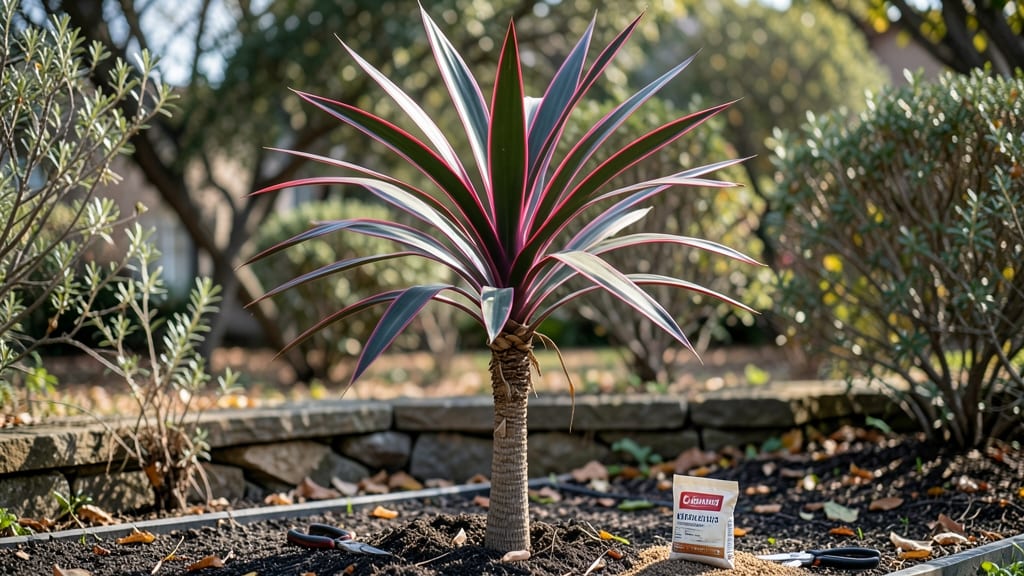
Growing a dragon tree outside transforms your yard into a striking tropical statement—its arching branches and bold foliage demand attention without stealing the show. I’ve nurtured mine through three summers now, and the key to keeping it thriving outdoors lies in pruning for sunlight and airflow, not just aesthetics.
Too many gardeners treat it like an indoor plant and end up with brown tips or stunted growth, but with the right approach, it becomes one of the most resilient outdoor plants you’ll grow.
The real secret isn’t complicated: bright, indirect light and circulation are non-negotiable. Dragon trees tolerate partial shade but reward you with lush, vibrant growth when placed where they get morning sun and afternoon shade—think dappled light under a patio umbrella or near a north-facing wall.
For containers, ensure drainage holes and use a well-draining potting mix, while in-ground plantings need amended soil to prevent soggy roots. Water only when the top inch of soil feels dry, and you’ll avoid the most common outdoor pitfall: root rot from overzealous care.
What you’ll end up with is a plant that looks like it belongs in a botanical garden, not just your backyard.
The foliage stays deep green and glossy, the branches arch gracefully, and it handles summer heat better than most tropicals—though you’ll still need to bring it indoors before 28°F or risk frost damage.
Prune strategically in late winter to shape it and encourage new growth, and you’ll have a plant that thrives year after year with minimal fuss.
Works beautifully in containers, raised beds, or directly in the ground, making it perfect for small spaces or as a focal point in larger gardens.
The only real challenge is remembering it’s a tropical plant at heart—so treat it with the same care you’d give a fiddle-leaf fig, but with a little more sun tolerance. Let’s get yours looking its best outdoors!
📚 In This Guide
- What you need
- Instructions
- Tips and common mistakes
- Wrapping up and next steps
What you need
- ● Pruning shears or sharp bypass pruners – 1 pair (sterilized with rubbing alcohol)
- ● Rubbing alcohol (70% or higher) – Small bottle for tool sterilization
- ● Gloves (gardening or cut-resistant) – 1 pair (to protect from sap and thorns)
- ● Small trowel or spade – 1 (for root inspection if needed)
- ○ Pruning sealant (optional but helpful) – 1 small jar (to prevent sap bleeding)
- ● Watering can or hose – 1 (for post-pruning hydration)
- ● Ladder or step stool – If your dragon tree is tall (6+ feet)
- ● Disposable gloves – Extra pair for messy cuts
- ● Compost bin or bag – For trimmings (great for nutrient recycling!)
- ● Fan or misting bottle – To boost airflow around fresh cuts
Step-by-Step guide to pruning your dragon tree for outdoor success
Mastering sunlight and airflow keeps your dragon tree thriving outside—here's how to do it right.
Assess the Tree’s Growth and Light Needs
Start by examining your dragon tree's current growth pattern. Look for areas where branches are growing too densely or where sunlight might not reach the center. Dragon trees (Dracaena marginata) prefer bright, indirect light but can tolerate morning sun—too much direct afternoon sun will scorch the leaves.
Check the leaves for signs of stress: yellowing or brown edges often mean the tree needs more airflow or less intense light. If you notice new growth leaning toward a window or light source, that’s your cue to adjust its position or prune strategically to encourage even growth.
Prune for Better Airflow and Shape
Use clean, sharp pruning shears to trim back any leggy or overgrown branches. Focus on removing 10-20% of the foliage at a time to avoid shocking the plant. Cut just above a leaf node (the bump where leaves grow) to encourage new growth from that spot.
Remove any dead, yellowed, or damaged leaves immediately—they drain energy and invite pests. For thicker branches, you can also make a small cut to shape the tree, but avoid over-pruning. The goal is to open up the center for better airflow, which reduces humidity-related issues like fungal growth.
Adjust Position for Optimal Sunlight and Airflow
Move your dragon tree to a spot where it gets 4-6 hours of filtered sunlight daily, especially if it’s been indoors. A sheltered porch, patio, or under a pergola works well. If your tree is in a container, rotate it a quarter turn weekly so all sides get even light exposure.
Ensure the area has gentle breezes—a fan on low or an open window can help if your space feels stagnant. Dragon trees appreciate movement, as it mimics their natural tropical habitat. If leaves start curling or drooping, it’s a sign the airflow isn’t sufficient.
Monitor and Maintain After Pruning
Water the tree deeply but only when the top 1-2 inches of soil feel dry—overwatering is the fastest way to kill a dragon tree. After pruning, reduce watering slightly for a week to help the cuts heal. Use room-temperature water to avoid shocking the roots.
Keep an eye on new growth in the weeks following pruning. Healthy leaves should be deep green with red or purple edges, and the tree should look fuller and more balanced. If you notice slow growth or wilting, adjust sunlight or watering immediately.
Tips & tricks for perfect dragon tree pruning
Getting your dragon tree ready for outdoor life takes more than just a trim—it's about creating the perfect balance of light and airflow.
Light Assessment: When checking for sunlight needs in Step 1, pay special attention to the underside of leaves—if they're pale or sparse, that's a sign the tree isn't getting enough light. Dragon trees naturally grow toward light sources, so if you notice all growth leaning one way, it's time to rotate the plant (which you'll do weekly in Step 3) or adjust its position to encourage even growth all around.
Pruning Precision: In Step 2, when you're cutting just above a leaf node, make sure your pruning shears are perfectly sharp—dull blades crush the stems instead of making clean cuts. This crushing can damage the plant's ability to heal properly and may lead to fungal infections. I always clean my shears with rubbing alcohol between cuts to prevent spreading any potential pathogens from dead leaves to healthy ones.
Airflow Strategy: The goal of opening up the center in Step 2 isn't just about looks—it's about creating a microclimate where air can circulate freely. Think of your dragon tree like a tropical rainforest plant: in its natural habitat, it would be surrounded by moving air and dappled sunlight. When positioning your tree outdoors in Step 3, place it where it gets that gentle breeze mentioned—this helps prevent fungal issues that can develop in stagnant, humid conditions.
Pro Tips for Dragon Tree Outside
- Getting your dragon tree ready for outdoor life takes more than just a trim—it's about creating the perfect balance of light and airflow.
- Light Assessment: When checking for sunlight needs in Step 1, pay special attention to the underside of leaves—if they're pale or sparse, that's a sign the tree isn't getting enough light.
- Pruning Precision: In Step 2, when you're cutting just above a leaf node, make sure your pruning shears are perfectly sharp—dull blades crush the stems instead of making clean cuts.
Frequently asked questions
Got questions about growing a dragon tree (Dracaena marginata) outside? You’re not alone! Here are answers to the most common concerns to help you keep your plant thriving in outdoor conditions.
Can a dragon tree survive outside in cold climates?
A dragon tree is a tropical plant and cannot tolerate frost. If temperatures drop below 40°F (4°C), bring it indoors or protect it with a frost cloth. In warmer zones (USDA 10-12), it can thrive outside year-round with proper shelter from wind and cold drafts.
How often should I prune my outdoor dragon tree?
Prune your dragon tree 2-3 times a year to maintain shape and airflow. Focus on removing dead, yellow, or overcrowded leaves in early spring and after flowering. Avoid heavy pruning in winter, as the plant needs energy to recover.
What’s the best spot for a dragon tree outside?
Place your dragon tree in bright, indirect sunlight—think morning sun or dappled shade. Direct afternoon sun can scorch its leaves, while too little light causes leggy growth. A south- or east-facing patio is ideal in most climates.
Why are my dragon tree’s leaves turning brown outside?
Brown leaves often signal sunburn, underwatering, or wind damage. Move the plant to a shadier spot if leaves crisp at the edges. Check soil moisture—dragon trees prefer well-draining soil and moderate watering (let the top inch dry out between waterings). Wind can also dry out foliage, so consider a windbreak.
Are there alternatives to dragon trees for outdoor growth?
If dragon trees seem too high-maintenance, try these low-maintenance outdoor plants with similar tropical vibes:
- Snake Plant (Sansevieria) – Thrives in shade and drought.
- Zebra Plant (Aphelandra squarrosa) – Loves humidity and indirect light.
- Cast Iron Plant (Aspidistra elatior) – Nearly indestructible in shade.
Wrapping up and next steps
Growing a dragon tree (Dracaena marginata) outside is a rewarding journey that blends patience with practical care—especially when mastering pruning for sunlight and airflow. By now, you’ve learned how to gather the right tools, tackle common challenges, and keep your plant thriving in its new outdoor home.
The key? Regular trims, strategic placement, and a watchful eye for signs of stress—like yellowing leaves or leggy growth. 🌿
Ready to take the next step? Start small: Prune just a few branches this season, observe how your dragon tree responds, and adjust as needed.
Over time, you’ll build confidence—and soon, your plant will flourish with lush, vibrant foliage that’s the envy of any garden! Revisit your notes and schedule your first outdoor pruning session this weekend.