
Pruning
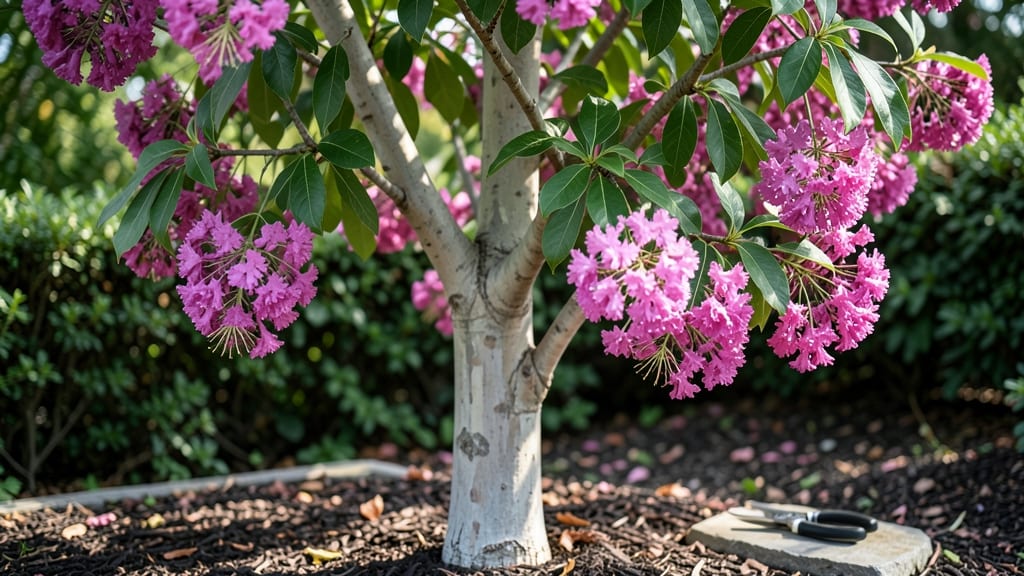
Your lavender tree care starts with sunlight and sharp pruners—because fragrant growth depends on two things: dry soil and strategic cuts. I’ve turned my once-brownie, leggy lavender into a bushy, purple powerhouse by pruning just after blooms fade, never more than a third of the plant at once.
The key? Timing and restraint—lavender rewards patience, not force.
Most people overwater lavender, drowning its roots in the same soil they’d use for tomatoes. Drought tolerance is its superpower—water only when the top inch of soil is bone dry, and use well-draining soil mixed with sand or gravel.
A south-facing spot with 6+ hours of sun will give you those signature spikes of purple, while shade turns lavender into a sad, sparse shadow of itself.
By mid-summer, you’ll see new growth pushing from the base—this is your cue to shape the plant. Deadheading spent blooms keeps it flowering longer, and a light trim after the first frost tidies up for winter.
The result? A fragrant, compact plant that thrives with almost no fuss, smelling like a Provençal summer even in your own backyard.
This works for both English lavender (taller, silvery) and French lavender (compact, deep purple). The same rules apply whether you’re pruning a 3-foot shrub or a 6-foot "tree"—just adjust the scale. Ready to transform your lavender from straggly to stunning?
📚 In This Guide
- What you need
- Instructions
- Tips and common mistakes
- Wrapping up and next steps
What you need
- ● Bypass pruners – Sharp, clean, and sterilized (1 pair, 6–8" blade length). Pro tip: 💡 Use disinfectant wipes (70% isopropyl alcohol) between cuts to prevent disease.
- ● Loppers – Heavy-duty (1 pair, 10–12" blade) for thicker stems (½" diameter or larger).
- ● Hand pruners – For precision trimming (1 pair, 5–6" blade). Note: Avoid anvil pruners—they crush stems and slow healing.
- ● Gloves – Garden gloves (1 pair, nitrile-coated for grip) to protect against thorns and oils.
- ○ Pruning saw – Optional but handy for stubborn, woody branches (1, 10–12" blade).
- ● Lavender-specific fertilizer – Balanced, low-nitrogen (10-10-10 or 5-10-10 ratio, 1 lb per 10 sq ft). Pro tip: 🌡️ Apply in early spring (March–April) and mid-summer (July).
- ● Mulch – Gravel or pine bark (2–3" layer, 10 sq ft bag). Why? Lavender hates wet roots!
- ○ Watering can or hose – Drip irrigation (optional but ideal) or a soaker hose for deep watering.
- ● Pruning sealant – Not required for lavender (it heals fast!), but useful for large cuts (>1" diameter).
- ● Plant support stakes – For young trees (3–4 bamboo stakes, 4–5 ft tall).
- ● Lavender-specific soil amendment – Sand or grit (5–10 gallons) to improve drainage.
- ● Pest control spray – Neem oil (ready-to-use spray, 16 oz) for aphids or spider mites.
- ● Notebook & pen – To track pruning dates and growth patterns! Pro tip: ✨ Label branches with twist ties if testing different pruning techniques.
How to prune a lavender tree for year-round fragrance and health
Mastering lavender pruning transforms a woody shrub into a fragrant, bushy treasure. Here's my refined approach.
Time Your First Spring Pruning for New Growth
Prune your lavender tree immediately after it flowers in early spring—this is when you'll see fresh green growth emerging from the stems. Use clean, sharp pruning shears to cut back one-third of the previous year's growth, focusing on the oldest stems first. These stems are the least productive and often become woody over time.
Never prune lavender in fall or winter—it needs time to harden off before dormancy. If you miss spring, wait until just after flowering in summer, but avoid heavy cuts then. You'll know you've pruned at the right time when you see new buds forming within 2 weeks along the remaining stems.
Shape and Thin for Airflow and Light Penetration
Lavender thrives when it receives full sun and excellent airflow. After your initial spring pruning, step back and assess the plant's shape. Remove any crossing branches or stems growing inward—they create dense areas that trap moisture and encourage fungal diseases. Cut these back to the main stem or branch collar.
Thin out the center of the plant by removing 20-30% of the oldest stems at their base. This prevents the lavender from becoming too woody and encourages new, fragrant growth from the base. You'll notice the plant opens up immediately, revealing more of its silvery foliage and allowing sunlight to reach all parts.
Maintain Year-Round with Light Trims
Throughout the growing season, perform light maintenance pruning to keep your lavender tree looking its best. After each flush of flowers, trim back the spent blooms by one-third of their length to encourage bushier growth. This also prevents the plant from putting energy into seed production, which weakens it.
In late summer, give your lavender a final light trim to remove any leggy or overgrown stems. Avoid cutting into old wood—lavender doesn't regenerate well from deep cuts. Instead, focus on shaping the outer edges and keeping the plant compact. You'll see a noticeable difference in the plant's density and fragrance within a few weeks.
Winter Prep to Protect Against Cold Damage
As winter approaches, lavender benefits from a light protective trim to reduce wind damage and frost stress. Cut back any stems that have become overly leggy or damaged during the year, but avoid heavy pruning. The goal is to create a more compact shape that can better withstand cold temperatures.
Mulch the base of your lavender tree with 2-3 inches of coarse mulch (like pine needles or gravel) to insulate the roots. Avoid piling mulch directly against the stems, as this can cause rot. In areas with harsh winters, consider wrapping the plant with burlap or using a frost cloth for added protection. You'll know your winter prep worked if the plant emerges in spring with minimal dieback and strong new growth.
Tips & tricks for perfect lavender tree pruning
Here's what nobody tells you about keeping your lavender thriving—these pro secrets have saved my plants from years of woody decline.
Timing is Everything: The critical window for spring pruning is the two weeks immediately after flowering when you spot fresh green growth. This is when lavender's energy shifts from blooms to new stems. I learned this the hard way after pruning too early and stunting my plant's growth for an entire season.
Tool Selection Matters: Never use dull shears—they crush stems and create jagged cuts that invite disease. Invest in bypass pruners designed for small branches. For thicker stems, use loppers, but always cut just above a leaf node or bud to encourage new growth. I sterilize my tools with rubbing alcohol between cuts to prevent bacterial spread.
Visual Growth Cues: When thinning in Step 2, look for stems that are thicker than a pencil—they're past their prime. The ideal cut removes 20-30% of these oldest stems at their base. You'll know you've done it right when sunlight reaches the center of the plant and you can see through to the other side.
Winter Protection Strategy: For harsh climates, I've found that wrapping lavender with burlap after the light winter trim creates a microclimate that reduces frost damage. The key is to leave the top open to prevent moisture buildup. In my zone 5 garden, this simple step has prevented dieback in every winter since I started using it.
Pro Tips for Lavendar Tree Care
- Here's what nobody tells you about keeping your lavender thriving—these pro secrets have saved my plants from years of woody decline.
- Timing is Everything: The critical window for spring pruning is the two weeks immediately after flowering when you spot fresh green growth.
- Tool Selection Matters: Never use dull shears—they crush stems and create jagged cuts that invite disease.
Frequently asked questions
Got questions about keeping your lavender tree thriving? You’re not alone! Here are answers to the most common concerns—so you can prune with confidence and enjoy that heavenly scent all year.
When is the best time to prune my lavender tree?
Prune your lavender tree after it flowers in late spring or early summer. This timing prevents cutting back new growth and ensures healthy blooms next season. Avoid heavy pruning in fall or winter, as lavender is sensitive to cold damage.
How much can I trim without harming the tree?
Never remove more than ⅓ of the plant’s foliage in a single session. Focus on shaping, deadheading spent blooms, and thinning crowded stems. Over-pruning stresses lavender, leading to leggy growth or poor flowering.
Why is my lavender tree turning brown or crispy?
Brown, brittle leaves often signal overwatering, root rot, or winter burn. Lavender thrives in well-draining soil and drought-tolerant conditions. Reduce watering, improve drainage, and protect the tree from harsh winds or frost.
Can I grow lavender in containers? What’s the best care?
Yes! Use a fast-draining pot with cactus/succulent mix. Place in full sun, water only when the soil is dry, and prune lightly to encourage bushiness. Containers dry out faster, so monitor moisture closely.
Will pruning encourage more flowers next year?
Regular pruning stimulates new growth and blooms. Just avoid cutting into old wood—focus on shaping and deadheading. For heavier flowering, prune lightly in spring and after flowering.
Pro Tip:
Use sterilized shears and prune on a dry, sunny day to prevent disease. Save your clippings—dried lavender makes fantastic potpourri or sachets!
Wrapping up and next steps
Caring for your lavender tree is a rewarding journey that blends art and science—with patience and the right techniques, you’ll enjoy fragrant blooms and lush growth for years to come! 🌿✨ Remember, pruning in seasons, proper tool use, and attention to health are your best allies.
Now that you’re armed with this blueprint, why not grab your shears and give your tree the love it deserves? Check out our guide on seasonal lavender maintenance to keep the magic going all year round!