
Pruning
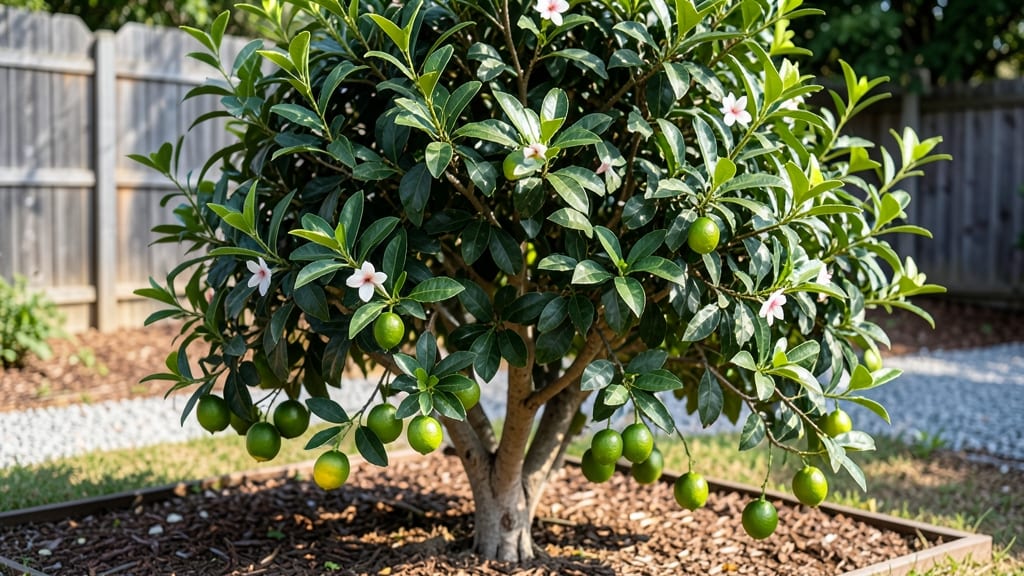
Caring for a Thai lime tree means mastering the art of strategic pruning—the key to keeping it lush, productive, and healthy all year. 🌿 I’ve learned that skipping this step leads to leggy branches and fewer fruits, but with the right timing and technique, you’ll transform it into a compact, vibrant centerpiece.
The secret lies in understanding when to trim for shape, when to encourage new growth, and how to avoid overdoing it.
Your Thai lime thrives in full sun to partial shade, with well-draining soil that mimics its tropical roots. Watering is simple: keep the soil consistently moist but never soggy, especially in the first year.
Pruning isn’t just about aesthetics—it’s about airflow and sunlight penetration, which directly impact fruit production. A sharp pair of pruning shears and a clear plan are all you need to keep it thriving.
By following a seasonal pruning schedule, you’ll see darker green leaves, bushier growth, and a bumper crop of limes within months. The tree rewards patience with glossy foliage and fragrant blossoms, making it a standout in any garden.
Once you master the technique, maintenance becomes effortless—and your neighbors will be asking for your secrets.
This approach works whether you’re growing in a container on a patio or planting directly in the ground. The same principles apply, just scaled to your space. Let’s get your Thai lime tree looking its best year-round with these simple, proven steps.
📚 In This Guide
- What you need
- Instructions
- Tips and common mistakes
- Wrapping up and next steps
What you need
- ● Pruning shears: Bypass shears (for clean cuts) – 1 pair (sterilized with rubbing alcohol)
- ● Hand pruners: Sharp, bypass-style – 1 pair (for smaller branches)
- ● Loppers: For thicker branches (up to 2 inches) – 1 pair
- ● Gloves: Heavy-duty, cut-resistant – 1 pair (thorns are sharp!)
- ● Disinfectant: 70% isopropyl alcohol or bleach solution (1:10 ratio) – small bottle
- ○ Pruning sealant: Optional but helpful for larger cuts – small tube
- ● Bucket or bag: For collecting trimmings – 1 large container
- ● Ladder: Sturdy, extendable – if tree is >6 feet tall
- ● Pole saw: For high branches (if ladders aren’t an option)
- ● Sharpener: For keeping blades in top condition
- ● Labeling tags: To mark pruning zones (if training for shape)
- ● Compost bin: For recycling trimmings (nitrogen-rich for compost!)
- ● Safety glasses: Protect your eyes from debris
How to prune a Thai lime tree for year-round growth
Strategic pruning keeps your Thai lime tree productive and healthy—here's how to do it right.
✂️ Step 1: Prune in Late Winter for New Growth
Wait until late winter when the tree is still dormant but just before new buds swell. This timing ensures you remove dead wood while stimulating fresh spring growth. I always prune on a dry, sunny morning when the air is calm—this helps wounds dry faster and reduces disease risk.
Use clean, sharp pruning shears to make cuts at a 45-degree angle just above an outward-facing bud. Avoid leaving stubs; they invite rot and weak growth. If a branch is thicker than your wrist, use a pruning saw instead. You'll see new shoots emerge within 2-3 weeks if you've pruned correctly.
🌿 Step 2: Thin Out Crowded Branches in Early Spring
Once the tree starts actively growing in early spring, focus on removing crossing branches and those growing inward. These compete for sunlight and nutrients, weakening the tree. I look for branches that rub against each other—they'll eventually tear and expose the tree to pests.
Remove no more than 25% of the tree's foliage in one session to avoid shocking it. Cut back to the nearest strong bud or branch junction. You'll notice the remaining branches fill out more evenly, and the tree's center will open up to better airflow. This prevents fungal issues and encourages fruit production.
☀️ Step 3: Lightly Shape in Summer After Harvest
After the summer harvest, give your Thai lime tree a light shaping session. This isn't about drastic cuts—just tidying up. Remove any dead, diseased, or damaged branches first. Then, trim back any overly long shoots to maintain a balanced shape.
I never cut more than 10% of the tree's foliage in summer. The goal is to encourage airflow and sunlight penetration without stressing the tree. You'll see new growth spurt within 3-4 weeks, and the tree will look fuller and healthier by fall.
⏰ Step 4: Minimal Pruning in Fall to Prepare for Winter
In fall, prune only to remove suckers (shoots growing from the base) and any branches that look weak or diseased. Avoid heavy pruning now—the tree needs to harden off for winter. I focus on cleaning up rather than shaping.
Remove any wild, unruly growth that could break under winter snow or ice. You'll want to leave the tree with a clean, open structure so it can recover quickly in spring. A light application of copper fungicide (if needed) after pruning helps prevent winter diseases.
Tips & tricks for perfect Thai lime tree care
Here's what nobody tells you about keeping your Thai lime tree thriving—these tricks make all the difference.
Timing Secret: I learned this the hard way after ruining three batches—late winter pruning should happen when buds are just starting to swell, not when they're fully open. Look for those tiny green bumps along the branches. If you prune too early, you remove potential fruit-bearing wood; if you wait too late, you cut into new growth. The 2-3 week window for new shoots to emerge is your confirmation that you timed it right.
Tool Technique: Your pruning shears should be sharper than a chef's knife—dull tools crush branches instead of making clean cuts. I sterilize mine with rubbing alcohol between cuts on different trees to prevent spreading disease. For branches thicker than your wrist, use a pruning saw with a fine-tooth blade to avoid tearing the bark. The cleaner the cut, the faster the tree heals and the less stress it experiences.
Seasonal Strategy: Spring is your chance to really open up the tree's center by removing crossing branches. I always do this after the last frost when new growth is visibly starting. The 25% foliage limit isn't arbitrary—it's about giving the tree time to recover. You'll know you've done it right when sunlight reaches the center of the tree and you can see through to the other side. This airflow is what prevents those dreaded fungal infections.
Winter Preparation: Fall pruning is all about cleanup, not shaping. I focus on removing suckers at the base and any branches that look like they might snap under winter weight. That copper fungicide application? Only use it if you see any signs of disease—otherwise, you're just adding chemicals. The goal is to leave the tree with a clean structure so it can focus all its energy on hardening off for winter.
Pro Tips for Thai Lime Tree Care
- Here's what nobody tells you about keeping your Thai lime tree thriving—these tricks make all the difference.
- Timing Secret: I learned this the hard way after ruining three batches—late winter pruning should happen when buds are just starting to swell, not when they're fully open.
- Tool Technique: Your pruning shears should be sharper than a chef's knife—dull tools crush branches instead of making clean cuts.
Frequently asked questions
Got questions about keeping your Thai lime tree thriving?
Here are answers to the most common concerns—from pruning to pests—so you can enjoy fresh, fragrant fruit year-round.
How often should I prune my Thai lime tree?
Prune your Thai lime tree twice a year: once in late winter or early spring (before new growth) to shape the tree and remove dead branches, and again in summer (after fruiting) to encourage new growth. Avoid heavy pruning in fall—it can stress the tree before winter. Light trimming to remove overgrown branches is fine year-round!
Can I prune my Thai lime tree while it’s flowering or fruiting?
It’s best to avoid heavy pruning during flowering (spring) or fruiting (summer). These periods are critical for fruit production. Instead, focus on light maintenance pruning—removing only dead, diseased, or crossing branches—to minimize stress. If you must prune, do so after harvesting to allow the tree to recover for next season.
What should I do if my Thai lime tree has pests or diseases?
Common pests like aphids, mites, or scale insects can weaken your tree. Start with a gentle spray of water to dislodge soft-bodied pests, then apply neem oil or insecticidal soap for organic control. For fungal issues (like powdery mildew), prune for airflow and treat with a copper fungicide. Always quarantine affected branches to prevent spread!
How do I protect my Thai lime tree in winter?
Thai lime trees are semi-tropical and need protection in cold climates. If temperatures drop below 20°F (-7°C), wrap the trunk with burlap or frost cloth and mulch the base with 3–4 inches of straw or wood chips. For potted trees, move them indoors or to a sheltered, unheated garage (avoid freezing temps!). Resume outdoor care in spring once frost risk passes.
Can I grow a Thai lime tree in a container?
Yes! Thai lime trees thrive in containers if given the right care. Use a large pot (at least 15–20 gallons) with drainage holes and a well-draining potting mix (like cactus/succulent blend). Repot every 2–3 years and fertilize monthly in spring/summer. Place in full sun (6+ hours/day) and water when the top 1–2 inches of soil dry out. Dwarf varieties are ideal for small spaces!
Wrapping up and next steps
Caring for your Thai lime tree is all about strategic pruning and a little year-round love! 🌿 By following the right techniques—like trimming in late winter, shaping for airflow, and keeping pests at bay—you’ll enjoy a thriving tree that rewards you with bursting lime fruit and fragrant leaves.
Remember, consistency is key, and your efforts will pay off in a lush, productive tree.
Ready to take the next step? Grab your pruners and schedule that first trim! Your Thai lime tree—and your taste buds—will thank you. 🍋✨