
Pruning
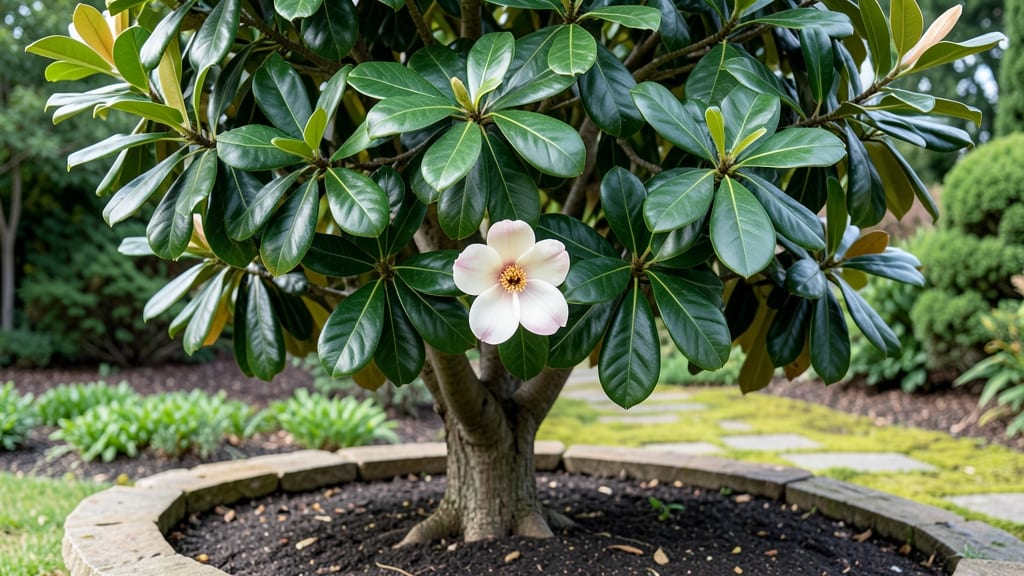
A large pink magnolia tree isn’t just a plant—it’s a statement piece that transforms any garden into a showstopper. 🌸 I’ve seen these majestic trees steal the show at weddings, turn ordinary backyards into dreamy retreats, and even soften urban landscapes with their dramatic blooms.
The secret isn’t just their size or color, but how they command attention while blending seamlessly into the surroundings.
What makes them truly special is their year-round interest. In spring, those iconic pink blooms draw every eye, while in summer, the glossy green leaves provide lush shade. Even in winter, the sturdy branches add architectural beauty that no other tree can match.
The key to maximizing their impact? Strategic placement—think of them as the centerpiece of your outdoor living room, surrounded by plants that complement rather than compete.
Pair it with dwarf azaleas for a burst of color at its base, or let ferns and hostas spill around its trunk for a softer, layered look. A well-placed gravel path leading to the tree creates drama while keeping maintenance simple.
The result? A garden that feels curated, intentional, and effortlessly stunning—without needing a single technical pruning skill.
This isn’t just about planting a tree; it’s about creating a focal point that works year after year. Whether you’re designing a formal garden or a cozy backyard retreat, the pink magnolia delivers—with minimal fuss and maximum wow factor. Let’s make it the heart of your outdoor space.
📚 In This Guide
- What you need
- Instructions
- Tips and common mistakes
- Wrapping up and next steps
What you need
- ● Pruning shears: Bypass pruners (sharp, 6–8" blades) for small branches.
- ● Loppers: 18–24" bypass loppers for medium branches (2–6" diameter).
- ● Pruning saw: Curved-tooth handsaw for thick branches (6"+ diameter).
- ● Disinfectant: 70% isopropyl alcohol or 10% bleach solution (1 part bleach, 9 parts water).
- ● Rubbing alcohol wipes: For quick tool sanitization between cuts.
- ● Heavy-duty gloves: Cut-resistant, 12–14" length (e.g., Mechanix or Felco).
- ● Safety glasses: ANSI-rated for debris protection.
- ● Ladder or step stool: Sturdy, extendable (16–20' height for large trees).
- ● Trash bags (20–30 gallon): For collecting pruned branches.
- ● Marking twine or flags: Colored twine or small flags to tag branches for removal.
- ● Pole saw: Extendable for high branches (10–15' reach).
- ● Tree wound dressing: Pruning sealant (controversial but useful for large cuts).
- ● Extension cord & string trimmer: For clearing underbrush post-prune.
- ● Camera or phone: To document "before" and "after" blooms!
- ● First-aid kit: In case of minor scrapes or thorn pricks.
Step-by-Step guide to pruning your large pink magnolia for year-round blooms
Here's how to coax your magnolia into a flowering powerhouse—three strategic cuts will transform its growth.
✂️ Step 1: Prune After Spring Blooms to Encourage New Growth
Wait until two weeks after flowering when buds have fully opened and fallen naturally. This timing ensures you don’t remove next year’s blooms before they set. Grab your clean, sharp pruners and make cuts just above outward-facing buds at a 45-degree angle—this prevents water from pooling and causing rot.
Focus on removing dead, crossing, or inward-growing branches first. These compete for energy and weaken the tree’s structure. I always start at the bottom and work upward, so I don’t accidentally cut healthy branches I’ll need later. Remove no more than 25% of the tree’s foliage—magnolias are sensitive to heavy pruning and may struggle to rebound.
Here’s the thing—magnolias bloom on old wood, so avoid cutting back into last year’s growth. Look for thick, woody stems with no leaves; these are safe to trim. Thin out crowded branches to improve airflow, which reduces fungal diseases like powdery mildew that can plague magnolias in humid climates.
☀️ Step 2: Lighten the Canopy for Better Sun Penetration
In late summer (August), when new growth has hardened off, prune again to open up the tree’s interior. Magnolias often develop dense canopies that shade lower branches, causing them to die back. Selectively remove suckers at the base and overly dense clusters in the center to let sunlight reach the lower limbs.
Use your pruners to make clean cuts at branch collars—the swollen area where the branch meets the trunk. Avoid leaving stubs, as they invite disease. If a branch is thicker than ½ inch, use three small cuts to avoid tearing the bark. This step is crucial for maintaining a balanced, open structure that supports heavy blooms without snapping under winter ice.
Real talk: This is where most gardeners mess up. They prune too late in the season, and new growth doesn’t have time to harden off before winter. If you live in a cold climate, finish pruning by mid-September to give branches time to mature before frost.
⏰ Step 3: Winter Maintenance to Protect Against Cold Damage
In early winter (December), inspect your magnolia for dead or broken branches from storms or heavy snow. Prune these immediately to prevent disease from entering through open wounds. Wrap young trees with tree wrap if your winters dip below 10°F—this protects the bark from sunscald and cracking.
If your magnolia has water sprouts (fast-growing, vertical shoots), remove them completely. These saplings steal energy from the main structure and rarely produce flowers. Use your pruners to cut them at the base, and dispose of them in the trash—not the compost, where they might regrow.
This is the moment that matters: Never prune in fall unless you’re removing dead wood. Fall-pruned cuts won’t heal before winter and become entry points for pests like borers. Instead, focus on cleaning up the base—remove fallen leaves and debris to reduce fungal spores that could infect the tree next spring.
Tips & tricks for perfect large pink magnolia pruning
These precision techniques will help you transform your magnolia into a year-round flowering showstopper without common pruning pitfalls.
Timing is Everything: The two-week window after flowering in Step 1 is non-negotiable—this ensures you're only removing spent blooms while preserving next year's flower buds. I've seen gardeners accidentally prune too early and lose their entire spring display. If you're unsure when your magnolia finished blooming, wait until all petals have naturally fallen before making any cuts. This patience pays off with dramatic results.
Branch Angle Matters: When making those 45-degree cuts in Step 1, visualize the branch growing outward from the tree. The angle should direct water runoff away from the trunk, preventing rot. I always test my angle by holding the pruners at a slight downward slope—this creates the perfect drainage channel. For branches thicker than ½ inch in Step 2, make three small cuts rather than one large one to avoid tearing the bark and creating entry points for disease.
Seasonal Strategy: The late-summer pruning in Step 2 requires careful timing—new growth must have fully hardened off by August. To test readiness, gently scratch a small area of bark; if it's firm and doesn't tear easily, your magnolia is ready. In colder climates, I recommend finishing all pruning by mid-September to allow new growth to mature before winter. This seasonal rhythm is what separates healthy, flowering magnolias from stressed, struggling trees.
Winter Protection: That 10°F threshold in Step 3 is crucial for young trees—below this temperature, tree wrap becomes essential. I've seen magnolias develop sunscald on their south-facing sides when exposed to winter sun after cold nights. Apply the wrap in early winter, leaving room for the tree to swell slightly. For established trees, focus on removing dead branches immediately after storms to prevent disease entry through fresh wounds.
Pro Tips for Large Pink Magnolia Tree
- These precision techniques will help you transform your magnolia into a year-round flowering showstopper without common pruning pitfalls.
- Timing is Everything: The two-week window after flowering in Step 1 is non-negotiable—this ensures you're only removing spent blooms while preserving next year's flower buds.
- Branch Angle Matters: When making those 45-degree cuts in Step 1, visualize the branch growing outward from the tree.
Frequently asked questions
Got questions about your large pink magnolia tree? You’re not alone!
Whether you're a pruning pro or a curious beginner, these FAQs will help you keep your stunning magnolia thriving year-round.
When is the best time to prune a large pink magnolia tree?
The ideal window for pruning is late winter to early spring (before buds swell) or right after flowering (late spring). Avoid pruning in fall—it can stimulate new growth that won’t harden off before winter. For heavy pruning, late winter is best to minimize stress.
Can I prune my magnolia tree in summer?
While you can prune in summer, it’s not recommended for large magnolias. Summer pruning can stress the tree, reduce flowering, and invite pests. If you must prune, do so after the heatwave (late summer) and keep cuts small. Focus on light shaping or removing dead wood only.
Why isn’t my pink magnolia blooming as much as it used to?
Magnolias often reduce blooms after aggressive pruning, over-fertilizing, or stress (like drought or poor soil). Check for:
- Dead or crossing branches (prune them now!)
- Consistent moisture (they hate soggy or dry roots)
- Full sun exposure (6+ hours daily)
- Age (older trees may bloom less)
How big can a large pink magnolia tree grow, and do I need to worry about size?
Most pink magnolias (like Magnolia × soulangeana) reach 20–30 feet tall and wide at maturity. If space is tight, opt for dwarf varieties (e.g., ‘Black Tulip’ or ‘Little Gem’). For established trees, prune annually to control shape and remove suckers at the base.
What should I do if my magnolia leaves have holes or spots?
Holes or spots often signal pests (magnolia scale, webworms) or fungal issues (anthracnose). Act fast:
- Water at the base (avoid wetting leaves to prevent fungus)
- Hose off pests (strong spray can dislodge scale)
- Apply neem oil or insecticidal soap (follow label instructions)
- Prune infected branches and sterilize tools with rubbing alcohol
Wrapping up and next steps
The large pink magnolia tree is a stunning centerpiece that rewards your care with breathtaking blooms year after year. By mastering the three precision cuts—spring shaping, post-bloom cleanup, and late-winter pruning—you’ll keep your tree healthy, vibrant, and full of life. 🌸
Now that you’re equipped with the right tools, timing, and techniques, it’s time to roll up your sleeves and give your magnolia the attention it deserves. Start small with one session this spring—your tree (and your neighbors!) will thank you.