
Blooming
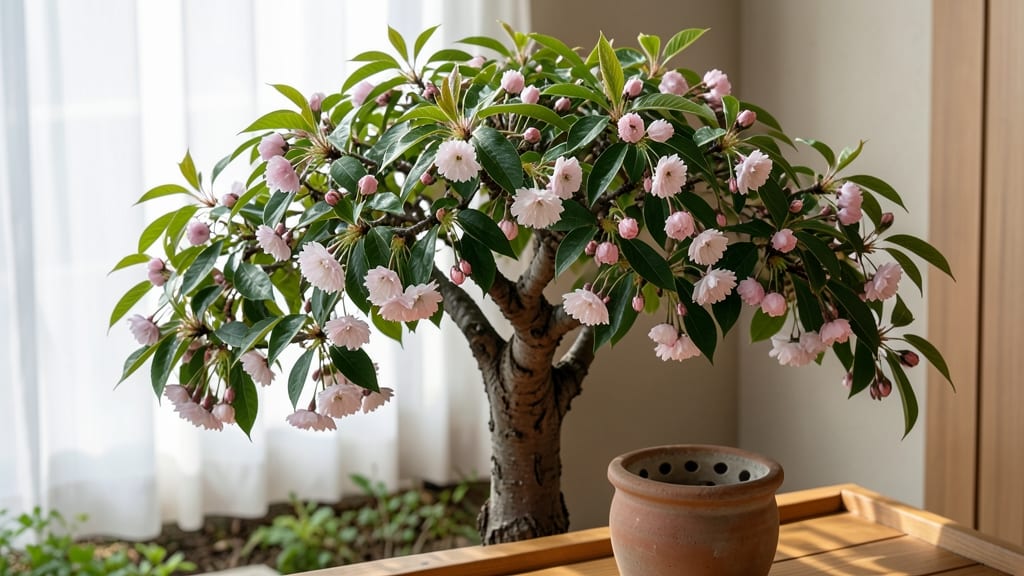
An indoor cherry blossom tree brings springtime magic to your living room—those delicate pink blooms arrive reliably every year, no matter the season. 🌸 I've wrestled with these finicky beauties for years, and now I'm sharing the exact light, water, and pruning routine that finally got mine blooming like a Japanese garden in February.
The secret isn't complicated, but it does require patience and a few key adjustments from how you'd care for a houseplant.
You'll need bright, indirect light (think east-facing window or a grow light), well-draining soil mix, and a pot with drainage holes—no fancy bonsai tools required.
Water when the top inch feels dry, but never let it sit in soggy soil, and give it a cool spot at night to mimic its outdoor origins. Most people overwater or move it around too much, which stresses the tree and delays blooms.
By spring, you'll be rewarded with clusters of fragrant blossoms that last weeks, followed by glossy green foliage that stays lush all year. The tree grows slowly but steadily, making it perfect for small spaces—just expect it to reach about 6-8 feet tall indoors with proper care.
The payoff? A living centerpiece that smells like spring and brings that same joy every season.
Works for both Prunus serrulata (the classic) and Prunus × yedoensis (early bloomer), though the latter needs slightly cooler winter temps. Here's how to keep yours thriving without the guesswork—no more browned leaves or skipped blooms.
📚 In This Guide
- What you need
- Instructions
- Tips and common mistakes
- Wrapping up and next steps
What you need
- ● Indoor cherry blossom tree (Prunus serrulata or related varieties): 1 potted tree (3–6 inches in diameter, depending on desired size)
- ● Ensure it’s labeled as dwarf or bonsai-friendly for indoor spaces
- ● Well-draining potting soil: 1 bag (1–2 cubic feet) of cactus/succulent mix or light, airy potting soil
- ○ Optional: Add perlite or orchid bark (1 part perlite to 4 parts soil) for drainage
- ● Pot with drainage holes: 1 container (12–16 inches in diameter) with drainage holes
- ● Terracotta or ceramic pots work best (avoid plastic for long-term health)
- ● Fertilizer: Balanced liquid fertilizer (e.g., 10-10-10 or 20-20-20) or slow-release granules
- ● Follow package instructions for dilution (typically every 4–6 weeks in growing season)
- ● Pruning shears: 1 pair of sterilized, sharp pruners (for shaping and deadheading)
- ● Misting bottle or spray nozzle: 1 bottle (to maintain humidity around leaves)
- ● Grow lights: LED full-spectrum bulb (15W–20W) for 12–14 hours/day if natural light is limited
- ● Humidity tray: A shallow tray with pebbles and water to boost moisture levels
- ● Tree support stake: For young or top-heavy trees (if needed)
- ● Decorative elements: Japanese-inspired accents like a fukusa (decorative cloth) or a small bamboo wind chime
Step-by-step instructions for growing an indoor cherry blossom tree
Here's how to coax that dreamy pink canopy indoors—no yard needed.
🪴 Step 1: Choose the Right Container and Soil Mix
Start with a 12-15 inch diameter pot with drainage holes—cherry blossom trees hate soggy roots. I like glazed ceramic because it holds moisture without drying out too fast. Fill the bottom 2 inches with orchid bark mix for drainage, then add 4 gallons of well-draining potting soil mixed with 1 part perlite to keep roots aerated.
Tap the pot gently to settle the soil, but don't pack it down. You want it light enough that roots can spread easily. Cherry blossom trees need room to grow—these aren't small plants. If you're repotting an existing tree, size up by 2-3 inches in diameter to give roots space to expand.
☀️ Step 2: Position for Bright, Indirect Light
Place your tree within 3-6 feet of a south-facing window—this is critical. Direct sun will scorch the leaves, but too little light means sparse blooms. If you don't have bright windows, supplement with a 14-hour grow light daily. You'll know the light is right when new growth appears every 4-6 weeks and leaves stay a healthy medium green.
Rotate the pot a quarter turn weekly so the tree grows evenly. I notice some growers skip this, and their trees end up lopsided—trust me, it's worth the effort. In winter, when days are shorter, extend light exposure to 12 hours daily to prevent dormancy.
💧 Step 3: Water Deeply When Soil Dries
Water when the top 2 inches of soil feel dry to touch—this prevents root rot while keeping leaves happy. I use room-temperature water and pour until it drains freely from the bottom. Empty the saucer after 10 minutes to avoid sitting water. Overwatering is the #1 killer of indoor cherry blossoms, so when in doubt, wait another day.
Mist the leaves 2-3 times weekly to recreate humidity levels they'd get outdoors. You'll see the difference in leaf glossiness—dull leaves mean it's time to mist. In winter, when indoor air gets dry, increase misting to daily or place a humidifier nearby. Brown leaf edges? That's your sign to cut back on watering.
✂️ Step 4: Prune for Shape and Encourage Blooms
Prune right after flowering to shape the tree and encourage next year's blooms. Use clean, sharp pruners to cut just above a leaf node at a 45-degree angle. Remove any dead, crossing, or weak branches first—this opens up the center for better airflow. I like to keep mine slightly bushier than the standard "tree" shape because it blooms more heavily.
Fertilize every 4-6 weeks during growing season (spring-fall) with a balanced 10-10-10 fertilizer diluted to half strength. You'll see new growth within 2-3 weeks if the fertilizer is working. Stop fertilizing in winter when growth slows. Too much fertilizer causes leaf burn—yellow tips are your warning sign to cut back.
Tips & tricks for perfect indoor cherry blossom trees
Between us, these little trees are finicky—get the basics right, and you'll have blooms year-round. Here's what nobody tells you about keeping them thriving.
Pot Size Matters: That 12-15 inch pot isn't just a suggestion—it's non-negotiable for the first few years. I've seen growers use smaller pots, and their trees become root-bound within months, leading to stunted growth and fewer blooms. If you're repotting, size up by 2-3 inches only when you see roots circling the bottom. This gives your tree room to establish before it needs another upgrade.
Light is Everything: The 14-hour grow light recommendation isn't optional if your windows aren't bright enough. I've tried supplementing with regular lamps, and the results were disappointing—cherry blossoms need that specific light spectrum. Place the grow light within 12 inches of the tree for best results, and position it so the light covers the entire canopy evenly. In winter, that 12-hour daily light becomes your new best friend to prevent dormancy.
Watering Wisdom: Those 2 inches of dry soil before watering are your guide, but timing is everything. I use a moisture meter now to avoid guessing—it's a small investment that prevents root rot. After watering, always empty that saucer after 10 minutes. I've seen people leave water sitting there for hours, and that's how you turn a thriving tree into a sad, yellowing mess. Brown leaf edges? You're either overwatering or the air is too dry—check both.
Fertilizer Timing: The 4-6 week schedule for that 10-10-10 fertilizer is perfect, but here's the secret: dilute it to half strength. I learned this the hard way after seeing yellow leaf tips on my first tree. Always fertilize in spring and summer only—winter is when your tree rests, and feeding it then causes more harm than good. You'll know it's working when you see new growth within 2-3 weeks of applying.
Pro Tips for Indoor Cherry Blossom Tree
- Between us, these little trees are finicky—get the basics right, and you'll have blooms year-round.
- Pot Size Matters: That 12-15 inch pot isn't just a suggestion—it's non-negotiable for the first few years.
- Light is Everything: The 14-hour grow light recommendation isn't optional if your windows aren't bright enough.
Frequently asked questions
Got questions about keeping your indoor cherry blossom tree in full, pink bloom? We’ve got answers! Here are some of the most common queries—plus expert tips to keep your tree thriving year-round.
How do I make my indoor cherry blossom tree bloom?
Indoor cherry blossom trees (like Prunus serrulata or Prunus ‘Kanzan’) often bloom best with proper light, temperature, and dormancy tricks. Place it near a south- or west-facing window for 6+ hours of sunlight daily. In winter, mimic seasonal changes by dropping temps to 40–50°F (4–10°C) at night and reducing water. A cool, dark period (2–3 weeks) can trigger spring blooms!
Why isn’t my indoor cherry blossom tree blooming?
No flowers? Your tree might need one (or all!) of these fixes:
- Light deficit: Supplement with a grow light if natural light is weak.
- Lack of dormancy: Most indoor varieties need a cool, dry rest (like a basement or garage) for 4–6 weeks.
- Overwatering: Let soil dry 1–2 inches deep between waterings to avoid root stress.
- Age/fruit production: Young trees (<3 years) or those bearing fruit may prioritize growth over blooms.
Can I grow an indoor cherry blossom tree from a cutting?
Yes! Propagating from a cutting is possible but challenging. Use a semi-hardwood cutting (from late summer/early fall), dip it in rooting hormone, and plant in moist perlite or sand. Keep humidity high with a plastic bag and place in bright, indirect light. Roots may take 4–8 weeks—patience is key!
What’s the best indoor cherry blossom tree alternative if mine struggles?
If your cherry blossom tree feels finicky, try these low-maintenance bloomers:
- Satsuki azalea: Vibrant flowers, thrives in shade, and blooms spring/summer.
- Japanese maple (Acer palmatum): Compact varieties like ‘Osakazuki’ offer delicate foliage and small flowers.
- Orchid tree (Bauhinia): Fast-growing, drought-tolerant, and bursts with pink blooms.
- Dwarf cherry (Prunus ‘Shirofugen’): More forgiving than full-sized trees but still stunning.
All love bright light and well-draining soil!
Why are my cherry blossom tree leaves turning yellow?
Yellow leaves usually signal overwatering, nutrient deficiencies, or pests. Check these fixes:
- Watering issues: Ensure pots have drainage holes and soil isn’t soggy.
- Nutrients: Feed with balanced fertilizer (like 10-10-10) every 4–6 weeks in spring/summer.
- Pests: Inspect for spider mites or aphids (wipe leaves with soapy water if needed).
- Light stress: Brown/yellow edges? Move to indirect light.
Act fast—yellow leaves can spread!
Wrapping up and next steps
Bringing the beauty of cherry blossoms indoors is simpler—and more rewarding—than you might think! With the right indoor cherry blossom tree, you can enjoy delicate pink blooms year-round, transforming any space into a serene sanctuary.
Whether you’re a seasoned plant parent or just starting your gardening journey, this guide has given you all the tools to succeed.
Ready to turn your home into a floral paradise? Start by choosing your favorite variety and plant it with confidence—your future blooms will thank you! 🌸✨