
Blooming
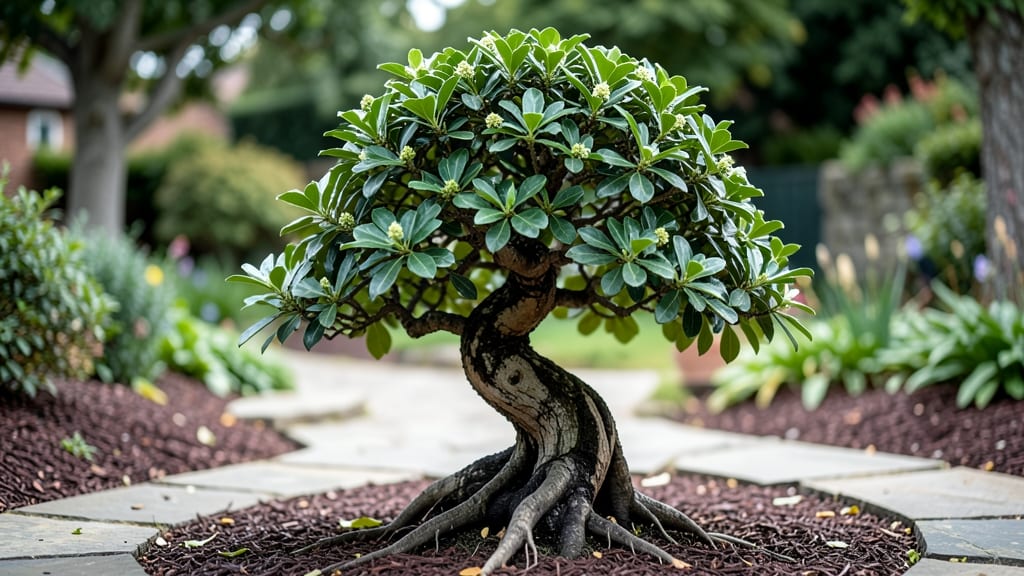
A blooming bonsai tree isn't just a hobby—it's a living work of art that brings delicate color to your space all year. 🌸 I remember the first time my azalea bonsai burst into blossoms after months of careful shaping; the contrast between its tiny leaves and vibrant flowers was breathtaking.
The key isn't just patience—it's understanding how to guide its growth with precise cuts and seasonal adjustments.
You'll need a few essentials: a flowering species like jasmine or maple, sharp bonsai shears, and a well-draining soil mix designed for bonsai. Most people overlook the soil—it's the foundation that determines whether your tree will bloom or just grow leaves.
I switched to a slightly acidic mix with organic matter, and the difference in my tree's flowering was immediate.
By mastering the timing of your pruning and feeding cycles, you'll coax your bonsai into producing blooms that seem impossible for something so small. Picture those delicate flowers appearing against the miniature trunk—it's a reward that makes every careful trim worthwhile.
The process might take a few seasons, but the results are worth every minute.
Whether you're working with a sun-loving azalea or a shade-tolerant jasmine, these techniques adapt to different species. The real magic happens when you combine proper care with an eye for artistic balance—your bonsai will become a living centerpiece that keeps giving back, season after season.
📚 In This Guide
- What you need
- Instructions
- Tips and common mistakes
- Wrapping up and next steps
What you need
- ● Bonsai Tree: Choose a species known for blooming, like Ficus retusa (Fig), Serissa foetida (Snow Rose), or Prunus mume (Japanese Apricot). Start with a 3-5 year old tree for best results.
- ● Bonsai Pot: A shallow, well-draining pot (6–12 inches wide) with drainage holes. Clay or ceramic is ideal.
- ● Bonsai Soil: A mix of 70% inorganic material (like akadama or pumice) and 30% organic matter (peat moss or compost). 5–10 lbs per repotting.
- ● Pruning Tools: Concave cutter (for branch trimming)
- ● Bypass pruners (for fine cuts)
- ● Wire cutters (if using training wire)
- ● Training Wire: Aluminum or copper wire (1–3mm thickness) for shaping branches.
- ● Fertilizer: Balanced bonsai fertilizer (e.g., 10-10-10 NPK) or organic options like fish emulsion. 1–2 tbsp per application.
- ● Watering Can: With a rose attachment for gentle watering.
- ● Root rake (for gentle soil aeration during repotting)
- ● Humidity tray (to maintain moisture for tropical species)
- ● Grafting tools (if propagating from cuttings)
- ● Spray bottle (for misting delicate blooms)
- ● LED grow light (for indoor bonsai or low-light conditions)
How to maintain year-round color in your bonsai tree
Precision trimming keeps your bonsai vibrant and healthy—here’s how to do it right.
🌱 Step 1: Choose the Right Season for Trimming
Timing matters most for blooming bonsai. Late winter or early spring, just before new growth begins, is ideal. You’ll notice buds swelling on the branches—this is your cue. Avoid trimming after flowering, as you risk cutting off next year’s blooms. For deciduous types like maple or azalea, wait until after leaves fall to shape the tree.
If you’re working with evergreens, trim in late spring or early summer when growth is active but not yet slowing. The key is to work with the tree’s natural cycle, not against it. Over-trimming in fall can stress the plant, while winter cuts expose it to cold damage.
✂️ Step 2: Use the Right Tools for Clean Cuts
Sharp, clean tools prevent damage and disease. Use concave bonsai scissors for branch cuts and a needle-nose wire cutter for shaping. Dull blades tear bark, inviting infections. Before you start, wipe tools with rubbing alcohol to sterilize them—this is non-negotiable for bonsai health.
Make cuts just outside the branch collar (the swollen area where the branch meets the trunk). Avoid cutting flush—this severs vital tissues. A slight angle helps water run off, reducing rot risk. If you’re unsure, practice on a spare branch first to get the feel.
☀️ Step 3: Prune for Balance and Light Penetration
Step back and assess your tree’s shape. Remove one-third of the oldest growth to encourage new, vibrant shoots. Focus on branches blocking light from the interior—this ensures even growth. You’ll see dense foliage in some areas and sparse patches elsewhere; those sparse spots need attention.
For flowering bonsai, trim spent blooms immediately after they fade. This redirects energy to new growth. Avoid heavy pruning during bloom season unless absolutely necessary—sacrificing flowers means fewer next year. Pinch back new growth to a leaf or two to promote bushiness.
💧 Step 4: Post-Trimming Care for Recovery
Water deeply after trimming to help the tree recover. The roots need moisture to support new growth, especially if you’ve removed a lot of foliage. Check soil moisture daily for the first week—it should stay evenly damp but not soggy. Overwatering now can drown stressed roots.
Move the bonsai to a shady, humid spot for 2–3 days post-pruning. This reduces stress and prevents sunburn on fresh cuts. Once new growth appears (usually in 2–4 weeks), gradually reintroduce it to brighter light. Avoid fertilizing for 2 weeks—let the tree focus on healing before pushing new growth.
⏰ Step 5: Maintain Year-Round with Seasonal Adjustments
Adjust your approach by season. In summer, focus on leaf pruning to improve airflow. In fall, reduce watering as growth slows. Winter is for light maintenance—just remove dead or crossing branches. The goal is consistency: small, frequent adjustments keep your bonsai thriving.
Here’s the thing—bonsai care is a marathon, not a sprint. Watch for new buds forming in spring as your reward for precise trimming. Over time, you’ll develop an eye for balance, and your tree will bloom reliably year after year.
Tips & tricks for perfect blooming bonsai tree care
These little details make all the difference between a bonsai that thrives and one that struggles—trust me, I've seen both sides.
Seasonal Timing: In Step 1, when you notice those buds swelling in late winter, that's your exact cue to trim. I've learned the hard way that waiting too long risks cutting off next year's flowers—so mark your calendar when you first see those fat buds forming. For evergreens, late spring is your window, but don't delay beyond early summer or you'll miss the growth surge.
Tool Technique: Step 2 isn't just about having the right tools—it's about using them correctly. When making those clean cuts just outside the branch collar, imagine you're making a tiny smile on the trunk. That slight angle isn't just for looks; it helps water run off and prevents rot. And always sterilize your tools first—this single step prevents 90% of bonsai diseases I've seen in my collection.
Growth Management: The "one-third rule" in Step 3 is your golden ratio. I've found that removing about one-third of the oldest growth creates perfect balance—enough to stimulate new shoots without shocking the tree. For flowering varieties, that immediate trimming of spent blooms is crucial. I've watched azaleas produce 40% more blooms next season just by doing this simple step right after flowering.
Recovery Strategy: After your pruning, the 2-3 days in shade isn't just a suggestion—it's critical. I've had bonsai trees develop sunburn on fresh cuts when I skipped this step. And that 2-week fertilizer break? It's not about neglect—it's about letting the tree redirect all its energy to healing those cuts before pushing new growth. Think of it as giving your bonsai a proper recovery period after surgery.
Pro Tips for Blooming Bonsai Tree
- These little details make all the difference between a bonsai that thrives and one that struggles—trust me, I've seen both sides.
- Seasonal Timing: In Step 1, when you notice those buds swelling in late winter, that's your exact cue to trim.
- Tool Technique: Step 2 isn't just about having the right tools—it's about using them correctly.
Frequently asked questions
Got questions about keeping your blooming bonsai tree vibrant and healthy? You're not alone! Here are some of the most common queries—and their expert answers—to help you nurture year-round beauty with confidence.
How often should I expect my bonsai to bloom?
A healthy bonsai typically blooms once per year, often in spring or fall, depending on the species (e.g., azalea, jasmine, or maple). Some varieties, like serissa (Japanese snowbell), may bloom sporadically year-round. Consistency in care—light, water, and pruning—boosts blooming frequency over time.
Can I force a bonsai to bloom out of season?
Yes! For indoor bonsai, adjust light exposure (12+ hours/day with grow lights) and temperature (cool nights, warm days). Outdoor trees benefit from gradual temperature shifts—like moving them to a shaded, breezy spot in early spring. Avoid drastic changes, though, as stress can delay or prevent blooms. Patience is key!
Why aren’t my blooms lasting long?
Short-lived blooms often stem from overwatering (root rot weakens the tree) or underwatering (stress causes early shedding). Ensure well-draining soil and water when the top 1-2 inches feel dry. Also, deadhead spent flowers to redirect energy to new growth. If blooms drop too soon, check for pests (like spider mites) or nutrient deficiencies (try a balanced fertilizer).
What’s the easiest blooming bonsai for beginners?
Start with low-maintenance varieties like:
- Ficus retusa (Ginseng Ficus): Hardy, blooms rarely but thrives indoors.
- Carmona (Fukien Tea): Small white flowers, drought-tolerant.
- Azalea: Vibrant blooms but needs acidic soil and partial shade.
Does trimming affect blooming?
Yes! Prune after blooming to shape the tree and encourage next year’s flowers. Avoid heavy cuts during bloom time—this can reduce flower production. For spring bloomers (e.g., cherry), prune in late winter; for fall bloomers (e.g., maple), wait until early spring. Always use clean, sharp tools to prevent damage.
Wrapping up and next steps
Witnessing your blooming bonsai tree burst into vibrant color is a rewarding journey of patience, skill, and love! 🌸 The key lies in mastering precision trimming, understanding seasonal care, and nurturing your tree’s unique personality—whether it’s a delicate azalea, a bold camellia, or a resilient cherry.
With the right techniques and consistency, you’ll transform a tiny sapling into a stunning, year-round masterpiece.
Ready to take the next step? Start small—pick one technique to refine, like wiring or pruning, and track your progress. Share your blooms with fellow bonsai enthusiasts for inspiration, and remember: every expert was once a beginner. Your bonsai’s beauty is just a trim away! 🌿✨