Pruning
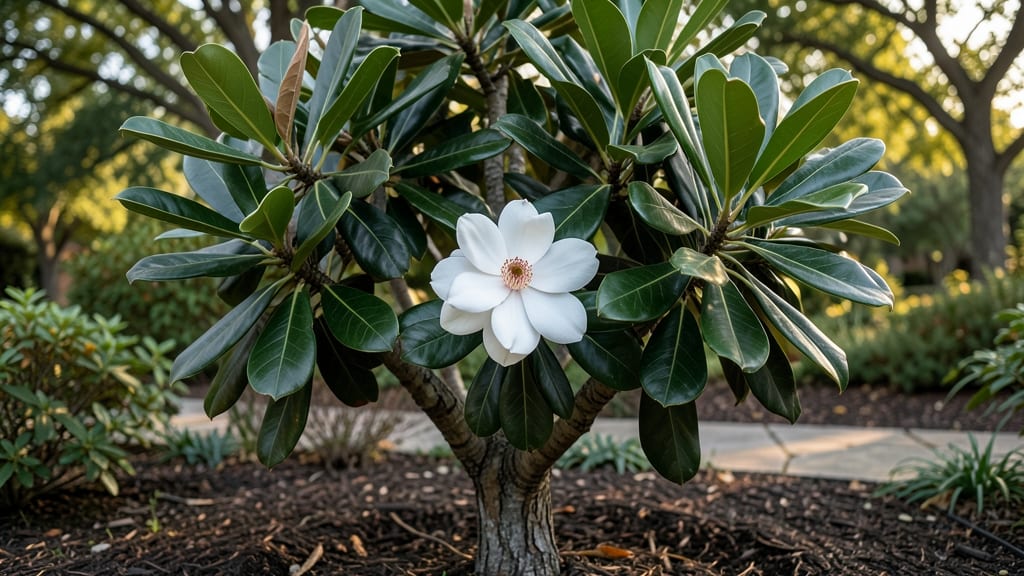
Caring for a magnolia tree means treating it like the living sculpture it is—every cut, every season matters. 🌿 I’ve watched mine go from a scraggly sapling to a 15-foot showstopper with glossy leaves and fragrant blooms, and the difference comes down to knowing exactly when and how to prune, water, and feed it.
Most people overlook the subtle details that make all the difference, like avoiding winter pruning or letting the soil dry out too much.
The key to keeping your magnolia thriving lies in three critical habits: pruning only after blooms fade, watering deeply but infrequently, and using a slow-release fertilizer in early spring. My tree blooms so heavily now that neighbors ask how I do it—it’s not magic, just consistency.
Even experienced gardeners skip the seasonal soil checks that prevent root rot, and that’s where problems start.
By summer’s end, you’ll have a tree that’s stronger, fuller, and more disease-resistant than you thought possible. The blooms will be bigger, the leaves richer, and the structure so balanced it looks like it belongs in a botanical garden.
The secret isn’t complicated—it’s precision in small things done at the right time.
Whether you’re dealing with a young sapling or a mature tree, these methods adapt easily. The same principles work for Southern magnolias, saucer magnolias, and even the rare star magnolia. Let’s get your tree looking its absolute best—season after season.
📚 In This Guide
- What you need
- Instructions
- Tips and common mistakes
- Wrapping up and next steps
What you need
- ● Pruning shears: Bypass pruners (sharp, clean, and sterilized with rubbing alcohol or bleach solution—1:10 ratio). Size: 6-8 inches for small branches.
- ● Loppers: For thicker branches (½–1½ inches in diameter). Look for: Ratchet-style for leverage.
- ○ Pruning saw: Curved-tooth saw for branches >1½ inches. Optional: Lubricant to reduce friction.
- ● Gloves: Heavy-duty, cut-resistant gloves (e.g., leather or Kevlar) to protect hands from thorns.
- ● Disinfectant: 70% isopropyl alcohol or 10% bleach solution (for sterilizing tools between cuts).
- ● Tarp or drop cloth: 4x6 ft to collect debris and protect the ground.
- ○ Pruning sealant: (Optional but helpful) Wound dressing for cuts >½ inch in diameter (e.g., Tanglefoot Pruning Seal).
- ● Extension pole: For high branches (attach pruners/loppers to reach safely).
- ● Ladder: Sturdy, non-slip ladder (if tree exceeds 10 ft tall).
- ● Garden kneeler: For comfort when working on the ground.
- ● Magnifying glass: To inspect buds and small cuts closely.
- ● Notebook & pen: To track pruning dates, notes on growth, or issues spotted.
How to maintain a thriving magnolia tree through strategic pruning
Here’s the straightforward system I use to keep magnolias healthy and blooming beautifully—no guesswork involved.
✂️ Step 1: Prune After Flowering for Next Year’s Blooms
Wait until late spring or early summer—after your magnolia has finished flowering but before new growth hardens. This timing ensures you don’t accidentally remove next year’s flower buds, which form on last year’s wood. I always prune on a dry, overcast day to reduce stress on the tree.
Focus on removing dead, diseased, or crossing branches first. Use clean, sharp pruning shears to make cuts just outside the branch collar (the swollen area where the branch meets the trunk). Avoid cutting into the trunk itself—this invites rot. For larger branches, I use loppers or a pruning saw, making the cut at a slight angle to prevent water from pooling.
If your magnolia has leggy growth, you can lightly trim back some of the longer branches by one-third to encourage bushier, more compact growth. Just don’t overdo it—magnolias respond poorly to heavy pruning. You’ll know you’re on the right track when the tree’s canopy looks open and air can circulate freely through the branches.
💧 Step 2: Water Deeply During Drought and Dry Spells
Magnolias have deep roots, so they need deep, infrequent watering rather than frequent shallow drinks. Water once a week during the first year after planting, then every 10-14 days once established—unless your area experiences a heatwave or prolonged dry spell. Check the soil 6 inches deep with your finger; if it’s dry, it’s time to water.
When watering, soak the root zone thoroughly—aim for 1-2 gallons spread evenly around the base of the tree. Avoid wetting the foliage, as this can encourage fungal diseases. Mulch around the base with 2-3 inches of organic mulch (like shredded bark) to retain moisture and regulate soil temperature. Keep the mulch 6 inches away from the trunk to prevent rot.
Here’s the thing—magnolias are drought-tolerant once established, but young trees need consistent moisture. If the leaves start wilting or curling, that’s your signal to water immediately. Yellowing leaves, however, usually mean overwatering or poor drainage. Adjust your watering schedule based on what you see.
☀️ Step 3: Provide the Right Light and Shelter
Magnolias thrive in full sun to partial shade, depending on the variety. Southern magnolias, for example, can handle full sun, while saucer magnolias prefer morning sun and afternoon shade in hot climates. Observe your tree’s leaves—if they’re scorched or bleached, it’s getting too much direct sun. If they’re small and sparse, it might need more light.
Young magnolias benefit from light protection during their first few years, especially in windy areas. Use burlap screens or temporary windbreaks if your tree is exposed. Once established, magnolias develop strong wood, but their large leaves can get damaged in storms. Prune out weak or storm-damaged branches as soon as you notice them to keep the tree healthy.
Fertilizing isn’t usually necessary for mature magnolias, but if your tree looks stunted or lacks vigor, apply a balanced, slow-release fertilizer in early spring. Follow the package instructions, but never fertilize in fall or winter—this can encourage tender new growth that won’t survive frost.
⏰ Step 4: Monitor for Pests and Diseases Year-Round
Magnolias are generally pest-resistant, but scale insects, spider mites, and borers can still be a problem. Inspect the undersides of leaves and branch crevices regularly for signs of infestation—sticky residue (honeydew), tiny webs, or holes in leaves are red flags. Treat infestations early with neem oil or insecticidal soap, following label instructions carefully.
Fungal diseases like anthracnose or powdery mildew can appear as spots, mold, or discolored leaves. Improve air circulation by pruning dense branches and avoid overhead watering. If you spot these issues, remove affected leaves and apply a fungicide if needed. Prevention is key—keep the area under the tree clean and free of fallen leaves to reduce disease risk.
Real talk: Magnolias are low-maintenance, but they do reward patience. A healthy tree will produce stunning blooms for decades with just a little attention. The best part? Once you’ve got the basics down—pruning, watering, and watching for pests—your magnolia will thrive with minimal effort.
Tips & tricks for perfect magnolia tree care
Confession: I skipped proper pruning for years and wondered why my magnolia never bloomed reliably. These small adjustments make all the difference.
Timing is Everything: The late spring to early summer window is critical—this is when flower buds for next year are already forming on last year's wood. If you prune too early, you risk removing those buds before they set. Mark your calendar for when your tree finishes blooming, then wait another 2-3 weeks before pruning. This timing ensures you're only removing dead or problematic branches, not future blossoms.
Tool Sharpness Matters: Dull pruning shears create jagged cuts that invite disease. Before you start, test your tools on a few twigs—if they crush rather than cut cleanly, sharpen them first. I keep a small file in my toolbox specifically for this purpose. For larger branches, use loppers or a pruning saw, but always make your cut just outside the branch collar at a slight angle. This technique promotes faster healing and prevents water from pooling in the wound.
Watering Wisdom: The 6-inch soil check is your best friend. Stick your finger into the soil at that depth—if it feels dry, it's time to water. When you do water, focus on the root zone, not the leaves. I use a soaker hose for this purpose, which delivers water directly to the roots while keeping foliage dry. The 2-3 inches of organic mulch you apply should stay moist but not soggy—this helps regulate soil temperature and moisture levels perfectly.
Pest Prevention: Regular inspections are your first line of defense against pests. I make it a habit to check the undersides of leaves and branch crevices every other week during growing season. Look for sticky residue (a sign of scale insects) or tiny webs (spider mites). At the first sign of trouble, treat with neem oil or insecticidal soap—both are effective and safer than chemical alternatives. Prevention is easier than dealing with an infestation later.
Pro Tips for Caring For A Magnolia Tree
- Confession: I skipped proper pruning for years and wondered why my magnolia never bloomed reliably.
- Timing is Everything: The late spring to early summer window is critical—this is when flower buds for next year are already forming on last year's wood.
- Tool Sharpness Matters: Dull pruning shears create jagged cuts that invite disease.
Frequently asked questions
Got questions about keeping your magnolia tree thriving? Here are some of the most common concerns—plus quick, expert-backed answers to help you care for your tree with confidence!
When is the best time to prune a magnolia tree?
The ideal time depends on your magnolia type. For flowering magnolias (like Magnolia grandiflora), prune immediately after blooming (late spring/early summer) to avoid cutting off next year’s buds. Non-flowering varieties can be pruned in late winter or early spring while dormant. Never prune in fall—it can stimulate late growth that’s vulnerable to frost damage.
How do I know if I’m pruning correctly?
Look for these key signs of healthy pruning:
- Cut at the branch collar (the swollen area where the branch meets the trunk). Avoid leaving stubs—this invites disease.
- Remove no more than 25% of the canopy in one year to avoid stressing the tree.
- Prioritize dead, diseased, or crossing branches first—they’re the easiest to spot and fix.
- Avoid “topping” (cutting the main trunk flat). This harms the tree’s structure and growth.
Why are my magnolia leaves turning yellow or brown?
Yellowing or browning leaves usually signal one of these issues:
- Overwatering: Magnolias hate soggy roots. Ensure soil drains well and water only when the top 2–3 inches are dry.
- Underwatering: Drooping leaves + dry soil = thirsty tree. Deep water 1–2 times per week (more in heatwaves).
- Fungal diseases (like powdery mildew): Prune for airflow, avoid overhead watering, and treat with neem oil if needed.
- Nutrient deficiency: Pale yellow leaves? Test soil and amend with acid-loving plant fertilizer (pH 5.0–6.0).
Can I grow a magnolia tree in a pot?
Yes! Dwarf varieties (like Magnolia ‘Little Gem’ or ‘Ann’) thrive in containers, but full-size magnolias need ground planting long-term. Here’s how to pot successfully:
- Use a large pot (18"+ diameter) with drainage holes.
- Plant in acidic, well-draining potting mix (add peat moss or pine bark).
- Place in partial shade (morning sun, afternoon shade).
- Water frequently—potted trees dry out faster. Fertilize monthly in spring/summer.
Will pruning my magnolia tree reduce its flowers?
Not if done correctly! Pruning after flowering (for spring-bloomers) or in late winter (for summer-bloomers) won’t harm buds—in fact, it can encourage more blooms by improving airflow and sunlight. The only exception is heavy pruning (over 30% of the canopy), which may delay flowering for 1–2 years. Focus on shaping and health first!
Wrapping up and next steps
Caring for your magnolia tree is all about precision, patience, and love—and you’re already on the right path! With the right tools, timing, and techniques, you’ll nurture a stunning, healthy tree that thrives for years. Remember, small, thoughtful cuts make a big difference, especially during its dormant season.
Now that you’re armed with knowledge, grab those pruners and give your magnolia the attention it deserves. Watch it bloom beautifully—your effort will shine! 🌸✨