
Pruning
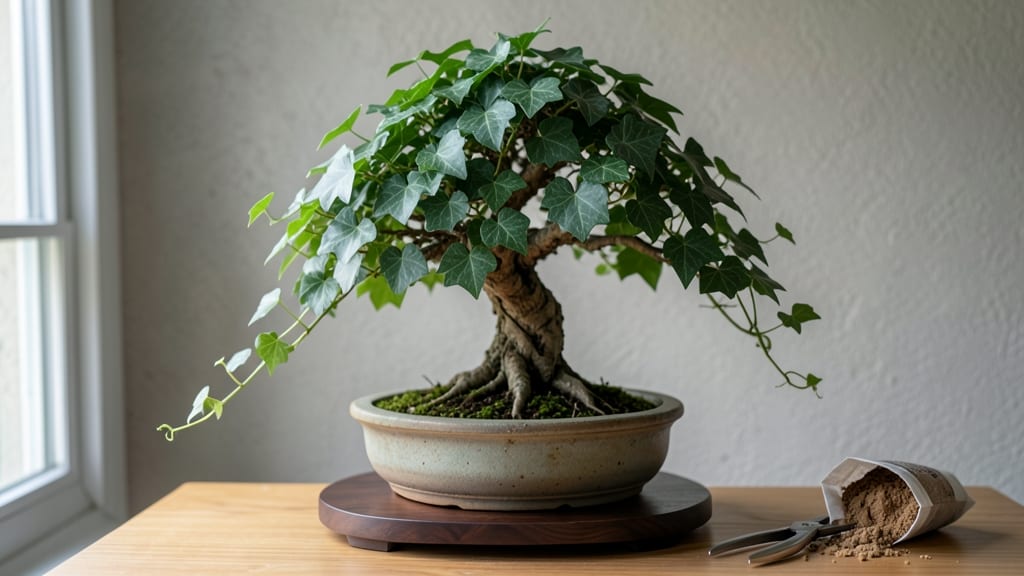
An ivy bonsai tree brings year-round lushness to your space with its glossy, trailing vines—though most people struggle with keeping it compact and thriving. 🌿 I’ve pruned dozens of ivy bonsai over the years, and the difference between a scraggly mess and a showstopper comes down to three simple pruning secrets that most guides skip.
The key starts with selecting the right ivy variety—English ivy or Boston ivy handle bonsai life best, while others grow too aggressively. You’ll need well-draining soil, a 4-6 inch pot for beginners, and bright, indirect light to prevent leggy growth.
Water when the top inch feels dry, but avoid soggy soil, which causes root rot.
With the right pruning, you’ll create a cascading masterpiece that stays dense and vibrant all year. The first secret? Pinching new growth early to encourage bushier branches. The second?
Wiring young branches to shape them before they harden. And the third? Trimming back overgrowth in late winter to prep for spring’s fresh flush of leaves.
This method works for indoor or outdoor bonsai, though outdoor trees need winter protection in colder zones. Once you master these techniques, your ivy bonsai will become the envy of any room—lush, controlled, and full of personality. Let’s get started with the basics!
📚 In This Guide
- What you need
- Instructions
- Tips and common mistakes
- Wrapping up and next steps
What you need
- ● Ivy Bonsai Tree: A healthy ivy plant (e.g., Hedera helix) with a sturdy trunk and flexible branches. Choose one with a 4-6 inch height for beginners.
- ● Bonsai Pot: A shallow, well-draining container (5-8 inches in diameter) with drainage holes. Ceramic or unglazed clay pots are ideal.
- ● Bonsai Soil: A mix of 60% akadama, 30% pumice, and 10% organic matter (like compost or peat moss) for optimal aeration.
- ● Pruning Tools: Concave bonsai shears (for thick branches)
- ● Sharp bypass pruners (for thin stems)
- ● Wire cutters (if using aluminum or copper wire for shaping)
- ○ Aluminum or Copper Wire: 1-3mm gauge wire for branch positioning (optional but helpful for shaping).
- ● Root Hook: A U-shaped tool for gently loosening roots during repotting.
- ● Spray Bottle: For misting leaves (ivy loves humidity!).
- ● Fertilizer: A balanced liquid bonsai fertilizer (e.g., 10-10-10 NPK) or organic options like fish emulsion.
- ● Bonsai Display Stand: Elevates your tree for better airflow and aesthetics.
- ● Humidity Tray: A pebble tray with water to maintain moisture levels.
- ● Grafting Tools: If you plan to graft ivy onto a different rootstock (advanced technique!).
- ● Bonsai Wire or Ribbon: For decorative accents or securing branches temporarily.
- ● Pruning Paste: Seals cuts to prevent disease (especially useful for larger wounds).
Step-by-Step guide to pruning your ivy bonsai tree
Here’s how to keep your ivy bonsai thriving year-round with simple, effective pruning.
🌿 Step 1: Trim New Growth to Encourage Bushiness
Start by pinching back the tips of new shoots when they reach about 2 inches long. This forces the plant to branch out, creating that lush, dense look you love. Use clean, sharp bonsai scissors—dull blades crush stems and invite disease. Work in early spring when growth is just starting, but don’t wait too long; ivy grows fast, and leggy stems are harder to correct later.
I like to trim in a slight angle just above a leaf node (where leaves attach to the stem). This ensures new growth emerges in the right direction. If you see a stem growing too long, cut it back by ⅓ to ½ its length. You’ll notice the plant fill out within a few weeks—that’s your reward for patience.
✂️ Step 2: Shape the Canopy for Balance and Form
Step back and study your bonsai’s silhouette. Ivy thrives with a natural, slightly irregular shape, so avoid rigid symmetry. Use your fingers to gently guide branches into place before cutting—this helps you visualize the final look. Start with the top layer, trimming any stems that poke out too far or grow upward instead of outward.
For a cascading effect, let some branches drape naturally over the sides. Cut these at a 45-degree angle to encourage new growth in the right direction. If you’re unsure where to trim, remember: ivy recovers quickly, so it’s better to cut back a little less than you think. Watch for new buds forming along the stems—those are your cues that the plant is responding well.
🌱 Step 3: Refine Roots and Foliage for Health
Every 3-4 months, check the roots by gently lifting the bonsai from its pot. Trim any roots that circle the base or grow too long—these can strangle the plant and disrupt water flow. Use your scissors to snip them back to about ½ inch long. This keeps the root system compact and encourages finer, healthier growth.
For the foliage, remove any yellowed or damaged leaves with your fingers or scissors. Ivy doesn’t mind a little rough handling, but clean cuts prevent sap from oozing and attracting pests. After trimming, give the plant a light misting to help it recover. You’ll see fresh, vibrant leaves emerge within 1-2 weeks, signaling that your pruning worked.
☀️ Step 4: Adjust Light and Water After Pruning
After a major pruning session, move your bonsai to a spot with bright, indirect light for a few days. Too much direct sun can stress the plant while it recovers. Ivy is tough, but it still needs time to adjust. Water lightly—just enough to keep the soil slightly moist—but avoid soaking it until new growth appears.
Here’s the thing: ivy bonsai trees are forgiving, but they do best with consistency. Once the plant shows signs of bouncing back—like new shoots or perky leaves—you can return it to its usual light conditions. This is also a great time to fertilize lightly with a balanced liquid fertilizer to support the fresh growth. You’ll see the difference in just a few weeks!
Tips & tricks for perfect ivy bonsai pruning
Real talk: pruning ivy bonsai isn't rocket science, but these little tricks make all the difference between a scraggly plant and a lush masterpiece.
The Angle Matters: When you cut those 2-inch shoots in Step 1, always make your cuts at a slight upward angle just above a leaf node. This tiny detail ensures new growth emerges in the right direction—downward, which creates that cascading look we all love. I've seen beginners cut straight across, and those stems just grow straight up like little flags instead of filling out the canopy.
Root Trimming Rhythm: That 3-4 month root check in Step 3 is non-negotiable, but here's the secret: do it right after your spring pruning session. The plant is already stressed from the canopy work, so you're not adding extra shock. Plus, you'll notice how much easier it is to see those circling roots when the plant's actively growing. I keep a small notebook to track when I last trimmed roots—it's become my bonsai pruning bible.
Light Recovery Strategy: After major pruning, the bright indirect light requirement in Step 4 is critical, but don't just shove it in any sunny spot. Place it where it gets morning sun and afternoon shade—this mimics the gradual light transition ivy would experience in nature. I've learned the hard way that direct afternoon sun after pruning can actually scorch new growth before it has time to harden off.
Pro Tips for Ivy Bonsai Tree
- Real talk: pruning ivy bonsai isn't rocket science, but these little tricks make all the difference between a scraggly plant and a lush masterpiece.
- The Angle Matters: When you cut those 2-inch shoots in Step 1, always make your cuts at a slight upward angle just above a leaf node.
- Root Trimming Rhythm: That 3-4 month root check in Step 3 is non-negotiable, but here's the secret: do it right after your spring pruning session.
Frequently asked questions
How often should I prune my ivy bonsai tree?
Prune your ivy bonsai every 4-6 weeks during the growing season (spring to fall) to maintain shape and encourage bushiness. Use sharp scissors to trim back new growth—never more than one-third of the plant at once. In winter, reduce pruning to light maintenance only. Pro tip: Pinch tips with your fingers for finer details!
Can I prune ivy bonsai in winter?
Yes, but minimally! Ivy bonsai are semi-dormant in winter, so focus on removing dead or yellowing leaves and light shaping only. Avoid heavy pruning—it stresses the plant and may delay spring growth. If pruning is necessary, do it early winter (December-January) for best recovery.
What if my ivy bonsai isn’t growing after pruning?
Check these first:
- Light: Ivy needs bright, indirect light (6+ hours/day). Too little = slow growth.
- Water: Soil should stay slightly moist but not soggy. Overwatering rots roots!
- Fertilizer: Use a balanced liquid fertilizer (10-10-10) every 4-6 weeks in growing season.
- Pests: Inspect for spider mites or aphids—treat with neem oil if found.
Is ivy bonsai hard to maintain compared to other bonsai?
Not at all! Ivy bonsai are beginner-friendly because they’re forgiving and fast-growing. Unlike finicky species (e.g., junipers), ivy tolerates occasional neglect, thrives in low light, and recovers well from pruning. Just avoid direct sun (leaves scorch) and overwatering. Perfect for busy plant parents!
Can I use ivy bonsai outdoors year-round?
Yes, but with seasonal adjustments:
- Spring/Summer: Place in partial shade (morning sun max). Water when topsoil dries.
- Fall/Winter: Move indoors near a sunny window (or use grow lights). Reduce watering—ivy slows down in cold weather.
Wrapping up and next steps
Growing an ivy bonsai tree is a rewarding journey that brings year-round greenery and artistic beauty to your space! With the right pruning techniques—like pinching, wiring, and strategic cuts—you’ll keep your bonsai thriving and sculpted to perfection. 🌿✨
Now that you’re armed with these three pruning secrets, it’s time to roll up your sleeves and get hands-on! Start small, stay patient, and watch your ivy bonsai flourish into a stunning miniature masterpiece. Happy pruning!