
Landscaping
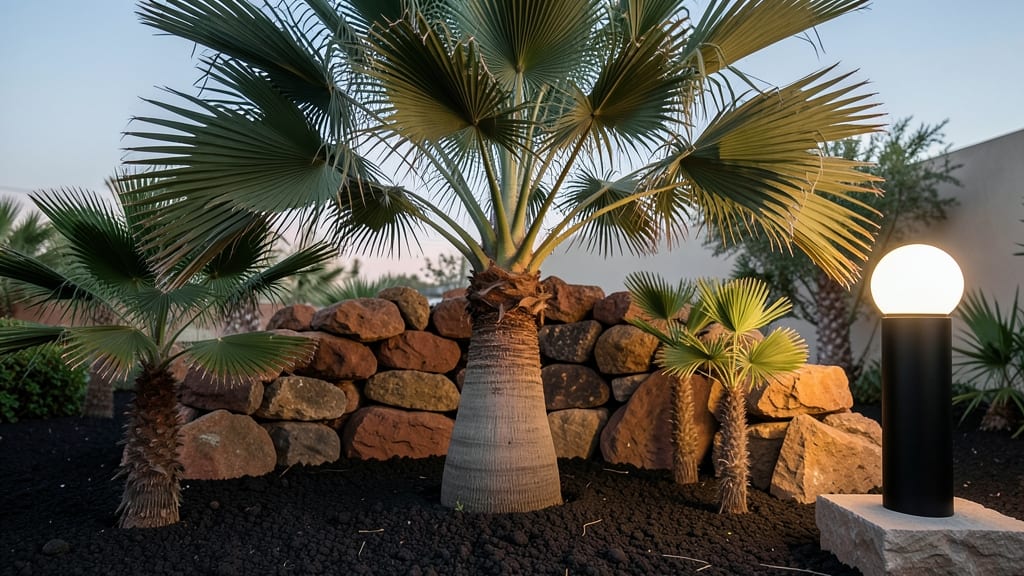
Creating a backyard landscape with palm trees transforms ordinary spaces into sun-drenched escapes. ✨ The first time I saw a single palm swaying against a brick wall, I knew my yard could feel just as inviting—even in Zone 7.
It's all about choosing the right species for your climate and pairing them with plants that love the same conditions.
You don't need acres to pull this off. A single Mexican fan palm in a large container adds instant drama to a patio, while dwarf palmetto palms work beautifully in raised beds or mixed borders.
The key is matching them with drought-tolerant companions like yucca, agave, or bougainvillea—plants that thrive in the same hot, sunny conditions. Most palm varieties need full sun and well-draining soil, so amending heavy clay with compost makes all the difference.
What you end up with is a space that feels like a vacation destination year-round. The rustle of palm fronds in the breeze, the architectural contrast of their trunks against flowering shrubs, and the way they frame outdoor seating—it's the kind of transformation that makes neighbors stop and stare.
Plus, palms require minimal pruning once established, so the maintenance stays simple.
Works in coastal climates, desert landscapes, or even urban courtyards with the right species selection. Here's how to design your own tropical retreat without breaking the bank or overcomplicating the process.
📚 In This Guide
- What you need
- Instructions
- Tips and common mistakes
- Wrapping up and next steps
What you need
- ● Palm Trees: 3–5 mature palm trees (e.g., Areca, Canary Island, or Mexican Fan Palm), depending on space. Opt for 3–6 ft tall for quick impact.
- ● Soil: 10+ bags of well-draining tropical soil mix (or amend native soil with sand and compost for aeration).
- ● Mulch: 5–10 bags of pine bark or coconut coir mulch (3–4 inches deep) to retain moisture.
- ● Fertilizer: Slow-release palm-specific fertilizer (e.g., Miracle-Gro Shake ‘n Feed Palm Food) or organic options like fish emulsion.
- ● Shovel & Spade: For digging holes (1.5x wider than root ball).
- ● Wheelbarrow: For transporting soil and mulch.
- ● Garden Gloves & Knee Pads: Comfort is key!
- ● Hose with Nozzle: For deep watering (or a drip irrigation system for efficiency).
- ● Pruners: Sharp bypass pruners for trimming fronds.
- ● Decorative Stones: River rocks or lava rock for a polished look.
- ● Outdoor Lighting: Solar-powered path lights or string lights for ambiance.
- ● Hardscaping: Teak benches, a fire pit, or a wooden pergola for shade.
- ● Companion Plants: Add hibiscus, bird-of-paradise, or bromeliads for extra tropical flair.
Step-by-Step guide to designing a palm tree landscape
Here's how to create a stunning tropical retreat that thrives in your climate.
🌿 Step 1: Assess Your Climate and Select Suitable Palm Species
Palms thrive in USDA Zones 8-11, but some varieties tolerate cooler climates with winter protection. For full sun exposure, choose cold-hardy types like Windmill Palm (Zone 7) or Needle Palm (Zone 6), while Coconut Palm and Royal Palm need Zones 10-11. Check your last frost date—palms planted too early risk cold damage.
I always research local microclimates first. A south-facing yard stays warmer than north-facing, so you might extend your palm range by a zone. Group similar-sized palms together for a cohesive look—mix mature specimens with younger ones to create depth. Avoid planting near large trees; their roots compete for water and nutrients.
🪴 Step 2: Prepare the Soil and Planting Sites
Palms prefer well-draining soil with a slightly acidic to neutral pH (6.1-7.5). Amend heavy clay soil with 3-4 inches of organic compost or sand to improve drainage. If your soil is sandy, mix in 1-2 inches of peat moss to retain moisture. Test drainage by digging a 12-inch hole—if water pools after 30 minutes, raise the planting mound.
Dig holes twice as wide as the root ball but only as deep. Position the palm so the top of the root ball sits 1-2 inches above ground level—this prevents rot. I always loosen the roots slightly before planting to encourage outward growth. Space palms 10-20 feet apart, depending on mature size (check species tags).
☀️ Step 3: Plant and Establish for Long-Term Health
Remove the palm from its container and place it in the hole, backfilling with native soil mixed with 1 cup of slow-release fertilizer (10-10-10 ratio). Water deeply to settle the roots, then add a 2-inch layer of mulch around the base, keeping it 6 inches away from the trunk to prevent rot. Mulch retains moisture and regulates soil temperature—critical in hot climates.
Water newly planted palms 2-3 times per week for the first month, then taper to once weekly once established. You’ll know they’re thriving when new fronds emerge every 3-4 months. Avoid overhead watering after planting—it can dislodge soil and damage young stems. If your area gets frost, wrap young palms in burlap or use frost cloth for the first few winters.
✂️ Step 4: Prune and Maintain for Year-Round Beauty
Prune dead or yellowing fronds at the base with clean, sharp pruners—never leave stubs. I schedule pruning in early spring before new growth starts. Remove fronds that droop or show signs of disease immediately to prevent spread. For larger palms, use sterilized pruning shears and wear gloves—some species have sharp spines.
Fertilize palms twice a year: once in early spring and again in early fall, using a balanced palm fertilizer (8-2-12 or similar). Over-fertilizing causes salt buildup, which burns roots. Watch for yellowing fronds—this often signals overwatering or nutrient deficiency. Adjust care based on your palm’s response: if growth slows, increase fertilizer; if leaves wilt, reduce water.
💧 Step 5: Enhance with Tropical Accents
Complement your palms with drought-tolerant ground covers like Asparagus Fern or Mondograss to soften the landscape. Add tropical plants like Bird of Paradise, Banana Trees, or Bromeliads for texture contrast. I always include a water feature—even a small pond or fountain—because the sound of moving water amplifies the tropical vibe.
Lighting transforms your oasis after dark. Install solar-powered path lights along walkways and uplighting around palm trunks to highlight their trunks and fronds. For safety, keep lights at least 3 feet away from palm bases to avoid fire hazards. Group plants with similar water needs together to simplify maintenance—your palms will thank you with lush, vibrant growth.
Tips & tricks for perfect palm tree landscaping
Creating a tropical paradise with palm trees isn't just about planting—it's about crafting an ecosystem that thrives. Here's what I've learned from years of transforming backyards into lush retreats.
Palm Species Selection: Don't just pick palms based on looks—consider their mature size and growth rate. A Dwarf Palmetto (Zone 7) might work in your cooler microclimate, while a Canary Island Date Palm (Zone 9-11) would struggle. I always check the species tag for cold tolerance and growth rate—some palms grow 2 feet per year, while others take decades to mature. This prevents future overcrowding issues.
Soil Preparation Secret: The 30-minute drainage test in Step 2 is critical—if water pools after this time, you're risking root rot. For heavy clay soils, I recommend mixing in equal parts sand and organic compost (about 3-4 inches each) to create the perfect balance. For sandy soils, add 1-2 inches of peat moss to help retain moisture without compacting. Remember, palms hate soggy feet!
Planting Depth Matters: Positioning the root ball 1-2 inches above ground level (as mentioned in Step 2) prevents water from pooling around the trunk. I've seen many gardeners plant too deep, which leads to rot. After planting, create a slight berm around the base to encourage water runoff. This small adjustment makes all the difference in long-term palm health.
Winter Protection Strategy: For palms in marginal zones, I recommend installing frost cloth or wrapping young trunks with burlap before the first frost. The key is to protect the growing points—these are typically at the base of the crown. I've had Windmill Palms survive Zone 5 winters with this protection, though they'll need more aggressive care in colder years.
Pro Tips for Landscape With Palm Trees
- Creating a tropical paradise with palm trees isn't just about planting—it's about crafting an ecosystem that thrives.
- Palm Species Selection: Don't just pick palms based on looks—consider their mature size and growth rate.
- Soil Preparation Secret: The 30-minute drainage test in Step 2 is critical—if water pools after this time, you're risking root rot.
Frequently asked questions
Got questions about creating your own tropical paradise with palm trees? Here are some of the most common queries—and their answers—to help you get started!
What are the best palm tree varieties for a backyard landscape?
Choose palms suited to your climate and space. For cold-hardy options, try Windmill Palms or Needle Palms. In warmer zones, Palmistry Palms or Mexican Fan Palms thrive. Dwarf varieties like Pygmy Date Palms work well for small yards. Always check local regulations—some areas restrict invasive species like Canary Island Date Palms.
How much water do palm trees need, and how often should I water them?
Newly planted palms need deep watering 2-3 times per week for the first year. Mature palms typically require watering once a week (or more in extreme heat). Overwatering is a common mistake—check soil moisture before watering. Mulching around the base helps retain moisture and regulate temperature.
Can palm trees survive in cold climates, and what’s the best way to protect them?
Most palms thrive in USDA zones 8-11, but some cold-hardy varieties (like Texas Sabal Palms) tolerate brief dips to 15°F. For frost-prone areas, wrap young trees in burlap, use frost cloth, or plant them near walls to trap heat. Avoid overhead watering before freezing temps—wet leaves can crack from ice.
How do I prune palm trees safely without damaging them?
Prune only dead or brown fronds (never more than 1/3 of the crown) to avoid stressing the tree. Use sharp, sterilized tools and wear gloves—palm fronds have razor-sharp edges! Focus on removing fronds at the base, not mid-stem. Never top palm trees—this kills them. For large palms, hire a professional arborist.
Are palm trees low-maintenance, or do they attract pests?
Palms are generally low-maintenance, but they can attract palm weevils, spider mites, or cochineal scale. Inspect fronds regularly for signs of pests (yellowing, wilting, or holes). Prevent issues with neem oil sprays or insecticidal soap. Healthy soil and proper watering reduce vulnerability. Most pests are rare in well-cared-for palms!
What are some palm tree alternatives if I want a tropical look but lower upkeep?
If palms seem high-maintenance, consider these tropical-looking alternatives:
- Yucca plants – Drought-tolerant, architectural, and pest-resistant.
- Bird of Paradise – Striking foliage and minimal pruning needs.
- Bamboo (clumping varieties) – Adds height and texture without invasiveness.
- Cypress trees – Provide shade and a lush, feathery appearance.
- Dracaena (Dragon Tree) – Slow-growing and dramatic with minimal care.
Wrapping up and next steps
A landscape with palm trees isn’t just a dream—it’s a vibrant, low-maintenance oasis that brings tropical charm and year-round beauty to your backyard. Whether you’re drawn to their sleek silhouettes, drought-resistant appeal, or that instant vacation vibe, palms transform any space into a serene escape. 🌴✨
Ready to take the next step? Start by sketching your vision—pick a few palm varieties that suit your climate and style, then gather your tools and materials. Before you know it, your backyard will feel like a hidden paradise! Which palm will you plant first?