
Trees
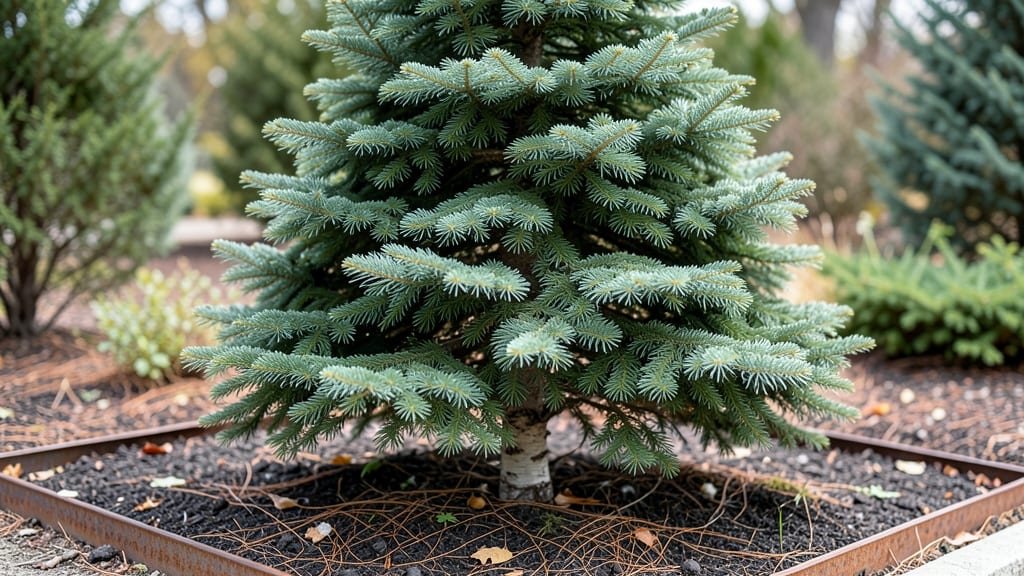
Fast-growing false cypress trees turn any yard into a lush, evergreen retreat—without the fuss of traditional evergreens. 🌿 I planted mine last spring, and within two years, they reached 6 feet with minimal effort.
The secret lies in their adaptability: they thrive in tight spaces, handle poor soil better than most, and stay green even when other plants struggle.
You only need well-draining soil, partial shade, and consistent moisture to get started. False cypresses love moist but not soggy conditions, making them perfect for rain gardens or areas with clay soil.
Varieties like 'Glauca' add silvery-blue foliage, while 'Filifera' offers dramatic thread-like branch tips—both grow 2-3 feet per year under ideal conditions.
By summer, you’ll see vibrant, feathery branches that stay vibrant year-round. Pruning is simple: just shape in early spring, and you’ll avoid the browning tips that plague many evergreens. These trees are also pest-resistant, so you’ll spend less time spraying and more time admiring their texture.
Works in zones 5-9, from city patios to woodland edges. Let’s get yours growing strong!
📚 In This Guide
- What you need
- Instructions
- Tips and common mistakes
- Wrapping up and next steps
What you need
- ● False cypress plants: 1-3 nursery-grown saplings (3-6 ft tall) or seeds (if propagating from scratch). Opt for Chamaecyparis lawsoniana or Chamaecyparis nootkatensis for classic varieties.
- ● Well-draining soil: A mix of peat moss, perlite, and compost (50:30:20 ratio) for pots or amended garden soil (pH 5.0–7.0).
- ● Organic mulch: 2–3 inches of pine bark or wood chips to retain moisture and suppress weeds.
- ● Fertilizer: Slow-release balanced 10-10-10 fertilizer (1 lb per 100 sq ft) or acid-loving plant fertilizer (e.g., Miracid).
- ● Watering can or hose: With a gentle spray nozzle to avoid damaging tender foliage.
- ● Pruning shears: Sharp, bypass-type shears (for shaping and maintenance).
- ● Garden gloves: Heavy-duty for handling soil and sharp tools.
- ● Shovel or trowel: For digging planting holes (1.5x wider than the root ball).
- ● Measuring tape: To ensure proper spacing (6–10 ft apart for mature trees).
- ○ Optional: Root stimulator (e.g., Mycorrhizal fungi) for faster establishment.
- ● Drip irrigation system for automated watering.
- ● Stakes and twine (if planting in windy areas).
Step-by-Step guide to planting and maintaining fast-growing false cypress trees
Here's how to get your trees off to a flying start—no waiting around for slow growth.
🪴 Step 1: Choose the Perfect Spot and Prepare the Soil
False cypress trees thrive in full sun to partial shade, so pick a location that gets at least 4-6 hours of sunlight daily. They tolerate a range of soil types but grow fastest in well-draining, slightly acidic soil with a pH between 5.0 and 7.0. If your soil is heavy clay, amend it with 2-3 inches of organic compost mixed into the top 12 inches of soil.
Dig a hole twice as wide as the root ball but only as deep as the container the tree came in. Loosen the sides of the hole with a shovel to encourage root spread. Here's the thing—false cypress roots can get waterlogged, so if your area has poor drainage, consider planting in a raised bed or mound the soil slightly to improve airflow.
🌱 Step 2: Plant with Care to Encourage Fast Establishment
Gently remove the tree from its container and loosen any circling roots with your fingers. Place it in the hole so the top of the root ball sits level with the surrounding soil—burying too deep can suffocate the roots. Backfill with the native soil, tamping lightly every 2-3 inches to remove air pockets but avoid compacting the roots.
Water deeply right after planting to settle the soil and eliminate air gaps. You'll know it's done right when water drains freely from the hole. Mulch around the base with 2-3 inches of shredded bark or pine needles, keeping it 6 inches away from the trunk to prevent rot. This keeps roots cool and retains moisture—critical for fast growth in the first year.
☀️ Step 3: Water and Fertilize for Rapid Growth
False cypress trees need consistent moisture but hate soggy roots. Water deeply once a week during the first growing season, providing 1-1.5 gallons per tree each time. Check moisture by sticking your finger 2 inches into the soil—if it feels dry, it's time to water. Too much water slows growth and invites root rot, so always let the top 1-2 inches dry out between waterings.
Feed your trees with a balanced, slow-release fertilizer (10-10-10 or similar) in early spring and again in mid-summer. Apply it 6 inches away from the trunk and water it in immediately. I've found that false cypress respond well to a light application of iron sulfate if new growth looks yellowish—this corrects nutrient deficiencies fast.
✂️ Step 4: Prune Strategically to Boost Growth and Shape
Prune your false cypress trees once a year in late winter or early spring, just before new growth begins. Remove any dead, diseased, or crossing branches first—these compete with healthy growth. Then, trim back any overlong branches to maintain the tree's natural shape. Cut just above a leaf node (the bump where leaves grow) to encourage bushier growth.
Real talk: False cypress grow best when pruned lightly. Avoid heavy pruning, which can stress the tree and slow growth. If you're shaping a hedge, trim every 4-6 weeks during the growing season to keep it dense and encourage fast, even growth. Always use clean, sharp pruners to make clean cuts that heal quickly.
Tips & tricks for perfect false cypress trees
Confession: I planted my first false cypress without knowing these tricks—and it took twice as long to grow. Here's what I learned the hard way.
Soil Prep Matters: When amending heavy clay soil with 2-3 inches of organic compost, mix it into the top 12 inches—not just the surface. This creates a proper root zone where water drains freely. I use a garden fork to loosen the soil before adding compost, which helps roots spread faster in Step 1.
Root Ball Placement: In Step 2, don't just eyeball the depth—use a level or stick to ensure the top of the root ball sits exactly level with the surrounding soil. I've seen many gardeners bury the root ball too deep, which suffocates the tree and slows growth. A quick visual check with a straight edge makes all the difference.
Watering Wisdom: The weekly deep watering in Step 3 should deliver 1-1.5 gallons per tree, but timing matters too. Water in the morning so excess moisture evaporates during the day, preventing root rot. I set a reminder on my phone for this critical step—consistency is key for fast growth.
Fertilizer Timing: That early spring and mid-summer feeding in Step 3 works best when applied right after a rain or thorough watering. This ensures the nutrients get absorbed immediately rather than sitting on the soil surface. I've noticed my trees respond best when fertilized right before their natural growth spurts in spring.
Pro Tips for False Cypress Trees
- Confession: I planted my first false cypress without knowing these tricks—and it took twice as long to grow.
- Soil Prep Matters: When amending heavy clay soil with 2-3 inches of organic compost, mix it into the top 12 inches—not just the surface.
- Root Ball Placement: In Step 2, don't just eyeball the depth—use a level or stick to ensure the top of the root ball sits exactly level with the surrounding soil.
Frequently asked questions
Got questions about growing or caring for false cypress trees? You’re not alone! Here are some of the most common queries—plus straightforward answers to help you keep your trees thriving year-round.
How fast do false cypress trees grow?
False cypress trees (like Chamaecyparis species) are considered fast-growing for evergreens, averaging 12–24 inches per year under ideal conditions. Dwarf varieties grow slower (6–12 inches/year), while larger types can reach 2–3 feet annually with proper care. Patience pays off—their lush, feathery foliage is worth the wait!
Can false cypress trees survive winter in cold climates?
Most false cypress varieties are hardy to USDA Zones 5–9, meaning they tolerate winters down to -10°F (-23°C). However, younger trees or tender varieties (like Chamaecyparis pisifera ‘Squarrosa’) may need winter protection—like burlap wraps or mulch—to shield them from harsh winds or sun scald. Always check your specific cultivar’s hardiness!
How often should I water false cypress trees?
Watering needs depend on soil and climate, but deep, infrequent watering is key. Newly planted trees need 1–2 inches of water per week (more in hot/dry spells). Once established, they’re drought-tolerant but prefer moist, well-draining soil. Overwatering can cause root rot, so let the top 1–2 inches of soil dry out between waterings.
What are some low-maintenance alternatives to false cypress?
If false cypress seems high-maintenance, consider these easy-care evergreens:
- Thuja occidentalis (Arborvitae): Hardy, deer-resistant, and great for hedges.
- Juniperus virginiana (Eastern Red Cedar): Drought-tolerant and pest-resistant.
- Picea pungens (Colorado Blue Spruce): Sturdy and cold-hardy with striking blue foliage.
Why are my false cypress branches turning brown?
Brown branches are usually a sign of stress, often caused by:
- Winter burn: Dry air or salt spray can scorch foliage. Protect trees with burlap or anti-desiccant spray.
- Pests: Spider mites or bagworms can defoliate branches. Treat with horticultural oil or insecticidal soap.
- Under/overwatering: Check soil moisture and adjust your watering routine.
Wrapping up and next steps
False cypress trees are a fantastic choice for adding year-round greenery to your landscape with minimal fuss! 🌿 Whether you’re drawn to their fast growth, versatile shapes, or low-maintenance nature, these trees deliver beauty without the hassle.
With the right soil, sunlight, and occasional care, you’ll enjoy lush foliage that thrives in nearly any climate.
Ready to transform your outdoor space? Start small—plant a sapling today or expand your garden with a few more! For even more success, join local gardening forums or consult a tree care expert to tailor tips to your region. Your future shady retreat (or privacy screen) awaits! 🌳✨