
Pruning
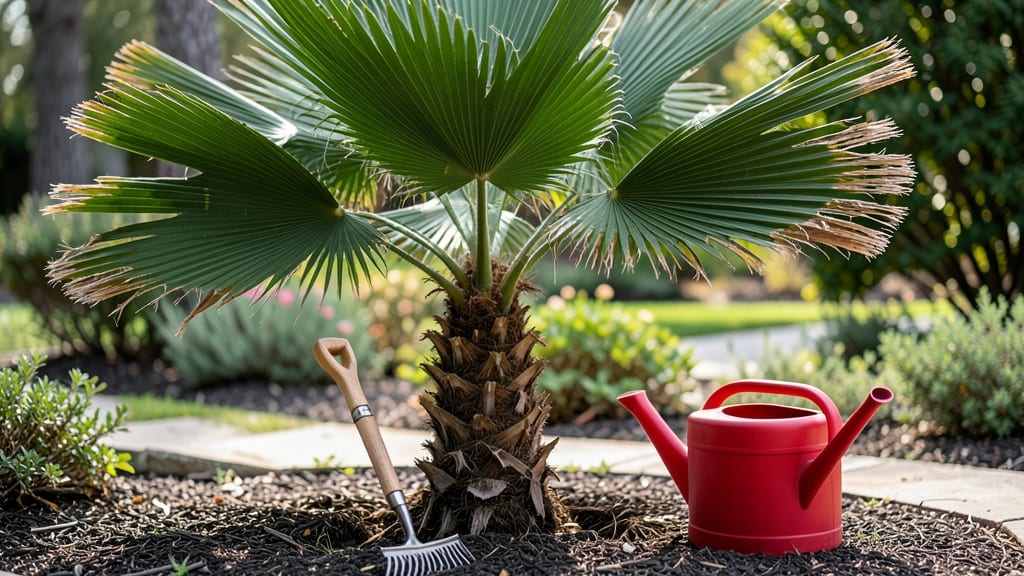
That first brown frond is your palm tree’s way of saying it’s time for proper palm tree care and maintenance—ignore it, and your tropical beauty will turn into a tangled mess. ✂️ I’ve learned the hard way that skipping pruning does more harm than good, but five strategic cuts keep palms thriving year-round, whether they’re gracing your patio or standing tall in the backyard.
Most people overlook the basics: palms need well-draining soil, bright but indirect light, and water only when the top 2 inches of soil are dry.
The real secret, though, is pruning the right way—removing dead fronds at the base, trimming brown tips before they turn crispy, and thinning out crowded fronds to let air circulate. It’s not rocket science, but doing it wrong can stress the tree.
By mastering these cuts, you’ll end up with a palm that looks neat, healthy, and full of life—no more sad, bare patches or fronds dragging in the dirt. The best part?
You’ll spot problems early, like yellowing fronds signaling overwatering or pests hiding in the crevices. Let’s get those shears sharp and turn your palm into the star of the yard.
Works for both outdoor palms like Mexican fan palms and indoor varieties like parlor palms, though outdoor trees need more frequent checks. The key is consistency—prune when you notice issues, not just once a year. Your palm will thank you with glossy new fronds and a strong, upright stance.
📚 In This Guide
- What you need
- Instructions
- Tips and common mistakes
- Wrapping up and next steps
What you need
- ● Pruning shears or loppers: Sharp, bypass-pruning tools (1 pair, 8–10" blades for small palms; 12–16" loppers for thicker fronds).
- ● Pole saw or extendable pruner: For high branches (1, 6–10 ft. reach).
- ● Heavy-duty gloves: Cut-resistant, waterproof (1 pair, size medium/large).
- ● Ladder or lift: Sturdy, non-slip (1, 10–20 ft. height, depending on palm size).
- ● Disposable pruning bags or tarp: To collect debris (1–2, 3–5 ft. wide).
- ● Rake or broom: For cleanup (1, medium-sized).
- ● Disinfectant (70% isopropyl alcohol or bleach solution): To sterilize tools (1 small bottle or spray).
- ○ Pruning sealant (optional): For large cuts (1 small tube, like Tanglefoot Tree Wound Pruning Seal).
- ● Safety glasses: Protects eyes from debris (1 pair).
- ● Ear protection: If using a chainsaw (1 pair, for loud tasks).
- ● Long sleeves/pants: To avoid scratches from fronds (1 set).
- ○ Compost bin: For repurposing fronds (optional, if you’re eco-conscious!).
- ● Camera or phone: To document your palm’s progress (because #BeforeAndAfter!).
Step-by-Step guide to pruning palm trees for year-round health
Here’s how I keep palms thriving—no guesswork, just precise cuts that boost growth and prevent disease.
🌿 Step 1: Identify the 5 Key Pruning Zones
Start by examining your palm for these five critical areas: dead fronds, yellowing fronds, overly crowded fronds, damaged fronds, and seed pods. Dead fronds are dry and brown, while yellowing ones still have some green—both need removal. Overcrowding happens when new fronds can’t unfurl properly due to old ones blocking light.
I always prune in the early morning when temperatures are cool. This reduces stress on the tree and gives cuts time to heal before the heat of the day. Grab your pruning shears and a ladder—safety first. If your palm is tall, consider a harness or having a partner spot you. I’ve seen too many close calls from wobbly ladders.
✂️ Step 2: Remove Dead and Yellow Fronds at the Base
Cut dead fronds 1-2 inches above the trunk using sharp, sterilized pruning shears. Avoid leaving stubs—they trap moisture and invite fungal infections. For yellow fronds, make the cut just above the point where the frond meets the trunk. This prevents unsightly scars and keeps the tree looking clean.
Here’s the thing—don’t rush. Take your time to make clean cuts at a 45-degree angle. This helps water run off instead of pooling. If you’re unsure whether a frond is dead or just dormant, gently tug it. If it resists, it’s still alive and should stay put for now. I’ve learned the hard way that over-pruning weakens palms faster than you’d think.
🌱 Step 3: Thin Out Crowded Fronds for Airflow
Palms need airflow to stay healthy. If new fronds are struggling to unfurl because of old ones blocking them, it’s time to thin. Focus on removing every other frond starting from the bottom. This creates space for the tree to grow without competition. Use your shears to cut cleanly at the base, just like with dead fronds.
You’ll notice a difference almost immediately—the tree will start looking more open and less stressed. This is especially important for palms in humid climates, where poor airflow can lead to fungal issues. I always step back after thinning to check if the tree looks balanced. If one side is still too crowded, remove a few more fronds from that area.
💧 Step 4: Trim Seed Pods and Damaged Areas
Seed pods may look harmless, but they drain energy from your palm. Use pruning shears to snip them off at the base. For damaged fronds—whether from storms, pests, or disease—cut them back to healthy tissue. This prevents the spread of rot or pests to other parts of the tree.
If you see any blackened or mushy spots on the trunk or fronds, this is a sign of disease. In that case, remove the affected area immediately and sterilize your tools with rubbing alcohol. I’ve seen palms recover from minor damage, but only if you act fast. Don’t ignore small issues—they’ll turn into big problems.
☀️ Step 5: Apply Post-Pruning Care for Recovery
After pruning, your palm will need time to recover. Water deeply once a week for the next 4-6 weeks, focusing on the root zone. Avoid wetting the fronds or trunk, as this can lead to fungal growth. If your palm is in a container, check the soil moisture by sticking your finger 2 inches deep—water only when it feels dry.
Here’s where it gets fun—watch for new growth. Within 2-4 weeks, you should see fresh fronds emerging from the center. This is your signal that the tree is healing and thriving. If you don’t see new growth after 6 weeks, something might be wrong—check for pests, root rot, or nutrient deficiencies. I’ve had to troubleshoot slow recovery, and it usually comes down to one of these three issues.
Tips & tricks for perfect palm tree pruning
Keeping your palm tree healthy doesn't require a green thumb—just a few smart tricks to avoid common pitfalls. Here's what I've learned after years of trial and error with my own palms.
Safety First: Never work alone on tall palms. I've seen too many close calls from wobbly ladders—always have a partner spot you or use a harness. For extra stability, position your ladder on firm ground and angle it properly against the trunk. I also recommend wearing gloves to protect your hands from sharp fronds and potential insect bites. Safety gear is non-negotiable when working at heights.
Tool Prep: Sterilize your pruning shears with rubbing alcohol before and after each use to prevent spreading disease between cuts. I keep a small bottle of alcohol in my pruning kit for quick sanitization. Sharp tools make clean cuts that heal faster—dull blades tear tissue, inviting infections. Test your shears by making a clean cut through a small frond before starting your main pruning.
Visual Cues: In Step 1, when identifying dead fronds, look for these telltale signs: completely dry texture, no green at the base, and fronds that crumble easily when touched. For yellowing fronds in Step 2, check if they still have some green at the base—if they do, they're not ready to be removed yet. I've found that using a small flashlight helps me spot early signs of disease or pest damage that might not be visible in bright sunlight.
Climate Considerations: Humidity levels dramatically affect recovery time. In humid climates (like Step 3 mentions), increase your post-pruning watering to twice weekly for the first 4 weeks instead of once weekly. The instructions' 4-6 week recovery timeline assumes moderate humidity—adjust accordingly. I've noticed palms in coastal areas often need more frequent watering during recovery to prevent stress.
Pro Tips for Palm Tree Care And Maintenance
- Keeping your palm tree healthy doesn't require a green thumb—just a few smart tricks to avoid common pitfalls.
- Safety First: Never work alone on tall palms.
- Tool Prep: Sterilize your pruning shears with rubbing alcohol before and after each use to prevent spreading disease between cuts.
Frequently asked questions
Got questions about keeping your palm trees lush and healthy? Here are answers to some of the most common concerns—because even tropical royalty needs a little TLC!
How often should I prune my palm tree?
Prune your palm tree once a year for general maintenance, ideally in late winter or early spring before new growth begins. Remove dead fronds, seed pods, and any fronds blocking sunlight. For severely overgrown palms, light pruning every 6 months can help, but avoid heavy cuts more than once a year to prevent stress.
Can I prune a palm tree at any time of year?
While palms are resilient, avoid heavy pruning in summer or winter. Pruning in late winter or early spring (just before blooming) is ideal. Summer heat can stress the tree, and winter dormancy slows recovery. If you must prune outside this window, do so on a cool, cloudy day to reduce shock.
What if my palm tree has brown, crispy fronds? Is it dying?
Brown fronds are usually natural—palms shed old leaves as they age! If fronds turn brown suddenly or the tree droops, check for underwatering, overwatering, or pests. Adjust care (e.g., watering deeply but infrequently) and inspect for spider mites or scale. If the trunk rots or fronds blacken, consult a palm specialist.
Should I remove all the dead fronds, or leave some for aesthetics?
Remove all dead or dying fronds—they can harbor pests, block sunlight, and weigh down the tree. However, leave 1-2 healthy, older fronds near the trunk for natural protection (they act as a shield against sun scorch). Always prune at the base of the frond, not mid-stem, to avoid damaging the tree.
What’s the best way to prune a tall palm tree safely?
For palms over 15 feet tall, hire a professional with proper equipment (harnesses, extendable pruners, or a bucket truck). If DIYing, use stable ladders or scaffolding, wear gloves and eye protection, and never stand on the fronds. Never use a chainsaw—it can damage the trunk. For small palms, pole pruners work well!
How much water does a palm tree need after pruning?
Water deeply but infrequently—palms hate soggy roots! After pruning, give the tree 1-2 inches of water per week (more in extreme heat). Let the soil dry slightly between waterings. Overwatering causes root rot, while underwatering leads to crispy fronds. Mulch around the base to retain moisture.
Wrapping up and next steps
Caring for your palm tree doesn’t have to be overwhelming—just a little attention to pruning, hydration, and seasonal needs can keep it thriving year-round! 🌴 By mastering the five key pruning cuts, you’ll encourage healthy growth, prevent pests, and even enhance safety.
Whether you’re a beginner or a seasoned gardener, consistency is your best friend.
Ready to give your palm tree the love it deserves? Grab your tools, schedule your next pruning session, and watch your tropical beauty flourish! 🌿 For extra confidence, revisit our FAQs or explore local expert resources—your palm’s future starts with you!