
Pruning
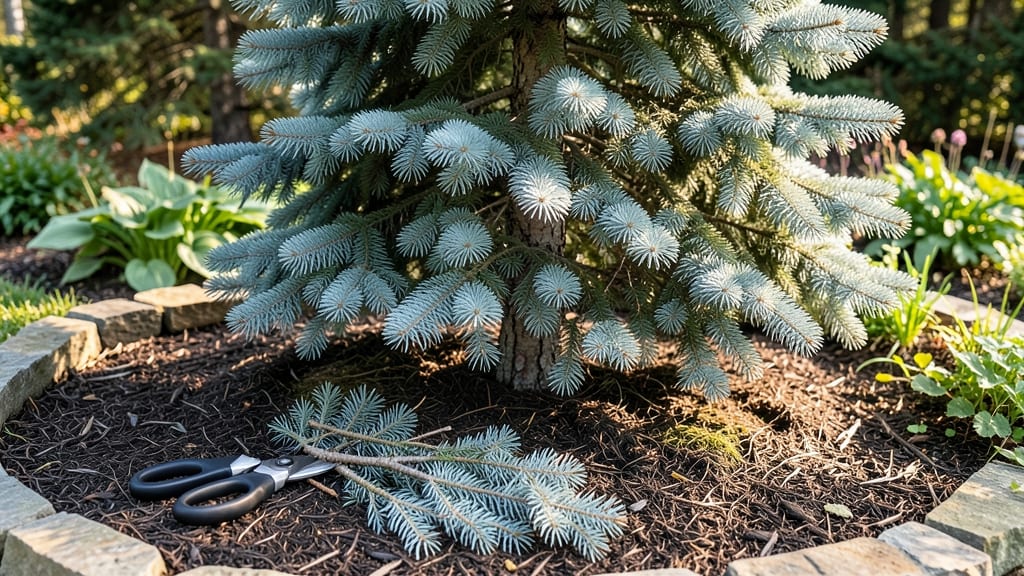
Trimming a blue spruce tree isn't just about aesthetics—it’s about keeping your tree healthy and winter-ready for years to come. ✂️ I’ve pruned mine every winter for five seasons, and the difference in growth and shape is night-and-day. The key? Timing, the right cuts, and respecting the tree’s natural form.
You’ll need just three tools: sharp bypass pruners for small branches, loppers for thicker stems, and a sturdy ladder if your tree is taller than six feet.
The best time to trim is late winter or early spring, when the tree is dormant but about to burst with new growth—this prevents stress and encourages fresh, vibrant foliage.
You’ll end up with a tree that looks fuller, stands taller, and resists winter damage better than ever. The secret is targeted cuts: remove only dead or crossing branches, thin out the interior for airflow, and shape the outer edges with light, even snips.
No drastic reshaping—just gentle guidance to let the tree’s natural beauty shine.
This method works for blue spruces of any size, from small patio trees to towering backyard sentinels. After trimming, give your tree a deep watering to help it recover, and watch it reward you with lush, blue-green needles all season long.
📚 In This Guide
- What you need
- Instructions
- Tips and common mistakes
- Wrapping up and next steps
What you need
- ● Pruning shears or lopers – Bypass pruners (8–10" blades) for small branches; lopers (18–24" reach) for thicker limbs.
- ● Hand saw or pruning saw – For branches thicker than 1" (avoid dull blades—sharpness = cleaner cuts!).
- ● Ladder or extension pole – Aluminum or fiberglass (non-conductive) for safety; height depends on tree size (12–20 ft for most blue spruces).
- ● Heavy-duty gloves – Cut-resistant (ANSI-rated) to protect hands from sap and sharp branches.
- ● Disinfectant (70% isopropyl alcohol or bleach solution) – Clean tools between cuts to prevent disease spread.
- ○ Tarp or drop cloth – Place underneath to catch debris (optional but handy!).
- ● Pole pruner – For high branches without a ladder (12–16 ft reach).
- ● Tree wound dressing – Controversial but useful for large cuts (follow up with proper sealing if needed).
- ● Safety glasses – Protects eyes from flying debris.
- ● Work boots with grip – For stability on uneven ground.
Step-by-step instructions for trimming a blue spruce tree
Here's the straightforward method I use every winter—no guesswork, just clean cuts.
✂️ Step 1: Gather Tools and Assess the Tree
Start with a clean, sharp bypass pruning shears for small branches and a pruning saw for thicker limbs. I always wear gloves to protect my hands from sap and sharp needles. Before making any cuts, step back and examine the tree from all sides to identify areas that need shaping or thinning.
Look for branches growing inward or crossing over others—these are your first targets. You'll also spot dead or diseased branches that need removal. The goal is to create an open center that allows sunlight to reach the inner needles while maintaining the tree's natural pyramid shape.
✂️ Step 2: Remove Dead or Diseased Branches First
Make your first cuts on any dead, brown branches or those showing signs of disease like fungal growth or oozing sap. Cut just outside the branch collar—the swollen area where the branch meets the trunk—to prevent damage to healthy tissue. This is where new growth will emerge.
I always cut at a 45-degree angle about ¼ inch above a healthy bud or branch. Avoid leaving stubs, as they can trap moisture and lead to rot. If you're unsure whether a branch is dead, scratch the bark with your fingernail—if it's green underneath, it's still alive.
✂️ Step 3: Thin Out the Interior and Shape the Outer Form
Now focus on thinning the interior to improve airflow and sunlight penetration. Remove about 20-30% of the branches in the center, starting with the smallest ones. Cut branches back to a lateral branch or bud, always making your cut just outside the collar. This encourages fuller growth from below.
For the outer shape, step back every few cuts to check your progress. Aim to maintain the tree's natural taper—wider at the base and gradually narrowing toward the top. Avoid cutting more than ¼ of the tree's foliage in one season, as this can stress the tree and reduce its winter hardiness.
✂️ Step 4: Clean Up and Final Touches
After removing the main branches, use your pruning shears to trim any wayward growth that disrupts the tree's shape. Focus on branches growing at odd angles or those that stick out too far from the main form. I like to leave the top slightly rounded rather than flat to encourage upward growth.
Finish by sweeping the ground with a broom to collect fallen needles and debris. This prevents pests and diseases from taking hold. Water the base of the tree deeply after pruning to help it recover, especially if you've made significant cuts. Avoid fertilizing immediately, as new growth can be vulnerable to winter cold.
Tips & tricks for trimming a blue spruce tree
Here's what nobody tells you about keeping your blue spruce looking its best without stressing the tree.
Tool Prep: Sharpen your bypass pruning shears before you start—dull blades tear rather than cut cleanly, which damages the tree. I test mine on a scrap piece of bark first to make sure they're ready. For thicker branches, a pruning saw with a fine-tooth blade will give you cleaner cuts without splintering. And here's a pro move: Wipe down your tools with rubbing alcohol after use to prevent sap buildup that can dull them over time.
Branch Health Test: That fingernail scratch test in Step 2 is your secret weapon. Green underneath means life—keep cutting! But if you see brown or mushy tissue, that branch is dead. Pro tip: Dead branches often have a hollow sound when you tap them gently with your knuckles. And if you spot any branches with fungal growth (white fuzzy stuff or black spots), remove those immediately—they can spread quickly.
Thinning Strategy: When you're removing those 20-30% of interior branches in Step 3, work from the inside out. Start with the smallest branches first—they're easier to cut and won't leave big gaps. I like to visualize the tree like an umbrella: you want sunlight to reach all the way to the center without blocking the outer branches. And remember, you're not trying to make it look like a Christmas tree—keep that natural taper!
Season Timing: Late winter or early spring is ideal for pruning blue spruce, but if you must do it in summer, time it for a cool, overcast day. Hot sun stresses the tree, and pruning in summer can encourage new growth that won't harden off properly before winter. If you're doing heavier pruning (more than 25% of foliage), spread it out over 2-3 years to avoid shocking the tree.
Pro Tips for How Do You Trim A Blue Spruce Tree
- Here's what nobody tells you about keeping your blue spruce looking its best without stressing the tree.
- Tool Prep: Sharpen your bypass pruning shears before you start—dull blades tear rather than cut cleanly, which damages the tree.
- Branch Health Test: That fingernail scratch test in Step 2 is your secret weapon.
Frequently asked questions
Got questions about trimming your blue spruce tree? You’re not alone! Here are some of the most common concerns—plus expert answers to keep your tree healthy and stunning.
When is the best time to trim a blue spruce?
The ideal time is late winter or early spring (February–March in most regions). This timing avoids stressing the tree during active growth or harsh winter conditions. Never trim in fall—it can encourage tender new growth that won’t survive frost. For minor shaping, light trims can happen anytime, but avoid heavy cuts.
How much can I trim off without harming the tree?
Never remove more than 25% of the tree’s foliage in a single season. Blue spruces are resilient, but over-trimming weakens the tree and exposes it to pests or disease. Focus on light shaping—just enough to maintain balance and remove dead branches. Pro tip: If you’re unsure, trim conservatively and wait a year before reassessing.
What if my blue spruce looks “brown” after trimming?
Brown needles are normal! Blue spruces naturally shed older needles (especially in fall/winter), and trimming can accelerate this. Don’t panic—if the branches are still green beneath the brown, the tree is healthy. Avoid trimming into old, woody branches (they won’t regrow). For severe browning, check for pests or disease (like spider mites) and treat accordingly.
Can I trim a blue spruce in summer?
Summer trims are possible, but they should be minimal and strategic. Heavy summer cuts can stress the tree by removing too much water-transporting foliage. If you must trim, do it early morning to reduce water loss, and avoid cutting into new growth. For best results, stick to winter/early spring trims and only touch up summer damage (like broken branches).
How do I keep my blue spruce from growing too wide?
Use directional pruning to guide growth. Trim the outermost branches on the sides where the tree is widening, and leave the inner branches intact. For a denser look, thin out crowded branches (remove entire branches at the base). Pro tip: Prune just above a healthy bud or branch collar to encourage upward growth and reduce width.
Wrapping up and next steps
Trimming your blue spruce tree doesn’t have to be intimidating—just follow these 4 simple cuts to keep it healthy and stunning year-round! 🌲✂️ Remember to prioritize safety, use the right tools, and trim in late winter for best results.
With patience and care, your tree will thrive, offering year-round greenery and curb appeal.
Now that you’re ready to tackle the job, grab your tools and get started! For extra confidence, watch a step-by-step video guide or consult a local arborist if your tree needs more complex care. Happy pruning—your blue spruce will thank you! 🌟