
Pruning
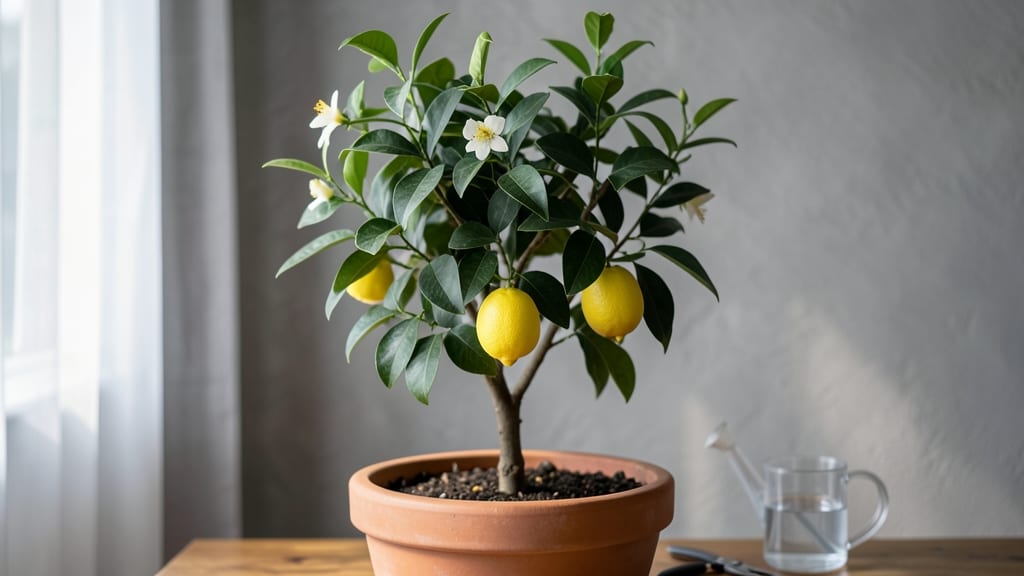
Mastering indoor lemon tree care isn’t just possible—it’s easier than you think with the right light, water, and a little patience. 🌱 I’ve had mine produce lemons for three winters in a row, and the secret... isn’t fancy equipment but understanding how citrus trees naturally behave indoors.
Most people overwater or underlight them, which is why so many end up as decorative plants instead of fruit producers.
The three tricks that make the difference start with bright, indirect light for at least 6 hours a day—south-facing windows work best, but grow lights save the day in north-facing homes. Water only when the top inch of soil feels dry, and use well-draining potting mix to prevent root rot.
A balanced citrus fertilizer every 4-6 weeks keeps leaves vibrant and encourages blooming. Pruning in early spring removes dead growth and opens the canopy for better air circulation.
By summer’s end, you’ll see tiny white flowers appear, and with consistent care, those flowers turn into lemons within 6-12 months. The first harvest is always the sweetest—imagine plucking a real lemon from your living room windowsill!
The tree stays compact, making it perfect for apartments, and the scent of fresh citrus leaves is pure therapy after a long day.
Even if you’ve killed a lemon tree before, this method works for beginners. The key is adjusting your routine with the seasons—less water in winter, more light in fall—and troubleshooting slowly when leaves yellow or buds drop. Let’s get yours thriving!
📚 In This Guide
- What you need
- Instructions
- Tips and common mistakes
- Wrapping up and next steps
What you need
- ● Pot: A well-draining container (12–18 inches in diameter) with drainage holes. Terracotta or ceramic pots are ideal.
- ● Potting Soil: A high-quality, well-draining mix—like a blend of cactus/succulent soil (60%) + perlite/pumice (30%) + compost (10%).
- ● Drainage Layer: Pebbles or coarse sand (1–2 inches) at the pot’s bottom to prevent root rot.
- ● Watering Can: With a narrow spout for precise watering (avoid overhead spraying).
- ● Pruning Shears: Sharp, sterilized shears (or small bypass pruners) for trimming.
- ● Fertilizer: A balanced citrus fertilizer (e.g., 6-6-6 NPK ratio) or organic options like fish emulsion.
- ○ Grow Lights (Optional but Helpful): A full-spectrum LED grow light (12–16 hours/day) if natural light is limited.
- ● Humidity Tray: A pebble tray with water to boost humidity in dry climates.
- ● Support Stake: A bamboo or metal stake to train young trees as they grow.
- ● pH Test Kit: To monitor soil acidity (ideal range: 6.0–7.0 for lemons).
- ● Rooting Hormone: For propagating cuttings (if you plan to grow new trees).
Step-by-Step guide to indoor lemon tree care
Here's how to keep your citrus tree happy indoors—no green thumb required.
🪴 Step 1: Choose the Right Spot and Container
Place your lemon tree near a south- or west-facing window where it gets 6-8 hours of bright, indirect light daily. Avoid harsh direct sun, which can scorch tender leaves. If your windows are dim, supplement with a grow light placed 12-18 inches away for 12-14 hours per day.
Use a well-draining pot with drainage holes—terracotta works best because it breathes and prevents root rot. Repot every 2-3 years or when roots circle the container. I always check by gently removing the tree from its pot: if roots wrap around the bottom, it's time to upgrade to a 2-4 inch larger diameter.
💧 Step 2: Water Wisely Without Overdoing It
Water your lemon tree when the top 1-2 inches of soil feel dry to the touch. Stick your finger in the soil—if it's damp, wait another day. Overwatering is the #1 killer of indoor citrus, so never let the pot sit in saucers of water. Instead, water thoroughly until it drains from the bottom, then empty the saucer immediately.
In winter, when growth slows, reduce watering to every 7-10 days. Yellowing leaves often mean too much water, while crispy edges signal underwatering. Adjust based on your home's humidity—dry air means more frequent watering, while humid spaces need less.
☀️ Step 3: Feed and Prune for Healthy Growth
Fertilize your lemon tree every 4-6 weeks during spring and summer with a balanced citrus fertilizer (look for one with equal parts nitrogen, phosphorus, and potassium). In fall and winter, cut back to once every 8-12 weeks—less is more when growth slows. I always fertilize after watering to prevent root burn.
Prune in late winter or early spring to shape the tree and encourage airflow. Cut back overly long branches to maintain a compact shape and remove any dead or yellowing leaves. Use clean, sharp pruners and make cuts just above a leaf node. This is also the time to trim back any leggy growth—it’ll bush out nicely with proper light.
✂️ Step 4: Watch for Pests and Adjust Conditions
Check your tree weekly for signs of pests like spider mites or scale insects. Wipe leaves with a damp cloth to remove dust and deter pests. If you spot tiny webs or sticky residue, treat with neem oil (mix 1 teaspoon with 1 quart of water) and spray lightly on both sides of leaves. Repeat every 5-7 days until pests disappear.
Lemon trees love 60-70°F temperatures during the day and 55-60°F at night. Avoid drafts from AC vents or heaters, which can stress the tree. If you notice leaves dropping suddenly, it’s often a sign of temperature shock. Move the tree to a more stable spot and monitor closely for a few days.
Tips & tricks for perfect indoor lemon tree care
Took me years to figure out these tricks after watching my first lemon tree struggle—here’s how to keep yours thriving all year.
Lighting Strategy: That 6-8 hours of bright, indirect light in Step 1 is non-negotiable. If your south-facing window gets harsh afternoon sun, use a sheer curtain to diffuse it—direct rays can burn leaves faster than you’d think. For grow lights, position them slightly higher than the 12-18 inches mentioned if your tree grows taller than expected. I’ve seen trees stretch toward lights when they’re too low, leading to leggy growth that never fruits properly.
Soil Check Hack: When testing soil moisture in Step 2, stick your finger in about 1 inch deep—this matches the "top 1-2 inches" guideline perfectly. For extra accuracy, use a moisture meter if you’re unsure. I learned this the hard way after overwatering my first tree because I thought the surface was drier than it actually was. Also, if your soil feels cool to the touch, it’s usually dry enough to water.
Fertilizer Timing: The 4-6 week spring/summer schedule in Step 3 works best when your tree is actively growing. I’ve found that fertilizing right after watering (as mentioned) prevents root burn, but also pay attention to leaf color—dark green leaves mean you’re good, while yellowing between veins signals too much nitrogen. In winter, reduce to every 8-12 weeks, but only if your tree shows new growth. If it’s completely dormant, skip winter fertilizing entirely.
Pruning Precision: When pruning in Step 3, look for branches growing inward or crossing each other—these compete for light and nutrients. Make cuts at a 45-degree angle just above a leaf node (the small bump where leaves attach). I always sterilize my pruners with rubbing alcohol between cuts to prevent spreading diseases. And here’s a pro move: save your pruned branches in water—they’ll root and grow into new trees!
Pro Tips for Indoor Lemon Tree Care
- Took me years to figure out these tricks after watching my first lemon tree struggle—here’s how to keep yours thriving all year.
- Lighting Strategy: That 6-8 hours of bright, indirect light in Step 1 is non-negotiable.
- Soil Check Hack: When testing soil moisture in Step 2, stick your finger in about 1 inch deep—this matches the "top 1-2 inches" guideline perfectly.
Frequently asked questions
Got questions about keeping your indoor lemon tree happy? You’re not alone! Here are answers to the most common concerns—from pruning to pests and everything in between.
How often should I prune my indoor lemon tree?
Prune your lemon tree 2-3 times a year, focusing on shaping in early spring and light maintenance after flowering. Avoid heavy pruning in winter—this is when the tree rests. Always use sterilized tools to prevent disease.
Can I keep my lemon tree indoors year-round?
Yes! Lemon trees thrive indoors with bright, indirect light (south or west-facing windows are ideal). In winter, supplement with a grow light if natural light is scarce. Just watch for dormancy signs—like slower growth—and adjust watering accordingly.
What should I do if my lemon tree leaves turn yellow?
Yellow leaves usually mean overwatering or nutrient deficiency. Check the soil—it should be slightly moist but not soggy. If roots smell rotten, repot in fresh, well-draining soil. For yellowing between veins, fertilize with citrus-specific food (high in iron).
Why isn’t my lemon tree bearing fruit?
Fruit production needs consistent care: 6+ hours of sunlight daily, regular pruning, and balanced fertilization (especially phosphorus and potassium). If your tree is young (<3 years), be patient—it may need time to mature. Pro tip: Hand-pollinate flowers with a soft brush if bees aren’t visiting!
What’s the best temperature range for an indoor lemon tree?
Keep your tree in a 65–75°F range during the day and avoid drafts (like AC vents or heaters). Below 50°F or above 90°F can stress the tree. If you’re in a humid climate, mist leaves occasionally or use a pebble tray to boost moisture.
Can I grow a lemon tree from seed?
Yes, but expect unpredictable results—seed-grown trees may not produce true lemons (or any fruit at all!). For faster, reliable growth, opt for a grafted nursery tree. If you’re experimenting, soak seeds in water for 24 hours before planting in moist potting mix.
Wrapping up and next steps
Growing a thriving indoor lemon tree is totally within reach—just remember the three key tricks: pruning for shape and health, balancing light and water, and nurturing with the right nutrients. With patience and consistency, your citrus companion can reward you with years of luscious lemons and vibrant greenery. 🌿✨
Ready to take the next step? Start small—whether it’s pruning a single branch or adjusting your watering routine—and celebrate every little win. Before you know it, your kitchen will be the envy of the neighborhood with fresh, homegrown lemons! 🍋💚