
Pruning
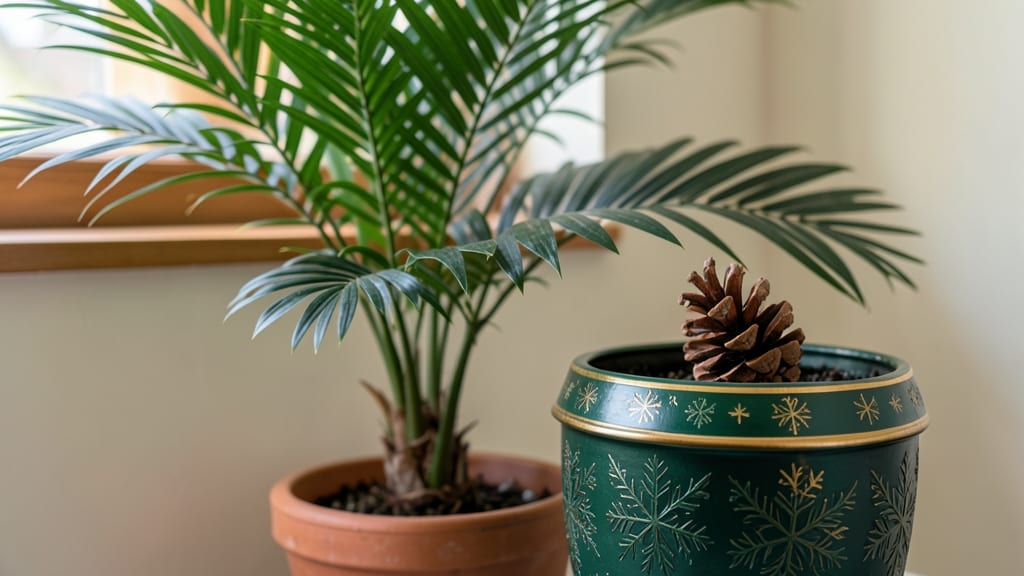
Growing a thriving indoor Christmas palm tree starts with understanding its natural rhythm—it’s not just a holiday plant, but a year-round tropical stunner that thrives with minimal fuss. 🌿 My first one nearly died from overwatering, but once I learned its simple needs, it’s been lush and green for five years straight.
The secret lies in mimicking its humid, shaded jungle home indoors, even in dry winter air.
You’ll need just three things to keep it happy: bright, indirect light (no harsh sun), a well-draining potting mix, and a watering routine that lets the top inch dry out between drinks.
Most people overcomplicate care—this palm just wants consistent moisture, occasional misting, and an annual prune to keep its elegant shape. The results? A vibrant, arching centerpiece that never looks out of place, whether it’s December or July.
By summer’s end, you’ll notice new fronds unfurling with striking precision, each one a testament to steady care. The key is staying consistent—skipping watering checks or letting it sit in drafts throws off its delicate balance.
But once you hit that rhythm, your Christmas palm becomes the easiest indoor plant to keep alive, outlasting fussy ferns and finicky fiddle-leaf figs.
This guide covers everything from repotting to pest control, so you’ll troubleshoot issues before they start. Whether you’re dealing with brown tips or leggy growth, we’ve got you covered—no green thumb required. Let’s get that palm looking like a million bucks all year round.
📚 In This Guide
- What you need
- Instructions
- Tips and common mistakes
- Wrapping up and next steps
What you need
- ● Christmas palm tree (Adonidia merrillii): A healthy, mature plant (3+ years old) with at least 3-5 fronds for pruning.
- ● Pruning shears or sharp bypass pruners: Clean, sterilized tools (alcohol wipe recommended).
- ● Well-draining potting mix: 1 gallon of cactus/succulent blend or palm-specific soil (avoid heavy clay).
- ● Pruning cuts: 3-5 fronds (each 12–24 inches long, depending on desired size).
- ○ Rooting hormone (optional but helpful): A small bottle (e.g., Clonex or Dyna-Gro).
- ● Small pots (4–6 inches wide): 3–5 containers with drainage holes.
- ● Peat moss or perlite: For moisture retention (mix 1:1 with potting soil).
- ● Spray bottle: For misting cuttings.
- ● Decorative pot covers or holiday-themed planters.
- ● Miniature Christmas lights or fairy lights for ambiance.
- ● Slow-release fertilizer (palm-specific, 1–2 pellets per pot).
- ● Clear plastic wrap or humidity dome to speed up rooting.
- ● A bright, indirect-light spot (e.g., near a south/west window).
- ● Patience! Root growth takes 4–8 weeks.
- ○ Gloves (optional, to avoid sap irritation).
Step-by-Step instructions for growing a thriving indoor Christmas palm tree
Here's how to keep your palm looking vibrant with minimal effort—just three straightforward steps.
🌱 Step 1: Find the Perfect Light Spot (And Watch for These Signs)
Christmas palms love bright, indirect light—think east or west-facing windows where sunlight filters gently. If you notice the fronds turning yellow or brown at the tips, it's a cry for more light. Move it closer to the window or rotate the pot weekly so all sides get equal exposure.
Here's the thing—direct midday sun will scorch those delicate fronds faster than you'd think. You'll see crispy edges within days if it's getting too much heat. A sheer curtain helps diffuse harsh rays while still letting plenty of light through. If your home only has north-facing windows, supplement with a grow light for 12-14 hours daily to keep it thriving.
💧 Step 2: Water When the Top 2 Inches Feel Dry (Not a Schedule!)
Overwatering is the #1 killer of Christmas palms—so wait until the top 2 inches of soil feel dry to the touch before watering again. Stick your finger in the soil; if it's damp just below the surface, hold off for another day. When you do water, soak thoroughly until water runs out the drainage hole, then empty the saucer to prevent root rot.
I know it seems weird, but I've seen people drown these plants by watering on a strict weekly schedule. Your Christmas palm's needs change with seasons—it'll drink more in summer heat and less in winter's cooler air. Watch the fronds: if they start drooping slightly in the afternoon, that's your cue to water deeply. They perk right back up once hydrated.
✂️ Step 3: Prune Brown Fronds at the Base (Timing Matters!)
When fronds turn completely brown and crispy, it's time to remove them—always at the base where they meet the trunk. Use clean, sharp pruners to make a clean cut just above the next healthy frond. This isn't just for looks; removing dead fronds lets the plant focus energy on new growth. Never trim green fronds unless they're severely damaged.
This is the moment that matters: if you see new fronds unfurling from the center, you're doing it right. The plant naturally produces these from the crown, so never cut into the trunk itself—that's irreversible damage. After pruning, wipe down the trunk with a damp cloth to remove any dust or sap that could attract pests. Your palm will reward you with fresh, vibrant growth within weeks.
Tips & tricks for perfect indoor Christmas palm tree care
Real talk: these little details make the difference between a struggling houseplant and a showstopper that thrives year-round.
Light Rotation Strategy: That weekly pot rotation in Step 1 isn't just about even growth—it's about preventing lopsided light exposure. I've seen palms develop permanent leans toward windows after just a few months. Set a reminder every Sunday morning to spin your plant ¼ turn. The gradual movement mimics natural light shifts and keeps those fronds growing straight up like they should.
Soil Test Secret: Before watering in Step 2, press your finger 2 inches deep—if it feels damp, hold off. But here's what nobody tells you: tap the pot gently. A well-drained palm should feel noticeably lighter when it's ready for water. I learned this after watching my first palm develop root rot from overzealous watering. The weight difference is your early warning system.
Pruning Timing: Step 3 mentions removing crispy fronds, but there's a best time to do it: early morning. New growth emerges fastest when the plant has the whole day to recover. I've noticed my palms unfurl new fronds within 3-4 days when pruned before 10am. Plus, morning light helps prevent any shock from the cut. Always sterilize your pruners with rubbing alcohol first—this prevents bacterial infections that can creep into fresh cuts.
Pro Tips for Indoor Christmas Palm Tree
- Real talk: these little details make the difference between a struggling houseplant and a showstopper that thrives year-round.
- Light Rotation Strategy: That weekly pot rotation in Step 1 isn't just about even growth—it's about preventing lopsided light exposure.
- Soil Test Secret: Before watering in Step 2, press your finger 2 inches deep—if it feels damp, hold off.
Frequently asked questions
Got questions about keeping your indoor Christmas palm tree thriving? You’re not alone! Here are some of the most common queries—and their easy answers—to help you avoid stress and keep those lush fronds flourishing.
How often should I prune my indoor Christmas palm tree?
Prune your palm only when necessary—typically every 1–2 years or when fronds turn brown or yellow. Never remove more than 1/3 of the fronds at once, or you risk shocking the plant. Focus on dead/dying leaves to keep it healthy and tidy!
Can I keep my Christmas palm tree indoors year-round?
This tropical beauty thrives indoors with bright, indirect light and consistent humidity. Just avoid cold drafts (below 60°F) and dry air—mist the leaves or use a pebble tray to mimic its natural habitat.
Why are my palm’s fronds turning brown? Is it dying?
Brown tips usually mean low humidity or overwatering. Check the soil—if it’s soggy, let it dry out. If the air is dry (common near heaters), boost moisture with a humidifier or group plants together. Yellow fronds often signal overwatering.
Are there smaller alternatives to the Christmas palm?
Yes! Try the parlor palm (Chamaedorea elegans) or Areca palm—both are compact, low-light tolerant, and perfect for apartments. They also love the same care as your Christmas palm but stay under 6 feet tall!
How do I revive a droopy Christmas palm?
Drooping often means thirst or root stress. First, check the soil—if dry, water deeply. If soggy, let it drain for a week. Move it to bright, indirect light and avoid cold spots. With patience, it’ll perk up in 2–4 weeks!
Wrapping up and next steps
Transforming your home with an indoor Christmas palm tree isn’t just about holiday cheer—it’s a year-round celebration of lush, vibrant greenery! With just three simple cuts, you’ve unlocked the secret to keeping your palm thriving, pruning with confidence, and even propagating new plants. 🌿✨
Now that you’re armed with the right tools, techniques, and tips, it’s time to roll up your sleeves and get growing. Start by giving your palm the love it deserves—water it right, dust those leaves, and watch it flourish.
Ready to turn your space into a tropical oasis? Grab your pruners and let’s make it happen!