
Pruning
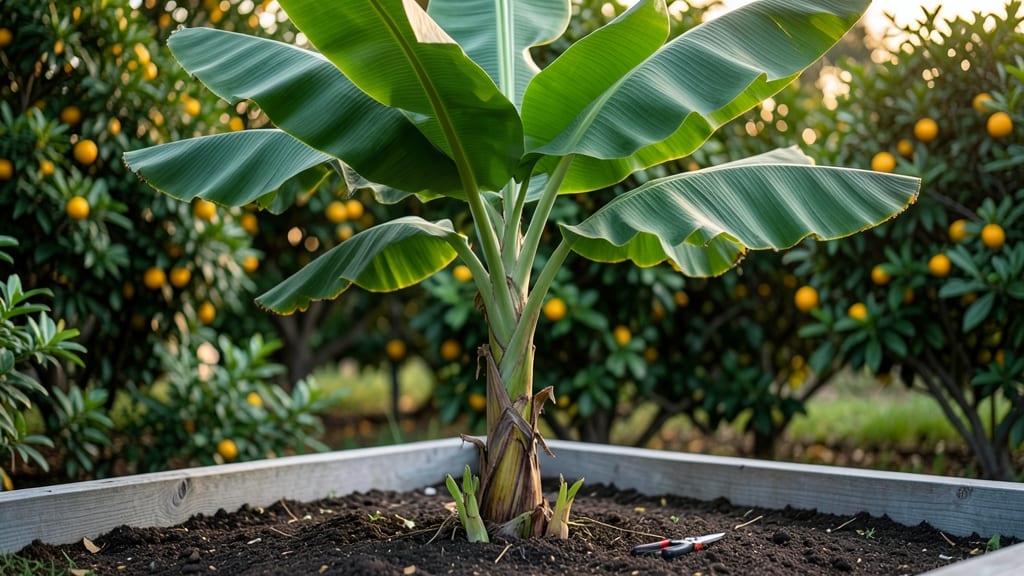
Growing an edible banana tree in your backyard means sweet, creamy fruit straight from your own soil—no grocery store required. 🌿 I’ve grown dwarf banana plants for years, and the key to consistent harvests lies in three simple pruning cuts that keep the plant productive and healthy.
The first time I saw my own bananas ripening on the stalk, I knew I’d never buy them again.
These tropical plants thrive in warm climates but can also grow in containers and be brought indoors during cooler months. You’ll need well-draining soil, plenty of sunlight, and a spot where temperatures stay above 30°F—even a small patio can work with the right variety.
Dwarf banana plants like ‘Dwarf Cavendish’ or ‘Ice Cream’ are perfect for home gardens, reaching just 8-10 feet tall while producing fruit in as little as 9-12 months from planting.
With the right care, you’ll harvest dozens of bananas per season, and the plant itself becomes a stunning focal point in your garden. The large, glossy leaves provide shade, and the fruit’s sweetness is unmatched by store-bought versions.
Once you master the pruning rhythm, you’ll enjoy year-round growth and harvests—even in less-than-ideal climates.
Whether you’re in a true tropical zone or just a warm microclimate, this guide will help you avoid common pitfalls like overwatering, poor drainage, and frost damage. Let’s get those bananas growing!
📚 In This Guide
- What you need
- Instructions
- Tips and common mistakes
- Wrapping up and next steps
What you need
- ● Banana plant (Musa spp.) – Choose a variety like Musa acuminata (dessert banana) or Musa balbisiana (plantain). Start with a 1-2 year-old plant or a pups (suckers) from an established tree.
- ● Well-draining soil mix – A blend of 60% topsoil, 30% compost, and 10% perlite/sand (pH 5.5–7.0). For containers, use a 15–20 gallon pot with drainage holes.
- ● Pruning tools: Sharp bypass pruners (for small cuts)
- ● Clean hand pruners or a pruning saw (for thicker stems)
- ● Disinfectant (70% isopropyl alcohol or bleach solution) to sterilize tools between cuts.
- ● Organic fertilizer – Balanced 10-10-10 NPK or a banana-specific fertilizer (high in potassium). Apply every 4–6 weeks during growing season.
- ● Mulch – 3–4 inches of straw, wood chips, or leaves to retain moisture and regulate soil temperature.
- ● Watering can or hose – Banana trees need 1–2 inches of water weekly (more in hot climates). Drip irrigation works best for containers.
- ○ Support stake (optional for outdoor trees) – A 5–6 foot bamboo or metal stake to prevent wind damage (especially for heavy fruit clusters).
- ● Slow-release fertilizer pellets – Reduces frequent feeding (e.g., Osmocote 14-14-14).
- ● Shade cloth (30–50%) – Protects young plants from intense afternoon sun in hot zones.
- ● Soil moisture meter – Ensures you’re not over- or under-watering.
- ● Compost tea or worm castings – Boosts soil microbes for healthier growth.
- ● Container growers: A self-watering pot or grow bag (3+ cubic feet) for better drainage.
Step-by-step instructions for cultivating a thriving edible banana tree
Here's how to coax a productive banana tree from a small plant into a year-round harvest machine.
🌱 Step 1: Plant in Warmth and Prepare the Soil
Banana trees demand heat—plant your 4-inch container plant when nighttime temperatures stay above 60°F. Dig a hole twice as wide as the root ball but only as deep. The crown (where roots meet stem) should sit 1 inch above ground level—burying it invites rot.
Amend the native soil with 3 gallons of compost mixed into the upper 12 inches of the hole. Bananas thrive in loose, well-draining soil that mimics their tropical origins. Tap the plant gently to settle roots, then water deeply until the top 6 inches of soil feel damp. Mulch with 2 inches of straw to retain moisture and regulate soil temperature.
☀️ Step 2: Position for Maximum Sunlight and Wind Protection
Place your banana tree in a spot with full sun exposure (6+ hours daily). The ideal location gets morning sun and afternoon shade in hot climates—this prevents leaf scorch. If you're in a cooler zone, full sun all day works fine as long as winter temps don't dip below 50°F.
Here's the thing—banana trees hate wind. Plant near a fence or wall if your yard gets breezy. You'll notice leaves curling or stems leaning? That's your tree begging for shelter. Stake young plants with 3-foot bamboo stakes tied loosely to support the heavy fruit clusters later.
💧 Step 3: Water Deeply and Maintain Consistent Moisture
Water your banana tree 2-3 times weekly during the first growing season, aiming for 1-2 gallons per watering. The soil should never dry out completely—banana roots are shallow and sensitive to drought. You'll know moisture is right when the top 3 inches of soil feel damp but not soggy.
As the tree matures, reduce frequency to once weekly but increase volume to 3-4 gallons per watering. Water at the base rather than overhead to prevent fungal diseases. The key is consistency—bananas produce best when moisture levels stay steady. Let the mulch layer stay intact to lock in humidity.
✂️ Step 4: Apply the 3 Strategic Pruning Cuts for Year-Round Fruit
First cut: Remove any suckers (shoots) growing from the base when they reach 12 inches tall. This forces energy into the main stem. Second cut: Trim yellow or damaged leaves at the base with clean shears—never tear them. Third cut: After harvest, cut the old fruit stalk (pseudostem) down to 2 feet to encourage new growth.
Real talk: Most gardeners skip the third cut, but it's what turns a one-time harvest into continuous production. You'll see new shoots emerge within 4-6 weeks after pruning. Time your cuts right—do them right after harvest when the tree has energy reserves. Avoid pruning during cold snaps or drought.
Tips & tricks for thriving edible banana trees
Here's what nobody tells you about keeping your banana tree happy and productive year after year.
Soil Secrets: That 3 gallons of compost isn't just for show—it's what gives banana trees the nutrient boost they need to fruit heavily. I've seen trees with poor soil produce maybe 2 bunches a year, while the same variety in enriched soil gives me 5-6 bunches. Mix in some perlite or coarse sand if your native soil is heavy clay. Banana roots need oxygen too!
Sunlight Strategy: The 6+ hours of sun requirement is non-negotiable, but here's the trick: if you're in a hot climate, give your tree afternoon shade during peak summer months. I've had leaves crisp up at 115°F—once they're damaged, they won't recover. A simple shade cloth (30-50% coverage) for 2-3 hours in the afternoon can save your tree's health and keep it producing.
Watering Wisdom: Those 2-3 gallons weekly might seem like a lot, but banana roots spread wide and shallow. I test moisture by sticking my finger 3 inches down—if it's dry, water deeply. The key is consistency: I've seen trees wilt dramatically after just one missed watering. And here's a pro move: water in the morning so leaves dry quickly, reducing fungal risks.
Pruning Payoff: Don't skip that third cut after harvest! I know it looks drastic to cut down to 2 feet, but this is what triggers your tree to send up new shoots. I've had trees that produced continuously for 3 years after implementing this—something my neighbor's trees never did. Time it right after harvest when the tree has stored energy, and you'll see new growth in those 4-6 weeks.
Pro Tips for Edible Banana Tree
- Here's what nobody tells you about keeping your banana tree happy and productive year after year.
- Soil Secrets: That 3 gallons of compost isn't just for show—it's what gives banana trees the nutrient boost they need to fruit heavily.
- Sunlight Strategy: The 6+ hours of sun requirement is non-negotiable, but here's the trick: if you're in a hot climate, give your tree afternoon shade during peak summer months.
Frequently asked questions
Got questions about growing and harvesting your edible banana tree? You’re not alone!
Here are some of the most common queries—plus the answers you need to keep your tropical harvest thriving.
How long does it take for an edible banana tree to produce fruit?
A healthy banana tree typically takes 9–12 months from planting to produce its first edible fruit, depending on variety and climate. Dwarf varieties (like ‘Dwarf Cavendish’) may fruit faster (6–9 months), while larger types can take longer. Patience is key—focus on proper care (water, sunlight, and soil) to speed up the process!
What do I do if my banana tree’s leaves turn yellow or brown?
Yellowing or browning leaves usually signal overwatering, nutrient deficiency, or pests. Check the soil moisture—banana trees hate soggy roots! Amend soil with compost, and inspect leaves for signs of black sigatoka fungus or spider mites. Prune damaged fronds to redirect energy to new growth, and consider a balanced fertilizer (high in potassium).
Can I eat the fruit from a banana tree that’s never been pruned?
Yes! You can harvest fruit from an unpruned banana tree, but pruning improves yield and plant health. Strategic cuts (like removing old flower stalks or damaged fronds) encourage more bunches and larger fruit. Start with 3 key pruning cuts (as covered in our guide) to maximize your harvest—your taste buds (and tree) will thank you!
Are there non-edible banana trees I should avoid?
Ornamental banana trees (like Musa basjoo) are stunning but not edible—their fruit is small, seedy, and often bitter. Stick to Musa acuminata or hybrid varieties (e.g., ‘Lady Finger,’ ‘Ice Cream’) for sweet, harvestable bananas. Always verify your plant’s species before tasting!
How often should I harvest bananas from my tree?
Harvest bananas when they’re 75% yellow with slight green tips—they won’t ripen further off the tree! Pick bunches by hand, twisting gently to avoid damaging the stalk. For year-round harvests, prune spent flower stalks 2–3 weeks after fruiting to encourage new growth. Pro tip: Never cut the main trunk—this kills the tree!
Bonus Tip:
Need a quick reference? Bookmark this pruning cheat sheet for the 3 strategic cuts that’ll transform your banana tree’s productivity. Happy growing!
Wrapping up and next steps
Growing an edible banana tree is a rewarding journey that brings tropical flavors and lush greenery to your space—no matter your climate! With the right pruning techniques and care, you can enjoy year-round harvests of sweet, starchy fruit while keeping your plant thriving.
Whether you’re a seasoned gardener or just starting, this guide gives you the tools to succeed.
Ready to take the next step? Start small—plant a single tree, master the pruning cuts, and watch your harvest grow! 🌱✨ Before you know it, you’ll be sharing fresh bananas with friends or savoring homemade banana bread made from your own homegrown bounty.