
Pruning
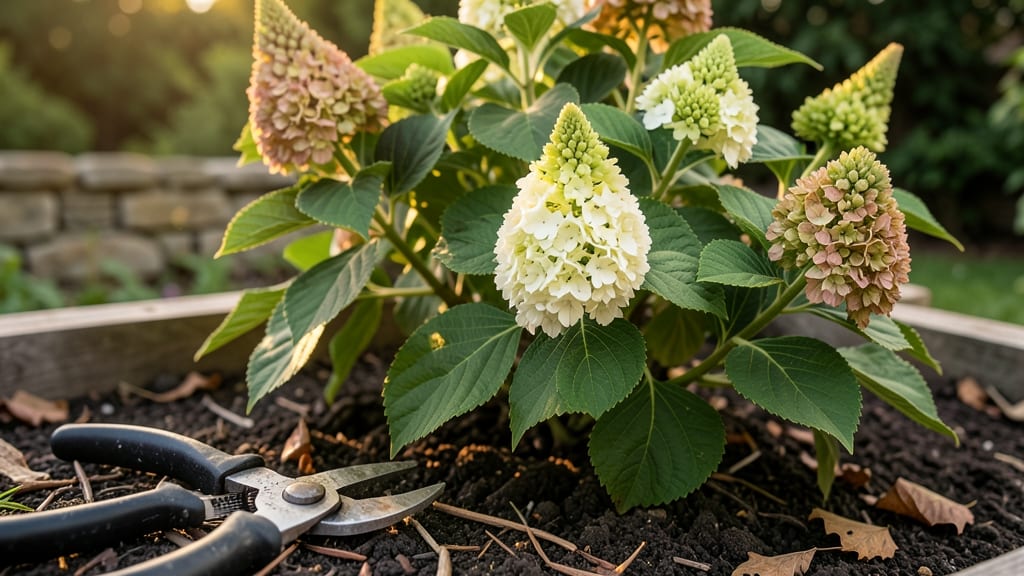
Trimming a hydrangea tree isn’t just about keeping it tidy—it’s the secret to doubling your blooms next season. 🌿 I’ve watched my own hydrangea go from a scraggly mess to a lush, flower-covered giant after learning the right cuts for its type.
The timing, tools, and technique all matter, but the payoff is worth every minute.
Most people prune at the wrong time, which means fewer flowers or even no blooms at all.
For mophead and lacecap hydrangeas, you’ll want to trim right after they finish flowering in late summer or early fall, while panicle types can handle a late winter prune when the branches are still dormant.
A few basic tools—a sharp pair of bypass pruners, gloves, and a small saw for thicker branches—are all you need to get started.
When done right, your hydrangea will burst with vibrant blooms that last all summer, and the shape will stay full and balanced. You’ll avoid those sad, leggy branches that ruin the look and learn how to encourage new growth where you want it.
The key is patience—hydrangeas reward careful pruning with years of stunning color.
Whether you’re dealing with a young tree or an established one, the same principles apply. We’ll cover the exact cuts for each type, how to spot over-pruning mistakes, and even how to revive a hydrangea that’s been neglected. Let’s get those shears ready!
📚 In This Guide
- What you need
- Instructions
- Tips and common mistakes
- Wrapping up and next steps
What you need
- ● Bypass pruners – Sharp, clean bypass pruners (4-6" blades) for small to medium stems (¼"–¾" thick). Sterilize with rubbing alcohol before and after use.
- ● Loppers – Heavy-duty bypass loppers (8-10" blades) for thicker branches (¾"–2" thick). Look for ratcheting or bypass designs for precision.
- ● Pruning saw – A curved-tooth pruning saw for branches thicker than 2". Replace blades if dull.
- ● Gloves – Garden gloves (nitrile-coated for grip) to protect against thorns and sap.
- ● Disinfectant – 70% isopropyl alcohol or a 10% bleach solution (1 part bleach to 9 parts water) to prevent disease spread.
- ● Rag or paper towels – For wiping tools between cuts.
- ● Ladder or stool – If your hydrangea tree is over 6 feet tall, use a stable step ladder or extension pole pruners.
- ● Hand pruners with extendable handles – For reaching higher branches without a ladder.
- ○ Sealing wax or pruning paint – Optional for large cuts (½" or wider) to prevent disease entry (only use on non-evergreen hydrangeas).
- ● Garden twine or zip ties – To temporarily support weak branches post-pruning.
- ● Marking spray (white or pink) – Helps visualize cuts before making them.
- ● Trash bag or bucket – For collecting debris and fallen blooms.
Step-by-step guide for trimming a hydrangea tree
Here's how I shape my hydrangeas to keep them blooming beautifully year after year.
✂️ Step 1: Identify the Right Time to Trim
Hydrangea trees bloom on old wood (last year's growth), so timing matters. Trim immediately after flowering in late summer or early fall—this ensures next year's buds form properly. Never prune in late fall or winter, as you'll remove next season's blooms before they set.
Look for spent flower clusters that have turned brown. These are your visual cue that the tree has finished blooming. If you prune too early in spring, you risk cutting off next year's flowers entirely.
✂️ Step 2: Gather Your Tools and Clear the Workspace
Use clean, sharp pruning shears—dull blades tear stems, inviting disease. Wipe them with rubbing alcohol between cuts to prevent spreading bacteria. Lay down a tarp or drop cloth to catch fallen leaves and debris, making cleanup easier.
Work on a dry day when temperatures are mild (50-75°F). Avoid trimming after rain, as wet branches are harder to handle and can spread fungal spores more easily.
✂️ Step 3: Remove Dead or Weak Branches First
Start by cutting out any branches that are dead, diseased, or crossing. Dead wood is easy to spot—it's brown, brittle, and doesn't bend. Diseased branches may have black spots or oozing sap. Remove these completely at their base to improve airflow and prevent rot.
Next, thin out crowded branches to reduce competition for nutrients. Aim for an open center with branches spaced 6-12 inches apart. This encourages stronger growth and better bloom production.
✂️ Step 4: Shape the Tree for Balance and Bloom
Step back and assess the tree's natural shape. Hydrangeas grow best with a slightly rounded canopy. Cut back 1/3 of the oldest stems each year to encourage new growth. Older stems produce the most flowers, but they need rejuvenation.
For a bushier look, trim the tips of remaining branches by 1/4 to 1/3. Make cuts just above a leaf node (the bump where leaves attach) at a 45-degree angle. This encourages branching and more blooms next season.
🌿 Step 5: Clean Up and Monitor for Recovery
Rake up all fallen leaves and debris to reduce pests and disease. Dispose of pruned branches in a sealed bag or compost pile (only if disease-free). Water the base of the tree deeply to help it recover from pruning stress.
Watch for new growth in 4-6 weeks. Healthy stems will be green and firm, while stressed branches may wilt or develop yellowing leaves. If you see excessive wilting, reduce watering slightly—hydrangeas often struggle with overwatering after pruning.
Tips & tricks for perfect hydrangea trimming
Between us, I've watched hydrangeas go from glorious blooms to sad, overgrown bushes—until I learned these key tricks. Here's how to avoid the mistakes that ruin all that hard work.
Timing is Everything: The late summer to early fall window is non-negotiable for hydrangeas that bloom on old wood. I learned this the hard way after pruning too early and ending up with a bare tree the next spring. Look for those brown, papery flower heads—they're your perfect signal. If you're unsure, wait a few more days rather than risking cutting off next year's blooms.
Tool Prep Prevents Problems: Disinfecting your pruning shears between cuts is one of those details that makes all the difference. I keep rubbing alcohol in a small spray bottle right next to my tools. This simple step prevents spreading diseases from branch to branch. Also, work during those mild 50-75°F days—wet branches are slippery and more prone to tearing, which invites infection.
Shape with Purpose: When you're cutting back those oldest stems by 1/3, think of it as creating a framework for next year's growth. I like to visualize a rounded dome shape—this allows sunlight to reach all parts of the tree. For the remaining branches, those 1/4 to 1/3 cuts at a 45-degree angle above leaf nodes are crucial. This isn't just about looks; it's about encouraging those new growth points where your flowers will form.
Recovery Matters More Than You Think: That deep watering after pruning isn't just for show—the tree is stressed from losing branches, and it needs moisture to recover. I've seen hydrangeas wilt dramatically after pruning, but they always bounce back when given proper care. Watch for those 4-6 weeks of new growth—it's your reward for doing it right. If you notice excessive wilting, hold off on watering for a few days; hydrangeas often overreact to pruning stress.
Pro Tips for Trim A Hydrangea Tree
- Between us, I've watched hydrangeas go from glorious blooms to sad, overgrown bushes—until I learned these key tricks.
- Timing is Everything: The late summer to early fall window is non-negotiable for hydrangeas that bloom on old wood.
- Tool Prep Prevents Problems: Disinfecting your pruning shears between cuts is one of those details that makes all the difference.
Frequently asked questions
Got questions about trimming your hydrangea tree?
You’re not alone! Here are some of the most common concerns—plus quick, expert-backed answers to keep your blooms thriving.
When is the best time to trim a hydrangea tree?
Timing depends on your hydrangea type! For bigleaf or oakleaf varieties, prune right after flowering (late summer/early fall) to avoid cutting off next year’s blooms. Panicle hydrangeas (like ‘Limelight’) can handle pruning in late winter or early spring—just before new growth starts.
How much can I cut back without hurting the tree?
For most hydrangea trees, you can safely remove 1/3 to 1/2 of the plant’s height in a single pruning session. Focus on dead, diseased, or crossing branches first, then shape the canopy. Avoid over-pruning—hydrangeas bloom on old wood (last year’s growth), so drastic cuts may reduce flowers.
Why aren’t my hydrangeas blooming after pruning?
If your hydrangea tree skips blooms, it might be pruned at the wrong time (e.g., cutting back old wood varieties in spring). Double-check your type: Bigleaf and oakleaf need late-summer pruning, while panicle types bloom on new growth and can handle early-spring cuts. Over-fertilizing with nitrogen () can also delay flowers—balance with phosphorus for blooms!
Can I trim a hydrangea tree in rain or winter?
Avoid pruning in rain (wet tools spread disease) or deep winter (dormant trees stress easily). Late winter (just before buds swell) is ideal for panicle types, but bigleaf/oakleaf should wait until after flowering. If you must prune in winter, do it on a dry, above-freezing day and sterilize tools with rubbing alcohol.
What if my hydrangea tree looks too leggy after pruning?
Leggy growth often means it’s time for a renewal prune—cut back all stems to 6–12 inches from the ground in early spring (for panicle types) or late summer (for bigleaf/oakleaf). This encourages new, bushier growth and more blooms next season. Feed with a balanced fertilizer (10-10-10) afterward to support recovery.
Wrapping up and next steps
Trimming your hydrangea tree doesn’t have to be intimidating—with the right timing, tools, and techniques, you’ll keep it thriving and blooming beautifully for years! Remember, spring and summer are your best friends for shaping, while winter is perfect for light maintenance.
Whether you’re pruning for health, aesthetics, or those showstopping flowers, confidence comes with practice.
Ready to take the next step? Monitor your hydrangea’s growth throughout the year and adjust your pruning routine as needed. And if you’re eager to dive deeper, explore seasonal care tips or join gardening forums to share your progress! 🌸✂️