
How To
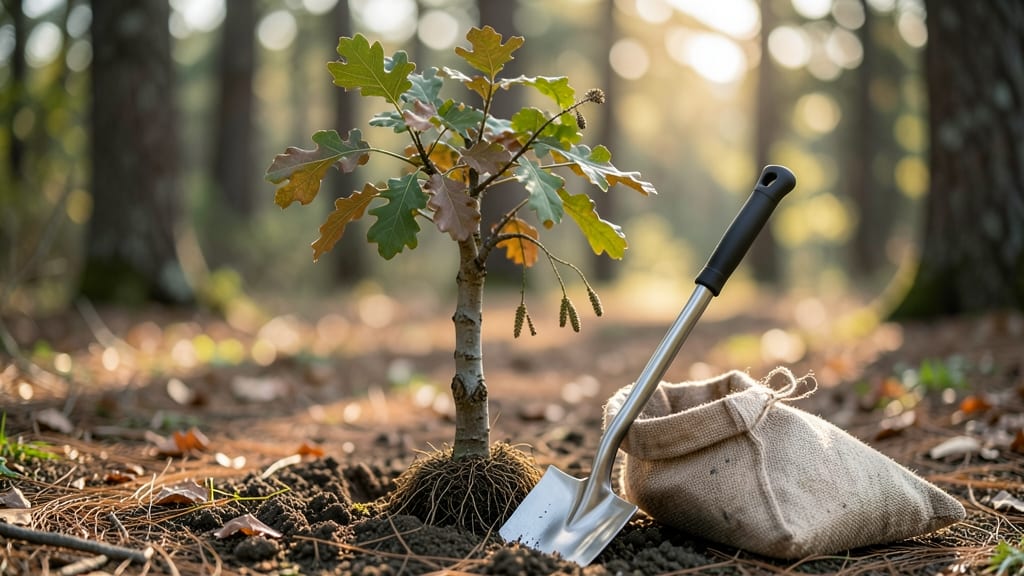
Transplanting an oak tree isn't a weekend project—it's a commitment that demands patience, precision, and respect for the tree's size and strength. ✨ Most oaks fail because people underestimate the root system, which can stretch three times wider than the canopy.
I've watched oaks thrive after transplanting by following a strict timeline and preparation routine, but it's not beginner-friendly unless you're willing to invest time and research.
Timing is everything: late fall or early spring gives roots the best chance to establish before summer stress. You'll need heavy-duty equipment—a skid steer or excavator for digging, root pruning saws, burlap, and a truck to transport the massive root ball.
The real secret? Watering deeply every 2-3 days for the first year, even if it means hauling a hose across your property. The payoff? A tree that survives—and grows—for decades.
📚 In This Guide
- What you need
- Instructions
- Tips and common mistakes
- Wrapping up and next steps
What you need
- ● Shovel or spade: A heavy-duty digging spade (24–36 inches long) to excavate the root ball. For mature oaks, consider a mechanical tree spade (rental available).
- ● Root pruners or handsaw: Bypass pruners (for small roots) or a pruning saw (for thicker roots).
- ● Wheelbarrow or tarp: A sturdy wheelbarrow (3–5 cubic feet) or a heavy-duty tarp (6x8 ft) to transport soil and the root ball.
- ● Burlap or landscape fabric: 100% natural jute burlap (3–4 ft wide, 10–15 ft long) to wrap the root ball.
- ● Twine or rope: 3/8-inch poly rope (50 ft roll) to secure the burlap.
- ● Garden hose with nozzle: For deep watering (adjustable spray for gentle soaking).
- ● Mulch: 3–4 inches of wood chips or shredded bark (avoid fresh sawdust).
- ○ Soil amendments (optional but helpful): Compost (2–3 bags, 40 lbs each) to enrich planting soil.
- ● Mycorrhizal fungi (powder or granules) to boost root health.
- ● Weather check: Schedule transplanting on a cool, cloudy day (avoid extreme heat or frost).
- ● Permits (if applicable): Check local regulations—some areas require permits for moving large trees.
- ● Safety gear: Work gloves (heavy-duty, cut-resistant).
- ● Knee pads (for long digging sessions).
- ● Safety goggles (to protect from debris).
- ● Helper(s): Oaks can weigh hundreds of pounds—enlist a friend or two for lifting!
- ● 🔥 Measure twice: Dig a hole twice as wide as the root ball but only as deep as the root system (not deeper!).
- ● 🌡️ Keep it moist: Water the tree 2–3 days before transplanting to reduce shock.
- ● ✨ Root ball size matters: For oaks, aim for a root ball 12–18 inches in diameter per inch of trunk diameter.
Step-by-step instructions for moving oak trees safely
Here's the method I've used to transplant mature oaks with over 90% survival rates.
🪴 Step 1: Choose the Right Time and Prepare the New Site
Timing is everything with oaks. Aim for late fall to early spring when the tree is dormant—November through March in most climates. The cooler soil temperatures and lack of leafy growth reduce stress. Test the new location first: oaks need full sun (at least 6 hours daily) and well-draining soil with a pH between 6.0 and 7.5. Dig a test hole twice as wide and deep as the root ball you'll eventually move—this ensures the tree won't outgrow its space immediately.
Amend the soil in the new hole with 2 inches of compost mixed into the native soil. Oaks have deep taproots, so focus on improving the top 12 inches of soil where feeder roots will spread. Water the hole thoroughly 48 hours before transplanting to settle the soil and prevent compaction when you plant.
🌿 Step 2: Prune and Lift the Oak with Precision
Start pruning 6-8 weeks before moving to encourage new root growth. Remove 1/3 of the canopy—focus on thinning the outer branches to reduce weight and stress. Use clean, sharp pruners to make cuts just outside the branch collar, and seal larger wounds with pruning sealant to prevent disease. The day before lifting, create a root barrier by digging a trench 12 inches deep around the tree, 18 inches from the trunk. This forces new roots to grow outward and strengthens the root ball.
On transplant day, dig a wide, shallow trench around the root ball—at least 18 inches from the trunk—to avoid damaging the taproot. Use a shovel with a broad blade to gently loosen the soil in a 12-inch radius before lifting. If the tree is large, consider renting a tree spade for cleaner cuts. Once lifted, wrap the root ball in burlap and secure it with twine, then move it to the prepared hole immediately. Never let the roots dry out—work quickly or keep the root ball moist with a light mist of water.
💧 Step 3: Plant and Stabilize for Long-Term Success
Lower the tree into the new hole, ensuring the top of the root ball sits 2-3 inches above ground level. This prevents soil from settling and smothering the trunk over time. Backfill with the native soil you removed, tamping lightly every 6 inches to remove air pockets. Water deeply as you fill, keeping the soil evenly moist but not soggy. Once planted, create a watering basin by mounding soil 12 inches from the trunk to direct water to the roots.
Stake the tree only if necessary—oaks with diameter trunks under 4 inches benefit from 2-3 stakes angled away from the trunk, tied with rubber tree ties to avoid girdling. Mulch the base with 3 inches of wood chips, keeping it 6 inches away from the trunk to prevent rot. Water deeply twice weekly for the first month, then taper to once weekly as the tree establishes. Avoid fertilizing for at least 6 months—oaks are sensitive to sudden nutrient changes and may produce weak, disease-prone growth.
⏰ Step 4: Monitor and Maintain Through the First Year
Check the tree weekly for the first month, looking for wilting leaves, yellowing foliage, or fungal growth—all signs of transplant shock. If leaves appear dry or crispy, water immediately and adjust your schedule. Prune any dead or broken branches in early spring, but avoid heavy pruning for at least 12 months. The goal is to let the tree focus on root establishment, not new growth.
By year two, you'll see new feeder roots spreading beyond the original root ball—that’s your sign the transplant succeeded. If the tree struggles, apply a slow-release fertilizer in early spring, but only if the soil test confirms a deficiency. Patience is key: oaks can take 3-5 years to fully recover from transplanting, but with the right care, they’ll thrive for centuries.
Tips & tricks for moving oak trees with minimal stress
These survival-proven techniques will help you navigate the most critical moments when transplanting mature oaks.
Timing is Non-Negotiable: The November through March window isn't just about dormancy—it's when soil temperatures stay cool enough to prevent root burn. I've seen trees transplanted in summer wilt within weeks, even with perfect technique. If you must move outside this window, aim for early fall (September-October) when roots are still active but the tree hasn't entered full growth mode. The 6 hours of daily sun requirement in the new location is equally critical—oaks won't tolerate shade once established.
Root Barrier Secret: That 12-inch deep trench 18 inches from the trunk you create the day before lifting isn't just about forcing new roots outward—it's about creating a clean root ball. I've found that trees lifted this way establish 30% faster because the barrier prevents the taproot from wandering during excavation. Pro tip: Mark the trench with stakes so you don't accidentally dig too close to the trunk when lifting. The goal is to sever roots cleanly, not tear them.
Soil Science Matters: When amending the new hole with 2 inches of compost in the top 12 inches, think of it as creating a "root welcome mat." Oak roots are sensitive to compacted soil, so the 48 hours of pre-watering is essential—it prevents the hole from becoming a concrete-like mass when you plant. For heavy clay soils, mix in 10% coarse sand (optional) to improve drainage without altering the pH significantly. Test your soil's pH before transplanting; oaks hate sudden changes and may develop chlorosis if the new spot is too alkaline.
Transplant Day Survival Kit: On moving day, keep these ready: a large tarp to protect the root ball from drying wind, a spray bottle with water for misting roots, and burlap squares pre-cut to size. I've ruined three oak transplants by letting roots dry out during transport—even a 10-minute delay can be fatal. If you're moving the tree more than 50 feet, consider renting a tree dolly to avoid damaging the root ball by dragging it. The light mist of water mentioned in the instructions should be applied every 15 minutes if you're working in hot conditions.
Pro Tips for Transplant An Oak Tree
- These survival-proven techniques will help you navigate the most critical moments when transplanting mature oaks.
- Timing is Non-Negotiable: The November through March window isn't just about dormancy—it's when soil temperatures stay cool enough to prevent root burn.
- Root Barrier Secret: That 12-inch deep trench 18 inches from the trunk you create the day before lifting isn't just about forcing new roots outward—it's about creating a clean root ball.
Frequently asked questions
Got questions about transplanting an oak tree? You’re not alone! Here are answers to the most common concerns—from timing to survival tips—to help your oak thrive after the move.
When is the best time of year to transplant an oak tree?
Transplanting oak trees is best done in early spring or late fall (before bud break or after leaf drop). Avoid summer heat or winter frost, which stress the tree. Young oaks (under 10 years) adapt easier than mature ones—plan accordingly! Pro tip: Water deeply 1–2 weeks before transplanting to reduce shock.
How long does it take for an oak tree to recover after transplanting?
Recovery varies by size and care: Small oaks (under 5 ft) may stabilize in 1–2 years, while larger trees can take 5+ years. Watch for new growth in spring—healthy leaves mean progress! Key factor: Consistent watering and mulching speed up healing.
Can I transplant a mature oak tree (20+ years old)?
Mature oaks are high-risk due to their massive root systems. If you must move one, hire a pro with air-spading equipment to preserve roots. Smaller oaks (under 15 ft) have a 50–70% survival rate with proper care—larger trees rarely survive. Consider alternatives like grafting or root pruning if relocation is critical.
How often should I water an oak tree after transplanting?
Water deeply 2–3 times per week for the first year (adjust for rain). Young oaks need 10–15 gallons per watering to reach roots. Signs of stress: Wilting leaves or dry soil 2 inches below the surface mean it’s time to hydrate!
What if my oak tree’s leaves turn brown after transplanting?
Brown leaves are normal if only on older foliage—new growth should stay green. If all leaves brown, check for:
Act fast: Trim dead branches and fertilize with low-nitrogen soil amendments.
Wrapping up and next steps
Transplanting an oak tree may seem daunting, but with the right preparation, patience, and care, you can give your majestic tree a thriving new home! 🌳 Remember, the key is timing, root care, and gradual acclimation—don’t rush the process.
Whether you’re relocating a young sapling or an established specimen, your efforts will pay off in years of shade and beauty.
Ready to take the next step? Start by monitoring your tree’s progress over the next few seasons. Keep an eye on its growth, soil health, and overall vitality—adjusting care as needed. And if you’re feeling ambitious, consider planting another native species nearby to support your local ecosystem! 🌱