
How To
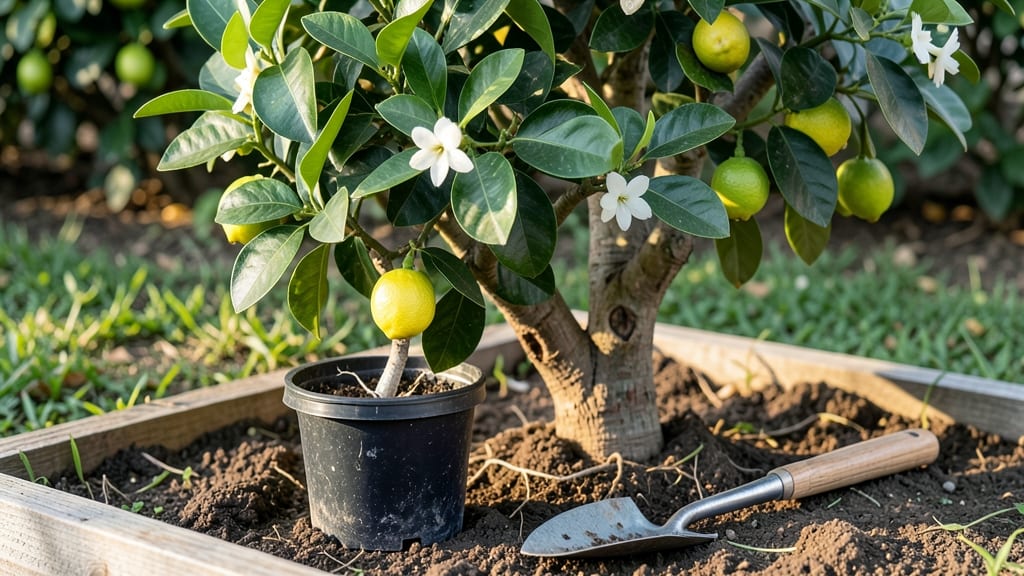
Transplanting a lemon tree feels like moving a temperamental roommate—get the timing and roots wrong, and you’ll lose it forever. 🌿 The secret isn’t brute force; it’s understanding when to move (spring or fall, never summer) and how to handle those delicate roots without tearing them apart.
Start by digging a hole twice as wide as the root ball but no deeper—lemon trees hate soggy feet. Prune back any damaged roots and wrap the root ball in burlap if you’re moving it far.
Water deeply the day before transplanting to reduce shock, and keep the tree in partial shade for the first week to help it adjust.
📚 In This Guide
- What you need
- Instructions
- Tips and common mistakes
- Wrapping up and next steps
What you need
- ● Gloves (1 pair) – Heavy-duty gardening gloves to protect your hands from thorns and soil.
- ● Pruning shears – Sharp, sterilized shears to trim damaged roots or branches.
- ● Trowel or spade – A sturdy, wide-bladed spade (18–24 inches) for digging around the root ball.
- ● Garden fork – To loosen compacted soil and roots gently.
- ● 5-gallon bucket or wheelbarrow – For transporting soil and the root ball.
- ● Burlap or landscape fabric (1–2 yards) – To wrap the root ball for easier handling.
- ● Well-draining potting mix (5–10 gallons) – A blend of peat moss, perlite, and compost (or citrus-specific mix). Avoid heavy clay soil!
- ● Container or hole – If repotting, choose a container 2–4 inches wider than the root ball with drainage holes. For in-ground planting, dig a hole twice as wide as the root ball.
- ● Mulch (2–3 inches) – Organic mulch (e.g., straw or wood chips) to retain moisture and regulate temperature.
- ● Watering can or hose with gentle nozzle – For thorough watering before, during, and after transplanting.
- ● Fertilizer (balanced citrus fertilizer, 10-10-10 or similar) – A light dose (½ strength) to help recovery.
- ● Root stimulator (e.g., mycorrhizal fungi or seaweed extract) – Boosts root growth post-transplant.
- ● Epsom salt (1 tablespoon) – Adds magnesium for leaf health (mix into soil).
- ● Support stake or cage – If your lemon tree is top-heavy or in a windy area.
- ● Anti-transplant shock spray (e.g., hydrogen peroxide solution) – Helps reduce stress on the tree.
- ● Soil moisture meter – Ensures you’re not over- or under-watering during recovery.
Step-by-Step instructions for transplanting a lemon tree
Here's how to move your lemon tree with confidence—minimizing shock and maximizing survival.
🪴 Step 1: Prepare the New Location and Dig the Hole
Choose a spot with full sun (at least 6-8 hours daily) and well-draining soil. Lemon trees hate soggy roots, so avoid low areas where water pools. Dig a hole twice as wide as the root ball but only as deep as the container it's currently in. This prevents burying the trunk too deeply, which can cause rot.
Loosen the sides of the hole with a shovel or your hands—this helps roots spread into the surrounding soil. Mix the native soil with 2-3 inches of compost (from your materials) at the bottom of the hole. This gives roots immediate access to nutrients without overwhelming them. Tap the hole gently to settle the soil before planting.
🌱 Step 2: Remove the Tree from Its Container
Water the tree deeply 24 hours before transplanting—this keeps roots pliable and reduces breakage. Gently squeeze the sides of the container to loosen the root ball. If the tree is stuck, run a knife around the edges to separate it. Lift the tree out by the base, supporting the root ball with one hand to avoid dropping it.
Inspect the roots for any that are circled or tangled—these can strangle the tree. Use your fingers to tease them apart gently. If you see dark, mushy roots, trim them with sterilized pruners. This is normal for container-grown trees and helps the tree focus energy on new growth. Don't worry if some roots break—they'll regenerate quickly.
💧 Step 3: Plant and Water Thoroughly
Place the tree in the hole so the top of the root ball sits level with the surrounding soil—burying the trunk too deep suffocates the tree. Fill the hole with the remaining soil-compost mix, pressing lightly as you go to eliminate air pockets. Water slowly and deeply until the soil is evenly moist to a depth of 12 inches. This helps settle the soil and removes air gaps around the roots.
Add a 2-3 inch layer of mulch (from your materials) around the base, keeping it 2 inches away from the trunk to prevent rot. Water again after mulching to help it settle. Avoid heavy watering for the first 3-5 days—this gives roots time to adjust without drowning. You'll know it's working when new leaves appear in 4-6 weeks.
☀️ Step 4: Protect and Monitor for the First Month
Keep the tree in light shade for 3-5 days after transplanting to reduce stress. Gradually move it to full sun over 7-10 days. Lemon trees are sensitive to sudden changes, so this slow transition prevents leaf scorch. Watch for yellowing leaves—this is normal for the first few weeks as the tree adjusts, but if it spreads to older leaves, it may need more water.
Check the soil every 2-3 days—it should feel damp but not soggy to the touch. Overwatering is the #1 killer of newly transplanted citrus. If the tree drops leaves, don't panic—it's often just shedding old ones to focus on new growth. Fertilize lightly 6 weeks after transplanting with a balanced citrus fertilizer to support recovery.
Tips & tricks for transplanting a lemon tree like a pro
Here's what nobody tells you—transplanting a lemon tree right can mean the difference between a thriving plant and one that struggles for months. These are the tricks that'll help you avoid common pitfalls and give your tree the best chance to thrive.
Root Care is Everything: In Step 2, when you're inspecting those roots, pay extra attention to any that look gnarled or tangled. These can literally choke your tree by preventing new roots from growing outward. Take your time—gentle is better than fast here. I've seen people rush this step, and within weeks, the tree shows signs of stress. If you're worried about damaging roots, remember: a few breaks won't hurt. Roots are resilient and will regenerate quickly once planted.
Sun Transition Strategy: That 3-5 day light shade period in Step 4 isn't just arbitrary—it's critical for preventing sunburn on newly transplanted trees. Think of it like helping a sunburned human: gradual exposure is key. I've transplanted trees in full sun too soon, and within days, you can see the leaves turning brown at the edges. If you're in particularly hot or dry conditions, extend the shade period to 7 days. The goal is to let the tree adjust without shock.
Watering Wisdom: The instructions mention watering slowly and deeply to 12 inches, but here's the secret: that first watering after planting should be thorough enough that water runs out from the bottom of the hole. This ensures the roots make full contact with moist soil. After that, the "every 2-3 days" check is crucial—but don't rely on a schedule. Stick your finger in the soil. If the top 2 inches are dry, it's time to water. Overwatering is just as deadly as underwatering for citrus trees.
Fertilizer Timing: The 6-week mark for fertilizing isn't just a random number—it's when your tree has had enough time to recover from transplant shock but isn't yet overloaded with nutrients. Here's what I do: at the 6-week mark, I give the tree half the recommended dose of citrus fertilizer. This gentle introduction helps prevent fertilizer burn while still giving it the nutrients it needs to recover. If you're using organic fertilizer, you can start a bit earlier—around 4 weeks—but still use half strength.
Pro Tips for Transplant A Lemon Tree
- Here's what nobody tells you—transplanting a lemon tree right can mean the difference between a thriving plant and one that struggles for months.
- Root Care is Everything: In Step 2, when you're inspecting those roots, pay extra attention to any that look gnarled or tangled.
- Sun Transition Strategy: That 3-5 day light shade period in Step 4 isn't just arbitrary—it's critical for preventing sunburn on newly transplanted trees.
Frequently asked questions
Got questions about transplanting your lemon tree? You’re not alone! Here are some of the most common concerns—and straightforward answers to help you stress less and grow more.
When is the best time to transplant a lemon tree?
The ideal time is late winter or early spring (before new growth starts) or early fall. Avoid transplanting during extreme heat or cold—roots need time to recover. If your tree is young (<3 years old), it’s more flexible with timing, but older trees thrive best in mild seasons.
How do I know if my lemon tree is ready for transplanting?
Watch for these signs: root-bound roots (circling or bursting from the pot), yellowing leaves (from poor drainage), or slow growth despite proper care. If your tree’s pot is cracked or roots are visible above the soil, it’s time to move! Avoid transplanting if the tree is flowering or fruiting—wait until after harvest.
Should I water my lemon tree before or after transplanting?
Water it thoroughly 1–2 days before transplanting to reduce root shock. After moving, don’t water immediately—wait 3–5 days to let roots settle. Then, water deeply but avoid soggy soil. Mulch around the base (but not touching the trunk) to retain moisture without suffocating roots.
Can I transplant a lemon tree in full sun or shade?
Lemon trees love full sun (6–8 hours daily), but if you’re moving it to a shadier spot, do it gradually over 2–3 weeks. Sudden shade can stress the tree. If your new location has partial shade, ensure it’s still bright—lemons need sunlight for fruit production. Avoid deep shade; it weakens growth and reduces yields.
What should I do if my lemon tree’s leaves turn yellow after transplanting?
Yellow leaves are often normal for 2–4 weeks post-transplant, but check for these issues:
- Overwatering: Let soil dry slightly between waterings.
- Root damage: Gently inspect roots for breaks or circling.
- Nutrient deficiency: Fertilize lightly with citrus-specific food after 6 weeks.
Can I transplant a lemon tree from a pot to the ground (or vice versa)?
Yes! Pot-to-ground: Dig a hole twice as wide as the pot, loosen roots gently, and plant at the same depth. Ground-to-pot: Prune roots if overgrown, use a pot 2–4 inches larger, and fill with well-draining soil. For container trees, ensure drainage holes exist—lemons hate soggy feet! Adjust sunlight/water needs based on the new environment.
Wrapping up and next steps
Transplanting your lemon tree might seem daunting, but with the right root care secrets and patience, you’ll give it the best shot at thriving in its new home! 🌱 Remember to water deeply before and after, protect those roots, and choose the perfect timing—your citrus friend will thank you with sweet, juicy rewards.
Now that you’re armed with the know-how, grab those gloves and get ready to nurture your tree into a bountiful, sun-drenched success.
Ready to take the next step? Monitor your tree closely in the weeks after transplanting, and soon, you’ll be harvesting lemons like a pro! 🍋✨