Pruning
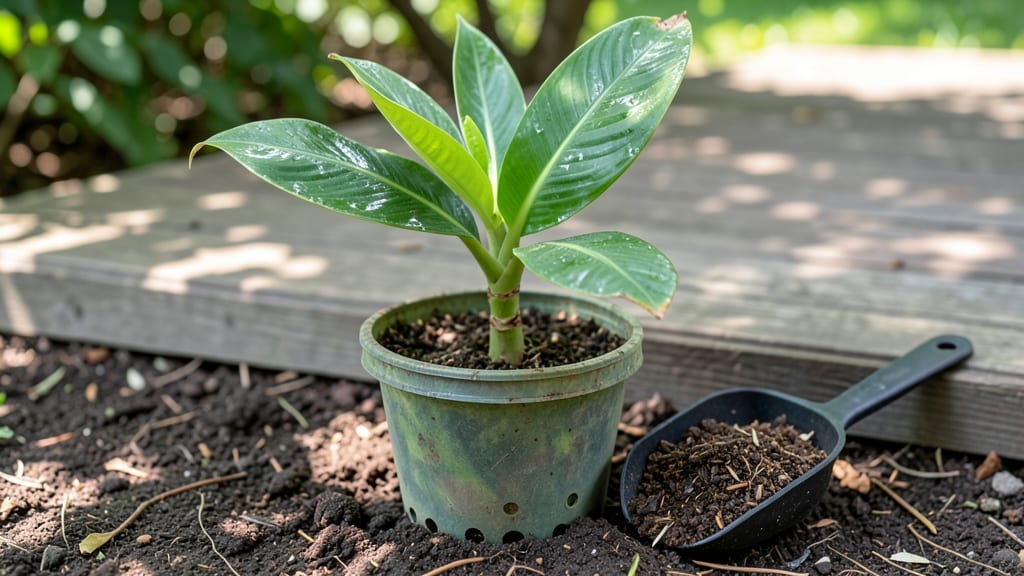
Starting a banana tree from seed feels like nurturing a tiny piece of the tropics right on your windowsill—though it takes patience to see those signature broad leaves. 🌱 The process begins with a seed that might take months (or even a year) to sprout, but the reward is watching a plant grow from a delicate shoot into a towering tropical beauty.
Most people assume you need a warm climate, but with the right care, you can grow banana plants indoors in pots, even in cooler zones.
The key to success starts with the right variety—dwarf banana plants like 'Dwarf Cavendish' are perfect for beginners because they grow faster and adapt better to containers. You’ll need a well-draining potting mix, a pot at least 12 inches deep, and a sunny spot (or a grow light if indoors).
Watering is the trickiest part: keep the soil consistently moist but never soggy, as banana roots hate sitting in water. Most beginners overwater, which leads to yellow leaves and root rot.
By month 6, you’ll see the first true banana leaves unfurl, their deep green color signaling healthy growth. With proper care, your plant could flower within 2-3 years, though fruiting indoors is rare without a greenhouse setup.
The real magic happens when you move it outdoors in summer—suddenly, it grows like a weed, reaching heights of 6-10 feet in a single season. Even if it never fruits, the lush foliage makes it a stunning tropical statement plant.
This method works for both indoor growers and those in warm climates, though outdoor planting requires zone 10+ conditions. If you live elsewhere, keep it in a pot and bring it inside before frost.
The biggest mistake? Giving up too soon—banana plants grow slowly at first, but once they establish, they’ll surprise you with their vigor. Ready to start your tropical journey?
📚 In This Guide
- What you need
- Instructions
- Tips and common mistakes
- Wrapping up and next steps
What you need
- ● Banana seeds – 1-3 (harvested from ripe bananas or purchased from a nursery). Tip: If growing from store-bought bananas, use organic, unpeeled ones for the best chance of germination!
- ● Biodegradable seed-starting pots – 2-4 (4-6 inches deep). Pro tip: Use peat or coconut coir pots to avoid transplant shock later.
- ● Well-draining potting mix – 1 bag (focus on a tropical blend with perlite or sand for aeration).
- ● Spray bottle – 1 (for gentle watering).
- ● Clear plastic wrap or humidity dome – 1 (to retain moisture).
- ● Grow lights or sunny windowsill – Access to 6+ hours of indirect light daily.
- ● Large container or garden plot – 1 (minimum 5-gallon capacity for mature seedlings).
- ● Fertilizer – Balanced liquid fertilizer (e.g., 10-10-10) for faster growth.
- ● Heat mat – 1 (to keep soil 75-85°F for faster germination).
- ● Mulch – Straw or wood chips (to retain soil moisture).
- ● Support stake or trellis – 1 (for when the plant reaches 3-4 feet tall).
- ● pH test kit – To ensure soil pH is 5.5-7.0 (banana trees thrive in slightly acidic to neutral soil).
Step-by-step instructions for growing banana trees from seed
Here's how to nurture your own tropical fruit tree from scratch.
🌱 Step 1: Prepare the Seed and Planting Medium
Start with a ripe banana—pick one that's soft but not mushy. Cut it open and scoop out the seeds (they look like tiny black specks). Rinse them thoroughly to remove any fruit pulp, then soak them in lukewarm water for 24 hours. This softens the outer coating and helps kickstart germination.
While the seeds soak, mix 2 parts potting soil with 1 part perlite in a clean container. Moisten the mix until it feels like a damp sponge—not soggy, but holding moisture well. Banana seeds need this airy blend to prevent rot. I like to work in a shallow tray because seeds are tiny and easy to lose.
💧 Step 2: Plant the Seeds Shallowly
Sprinkle the soaked seeds onto the soil surface—don't bury them. Press them gently so they make contact with the medium, but leave them exposed. Cover the tray with plastic wrap to create a humid greenhouse effect. Place it in a warm spot (75-85°F) like near a heater or under grow lights.
Check daily for moisture—mist lightly if the soil surface dries out. You'll see tiny sprouts in 2-4 weeks, but don't rush this. Patience is key—banana seeds germinate slowly. Once you spot green shoots, remove the plastic wrap immediately to prevent fungal growth.
☀️ Step 3: Provide Warmth and Bright Indirect Light
Move the seedlings to a bright spot with filtered sunlight—no harsh midday rays yet. A south-facing window with sheer curtains works well. Keep the soil consistently moist but never waterlogged. I water from the bottom by placing the tray in an inch of water for 10 minutes, then draining excess.
When seedlings reach 3-4 inches tall, transplant them into 4-inch pots filled with the same soil mix. Handle gently—they're delicate! Place each pot in a warm, humid spot (like a greenhouse or under a heat lamp) for 2-3 weeks to help them adjust. You'll notice new leaves forming as they strengthen.
🪴 Step 4: Transition to Outdoor Conditions Gradually
After 3 months, when seedlings have 5-6 leaves, start hardening them off. Place them outside in a sheltered spot for 1 hour the first day, then gradually increase time over 2 weeks. Choose a location with partial shade—banana trees love warmth but can't handle direct sun yet.
Once fully acclimated, transplant to a large container (15+ gallons) or garden bed with well-draining soil. Mulch with 2 inches of organic matter to retain moisture. Banana trees grow fast—expect 6-foot stalks in their first year if conditions are right. Watch for new shoots emerging from the base—these indicate a healthy, established plant.
Tips & tricks for growing banana trees from seed
Here's what nobody tells you about nurturing banana trees from those tiny seeds—trust me, these details make all the difference.
Seed Selection Tip: Not all bananas yield viable seeds. Choose organic bananas—conventional ones are often treated to prevent sprouting. Look for bananas with small black specks (seeds) when you cut them open. If you don't see seeds, try a different variety like plantains or red bananas, which tend to have more fertile seeds. I've found that the seeds from the center of the banana are often the most viable, so focus your extraction there.
Germination Environment: The 24-hour soak is crucial, but don't let the seeds dry out afterward. Keep them in a sealed container with a damp paper towel until you're ready to plant. For the warm spot (75-85°F), I've had success using a seedling heat mat under my shallow tray—it creates consistent warmth without needing a full greenhouse. Just monitor closely to avoid overheating, which can kill the delicate seeds before they sprout.
Transplanting Timing: When you move those 3-4 inch seedlings to 4-inch pots, don't rush the process. Wait until you see strong roots emerging from the bottom of the tray—this tells you they're ready for more space. I've learned the hard way that transplanting too early can shock the seedlings. After repotting, keep them in the warm, humid spot for those 2-3 weeks. This helps their roots establish before facing brighter light conditions.
Hardening Off Strategy: The gradual outdoor transition is where most beginners fail. Start with that 1-hour sheltered session, but don't increase time by more than 30 minutes each day. Watch for wilting—the plant's way of saying "too much sun too soon." I've found that moving plants to partial shade during the hottest afternoon hours (12-3 PM) makes all the difference. This mimics their natural tropical understory environment.
Pro Tips for Start A Banana Tree
- Here's what nobody tells you about nurturing banana trees from those tiny seeds—trust me, these details make all the difference.
- Seed Selection Tip: Not all bananas yield viable seeds.
- Germination Environment: The 24-hour soak is crucial, but don't let the seeds dry out afterward.
Frequently asked questions
Got questions about growing your own banana tree from seed? You’re not alone! Here are answers to the most common queries to help you troubleshoot and thrive:
How long does it take for a banana seed to sprout?
A banana seed typically sprouts within 2–4 weeks if kept warm (70–85°F) and consistently moist. Patience is key—some seeds may take longer, especially if stored improperly. If nothing happens after 6 weeks, the seed may be non-viable. Pro tip: Use a seedling heat mat to speed up germination!
Can I grow a banana tree indoors?
Yes, but with limitations! Banana trees thrive outdoors in tropical climates (USDA Zones 10–11). Indoors, they’ll need bright, indirect light (a south-facing window or grow lights), high humidity (try a pebble tray), and warm temperatures. Expect slower growth and smaller fruit—ideal for decorative plants, not harvests. Fun fact: Dwarf banana varieties (like ‘Dwarf Cavendish’) adapt better to containers!
Why did my banana seedling turn yellow and die?
Yellowing leaves usually signal overwatering, poor drainage, or cold stress. Check your soil—it should stay evenly moist but not soggy. Ensure your pot has drainage holes and use a well-draining mix (like 50% potting soil + 50% perlite). If temperatures dip below 50°F, move your seedling to a warmer spot or use a small greenhouse. Quick fix: Trim dead leaves and repot if roots are waterlogged.
Will my homegrown banana tree produce edible fruit?
Probably not—unless you’re in a tropical climate! Most banana trees grown from seed (especially commercial varieties) are sterile and won’t fruit. For edible bananas, start with a rhizome or tissue-cultured plant from a nursery. Seed-grown trees are great for ornamental value or experimenting with heirloom varieties (like ‘Ice Cream’ or ‘Red Dacca’). Bonus: Even sterile trees add tropical flair to your garden!
What’s the best climate for growing banana trees?
Banana trees love warmth, humidity, and 12+ hours of sunlight daily. Ideal conditions include:
- Temperatures: 70–90°F (they hate frost!).
- Rainfall: 40–100 inches/year (drought-tolerant once established).
- Soil: Well-draining, slightly acidic (pH 5.5–7.0).
Wrapping up and next steps
Starting your own banana tree from seed is a rewarding journey that brings a touch of the tropics to your garden! 🌱 With the right materials, patience, and care, you’ll soon be watching those lush leaves unfurl and dreaming of fresh, homegrown fruit.
Remember, consistency in watering, sunlight, and soil conditions is key—your green thumb will grow stronger with each step.
Ready to turn your vision into reality? Take the next step: Gather your supplies, pick a sunny spot, and plant that seed with confidence. Before you know it, you’ll be harvesting your own tropical treasure! 🌿✨