Propagation
Planting a banana tree from seed unlocks a project that feels like growing a tiny rainforest in your backyard. 🌱 The first step is getting the seed just right—soaking it for 24 hours to soften the tough outer shell, then planting it in a warm, humid environment where it can slowly wake up from its tropical slumber.
You’ll need a shallow container with well-draining soil mix, kept consistently moist but never soggy. Patience is key here—germination can take 3-6 months, and the seedling’s first leaves will be simple and heart-shaped before it finally unfurls into the classic banana fronds.
This is where most people give up, but that’s when the magic starts.
Once those fronds appear, you’ll know you’re on the right track. The plant will grow slowly at first, but with proper sunlight (6+ hours daily) and occasional fertilizer, it’ll eventually reach a height where you can transplant it outdoors—if your climate allows.
Even in containers, it’ll reward you with lush, dramatic foliage long before it ever produces fruit.
Here’s the thing—seed-grown banana trees take 5-10 years to fruit, but the journey is worth it. You’ll end up with a plant that’s hardier and more unique than nursery varieties, plus the satisfaction of watching something tropical thrive in your care. Let’s get those seeds sprouting!
📚 In This Guide
- What you need
- Instructions
- Tips and common mistakes
- Wrapping up and next steps
What you need
- ● Banana seeds: 2–5 fresh, viable seeds (harvested from a ripe banana or purchased from a reputable supplier). Pro tip: 💡 Not all seeds sprout—aim for extra seeds to increase your chances!
- ● Seed-starting mix: 1–2 cups of sterile, well-draining potting soil (or a blend of coconut coir and perlite for moisture control).
- ○ Small pots or seed trays: 2–4 biodegradable pots (3–4 inches deep) or a seed tray with drainage holes. Optional: Clear plastic domes to retain humidity.
- ● Watering can or spray bottle: With a fine mist nozzle for gentle hydration.
- ● Plastic wrap or humidity dome: To create a mini greenhouse effect (if not using a clear pot lid).
- ● Grow lights or sunny windowsill: A warm, bright spot (70–85°F) with 12+ hours of indirect light daily.
- ● Tweezers or toothpick: For carefully placing tiny seeds into the soil.
- ○ Fertilizer (optional): A balanced, water-soluble fertilizer (diluted to half-strength) for seedlings after 4–6 weeks.
- ● Spray bottle with water: For misting soil without disturbing seeds.
- ○ Thermometer (optional): To monitor soil temperature (ideal: 75–85°F for germination).
- ● Larger pots or garden bed: For transplanting seedlings once they’re 6–12 inches tall.
- ● Patience! Banana seeds can take 2–6 months to germinate—consistency is key.
- ● A warm, humid environment (banana trees thrive in tropical climates but can start indoors).
- ● Access to a sunny spot or grow lights (banana seedlings need light to avoid legginess).
Step-by-step instructions for growing a banana tree from seed
Here’s how I’ve successfully sprouted banana seeds into thriving plants—no green thumb required.
🌱 Step 1: Extract and Prepare the Seed
Banana seeds are tiny and embedded in the fruit’s core. Cut open a ripe banana, scoop out the soft center, and rinse it under water to reveal the small, hard seeds. Pick out the largest, plumpest seeds—these have the best chance of germinating. Place them in a bowl of lukewarm water for 24 hours to soften the outer shell. This step is key: dry seeds take far longer to sprout.
After soaking, gently rub the seeds between your fingers to remove any remaining fruit pulp. Lay them on a paper towel to dry for 1-2 hours. You’ll notice the seeds darken slightly as moisture evaporates—this is your cue they’re ready for planting. Real talk: don’t rush this part. Rushed prep leads to weak germination.
💧 Step 2: Plant in Moist, Warm Soil
Fill a small pot (at least 4 inches deep) with a mix of 50% peat moss and 50% perlite. This blend drains well but retains enough moisture for tender seedlings. Moisten the mix until it’s damp like a wrung-out sponge—no puddles, just even dampness. Press the soil down lightly to remove air pockets.
Plant the seeds ½ inch deep in the soil, spacing them 1 inch apart. Cover them with a thin layer of the same mix, then mist the surface with water until the top inch feels damp. Place the pot in a clear plastic bag or cover it with plastic wrap to trap humidity. Banana seeds thrive in warmth—keep the soil at 75-85°F using a seedling heat mat if needed.
☀️ Step 3: Provide Warmth and Indirect Light
Banana seeds need warmth to germinate, but direct sunlight can dry them out too quickly. Place the pot in a spot with bright, indirect light, like a south-facing window with sheer curtains. If your home runs cooler, a heat mat set to 75°F speeds up germination. You’ll see tiny sprouts in 3-6 weeks, though some stubborn seeds take up to 3 months.
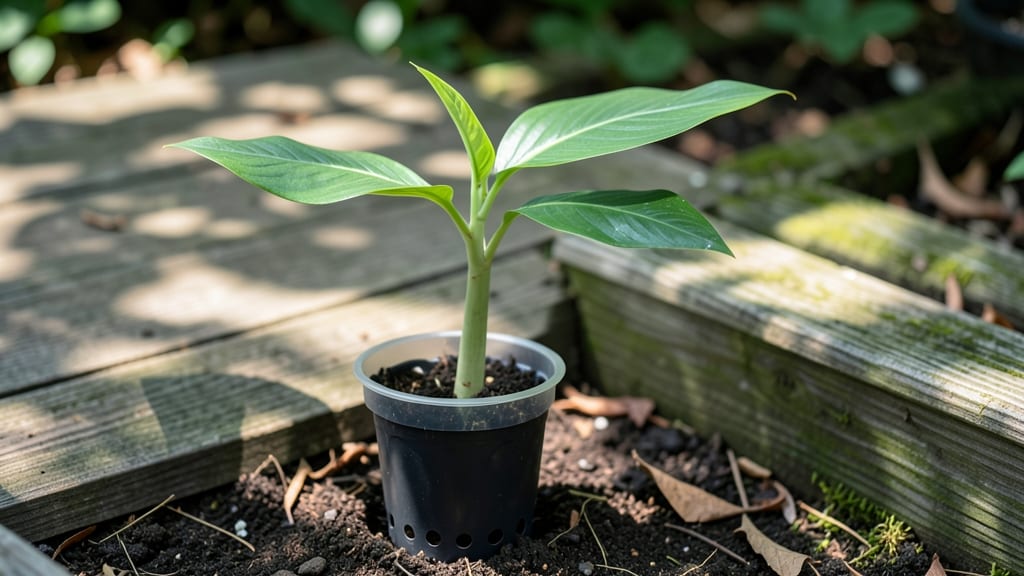
Check the soil daily—it should stay moist but never soggy. If the plastic bag fogs up, open it for 10 minutes to prevent mold. Once the first true leaves appear (they’ll look like small, pointed banana fronds), remove the cover entirely. This is the moment that matters: patience pays off here.
🌿 Step 4: Transplant and Care for Young Seedlings
When seedlings reach 4-6 inches tall and have 3-4 leaves, it’s time to transplant. Choose a slightly larger pot (at least 6 inches deep) and fill it with a mix of 60% potting soil, 20% perlite, and 20% compost. Water the new pot thoroughly before transferring the seedlings to avoid shocking their roots.
Dig a hole deep enough to bury the seedling up to its first set of leaves. Firm the soil gently around the base, then water deeply to settle everything. Place the pot in a location with 6+ hours of filtered sunlight daily. Banana trees love humidity—mist the leaves lightly every 2-3 days or set the pot on a tray of pebbles with water to increase moisture around the plant.
⏰ Step 5: Gradually Acclimate to Outdoor Conditions
After 4-6 weeks of indoor growth, your banana seedling will be ready for outdoor life—if you live in a tropical or subtropical climate. Start by placing it outside in a sheltered spot for 1-2 hours the first day. Gradually increase exposure over 10-14 days, moving it to sunnier spots as it adjusts. Watch for new growth—this signals the plant is thriving.
If frost is a risk, wait until temperatures stay above 50°F at night before moving it permanently outside. Banana trees are tropical divas—they won’t tolerate cold. Once established, fertilize lightly with a balanced 10-10-10 fertilizer every 2 months during the growing season. You’ve got this: with time, your seedling could grow into a productive banana tree!
Tips & tricks for perfect banana tree germination
Here's what I've learned from growing banana trees from seed—these little details make all the difference between success and frustration.
The Soaking Secret: That 24-hour soak in lukewarm water isn't just about softening the seed shell—it's about breaking dormancy. I've found that adding a tiny pinch of cinnamon to the water (just a sprinkle!) can help prevent fungal growth during this critical stage. The seeds should float slightly after soaking, which means they're ready for planting. Confession: I skipped this step for years and wondered why germination was so inconsistent.
Seedling Heat Hack: Maintaining that 75-85°F soil temperature range is crucial, but achieving it can be tricky. I've had the most success using a simple seedling heat mat set to 75°F underneath the pot. If you don't have one, place the pot on top of your refrigerator during the day—it generates just enough residual warmth. The key is consistency: temperature fluctuations are what kill most banana seedling attempts.
Lighting Strategy: That bright, indirect light requirement is non-negotiable, but here's what nobody tells you: banana seedlings actually need more light than most houseplants as they grow. Once you see those first true leaves, move the pot closer to the window or consider adding a grow light for 12-14 hours daily. I've seen seedlings stretch toward light sources and become leggy when they don't get enough—this makes them weak and more prone to falling over.
Transplant Timing: Waiting until your seedlings reach 4-6 inches tall with 3-4 leaves might seem like a long wait, but it's worth it. I've tried transplanting earlier and always ended up with stunted growth. The trick is to water the new pot thoroughly before transferring, then let the seedlings sit in their new home for 24 hours before watering again. This gives their roots time to adjust without immediate shock from additional moisture.
Pro Tips for Plant A Banana Tree From Seed
- Here's what I've learned from growing banana trees from seed—these little details make all the difference between suc...
- The Soaking Secret: That 24-hour soak in lukewarm water isn't just about softening the seed shell—it's about breaking...
- Seedling Heat Hack: Maintaining that 75-85°F soil temperature range is crucial, but achieving it can be tricky. I've ...
Frequently asked questions
Got questions?
Growing banana trees from seed is rewarding but can feel tricky at first. Here are answers to the most common questions—so you can plant with confidence!
How long does it take for banana seeds to germinate?
Banana seeds typically sprout in 3–6 weeks, but some may take up to 3 months—patience is key! Keep the soil warm (70–85°F) and moist, and avoid overwatering. If nothing emerges after 6 weeks, gently check for rot or adjust humidity.
Can I grow a banana tree indoors?
Yes, but it’s challenging! Banana trees need bright, indirect light (a south-facing window or grow lights) and high humidity (60%+). A greenhouse or sunny porch works best. Expect slower growth and smaller fruit compared to outdoor plants.
When is the best time to plant banana seeds?
The ideal time is spring or early summer when temperatures are consistently warm (above 60°F). Avoid planting in frost-prone areas or during winter, as cold soil can stunt germination. If you’re in a tropical climate, year-round planting is possible!
Will my homegrown banana tree produce fruit?
Probably not for years (often 3–5+ years)! Seed-grown bananas are sterile (no fruit) unless you cross-pollinate with another variety. For edible bananas, consider pupping (dividing offsets) from a mature plant or buying a fruiting cultivar like ‘Dwarf Cavendish.’
Why are my banana seedlings turning yellow or wilting?
Yellowing leaves often mean overwatering or poor drainage. Let the top inch of soil dry between waterings. Wilting could signal underwatering, root rot, or pests. Check for soggy roots, adjust water habits, and inspect leaves for mites or fungus. A balanced fertilizer (low nitrogen) can also help!
Wrapping up and next steps
Growing a banana tree from seed is a rewarding journey—one that blends patience with the joy of nurturing life from scratch! 🌱 With the right conditions, a little care, and the tips shared here, you’ll soon watch your tiny seedling transform into a thriving tropical plant. Don’t let setbacks discourage you: even the most successful gardeners face challenges, but persistence pays off!
Now that you’re armed with knowledge, take the next step—start your seeds today! Whether you’re dreaming of a lush backyard oasis or just curious about tropical propagation, your banana tree adventure begins with that first seed. Happy planting! 🌿