
Pruning
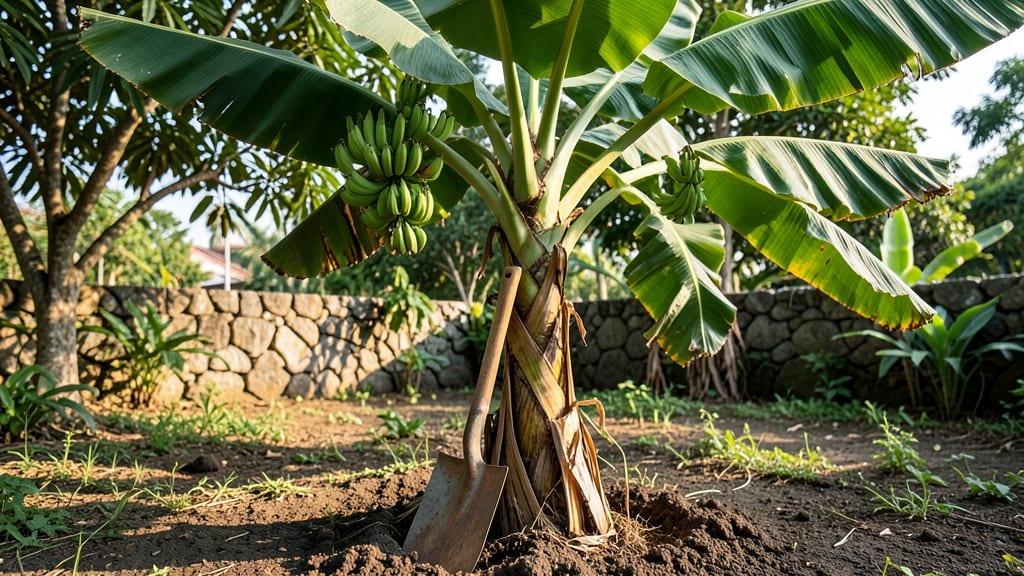
Removing a banana tree feels like wrestling a stubborn giant—until you know the right moves. 🌿 I’ve dug out three of these tropical powerhouses, and the key is patience, the right tools, and timing the job when the roots are least aggressive.
A single misstep can leave you with a broken trunk or a yard full of roots, but with the proper prep, even a 12-foot specimen comes out cleanly.
First, gather your gear: a sharp shovel or mattock for cutting roots, heavy-duty gloves, and a wheelbarrow for debris. Prune the fronds down to 3 feet tall a week before removal to reduce weight, then water the soil deeply to loosen the roots.
Timing matters—spring or early fall gives roots less chance to regrow before you’re done. The real challenge? Those thick, fibrous roots can stretch 10+ feet from the trunk, so plan for a wide digging circle.
Once you’re ready, slice through the roots in a spiral pattern, working outward from the trunk. For stubborn sections, a mechanical root saw saves your back. Pull the trunk straight up as you go, using a come-along if it’s too heavy.
You’ll end up with a hole big enough to replant something new—or fill with compost to restore the soil. The aftermath? A surprisingly clean slate, provided you’ve cut every last root.
Pro tip: Soak the stump in vinegar or saltwater for 24 hours to kill any lingering root fragments. If you’re replanting, wait until the hole drains well—banana trees hate soggy feet.
And if you’re tempted to compost the debris, think again: banana tree parts can sprout, so bag them for the landfill. Safety first, and you’ll avoid the headache of regrowth.
📚 In This Guide
- What you need
- Instructions
- Tips and common mistakes
- Wrapping up and next steps
What you need
- ● Heavy-duty pruning shears or loppers – For cutting smaller branches (18-24" cutting capacity).
- ● Pruning saw or handsaw – For thicker trunks or stubborn branches (8-12" blade length).
- ● Work gloves – Thick, cut-resistant gloves (like mechanics’ gloves) to protect your hands from sharp edges and sap.
- ● Safety goggles – To shield your eyes from debris, sap, or flying sawdust.
- ● Ladder or step stool – A sturdy extension ladder (16-20 ft) if the tree is tall, or a stable step stool for smaller trees.
- ● Shovel or digging fork – For loosening roots (a garden fork or matlock works best).
- ● Wheelbarrow or tarp – To haul away debris, branches, or compost the chopped material.
- ● Rope or tarp – To secure branches during cutting or transport.
- ● Rake or broom – For cleaning up fallen leaves and small debris.
- ● Pruning sealant – To coat freshly cut trunk ends and prevent disease (if keeping the stump).
- ● Stump grinder or axe – If you plan to remove the stump entirely (rent or borrow one).
- ● Long-sleeve shirt and pants – Banana sap can irritate skin, so cover up!
- ● Disinfectant spray – To clean tools after use and prevent spreading pests.
- ● Compost bin or bag – If you want to repurpose the chopped banana pseudostems as mulch.
Step-by-step guide for safely removing a banana tree
Here’s how to tackle this job without damaging your property or yourself.
🪴 Step 1: Gather the Right Tools and Safety Gear
Banana trees are heavy and sharp—protect yourself first. Grab a sturdy pair of pruning shears or a hand saw for cutting thick pseudostems. You’ll also need work gloves (thick leather or heavy-duty gardening gloves), safety goggles, and long sleeves/pants to guard against jagged edges and sap. A wheelbarrow or tarp helps haul debris away cleanly.
I always double-check my tools before starting. A dull saw will tear fibers instead of cutting cleanly, making the job messier. If the pseudostem is over 6 inches thick, rent a stump grinder or borrow a chainsaw—this isn’t a job for hand tools alone.
✂️ Step 2: Cut the Pseudostem at the Base
Start by removing the fruit bunches if any remain—these add unnecessary weight. Then, locate the pseudostem’s base, where it meets the soil. Use your saw to make a horizontal cut about 1-2 inches above ground level. Saw slowly in a controlled motion to avoid splintering the fibers, which can cause injury.
Here’s the thing—banana trees don’t have a true woody stem. The pseudostem is actually a tightly packed mass of leaf sheaths. Cutting too high leaves a stump that regrows, while cutting too low risks damaging underground roots. A 1-2 inch stump is ideal—it’s manageable and reduces regrowth chances.
💧 Step 3: Dig Out the Root Ball Carefully
Now for the heavy part. Use a shovel or mattock to dig around the pseudostem in a wide circle, about 12-18 inches from the base. Banana trees have fibrous roots that spread outward, so don’t assume a small hole will work. Work the soil loose before prying the root ball free with a leverage tool like a garden fork or crowbar.
If the tree is large, you may need help. The root ball can weigh hundreds of pounds, and forcing it out risks breaking roots or leaving fragments behind. Once loose, drag the root ball to your wheelbarrow or tarp. Don’t compost banana tree debris—it often contains weevils or diseases that spread to other plants.
🌱 Step 4: Clean Up and Prevent Regrowth
After removal, fill the hole with soil or landscape fabric to discourage regrowth from any remaining root fragments. I like to add a thin layer of gravel on top of the fabric to keep it in place. If you left a stump, apply a stump remover or vinegar-based herbicide to kill it completely—banana trees regrow aggressively from even small pieces.
Finally, dispose of the debris properly. Burning is an option if local laws allow, but landfill disposal is safer for most. Avoid piling it near other plants—banana tree parts can sprout or harbor pests for years.
Tips & tricks for safely removing a banana tree
Between us, removing a banana tree isn't just about brute force—it's about strategy. Here's what I've learned after dealing with these stubborn plants myself.
Safety Gear First: I can't stress this enough—banana trees are deceptively dangerous. The sap can irritate skin, and those sharp pseudostem fibers cut like razors. Wear those thick leather gloves and safety goggles from Step 1, even if you're just doing preliminary work. I've seen people skip this and end up with nasty cuts that get infected from the sap. Also, consider a long-sleeved shirt and pants with no rips—the fibers get everywhere.
Tool Prep Matters: That hand saw you grabbed? Sharpen it first. A dull blade will tear the fibers instead of cutting cleanly, making the job 10 times harder. For pseudostems over 6 inches thick, don't hesitate to rent a chainsaw—it's not just about speed, it's about safety. I once tried using pruning shears on a thick stem and spent 20 minutes fighting with it. Lesson learned: match your tool to the job.
Stump Height Strategy: When making that 1-2 inch stump cut in Step 2, here's my pro trick: use a measuring tape to mark exactly 1.5 inches above ground level. This gives you that perfect balance between manageable stump height and minimizing regrowth. Too high, and you'll have to deal with a stubborn stump later. Too low, and you risk damaging the root system that you're about to remove anyway.
Root Ball Extraction: For Step 3, here's what nobody tells you—banana tree roots spread wider than you think. That 12-18 inch circle you're digging? Make it 24 inches if you can. I've seen roots extend 3 feet from the base in mature trees. Also, work the soil loose before trying to pry—think of it like loosening a stubborn cork from a bottle. A garden fork inserted at a slight angle helps break up compacted soil without damaging roots.
Pro Tips for Remove A Banana Tree
- Between us, removing a banana tree isn't just about brute force—it's about strategy.
- Safety Gear First: I can't stress this enough—banana trees are deceptively dangerous.
- Tool Prep Matters: That hand saw you grabbed?
Frequently asked questions
Got questions about removing a banana tree?
You’re not alone—this task can feel tricky, especially if you’re dealing with a mature plant or limited space. Below, we’ve rounded up the most common questions (and answers!) to help you tackle the job with confidence.
When is the best time to remove a banana tree?
The ideal time to remove a banana tree is late winter or early spring, before new growth begins. This minimizes stress on surrounding plants and gives you a head start on cleanup. If your tree is dead, diseased, or causing structural damage, don’t wait—remove it immediately to prevent pests or soil depletion.
What if the banana tree is still producing fruit? Can I remove it?
If your tree is fruiting, it’s technically still alive—but that doesn’t mean you should delay removal. Harvest any ripe fruit first to avoid waste, then proceed with extraction. If the tree is diseased or overcrowded, prioritize removal over fruit yield. Pro tip: Wear gloves when handling fruit to avoid stains!
Do I need to cut the tree at the base, or can I dig it up whole?
For small or young banana trees, digging the entire root ball is easiest—just loosen the soil first with a shovel or mattock. For mature trees with thick pseudostems, cut the trunk at ground level with a chainsaw or pruning saw, then dig out the remaining roots. Never leave stumps—they’ll regrow!
What should I do with the roots and debris after removal?
Break down large pseudostems into smaller pieces for composting or mulch. Burn or dispose of diseased plant material (check local regulations first!). Healthy roots can be chopped and added to compost piles—just avoid spreading banana tree debris in areas where you plan to replant, as it may harbor pests.
I don’t have a chainsaw—how can I cut a thick banana trunk safely?
No chainsaw? No problem! Use a pruning saw with a fine-tooth blade for smaller trunks (under 6 inches). For thicker stems, score the trunk in a circular pattern with a sharp knife or hatchet, then saw along the cuts. Work slowly to avoid splintering. Safety first: Wear gloves and goggles!
What if the tree keeps regrowing after I remove it?
Banana trees are stubborn! If you left any root fragments or the corm (base) intact, new shoots will sprout. To prevent regrowth, dig at least 12 inches deep around the original base and remove all visible roots. For stubborn stumps, apply a vinegar or herbicide treatment to kill remaining tissue.
Wrapping up and next steps
Removing a banana tree doesn’t have to be a daunting task—with the right tools, patience, and safety precautions, you can tackle it like a pro! 🌱 Whether you’re clearing space, managing overgrowth, or preparing for replanting, following these steps ensures a smooth process while protecting yourself and your property.
Now that you’re equipped with the knowledge and confidence, why not put it into action?
Ready to take the next step? Mark your calendar for a calm, sunny day, gather your supplies, and start fresh with a well-maintained garden space. Your efforts will pay off with a cleaner yard and a sense of accomplishment—you’ve got this! 💪