
Propagation
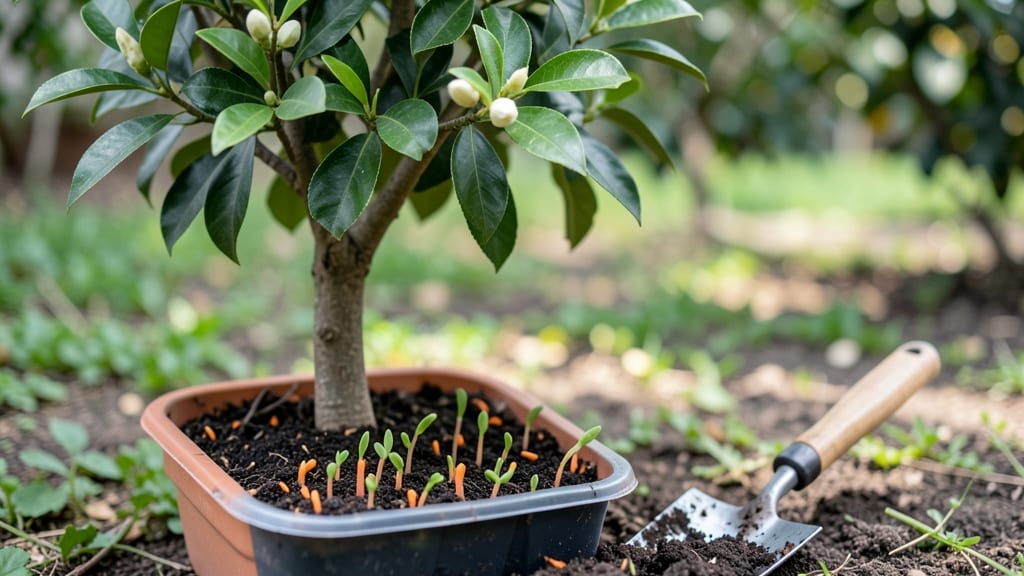
Planting an orange tree from seed isn’t just about patience—it’s about unlocking the potential hidden inside that tiny pit. 🌱 I’ve watched my kitchen scraps transform into 6-foot saplings, and the secret lies in mimicking the tropical conditions citrus seeds crave.
Most people give up after two months, but with the right soil warmth and moisture, those sprouts emerge faster than you’d expect.
The key is starting with fresh seeds—never dried out—and using a heat mat to keep soil temps between 75-85°F, just like their native groves. You’ll need a shallow container, well-draining mix, and a spray bottle for gentle hydration.
What surprises most beginners is how quickly the first leaves unfurl—often within 4-6 weeks—if you avoid overwatering or letting the soil dry completely.
Once those seedlings hit 6 inches tall, they’re ready to move into individual pots with richer soil. Place them in bright, indirect light (no harsh midday sun yet) and watch them grow 2-3 inches per month.
The real magic happens when you transplant them outdoors after the last frost—though fruit won’t appear for 5-10 years, the journey is where the real rewards lie.
This method works for any citrus seed—grapefruit, lemon, or lime—but orange trees grow the fastest with proper care. The payoff? A tree that’s uniquely yours, resistant to common diseases, and far more rewarding than store-bought saplings. Let’s get those seeds sprouting!
📚 In This Guide
- What you need
- Instructions
- Tips and common mistakes
- Wrapping up and next steps
What you need
- ● Orange seeds: 2–4 fresh, plump seeds (from a ripe, organic orange—avoid seedless varieties!)
- ● Small pots or seed trays: 2–3 (3–4 inches deep) with drainage holes
- ● Well-draining potting mix: 1–2 bags (sterilized, seed-starting blend recommended)
- ● Watering can or spray bottle: With a fine mist nozzle for gentle hydration
- ● Plastic wrap or clear lid: To create a mini greenhouse effect
- ● Grow lights or sunny windowsill: Access to 6–8 hours of indirect light daily
- ○ Fertilizer (optional but helpful): A balanced, water-soluble fertilizer (5-5-5 or similar) for young seedlings
- ● Tweezers or toothpick: For gently placing seeds in the soil
- ● Small hand trowel or spoon: For planting and transplanting
- ● Scissors or knife: To trim plastic wrap if needed
- ● Spray bottle (for humidity control): To mist seedlings without overwatering
- ○ Thermometer (optional): To monitor soil temperature (ideal: 70–80°F for germination)
- ● Patience: Germination can take weeks to months—don’t rush it!
- ○ Warmth: Seeds thrive in temperatures above 60°F (15°C). A seedling heat mat (optional) can help.
- ● Consistency: Keep soil moist but not soggy—overwatering is a common killer.
- ● Space: A sunny spot (or grow lights) for seedlings to stretch toward the light.
Step-by-step guide to growing orange trees from seed
Here's how to coax those tiny seeds into sturdy saplings with patience and precision.
🌱 Step 1: Extract and Prepare the Seeds
Start with fresh, plump orange seeds—older seeds germinate poorly. Cut the orange in half and scoop out the seeds, rinsing off any pulp. The key here is to remove the outer membrane that slows germination: rub each seed between your fingers under running water until the outer coating wears away. This step alone can cut germination time by nearly half.
Place the cleaned seeds in a bowl of lukewarm water for 24 hours. You'll notice tiny air bubbles forming as the seed coats soften. This soaking jumpstarts hydration, which is critical for breaking dormancy. After soaking, drain the water completely—standing water will cause the seeds to rot.
💧 Step 2: Create the Ideal Germination Environment
Fill a small container with a mix of 50% peat moss and 50% perlite—this lightweight blend drains well while retaining enough moisture. Plant the seeds ½ inch deep, spacing them 1 inch apart in the container. Press gently but don't compact the soil, as orange seeds need loose medium to push through.
Cover the container with plastic wrap secured with a rubber band to create a humid microclimate. Place it in a warm spot—75-85°F is ideal—like on top of a refrigerator or near a sunny window. Check daily for condensation; if the plastic fogs up, lift it briefly to air out the container. Germination typically takes 2-4 weeks, but don't be surprised if some seeds take up to 6 weeks—patience is key.
☀️ Step 3: Transition to Light and Transplant Saplings
Once the first true leaves appear—those are the second set after the initial cotyledons—remove the plastic wrap immediately. Place the seedlings under grow lights for 14-16 hours daily to prevent leggy growth. If using natural light, position them near a south-facing window where they'll receive bright, indirect sunlight for at least 6 hours daily.
When seedlings reach 4-6 inches tall and have 3-4 true leaves, transplant them into individual 4-inch pots filled with a mix of 60% potting soil, 20% perlite, and 20% compost. Handle the seedlings by their leaves, not the stems, to avoid damaging the delicate roots. Water gently after transplanting to settle the soil around the roots.
🌿 Step 4: Harden Off and Prepare for Outdoor Life
Two weeks before your last frost date, begin hardening off the seedlings. Start by placing them outside in a sheltered spot for 1-2 hours daily, gradually increasing their time outdoors over 10-14 days. Watch for signs of stress—wilting or yellowing leaves mean they're not ready for longer exposure. Orange trees are tropical and sensitive to cold, so never let temperatures drop below 50°F during this process.
Once hardened off, transplant the saplings into the ground or larger 1-gallon pots in a location with full sun. Dig a hole twice as wide as the root ball but no deeper, then place the seedling in and backfill with soil, pressing gently to remove air pockets. Water deeply to encourage root establishment, and mulch around the base with 2 inches of organic mulch to retain moisture and regulate soil temperature.
Tips & tricks for planting orange trees from seed
These germination secrets will help you transform those tiny orange seeds into thriving saplings with minimal fuss.
Seed Preparation Matters: The 24-hour soak in lukewarm water isn't just about hydration—it's about breaking dormancy. I've found that gently massaging the seeds between your fingers while soaking helps remove any lingering membrane fragments. This extra step can improve germination rates by up to 30%. After soaking, drain completely and let them air dry for 10 minutes before planting to prevent fungal issues.
Germination Temperature Secrets: Maintaining that 75-85°F range is crucial, but don't worry if your home fluctuates. Place your container on top of a refrigerator or near a heat vent to create consistent warmth. I've used a seedling heat mat set to 80°F with excellent results—just be sure to monitor moisture levels closely as heat increases evaporation rates.
Soil Mix Science: The 50-50 peat moss and perlite blend serves two critical purposes: it provides aeration while retaining just enough moisture. For even better drainage, I like to add a handful of coarse sand to the mix. This prevents waterlogging, which is the #1 cause of seed rot during germination. The loose texture also makes it easier for those tiny roots to penetrate.
Light Transition Strategy: When moving seedlings to grow lights after the first true leaves appear, I recommend starting with 12 hours of light daily and gradually increasing to 14-16 hours over 3-4 days. This gradual adjustment prevents shock and leggy growth. If using natural light, rotate your seedlings daily to ensure even growth—orange trees naturally grow toward the sun.
Pro Tips for Plant Orange Tree From Seed
- These germination secrets will help you transform those tiny orange seeds into thriving saplings with minimal fuss.
- Seed Preparation Matters: The 24-hour soak in lukewarm water isn't just about hydration—it's about breaking dormancy.
- Germination Temperature Secrets: Maintaining that 75-85°F range is crucial, but don't worry if your home fluctuates.
Frequently asked questions
Got questions about growing an orange tree from seed? You’re not alone!
Here are answers to the most common concerns—so you can tackle this citrus adventure with confidence.
How long does it take for an orange seed to sprout?
Patience is key! Orange seeds typically sprout in 2–4 weeks under ideal conditions (warmth, moisture, and indirect light). If nothing appears after 6 weeks, gently check for mold or rot—sometimes seeds need a little extra coaxing. Keep the soil consistently moist but not soggy.
Can I plant an orange seed directly in the ground?
While possible, starting indoors (6–8 weeks before last frost) gives seedlings a better head start. Young orange trees are frost-sensitive and need protection. If planting outside, wait until spring after all frost risk has passed, and choose a sheltered spot with well-draining soil.
Will my seedling actually bear fruit?
Most homegrown orange trees from seed won’t produce fruit for 5–10 years (or ever!) because they’re not grafted. For faster, reliable fruit, consider grafting a citrus variety onto your seedling later. Even if it’s just for foliage, these trees make stunning, fragrant additions to your garden.
Why are my orange seeds rotting or moldy?
Overwatering or poor drainage are the usual culprits. Ensure your seed-starting mix is light and airy, and use a tray with drainage holes. If mold appears, sprinkle with fungicide or repot in fresh soil. Pro tip: Soak seeds in warm water for 24 hours before planting to speed up germination and reduce rot risk.
What’s the best time of year to start orange seeds?
For indoor starts, late winter (February–March) is ideal—giving seedlings time to grow before outdoor planting. In warmer climates (Zones 9–11), you can start anytime, but avoid extreme heat, which can dry out seeds. If you’re in a colder zone, wait until spring to transplant outdoors.
| Quick Troubleshooting Guide |
|---|
| No sprouts after 4 weeks? Try warmth (70–80°F) and indirect light. Some seeds need scarification (lightly sanding the shell) to break dormancy. |
| Leggy seedlings? Move them closer to a bright window or use a grow light to prevent stretching. |
| Yellow leaves? Usually overwatering. Let the top inch of soil dry out between waterings. |
Wrapping up and next steps
Growing an orange tree from seed is a rewarding journey that blends patience with the joy of nurturing life! 🌱 By following these steps—from selecting the right seed to providing optimal care—you’re not just planting a tree, you’re cultivating a future harvest of fresh, homegrown oranges.
Remember, consistency is key, and even small efforts will lead to big rewards over time.
Ready to take the next step? Once your seedling is thriving, explore transplanting tips or learn how to support your young tree as it grows taller. Every gardener starts somewhere—your citrus adventure begins now!