
Planting
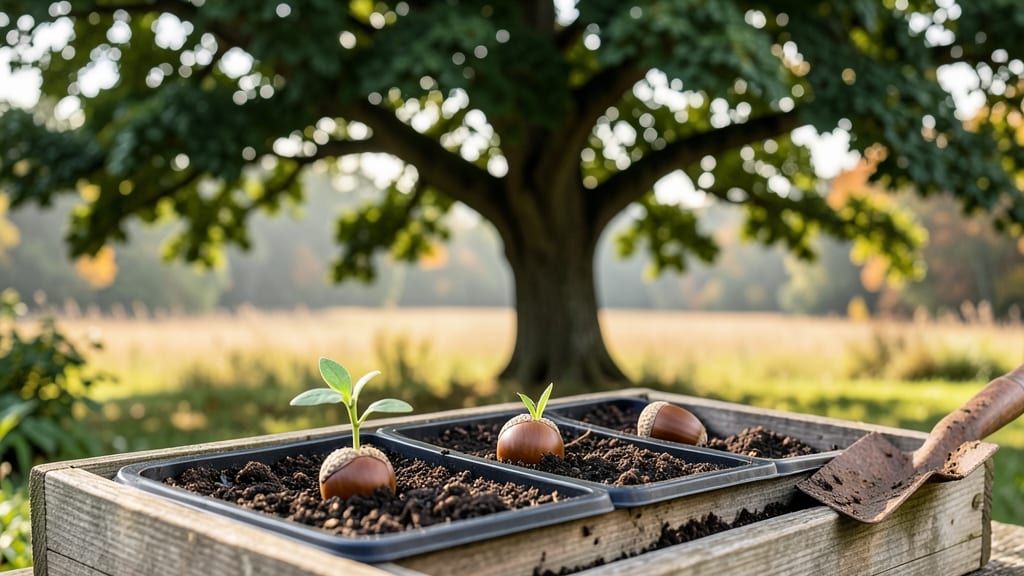
Planting acorns for trees is how I turned a bare corner of my yard into a thriving woodland—no nursery required. 🌳 The secret isn’t fancy tools or rare acorns, but understanding exactly when, where, and how deep to plant them for the best chance of survival.
My first oak sapling popped up after just two years of patience, proving that even beginner gardeners can grow trees from scratch.
You’ll need fresh acorns (not dried or cracked), a trowel, and a spot with well-draining soil that gets at least 6 hours of sun daily. The best time to plant is fall, right after harvest—this mimics nature’s timing and gives roots a head start before winter.
For spring planting, soak acorns in water for 24 hours first to jumpstart germination. Most people overlook soil prep, but loose, slightly acidic dirt (pH 5.0-7.0) is key for strong root development.
Dig a hole 3-4 times deeper than the acorn’s length and place it pointy end down, covering it with soil. Water gently but thoroughly—no soggy soil, just consistently moist.
The real magic happens underground: roots can take 1-2 years to break dormancy, but once they do, you’ll see 2-3 inch shoots by late spring. Patience pays off with trees that outlast store-bought saplings by decades.
Troubleshooting is simple: if acorns rot, you planted too deep or in compacted soil. For pests, a light mulch layer keeps critters away. In Zone 5-8, oaks grow fastest with 1-2 inches of water weekly during dry spells.
By year 5, your little sapling could be 6 feet tall—proof that the best trees start from a single acorn in the right hands.
📚 In This Guide
- What you need
- Instructions
- Tips and common mistakes
- Wrapping up and next steps
What you need
- ● Fresh acorns: 5–10 healthy, plump acorns (preferably from Quercus species like white oak or red oak). Avoid cracked or wormy ones!
- ○ Small pots or containers: 3–5 biodegradable pots (3–4 inches deep) or plastic cups with drainage holes. Optional: Seed-starting trays for bulk planting.
- ● Potting mix: 1–2 bags of well-draining, sandy loam or a 50/50 mix of peat moss and perlite (avoid heavy garden soil).
- ● Watering can or spray bottle: With a fine mist nozzle for gentle hydration.
- ● Scissors or pruning shears: For trimming acorn caps (if needed).
- ● Plastic wrap or humidity dome: To create a mini greenhouse effect (e.g., a clear plastic bag or store-bought propagation lid).
- ● Label markers & tags: To track planting dates and acorn sources.
- ○ Gloves (optional but helpful): Oak tannins can stain hands!
- ● Fungicide: A light dose (like mycorrhizal inoculant) to prevent mold during germination.
- ● Heat mat: For indoor stratification (if cold-stratifying indoors).
- ● Outdoor planting site: Marked with stakes or flags for future transplanting (if planning direct sowing).
- ● Notebook: To log growth milestones—because watching an acorn become an oak is magic!
Step-by-step instructions for planting acorns into forest-worthy trees
Here's how I transform humble acorns into sturdy saplings—tested over years of backyard forestry.
🌱 Step 1: Select and Prepare Fresh Acorns
Pick acorns from healthy, mature trees in late fall or early winter. Look for plump, firm acorns with intact caps—these hold the best germination potential. I avoid cracked or wormy specimens, as they won't sprout. Store them in a cool, dry place until planting season begins in early spring.
Before planting, soak acorns in water for 24-48 hours to soften the hard shell. This mimics natural winter moisture and kickstarts germination. Place them in a mesh bag or jar with enough water to cover them, then let them sit at room temperature. You'll see tiny roots emerge within 5-7 days—that's your cue they're ready for soil.
🪴 Step 2: Choose Containers and Planting Medium
Use 4-inch deep pots with drainage holes or plant directly in the ground if your climate allows. I prefer biodegradable pots made from peat or coconut fiber—they dissolve when transplanted, so roots aren't disturbed. Fill containers with a mix of 50% potting soil and 50% perlite or coarse sand to improve drainage.
Moisten the mix until it's damp but not soggy—think of a wrung-out sponge. Press it gently to settle, leaving about ½ inch of space below the rim. This prevents overflow when you water. For ground planting, choose a spot with partial shade and well-draining soil, mimicking the acorn's natural forest floor.
💧 Step 3: Plant Acorns at the Right Depth and Moisture
Place each acorn 1 inch deep in the soil, cap-side down. If planting multiple acorns, space them 6 inches apart to avoid overcrowding. Gently firm the soil around them—just enough to hold them in place, but don’t compact it. Overly dense soil can suffocate emerging roots.
Water lightly until the soil surface feels evenly moist. Use a spray bottle for containers to avoid displacing the acorns. After planting, place pots in a shady, sheltered spot (like under a tree or on a covered porch) where temperatures stay between 60-70°F. Ground-planted acorns need consistent moisture—mulch lightly with 1 inch of straw to retain humidity and deter weeds.
☀️ Step 4: Monitor Germination and Early Growth
Germination can take 4-8 weeks, depending on acorn species and conditions. You'll know it's happening when you see a tiny white root push through the soil. Keep the soil consistently moist but never waterlogged—soggy conditions cause rot. I check moisture daily by sticking my finger ½ inch deep; if it feels dry, it's time to water.
Once sprouts appear, move containers to bright, indirect light (like an east-facing window) to prevent leggy growth. If planting outdoors, gradually introduce seedlings to morning sun over 2 weeks to harden them off. Avoid direct afternoon sun until they're 4-6 inches tall—young leaves burn easily in intense light.
⏰ Step 5: Transplant and Nurture Young Saplings
After 3-4 months, when seedlings have 4-6 true leaves, it's time to transplant. Dig a hole twice as wide as the root ball but no deeper. Gently loosen roots if they're circling in the pot, then place the seedling in the hole and backfill with soil. Water deeply to settle everything—this helps eliminate air pockets around the roots.
Mulch with 2 inches of wood chips to retain moisture and suppress weeds. Space saplings 10-12 feet apart if planting multiple trees to allow room for their mature canopies. Water once a week during dry spells, aiming for 1 gallon per tree. Young trees need consistent moisture, but avoid overwatering—saturated soil suffocates roots.
Tips & tricks for perfect acorn planting
Transforming acorns into thriving trees takes patience and precision—here's how to maximize your success with these game-changing insights.
Germination Timing: The 24-48 hour soak is non-negotiable for breaking dormancy, but don't rush it! I've found that acorns soaked at 65-70°F (not the room temperature 70°F mentioned for planting) germinate most consistently. Place your jar in a warm spot like near a sunny window—you'll notice roots appearing within 5-7 days when conditions are perfect. This warm soak mimics spring conditions that trigger germination in nature.
Container Selection: While 4-inch deep pots work well, I've had exceptional success with 6-inch deep nursery pots for oak acorns—they give roots more room to establish before transplanting. The key is drainage: if your containers lack holes, drill them yourself or use a layer of coarse sand at the bottom. For ground planting, test your soil's drainage by digging a hole, filling it with water, and timing how long it takes to drain—if it's still wet after 6 hours, amend with sand or perlite.
Moisture Management: The instructions mention keeping soil damp, but here's the secret: use a moisture meter or your finger test daily. The top ½ inch should feel like a wrung-out sponge—not bone dry, not soggy. I've lost saplings to both overwatering (which causes rot) and underwatering (which stunts growth). For containers, I weigh them daily—when they feel noticeably lighter, it's time to water. This method prevents the guesswork that leads to failed germination.
Light Transition: When moving seedlings from shade to light, do it gradually over 2 weeks rather than all at once. Start with just 1 hour of morning sun daily, then increase by 30 minutes every 3 days. I've seen seedlings go from vibrant green to crispy brown overnight when exposed too quickly. The goal is to build their tolerance—think of it like sunbathing after winter hibernation. Once they reach 4-6 inches tall, they can handle more direct sun.
Pro Tips for Plant Acorns For Trees
- Transforming acorns into thriving trees takes patience and precision—here's how to maximize your success with these game-changing insights.
- Germination Timing: The 24-48 hour soak is non-negotiable for breaking dormancy, but don't rush it!
- Container Selection: While 4-inch deep pots work well, I've had exceptional success with 6-inch deep nursery pots for oak acorns—they give roots more room to establish before transplanting.
Frequently asked questions
Got questions about acorn planting? You’re not alone—growing trees from acorns can feel tricky at first! Here are some of the most common questions (and answers) to help you avoid pitfalls and boost your success rate.
How long does it take for an acorn to sprout?
Most acorns sprout within 4–12 weeks if planted correctly (with the right moisture, temperature, and soil). Oak species like red oaks may take slightly longer—up to 3 months—while white oaks often sprout faster. Patience is key! If nothing happens after 3 months, the acorn may not be viable.
When is the best time to plant acorns?
The ideal window is late summer to early fall (August–October), mimicking nature’s timing. Planting in fall lets acorns experience winter’s cold, which breaks dormancy. If you must plant in spring, pre-chill acorns in a damp paper towel in the fridge for 6–8 weeks first.
Do I need to remove the acorn cap before planting?
Nope! The cap (or "cup") stays on—it’s part of the acorn’s natural design. However, soak the cap in water for 24 hours before planting to soften it slightly. This helps moisture reach the nut faster. Just avoid peeling it off entirely; it protects the acorn from drying out.
Will squirrels steal my acorns before they grow?
Squirrels love fresh acorns. To outsmart them:
- Plant acorns in wire mesh cages (like chicken wire) buried 6–12 inches deep.
- Use decoy acorns (fake ones or old, dried acorns) to distract them.
- Choose less attractive locations (away from trees or feeders).
What if my acorn sprouts but dies soon after?
Don’t panic—this happens often! Common causes include:
- Overwatering: Acorns rot in soggy soil. Keep soil moist but not waterlogged.
- Poor drainage: Plant in well-draining soil or raised beds.
- Pests/fungi: Remove moldy acorns immediately and use neem oil if needed.
- Transplant shock: Wait until the seedling has 2–3 leaves before moving it.
Bonus Tip: Can I plant acorns from grocery stores?
Nope! Store-bought acorns are often treated to prevent sprouting or may be from non-native species. Always source acorns from local, mature oak trees (preferably white or red oaks) for the best success. Check with local forestry groups or parks for free acorn collections!
Wrapping up and next steps
Planting acorns is a rewarding way to nurture future trees and contribute to your local ecosystem! 🌱 With the right preparation—from selecting healthy acorns to providing proper care—you’ll set the stage for strong, thriving saplings.
Start small, stay patient, and soon you’ll witness the magic of nature unfolding right in your backyard.
Ready to take the next step? Mark your calendar for planting season (fall is ideal!) and gather your supplies. Then, roll up your sleeves and give these little seeds the love they deserve—your future forest awaits! 🌳✨