
Planting
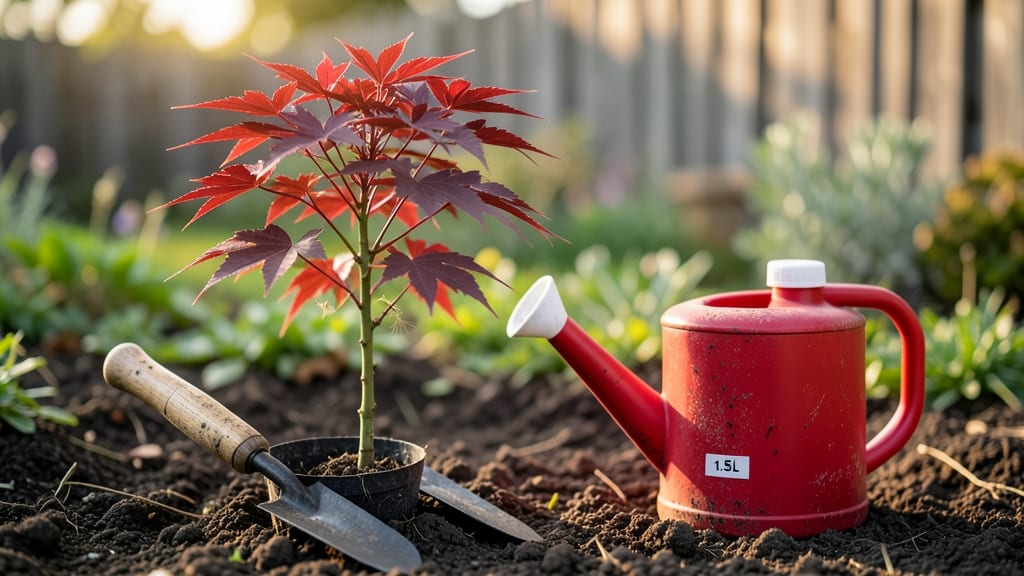
Planting a tree seedling transforms your yard into a living legacy—one that starts with just 30 minutes of careful work.
I’ve buried more than a dozen seedlings in my lifetime, and the difference between a thriving tree and a sad, stunted one comes down to the first few inches of soil.
The roots need space to breathe, the soil must drain without drowning, and the location has to match the tree’s future size. Skip any of these, and you’re setting up a slow, painful death for something that should last centuries.
Start by digging a hole twice as wide as the seedling’s root ball but only as deep as its container—deeper holes trap water at the roots, and shallow ones let them dry out.
Amend the native soil with compost if it’s heavy clay or pure sand, and loosen the sides of the hole so roots can spread easily.
A sturdy stake and soft tie keep young trees from toppling in wind, while a 3-inch layer of mulch (not touching the trunk) locks in moisture and blocks weeds. Most mistakes happen here: planting too deep, compacting the soil, or ignoring the tree’s natural shape.
After planting, water deeply until the soil 12 inches down stays moist—this encourages roots to grow outward instead of circling the hole. Check the soil weekly (stick your finger in) and water when the top inch feels dry.
Within a year, a properly planted tree will outgrow its early struggles, its leaves turning that rich, velvety green that means it’s finally settled in. The best part? You’ll be the one who made it happen, not just another homeowner with a sad sapling in the yard.
This method works for maples, oaks, pines, and everything in between—just adjust the hole size and mulch type for your climate. Whether you’re restoring a forest or just adding shade to your driveway, these steps turn a fragile seedling into a future giant. Ready to dig in?
📚 In This Guide
- What you need
- Instructions
- Tips and common mistakes
- Wrapping up and next steps
What you need
- ● Tree seedling: Choose a healthy, well-rooted specimen (check for firm roots and vibrant leaves).
- ● Shovel or trowel: A round-point shovel (for digging holes) or a hand trowel (for smaller seedlings).
- ● Watering can or hose: With a gentle spray nozzle (avoid high pressure).
- ● Mulch: Organic options like wood chips, straw, or shredded leaves (2–4 inches thick).
- ● Compost or fertilizer: A balanced, slow-release fertilizer (e.g., 10-10-10) or organic compost.
- ● Gloves: Heavy-duty gardening gloves to protect your hands.
- ○ Stakes (optional but recommended for young trees): 2–3 bamboo or metal stakes (4–6 feet tall) + soft tree ties.
- ● Soil tester kit: To check pH and nutrient levels (ideal range: 6.0–7.0 for most trees).
- ● Root stimulator: A liquid or powder (e.g., mycorrhizal fungi) to boost root growth.
- ● Weed barrier fabric: To suppress weeds around the base (lay under mulch).
- ● Pruning shears: For trimming damaged branches post-planting.
- ● Rain gauge or moisture meter: To monitor soil hydration (especially in dry climates).
Step-by-step instructions for planting a tree seedling
Here's how I ensure strong roots and rapid growth from the first day.
Choose the Right Time and Location
Plant your tree seedling in late fall or early spring when temperatures are mild—this gives roots time to establish before extreme heat or cold. Avoid planting during drought or frost warnings. The location matters most: pick a spot with full sun (at least 6 hours daily) unless your seedling is shade-tolerant, like a maple or dogwood.
Check soil drainage by digging a hole about 12 inches deep—if water pools after 24 hours, amend the soil with 2-3 inches of compost or plant on a slight mound. Compacted soil strangles roots, and you don’t want to discover that too late. Test the pH if your seedling is picky (like azaleas, which need acidic soil).
Dig the Hole and Prepare the Root System
Dig a hole twice as wide as the seedling’s root ball but no deeper—burying too deep suffocates roots by cutting off oxygen. Loosen the sides of the hole with a shovel to encourage root spread. If your seedling has circumferential roots (roots growing in a circle), make 2-3 vertical cuts with a sharp knife to help them grow outward.
Gently remove the seedling from its container and tease apart any root-bound roots (roots circling the root ball). Soak the root ball in water for 10-15 minutes before planting to hydrate dry roots. Never let the roots dry out during this step—it’s a common mistake that weakens seedlings.
Position and Backfill the Hole
Place the seedling in the hole so the top of the root ball sits level with the surrounding soil—burying too deep can girdle the trunk and kill the tree. Use a level to check if the ground slopes; adjust the hole depth accordingly. Fill one-third of the hole with native soil, then water deeply to settle it and eliminate air pockets.
Add the remaining soil, tamping lightly with your hands as you go. Avoid compacting too hard—you want roots to push through easily. Create a watering basin by mounding soil slightly higher at the edges to hold water near the roots. Mulch with 2-3 inches of organic mulch (like wood chips) within 6 inches of the trunk, leaving a gap to prevent rot.
Water and Stake for Support
Water the seedling deeply right after planting—about 1-2 gallons depending on size—until water drains from the bottom of the hole. This removes air gaps and helps roots make contact with moist soil. For young seedlings, install 1-2 stakes (if needed) to prevent wind rock, but don’t tie too tightly—roots need to move slightly to strengthen.
Check the soil moisture every 2-3 days for the first month. Seedlings need consistent moisture but hate soggy roots. If the top 2 inches of soil feel dry, water again. Avoid overhead watering after planting—direct water to the root zone to prevent fungal diseases like root rot.
Monitor and Maintain Through the First Year
Inspect the seedling weekly for signs of stress: yellowing leaves (often from overwatering), wilting (underwatering), or pests like aphids. Prune only to remove dead or crossing branches—never prune more than 25% of the foliage in the first year. This ensures the tree focuses on root growth, not recovery.
Fertilize lightly in spring with a balanced, slow-release fertilizer (like 10-10-10) only if the soil is poor. Over-fertilizing burns young roots. By the end of the first year, your seedling should have doubled its height and developed a sturdy root system—proof you’ve given it the best start possible.
Tips & tricks for planting a thriving tree seedling
Here's what I've learned from years of planting seedlings that actually thrive—and what I wish I'd known earlier.
Timing is Everything: While late fall or early spring is ideal, don't stress if you're planting outside this window. If you must plant in summer, do it on an overcast day or in the late afternoon to reduce stress from heat and wind. I've had great success planting in early spring even when temperatures were still chilly—just make sure to water thoroughly afterward. The key is avoiding extreme conditions, not following a strict calendar.
Root Care Makes All the Difference: When you're teasing apart root-bound roots, be gentle but thorough. I learned this the hard way after planting a seedling with roots still circling the container—it struggled for months. Use your fingers or a fork to gently separate roots, then spread them outward in the hole. The 10-15 minute soak before planting is non-negotiable for dry root balls, but don't overdo it—roots need oxygen too. A quick dip in water is all you need.
Level Matters More Than You Think: That level check in Step 3 isn't just about aesthetics—it's about preventing girdling. I've seen too many seedlings planted too deep where the trunk starts to choke itself. Use a small board or even a straight stick laid across the hole to check the level before backfilling. If your ground slopes, adjust the hole depth on the lower side to keep the root ball level. A slight tilt won't hurt, but dramatic slopes can cause drainage issues.
Watering Wisdom for Long-Term Success: The deep watering after planting (1-2 gallons) should penetrate at least 12 inches into the soil. To test, dig a small hole near the seedling—if the soil at 12 inches is moist, you've done it right. For the first month, watering every 2-3 days is a good guideline, but check the top 2 inches of soil first. If it's dry, water; if it's still damp, wait. Overwatering is just as damaging as underwatering—you want consistently moist, not soggy, soil.
Pro Tips for Plant A Tree Seedling
- Here's what I've learned from years of planting seedlings that actually thrive—and what I wish I'd known earlier.
- Timing is Everything: While late fall or early spring is ideal, don't stress if you're planting outside this window.
- Root Care Makes All the Difference: When you're teasing apart root-bound roots, be gentle but thorough.
Frequently asked questions
Got questions about planting tree seedlings? You’re not alone! Here are answers to the most common concerns—from timing to troubleshooting—to help you plant with confidence.
How deep should I plant a tree seedling?
The root flare (where roots meet the trunk) should sit just above ground level. Burying it too deep can suffocate the roots, while planting too shallow exposes them to drying out. Aim for the top of the root ball to be level with the surrounding soil.
What’s the best time of year to plant a tree seedling?
Plant in early spring or fall when temperatures are mild and rainfall is consistent. Avoid extreme heat (summer) or frost (winter), as seedlings struggle to establish roots in harsh conditions. Cool seasons give them time to settle before stress.
How often should I water a newly planted tree seedling?
Water daily for the first 2 weeks, then taper to 2–3 times weekly (deep soaks, not light sprinkles). The top 6 inches of soil should stay moist but not soggy. Mulch helps retain moisture—just keep it 3–4 inches away from the trunk to prevent rot.
Can I plant a tree seedling in clay soil?
Yes! Amend heavy clay soil with compost or organic matter (like peat moss) to improve drainage. Avoid digging too deep—focus on loosening the top 12 inches. If drainage is poor, consider planting on a slight mound to prevent waterlogging.
What should I do if my seedling’s leaves turn yellow?
Yellow leaves often signal overwatering, underwatering, or nutrient deficiency. Check the soil moisture—it should feel damp but not muddy. If roots are exposed, mulch and water gently. For nutrient issues, use a balanced fertilizer (like 10-10-10) lightly in early spring.
How close can I plant a tree seedling to my house or fence?
Keep seedlings at least 10–15 feet from structures (closer for small trees, farther for large species). Mature root spread and canopy growth matter—check your tree’s expected size! Prune lower branches early to avoid future conflicts with sidewalks or roofs.
Wrapping up and next steps
Planting a tree seedling is a rewarding way to contribute to the environment while creating lasting beauty in your space. By following these steps—choosing the right location, preparing the soil, and providing consistent care—you’ll give your young tree the best chance to thrive. Remember, patience and attention are key! 🌱
Now that you’re ready to plant, why not take it a step further? Monitor your seedling’s progress, keep an eye out for pests, and enjoy watching it grow into a sturdy, healthy tree. Happy planting!