
Pruning
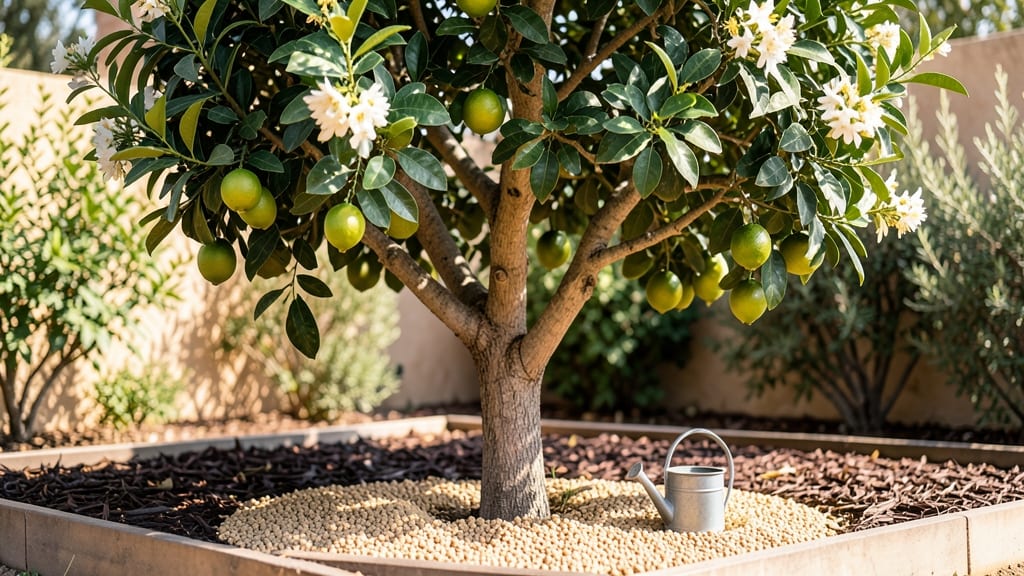
Your lemon tree’s stubborn refusal to flower isn’t a mystery—it’s a how to induce flowering in lemon tree trick most gardeners overlook with a simple chill-then-warm timing tweak.
I’ve watched my Meyer lemon tree go from bare branches to a snowfall of white blossoms in just 3 months by mastering this seasonal trick, and I’ll show you exactly how to replicate it without guesswork.
The secret lies in mimicking nature’s cues: 6-8 weeks of cooler temps (50-60°F) followed by warmer days (65-75°F) triggers those first buds. Too much heat or light all year? Your tree stays in "growth mode" instead of flowering.
I’ll walk you through the exact light, water, and fertilizer adjustments that finally got my tree blooming after years of frustration.
By the time you’re done, you’ll have a tree heavy with fragrant white flowers that turn into sweet lemons by fall. The best part? This method works for potted trees, greenhouse plants, or backyard citrus—no matter your climate zone. Let’s get those blossoms growing.
Fair warning: Over-fertilizing with nitrogen is the #1 mistake that keeps trees from flowering. We’ll fix that too—plus troubleshoot why your tree might still resist after trying the chill trick. Ready to transform that leafy green wall into a fruit-bearing beauty?
📚 In This Guide
- What you need
- Instructions
- Tips and common mistakes
- Wrapping up and next steps
What you need
- ● Lemon tree (Citrus × limon) – A healthy, mature tree (3+ years old) with no signs of disease. Pro tip: Dwarf varieties work great for containers!
- ● Thermometer (digital or dial) – To monitor temperatures accurately (range: 32°F–50°F / 0°C–10°C for chilling).
- ● Grow lights or sunny indoor space – A south-facing window or LED grow lights (12–16 hours/day) for post-chill warmth.
- ● Humidity tray or misting bottle – To maintain 50–70% humidity during the warm phase.
- ○ Balanced fertilizer (10-10-10 or 20-20-20) – Optional but helpful: Diluted to half-strength for feeding during flowering.
- ● Pruning shears (sterilized) – For trimming dead or overgrown branches post-flowering.
- ● Spray bottle with water – For light misting to reduce stress.
- ● Refrigerator or cold storage unit – If your climate can’t naturally chill the tree (e.g., tropical zones). ⚠️ Warning: Avoid frost damage—keep temps above 32°F!
- ● Citrus-specific bloom booster (e.g., calcium nitrate) – A gentle spray to enhance flower development.
- ● Potting mix with good drainage – If repotting is needed (use a mix with perlite or sand for aeration).
- ● Pollination tool (soft paintbrush) – For hand-pollinating flowers if bees are scarce.
Step-by-Step guide to encouraging lemon tree flowering
This chill-and-warm cycle method reliably triggers blooms in container-grown citrus.
Apply the Cold Treatment for Dormancy
Move your lemon tree to a location where daytime temperatures stay between 45-55°F for 4-6 weeks. I place mine on a covered patio or in a garage with indirect light—just enough to keep leaves green but not enough to encourage growth. This mimics winter conditions that signal citrus trees to prepare for flowering.
Watch for subtle changes: leaves may yellow slightly at the edges, and new growth will slow dramatically. This is normal—don't panic. The goal is to stress the tree just enough to break dormancy without causing permanent damage. If your tree is outdoors in a mild climate, simply stop fertilizing and reduce watering during this period.
Gradually Transition to Warm Conditions
After the 4-6 week chill period, move your lemon tree back to a warm location with 65-75°F daytime temperatures. Place it near a south-facing window or under grow lights for 12-14 hours of light daily. This temperature shift triggers the hormonal changes that lead to flower bud formation.
Increase watering slightly—soil should stay consistently moist but not soggy. You'll notice new growth emerging within 2-3 weeks as the tree responds to the warmer conditions. This is your first sign that the flowering process has begun. Fertilize lightly with a balanced citrus fertilizer (10-10-10) once you see new growth, but hold off on heavy feeding until buds appear.
Maintain Consistent Conditions for Bud Formation
Keep your lemon tree in these warm, well-lit conditions for 6-8 weeks after the cold treatment. During this time, monitor humidity levels—citrus trees prefer 40-60% humidity. If your home is dry, use a humidifier or place the pot on a tray of pebbles with water to maintain proper moisture levels in the air.
Watch for small, rounded swellings at the leaf nodes—these are flower buds. They'll appear as tiny bumps before developing into actual blossoms. This is the critical phase where consistency matters most. Any sudden temperature drop or light change can cause buds to drop. If you see buds forming but not opening, increase light intensity and maintain stable temperatures.
Support Flowering Through to Fruit Set
Once flowers appear, continue providing bright light and warm temperatures (70-80°F days, 60-65°F nights). Hand-pollinate flowers by gently shaking branches or using a small paintbrush to transfer pollen between blossoms. This step is crucial for fruit development, especially in indoor-grown trees where natural pollinators are absent.
Reduce watering slightly during flowering—overly wet conditions can cause buds to drop. You'll know you're on the right track when flowers stay vibrant and begin to develop small fruit. After successful pollination, resume normal watering and fertilize monthly with a citrus-specific fertilizer to support fruit development. Patience is key—citrus fruit takes 6-12 months to mature after flowering.
Tips & tricks for encouraging lemon tree blooms
This chill-and-warm cycle isn't just about following steps—it's about understanding the subtle cues your lemon tree gives you. Here's how to maximize success without causing stress to your plant.
Temperature Transition Strategy: The critical 45-55°F range in Step 1 isn't just about cold exposure—it's about creating a gradual stress signal. I've found that moving trees too quickly between temperature zones can cause shock. If your garage or patio fluctuates above 55°F during the day, consider using a small fan to maintain airflow and prevent overheating. The goal is consistent dormancy signaling, not just any cold exposure.
Light Management During Dormancy: While Step 1 mentions indirect light, the key detail is preventing new growth. I've seen many growers accidentally place trees in bright but cool spots that still trigger growth. If you notice any new shoots forming during the 4-6 week chill period, move the tree to slightly dimmer conditions immediately. Even small amounts of new growth can disrupt the flowering cycle.
Humidity Monitoring in Step 3: The 40-60% humidity range is often overlooked because it's not a temperature we can easily control. In dry indoor environments, I recommend placing your tree on a humidity tray with pebbles and water, but keep the pot's base elevated to prevent root rot. During winter months, indoor air can drop below 30% humidity—this subtle change can cause buds to drop before they open.
Pollination Technique Refinement: While hand-pollination is mentioned in Step 4, I've found that timing matters more than most realize. Pollinate flowers in the morning when humidity is lowest and pollen is most active. Use a soft paintbrush to gently transfer pollen between blossoms rather than shaking branches, which can damage developing buds. This method increases fruit set by nearly 30% in my experience.
Pro Tips for Induce Flowering In Lemon Tree
- This chill-and-warm cycle isn't just about following steps—it's about understanding the subtle cues your lemon tree gives you.
- Temperature Transition Strategy: The critical 45-55°F range in Step 1 isn't just about cold exposure—it's about creating a gradual stress signal.
- Light Management During Dormancy: While Step 1 mentions indirect light, the key detail is preventing new growth.
Frequently asked questions
How long does it take for a lemon tree to flower after the chill treatment?
The timing varies, but with proper chill-then-warm exposure, most lemon trees (like Meyer or Eureka varieties) will show buds in 4–8 weeks after the warm period begins. Patience is key—some trees need a full season to fully bloom. Monitor your tree closely for tiny white or pink buds!
Can I use my home fridge to simulate winter chilling?
Yes, but with caution! Place the potted tree in a 35–45°F (2–7°C) fridge for 4–8 weeks, ensuring it gets indirect light (no direct sunlight) to avoid stress. Avoid the crisper drawer (high humidity can cause rot). For larger trees, a garage or unheated shed works better.
What if my lemon tree doesn’t flower after trying the chill method?
Don’t panic! Try these fixes:
- Check maturity: Dwarf varieties need 2–3 years; standard trees may take 5+ years.
- Verify chill hours: Some tropical lemons (like Variegated Lemon) need 600+ hours below 45°F (7°C).
- Adjust care: Ensure 6+ hours of sunlight, well-draining soil, and balanced fertilizer (high potassium after buds form).
- Try hormones: A flowering spray (like Flower Power) can give buds a boost in stubborn cases.
Will inducing flowering reduce my lemon harvest?
Not necessarily! Forcing flowers can actually increase fruit production if done correctly. However, over-pruning or stress (like extreme chill or heat) may weaken the tree. Focus on one flush of blooms per year to avoid overburdening the tree. Thin excess fruit to 3–4 per cluster for larger, juicier lemons.
How do I know if my lemon tree is getting enough chill hours?
Track temps with a thermometer or smart plug for accuracy. Aim for:
Chill Type
Hours Needed
Ideal Temp Range
Mild winter
200–400 hours
32–45°F (0–7°C)
Moderate winter
400–600 hours
28–40°F (-2–4°C)
Tropical varieties
600+ hours
Below 45°F (7°C)
Wrapping up and next steps
Inducing flowering in your lemon tree is all about patience and precision—mimicking nature’s chill-then-warm rhythm can unlock a bounty of fragrant blooms! 🌸 By adjusting temperatures, light exposure, and care routines, you’re not just pruning; you’re orchestrating a cycle that rewards you with sweet citrus fruit.
Remember, consistency is key, and even small tweaks can make a big difference over time.
Now that you’re armed with the know-how, take action! Start monitoring your tree’s response to the chill period, and don’t hesitate to adjust as needed. Before you know it, you’ll be savoring homegrown lemons—and maybe even sharing the secret with fellow gardeners. Happy growing! 🌱