
Container Gardens
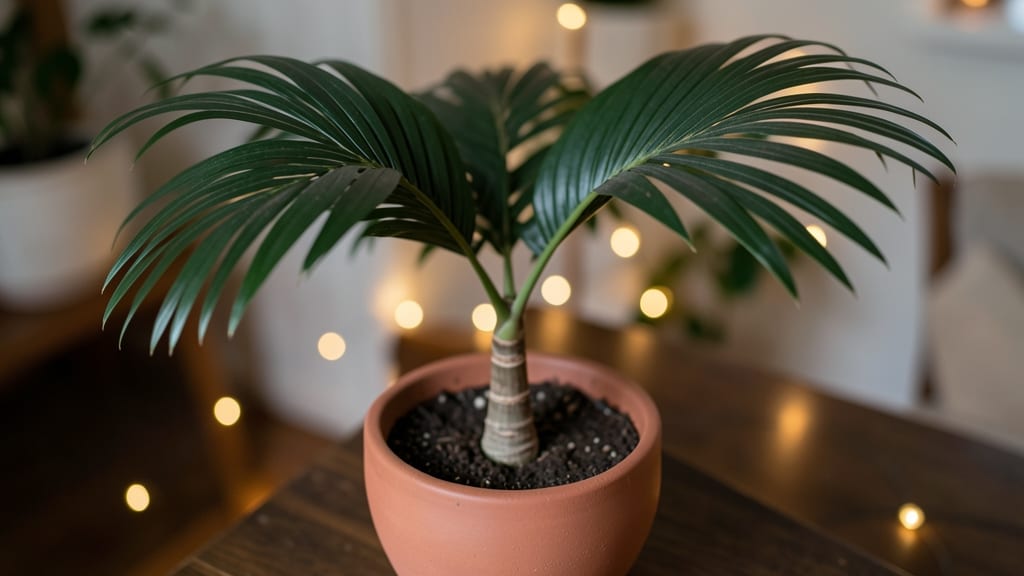
Transform your indoor palm tree into a glowing centerpiece that casts soft light across your space. ✨ The right lighting doesn’t just illuminate—it turns a simple houseplant into a dramatic focal point, whether you’re styling a cozy living room or setting up a vibrant office corner.
I’ve experimented with everything from warm LED uplights to delicate fairy strings, and the difference is night-and-day (literally).
The key is matching the light to your palm’s needs and your aesthetic. A bamboo palm thrives under soft, indirect LED panels, while a parlor palm can handle the gentle glow of string lights draped through its fronds.
Start with low-wattage bulbs (2700K-3000K for warmth) and place them 12-18 inches away to avoid scorching leaves. The best part? You’ll create ambiance that shifts with the seasons—think golden hues for fall or cool blues for winter.
Imagine your palm’s fronds catching the light like a living chandelier, casting dappled shadows on walls or reflecting off a glass coffee table. With the right setup, you’ll get that luxurious resort vibe without the travel.
Plus, strategic lighting can even encourage fuller growth by mimicking natural daylight cycles. Just avoid placing lights too close—palms hate heat, but they adore the glow.
This works for any space: a minimalist office, a bohemian bedroom, or even a café-style seating area. The trick is balancing beauty and function—so let’s dive into how to make your palm the star of the show without overpowering your decor.
📚 In This Guide
- What you need
- Instructions
- Tips and common mistakes
- Wrapping up and next steps
What you need
- ● Indoor palm tree (1-2, depending on size and desired fullness): Dwarf varieties (e.g., Chamaedorea elegans or Kentia palm) work best for containers.
- ● Ensure it’s healthy with no brown fronds or pests.
- ● Large decorative pot or container (1): Diameter: At least 12–18 inches (30–45 cm) for a medium-sized palm.
- ● Material: Ceramic, fiberglass, or plastic with drainage holes.
- ● Well-draining potting mix (1 bag, ~5–10 gallons): Look for a palm-specific mix or blend: 60% peat moss/coco coir, 20% perlite/pumice, 20% orchid bark.
- ● LED string lights (1–2 sets): Type: Waterproof, solar, or battery-operated (20–30 lights per set).
- ● Color: Warm white (2700K–3000K) or soft pastels for a dreamy vibe.
- ● Length: Adjustable or at least 10–15 feet to wrap around the tree.
- ● Lightweight fishing line or clear nylon thread (1 spool): Strength: 5–10 lb test (invisible when woven into fronds).
- ● Small scissors or pruning shears (1 pair): For trimming fishing line or adjusting light placement.
- ○ Spray bottle with water (1): For misting leaves (optional but helpful for humidity).
- ● Self-watering pot (1): Keeps soil consistently moist without overwatering.
- ● Mini solar-powered timer (1): Automates light schedules (e.g., 6 PM–10 PM).
- ● Decorative moss or faux foliage (small pack): Adds texture and hides bare spots if your palm is sparse.
- ● Wireless Bluetooth speaker (1): Pair with your lights for a tropical ambiance soundtrack!
- ○ Non-toxic, waterproof sealant (1 small bottle): Optional: Protects lights if placed near water features.
Step-by-step guide to creating a luminous indoor palm tree display
Transform your space with this elegant fusion of tropical foliage and ambient lighting.
🌿 Step 1: Select and Prepare Your Palm Tree
Choose a palm variety that thrives indoors, like a Parlor Palm or Areca Palm, with flexible branches for light attachment. Inspect the plant for any yellowing or brown leaves—remove them with clean pruning shears before starting. This ensures your glowing display begins with healthy foliage that can support the added weight of lights.
Water the palm thoroughly 24 hours before installation so the soil is evenly moist but not soggy. The roots need stability to support the lighting setup, and damp soil helps prevent stress during the process. Position your palm in its final location—near an electrical outlet for easy access—before making any adjustments to the branches.
💡 Step 2: Choose and Install Lighting
Select fairy lights or LED string lights rated for indoor use, with 16-24 inches of spacing between bulbs for even distribution. Avoid incandescent bulbs—they generate too much heat and can damage leaves. Test the lights first to ensure all bulbs work and the string isn’t tangled.
Gently wrap the lights around the palm’s fronds, securing them with twist ties or clear fishing line (invisible when tied properly). Start at the base and spiral upward, leaving 3-4 inches between each loop to prevent overcrowding. For larger palms, use multiple strings to create a layered effect. Never pull the branches—bend them slightly to attach lights without causing breaks.
☀️ Step 3: Position for Maximum Impact
Place your illuminated palm in a corner or against a dark wall to highlight the glow. If using dimmable lights, set them to 50% brightness initially to avoid overwhelming the space. Observe the light distribution during the day—natural light can wash out the effect, so position it where artificial lighting (like lamps) will complement the display after dark.
For added drama, pair the palm with a black or dark-colored pot to enhance contrast. If your palm is near a window, use sheer curtains to diffuse harsh sunlight that might create uneven lighting patterns. The goal is a soft, ambient glow that feels intentional rather than harsh.
⏰ Step 4: Maintain Lighting and Plant Health
Check the lights weekly for loose connections or frayed wires, especially if pets or children might interact with the display. Replace any burnt-out bulbs immediately to maintain even lighting. During the winter months, reduce lighting duration to 4-6 hours daily to prevent leaf stress from prolonged exposure.
Monitor the palm’s moisture levels closely—lights can slightly dry the air around the plant. Mist the leaves 2-3 times weekly with room-temperature water, focusing on the undersides where dust accumulates. If you notice brown tips on leaves, increase humidity with a pebble tray beneath the pot or a small humidifier nearby.
Tips & tricks for perfect indoor palm tree lighting
Creating a stunning illuminated palm display isn't just about following steps—it's about the little details that make the magic happen. Here's what I've learned after perfecting this setup in my own space.
Branch Preparation: Before attaching lights, gently bend each frond to test flexibility—this helps you determine where to secure the lights without causing breaks. I use a small flashlight to inspect the undersides of leaves for hidden damage that might weaken with added weight. Also, avoid wrapping lights too tightly around the base where the frond meets the trunk, as this can restrict sap flow and cause stress to the plant.
Light Distribution Secret: The 16-24 inch spacing between bulbs isn't just about aesthetics—it creates that magical "canopy" effect we're after. For maximum glow, work in sections: start with the bottom third of the palm, then move upward in horizontal layers. This layered approach makes the light appear more natural and prevents any single section from looking too bright or too dim. Pro tip: use a ruler to measure spacing consistently around the entire palm.
Positioning Pro Tip: When placing your palm against a dark wall, I recommend using painter's tape to mark the exact spot where the light will hit the wall at night. This helps you visualize the glow pattern during daylight hours. For corners, position the palm slightly angled (about 15 degrees) so the light illuminates both walls rather than just one. This creates that "wrapped in light" effect that feels so inviting.
Winter Care: The 4-6 hour lighting limit during winter months is crucial—lights can actually stress plants by disrupting their natural light cycle. I set a timer on my smart plug to automatically turn off the lights after 5 hours, which gives me that extra safety margin. During winter, I also increase my misting frequency to 3 times weekly and place a small humidifier nearby to combat the dry indoor air from heating systems.
Pro Tips for Indoor Palm Tree With Lights
- Creating a stunning illuminated palm display isn't just about following steps—it's about the little details that make the magic happen.
- Branch Preparation: Before attaching lights, gently bend each frond to test flexibility—this helps you determine where to secure the lights without causing breaks.
- Light Distribution Secret: The 16-24 inch spacing between bulbs isn't just about aesthetics—it creates that magical "canopy" effect we're after.
Frequently asked questions
Got questions about adding a glowing palm tree to your space? Here are some common ones—and their answers!
How do I keep my indoor palm tree with lights from overheating?
Most LED palm trees are designed for safety, but it’s still smart to monitor them. Place the tree in a well-ventilated area, away from direct heat sources like vents or radiators. If the lights feel warm to the touch after a few hours, give it a short break (turn off for 30 minutes) or check the manufacturer’s guidelines for usage limits.
Can I use these lights year-round, or should I turn them off in winter?
You can use them year-round, but adjust based on your palm’s needs. In winter, when natural light is scarce, the lights can be a lifesaver for your plant’s health. However, if your palm is dormant (like some varieties), reduce light exposure to mimic seasonal changes. A timer or smart plug can help automate this!
What’s the best alternative if I don’t want a fake palm tree?
If you prefer real greenery, opt for a Dracaena or Kentia palm—both thrive indoors and can be paired with grow lights for extra glow. For a low-maintenance option, consider a Parlor Palm (Chamaedorea elegans) and add battery-powered fairy lights nearby for ambiance. Just ensure your real plant gets enough natural light too!
Why are my palm tree lights flickering or dimming?
Flickering or dimming lights usually mean a loose connection, dying bulb, or power issue. First, check if the bulb is securely screwed in. If the problem persists, try a different outlet or power strip. For hardwired setups, inspect the wiring for damage. If all else fails, replace the bulb—many LED palm trees use small, replaceable lights!
How do I clean the lights without damaging the palm tree?
Unplug the lights first, then gently wipe them with a damp microfiber cloth (never soaking wet!). For stubborn dust, use a soft brush or compressed air. Avoid harsh chemicals or abrasive materials, which can scratch the lights or harm the palm’s leaves. A quick monthly wipe keeps your glowing canopy looking fresh!
Wrapping up and next steps
Transforming your space with an indoor palm tree with lights isn’t just about aesthetics—it’s about creating a cozy, vibrant atmosphere that feels like a tropical escape.
Whether you’re drawn to the soft glow of fiber optics or the bold charm of LED strands, these illuminated palms bring warmth and energy to any room. 🌿✨
Ready to bring this glow into your home? Start by picking your favorite palm variety and lighting style, then gather your supplies. With a little creativity and care, your space will shine brighter than ever—one glowing frond at a time!
- Next step: Browse our lighting guide for more inspiration or dive into DIY tips to customize your setup.