
Propagation
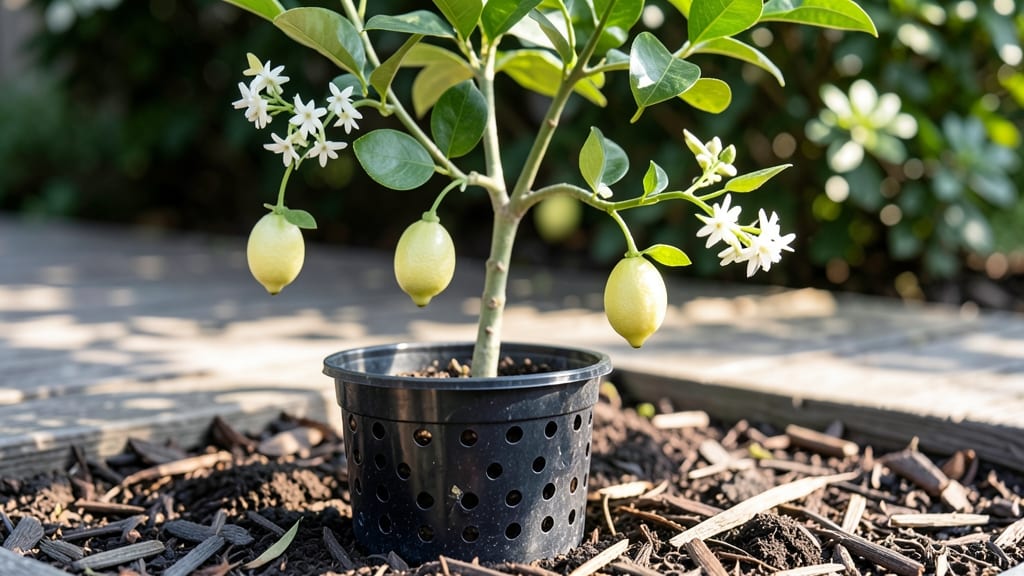
Growing a lemon tree from seed lets you taste homegrown citrus in just a few years—no nursery required. 🌱 I started mine from a grocery store lemon, and though it won’t produce fruit as fast as grafted trees, the journey is pure magic.
The first green shoots appear within weeks, and by year two, you’ll have a real tree with glossy leaves reaching for the sky.
You’ll need just three things to begin: a fresh lemon seed, a small pot with drainage, and patience. The soil mix should be light and airy—think 50% potting soil and 50% perlite or sand.
Keep the pot in bright, indirect light (no harsh midday sun yet) and water when the top inch feels dry. Germination takes 2-4 weeks, and seedlings are delicate, so avoid overwatering.
By month six, your tree will be 12-18 inches tall with a sturdy trunk, ready for its first pruning. The real payoff comes in 3-5 years when it finally flowers and fruits—though the lemons may be small and seedy.
That first tart, homegrown bite? Worth every wait. The key is consistency: steady light, gentle watering, and no rushing the process.
This method works for any citrus seed—try limes or oranges too. Just remember, seed-grown trees take longer to fruit than grafted ones, but the reward of growing something from nothing? Unmatched. Let’s get those seeds sprouting!
📚 In This Guide
- What you need
- Instructions
- Tips and common mistakes
- Wrapping up and next steps
What you need
- ● Lemon seeds: 3–5 fresh, plump seeds (remove from a ripe, organic lemon)
- ● Well-draining potting mix: 2–3 cups of a blend designed for citrus or cactus/succulents (e.g., 50% peat moss, 30% perlite, 20% sand)
- ● Small pots or seed trays: 2–4 (3–4 inches in diameter) with drainage holes
- ● Plastic wrap or humidity dome: To retain moisture (e.g., a clear plastic bag or store-bought propagator)
- ● Spray bottle: For gentle watering (avoid over-saturating seeds)
- ● Grow lights or sunny windowsill: A spot with 6–8 hours of indirect sunlight daily (or a 12–14 hour grow light for seedlings)
- ● Watering can (small) or cup: For controlled hydration
- ● Seed-starting soil: Pre-mixed, sterile soil for faster germination
- ○ Heating mat: (Optional) Keeps soil at 70–80°F to speed up germination
- ● Fertilizer (balanced, low-nitrogen): 10-10-10 or citrus-specific fertilizer (diluted to half-strength) for later stages
- ● Pruning shears: For trimming leggy growth as the tree matures
- ● Support stake or trellis: If you plan to grow a taller indoor tree
Step-by-step instructions for growing a lemon tree from seed
Here's how I turn a simple seed into a thriving citrus tree—no green thumb required.
🌱 Step 1: Extract and Soak the Seed
Start with a fresh lemon seed—never dried or stored for months. Squeeze the fruit to release the seeds, then rinse them under cool water to remove any pulp. Place the seeds in a small bowl and cover them with lukewarm water for 24 hours. This softens the outer coating and speeds up germination.
Here's the thing—soaking isn't just about speed. The seed needs to absorb moisture before it can break through the shell. After 24 hours, drain the water and let the seeds sit uncovered for another 12 hours to prevent mold. You'll know they're ready when the outer skin looks slightly wrinkled and the seed feels heavier in your hand.
🪴 Step 2: Prepare the Planting Container
Fill a 4-inch diameter pot with a mix of 50% potting soil and 50% perlite—this ensures drainage while keeping moisture. Press the soil down lightly so it's firm but not compacted. I like to add a handful of sand to the mix for extra drainage, especially since citrus roots hate soggy conditions.
Make a small hole about ½ inch deep with your finger. The seed should fit snugly but not be buried too deep. If you're planting multiple seeds, space them 1 inch apart—you can always thin them later. Water the soil lightly until it's damp but not dripping. A good test is to press your finger into the soil; it should feel like a damp sponge.
💧 Step 3: Plant and Maintain Moisture
Gently place the seed into the hole, cover it with soil, and pat it down lightly. Don't press too hard—you want the soil to stay loose for the seedling to push through easily. Place the pot in a warm, bright spot (like a sunny windowsill) but avoid direct sunlight at first. Citrus seeds need warmth to germinate, ideally 70-75°F.
Keep the soil consistently moist but not waterlogged. I use a spray bottle to mist the soil every 2-3 days until you see signs of germination. Overwatering now can cause the seed to rot before it sprouts. You'll know it's time to water again when the top ¼ inch of soil feels dry to the touch.
☀️ Step 4: Provide Light and Care for Early Growth
Once the seedling emerges—usually in 2-4 weeks—move it to a spot with bright, indirect light. A south-facing window works well, but avoid harsh afternoon sun, which can scorch young leaves. If your seedling starts to stretch toward the light (a sign of legginess), it's time to introduce a grow light for 12-14 hours a day.
Real talk: The first true leaves will look different from the initial seed leaves (cotyledons). These will be smaller and more citrus-like. When the seedling reaches 3-4 inches tall, it's ready for its first fertilizer boost. Use a balanced citrus fertilizer (like 6-6-6) diluted to half strength every 4-6 weeks during the growing season.
✂️ Step 5: Prune and Transplant for Stronger Growth
When the seedling grows its 5th or 6th leaf, it's time to prune. Pinch off the top set of leaves to encourage bushier growth. This might seem counterintuitive, but it helps the plant develop a stronger structure. After pruning, give the soil a light watering to help it recover.
Once the seedling is 6-8 inches tall and has 6-8 true leaves, it's ready to transplant into a 6-inch pot with fresh potting mix. Choose a pot with drainage holes and fill it with the same soil-perlite mix. Water thoroughly after transplanting to help the roots settle in. This is the moment that matters: a well-timed transplant sets the stage for a healthy, productive tree.
Tips & tricks for growing a lemon tree from seed
Here's what nobody tells you about nurturing lemon seeds into flourishing trees.
Germination Timing: The 24-hour soak is non-negotiable for breaking the seed's dormancy cycle. After draining, let seeds sit uncovered for the full 12 hours—this prevents mold while preparing the seed to sprout. I've seen seeds sprout as early as 10 days or as late as 6 weeks, but consistency in moisture is key. Place a clear plastic bag over the pot during germination to create a humid microclimate, but remove it once you see sprouts to prevent fungal growth.
Soil Mix Secrets: The 50% potting soil/50% perlite ratio is perfect, but here's the trick: add 1 part coarse sand to improve drainage. Citrus roots rot quickly in soggy soil, so test your mix by squeezing it—it should hold shape but crumble easily when pressed. If your soil compacts too much, mix in extra perlite until it feels light and airy, like a damp sponge.
Light Transition: Once your seedling emerges, move it to bright indirect light immediately. I use a south-facing window but cover it with sheer curtains to prevent scorching. The 2-4 week germination window means some seedlings will be ready for this transition earlier than others—watch for the first true leaves (smaller than the initial seed leaves) as your cue. If leaves start yellowing, it's a sign of too much direct sun or inconsistent watering.
Pruning Insight: When you pinch off the 5th or 6th leaf, you're encouraging lateral growth that creates a bushier tree. Here's what I learned the hard way: use clean scissors or fingers to make the cut just above a leaf node. Avoid tearing the stem, which can introduce disease. After pruning, water lightly to help the plant recover, and you'll notice new growth sprouting from the sides within 2-3 weeks.
Pro Tips for Grow A Lemon Tree From Seed
- Here's what nobody tells you about nurturing lemon seeds into flourishing trees.
- Germination Timing: The 24-hour soak is non-negotiable for breaking the seed's dormancy cycle.
- Soil Mix Secrets: The 50% potting soil/50% perlite ratio is perfect, but here's the trick: add 1 part coarse sand to improve drainage.
Frequently asked questions
Got questions about growing your own lemon tree from seed? You’re not alone—this citrus adventure comes with its share of curiosity! Below, we’ve rounded up the most common questions (and answers) to help you grow with confidence.
How long does it take for a lemon seed to sprout?
A lemon seed typically sprouts within 2–4 weeks if kept in warm, moist soil (around 70–85°F). Patience is key—some seeds take longer, especially if the soil is too dry or cold. Keep the soil consistently damp (not soggy!) and place the pot in bright, indirect light for best results.
Will my lemon tree grown from seed bear fruit?
Most likely, no—but don’t let that stop you! Seed-grown lemon trees are notoriously unreliable for fruiting because they’re not true to the parent plant’s genetics. For fruit, grafted trees are the way to go. However, your seedling can still be a stunning ornamental plant with fragrant leaves and occasional (but rare) blossoms!
How fast does a lemon tree grow from seed?
Growth speed varies, but expect slow progress at first. Seedlings grow about 1–2 inches per month in ideal conditions (warmth, sunlight, and proper care). With time, they can reach 6–10 feet tall indoors or outdoors in a mild climate, but it may take 3–5 years (or longer) to mature enough for fruit—if it ever does!
Can I grow a lemon tree indoors year-round?
Absolutely!
Lemon trees thrive indoors with bright, southern-facing light (or a grow light) and temperatures between 60–75°F. Use a well-draining potting mix, water when the top inch of soil is dry, and rotate the pot occasionally for even growth. Just watch for spider mites or aphids—common indoor pests—and mist the leaves occasionally to boost humidity.
What if my lemon seedling’s leaves turn yellow?
Yellow leaves usually signal overwatering, underwatering, or nutrient issues. Check the soil moisture—if it’s soggy, let it dry out. If the soil is bone-dry, water thoroughly. Yellowing can also mean nutrient deficiency (try a citrus fertilizer) or root rot (repot in fresh soil if needed). Give your tree a closer look—healthy leaves should be deep green and glossy!
Pro Tip:
Want to increase your chances of a fruitful lemon tree? Save seeds from organic, heirloom lemons (like Meyer lemons) and consider grafting a fruiting variety onto your seedling later. It’s a fun (and rewarding!) advanced step for citrus enthusiasts!
Wrapping up and next steps
Growing a lemon tree from seed is a rewarding journey that brings a touch of tropical charm to your home—even if it takes patience! Remember, consistency is key: from nurturing your seedling to providing the right light and care, every step shapes your future citrus companion. 🌱
Once your tree is thriving, consider grafting to ensure fruit production (since seed-grown lemons are often inedible). Or, simply enjoy the lush greenery and fragrant blooms as a living decoration. Ready to take the next step? Share your progress with fellow plant lovers or explore advanced citrus care tips!