
Pruning
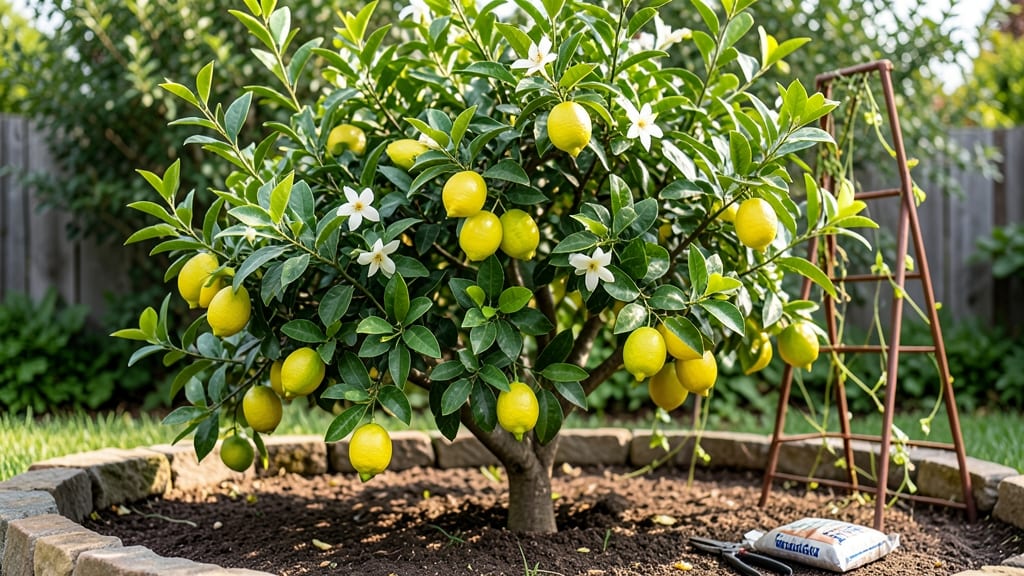
Growing an organic lemon tree that produces fruit year-round starts with a single, game-changing habit: pruning for light and shape. 🌱 I’ve watched my own lemon tree go from scraggly branches to a lush, fruit-bearing beauty by focusing on three key cuts each season—no chemicals, just strategic snips and patience.
The payoff? A kitchen stocked with homegrown lemons by winter, when store-bought fruit tastes like cardboard.
Here’s the secret: organic lemon trees thrive when you mimic their natural habitat. Well-draining soil, 6+ hours of direct sunlight daily, and a watering routine that keeps roots moist but never soggy set the stage.
I use composted manure and fish emulsion for fertilizer, and the difference in fruit quality is shocking—no bitter aftertaste, just bright, juicy lemons. The pruning itself takes under 30 minutes if you do it right, and it’s the single biggest factor in whether your tree bears fruit or just leaves.
By summer’s end, you’ll be harvesting lemons that smell like sunshine and taste like childhood memories. The tree stays compact enough for containers or small yards, and with the right pruning schedule, you’ll avoid the common pitfall of overgrown, fruitless branches.
The key is timing: prune lightly after harvest, then more aggressively in late winter to encourage new growth. It’s a rhythm that turns a finicky plant into a reliable producer.
This method works for both seed-grown trees (which take 3-5 years to fruit) and nursery saplings. Whether you’re in a warm climate or a cooler zone with winter protection, the principles stay the same. Let’s get your lemon tree on the path to abundance—no synthetic shortcuts needed.
📚 In This Guide
- What you need
- Instructions
- Tips and common mistakes
- Wrapping up and next steps
What you need
- ● Pruning shears: Bypass pruners (sharp, clean, and sterilized with rubbing alcohol) for small branches.
- ● Loppers: For thicker branches (1–2 inches in diameter), with a long handle for leverage.
- ○ Pruning saw: A curved-tooth handsaw for stubborn, larger limbs (optional but handy!).
- ● Gloves: Heavy-duty, cut-resistant gloves to protect your hands from thorns.
- ● Disinfectant: 70% isopropyl alcohol or a pruning sealant (like tree wound dressing) to prevent disease.
- ● Marking twine or flags: For labeling branches to prune (helpful for beginners!).
- ● Bucket or bag: A labeled container to collect pruned branches (for compost or disposal).
- ● Extension pole: For high branches (2–3 feet tall).
- ● Pruning paint: To seal large cuts (reduces sap oozing).
- ● Notebook & pen: To track pruning dates and tree progress.
- ● Organic fertilizer: A balanced citrus blend (like 6-6-6) to nourish your tree post-pruning.
Step-by-step guide for pruning your organic lemon tree
Here's how to keep your citrus tree healthy and productive year-round.
✂️ Step 1: Time Your Pruning for Optimal Growth
Prune your organic lemon tree in late winter or early spring, just before new growth begins. This timing ensures you remove dead wood while leaving enough foliage for photosynthesis during the tree's active season. Avoid pruning after mid-summer—new growth won't harden off before winter, leaving tender branches vulnerable to cold damage.
Look for dormant branches that haven't leafed out yet. These are prime candidates for removal. Also watch for crossing branches rubbing against each other—they'll eventually create wounds where disease can enter. I always prune on a dry, sunny day to reduce stress on the tree and allow fresh cuts to heal quickly.
✂️ Step 2: Remove Dead, Diseased, and Crowded Branches
Start by cutting out any dead or diseased branches using clean, sharp pruners. Make your cuts at a 45-degree angle, about ¼ inch above an outward-facing bud or branch junction. This angle helps water run off the cut, preventing rot. For branches thicker than ½ inch, use loppers or a pruning saw to avoid tearing the bark.
Next, remove crowded branches growing inward toward the center of the tree. These compete for sunlight and nutrients, weakening the tree's overall health. I aim to create an open vase shape that allows sunlight to penetrate to the inner branches. Leave 3-4 main scaffold branches evenly spaced around the trunk—this forms the tree's structural framework.
✂️ Step 3: Shape for Airflow and Fruit Production
Thin out excessive growth to improve airflow, which reduces humidity around the tree and prevents fungal diseases like citrus canker. Focus on suckers (shoots growing from the trunk or roots) and water sprouts (fast-growing vertical shoots). These drain energy from fruit production. Cut them back to a bud or branch junction, never leaving a stub.
To encourage fruit production, shorten overly long branches by ⅓ of their length. This stimulates bushier growth and more flowering sites. I always step back to check the tree's shape—you want a balanced silhouette where sunlight reaches all leaves. Avoid heavy pruning in one season; spread cuts over 2-3 years to avoid shocking the tree.
🌿 Step 4: Clean Up and Fertilize for Recovery
After pruning, sterilize your tools with rubbing alcohol to prevent spreading disease. Remove all pruned branches from the area—don't compost them unless you're certain they're disease-free. Rake up fallen leaves and debris to reduce pests and pathogens lurking in the soil.
Apply a balanced organic fertilizer (like 6-6-6) around the tree's drip line, following package instructions. Water deeply to help the tree recover from pruning stress. Within 4-6 weeks, you'll see new growth emerging from the pruned areas—that's your signal the tree is healing. Keep an eye out for new buds forming at the cuts; these indicate successful pruning.
Tips & tricks for perfect organic lemon tree pruning
Mastering the art of pruning transforms your lemon tree from a struggling bush into a thriving fruit factory. Here's what I've learned after years of trial and error with my own citrus grove.
Seasonal Timing is Everything: The late winter to early spring window isn't just ideal—it's critical. During this dormant period, your tree has stored energy reserves that will fuel new growth after pruning. I've seen trees pruned in summer struggle with winter dieback because those tender new shoots never hardened off properly. Mark your calendar for February-March in most climates, or wait until after your last frost date.
Cutting Technique Prevents Disease: That 45-degree angle isn't just aesthetic—it's science. The sloped cut directs water away from the wound, preventing rot that can invite fungal infections. I always sterilize my pruners between cuts with rubbing alcohol, especially when dealing with diseased branches. For branches thicker than half an inch, I use my pruning saw to make clean cuts that won't tear the bark, which would create perfect entry points for pathogens.
Shape Matters More Than You Think: Creating that open vase shape isn't about looks—it's about sunlight penetration and airflow. I've watched trees with dense centers develop fungal issues because the inner branches never dried properly. Leave those 3-4 main scaffold branches evenly spaced, and you'll create a structural framework that supports both fruit production and tree health. Think of it like designing a skyscraper—proper support prevents collapse under weight.
Recovery is Where the Magic Happens: That 4-6 week recovery period is when your tree does most of its healing. I've learned to be patient—rushing the fertilization or watering can actually stress the tree more. Look for those new buds forming at the cuts as your signal that everything's working. It's like watching a wound heal: the new growth at the edges tells you the tissue is regenerating properly.
Pro Tips for Organic Lemon Tree
- Mastering the art of pruning transforms your lemon tree from a struggling bush into a thriving fruit factory.
- Seasonal Timing is Everything: The late winter to early spring window isn't just ideal—it's critical.
- Cutting Technique Prevents Disease: That 45-degree angle isn't just aesthetic—it's science.
Frequently asked questions
Got questions about growing and maintaining your organic lemon tree? You’re not alone!
Here are answers to the most common queries—from pruning basics to troubleshooting—so you can keep your citrus tree thriving year-round.
When is the best time to prune an organic lemon tree?
The ideal time to prune is late winter or early spring, just before new growth begins. This encourages healthy blooming and fruiting. Avoid heavy pruning in summer or fall, as it can stress the tree. Light shaping can be done anytime, but never prune in frost-prone months—your lemon tree will thank you!
How much can I prune without harming the tree?
For mature trees, limit pruning to 20-30% of the foliage per session. Over-pruning weakens the tree and reduces fruit production. Focus on removing dead, diseased, or crossing branches first, then shape for airflow. Young trees need minimal pruning—just trim to encourage an open canopy.
Will pruning affect my lemon tree’s fruit production?
Pruning correctly actually boosts fruit quality and quantity! Removing dense growth improves sunlight penetration, leading to sweeter lemons. However, avoid heavy pruning in fruiting seasons—wait until harvest is over. Balance is key: prune for health, not just aesthetics.
What should I do if my lemon tree’s leaves turn yellow after pruning?
Yellowing leaves often signal over-pruning or nutrient loss. If it’s mild, the tree will recover with proper care: water deeply, fertilize with organic citrus mix, and avoid stress. Severe yellowing could mean root damage—check for pests (like aphids) or root rot. Adjust pruning next time to be gentler!
Can I grow an organic lemon tree in a pot, and how does pruning differ?
Yes! Potted lemon trees thrive but need more frequent pruning to control size. Use well-draining soil and a large container (15+ gallons). Prune to shape and remove leggy growth, but avoid heavy cuts—root space is limited. Repot every 2-3 years for optimal health.
Pro Tip: Always sterilize pruners with rubbing alcohol to prevent disease spread!
Wrapping up and next steps
Growing your own organic lemon tree is a rewarding journey that brings fresh, vibrant lemons straight to your kitchen—year-round! With the right pruning techniques, you’ll ensure a thriving tree that produces abundant, juicy fruit while maintaining its health and shape.
Remember, consistency is key: regular pruning, proper tools, and a little patience will turn your citrus dream into a luscious reality.
Ready to take the next step? Start small—whether it’s pruning a single branch today or planning a full grooming session. Bookmark this guide and revisit it as your tree grows. Happy pruning, and may your lemon tree flourish with juicy success! 🌿✨