
Size
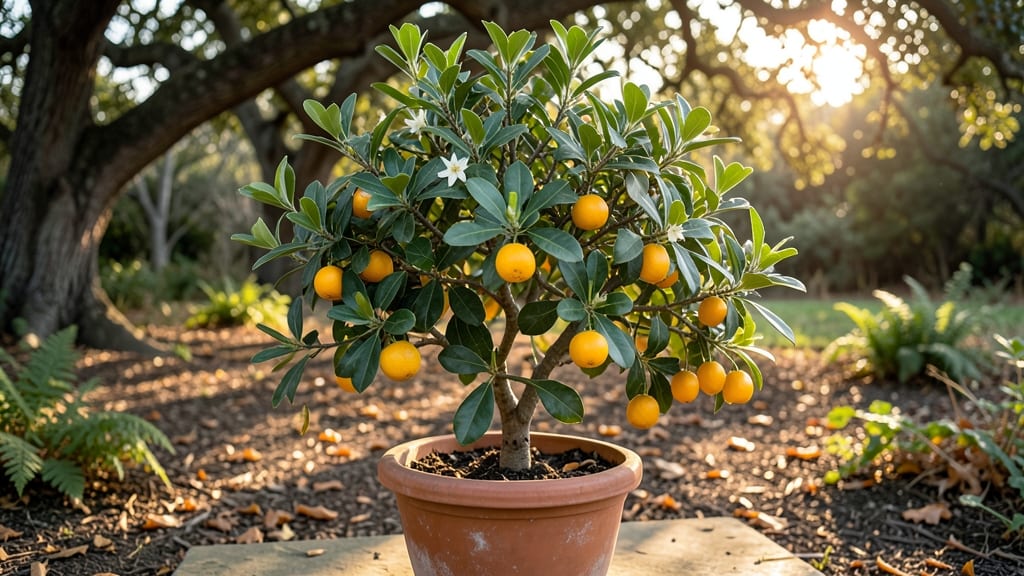
Growing a kumquat tree in containers or small gardens is easier than you think—and the reward is sweet, tart little fruits you can eat straight off the branch. 🌱 I started with a single plant in a 5-gallon pot, and now I’ve got three thriving trees producing fruit year after year, even in my Zone 8 backyard.
The secret isn’t fancy equipment but matching their Mediterranean roots to your microclimate.
Kumquats love warmth, so aim for 6-8 hours of direct sunlight daily and protect them from frost (they’re tender down to 20°F). Well-draining soil is a must—mix equal parts potting mix and perlite to prevent soggy roots.
Dwarf varieties like ‘Meiwa’ or ‘Nagami’ stay compact (under 6 feet), making them perfect for patios or sunny windowsills.
You’ll harvest tiny, edible citrus fruits in 12-18 months, but the real magic happens in late winter when the tree bursts with fragrant blossoms. Prune lightly after harvest to shape the tree and encourage new growth, and fertilize every 4-6 weeks with a citrus-specific blend.
Pests like aphids are rare, but a spray of neem oil keeps them away.
Even in small spaces, kumquats thrive—just move them indoors when temperatures drop below 40°F. The first harvest will feel like a victory, but once you taste that perfect balance of sweet and tangy, you’ll be hooked. Let’s get your tree growing!
📚 In This Guide
- What you need
- Instructions
- Tips and common mistakes
- Wrapping up and next steps
What you need
- ● Kumquat tree: Choose a dwarf variety (like Fortunella margarita or Fortunella crassifolia) for containers or small gardens. Buy a 1-3 year old sapling from a nursery.
- ● Well-draining potting mix: A blend of 60% citrus-specific soil, 30% perlite or pumice, and 10% compost (or a pre-mixed citrus mix). For in-ground planting, amend soil with organic matter (e.g., compost or aged manure).
- ● Container (if growing in pots): A 5-gallon pot or larger with drainage holes. Opt for terracotta or fabric pots for better airflow.
- ● Slow-release citrus fertilizer: Look for a balanced NPK (e.g., 8-8-8 or 10-10-10) with micronutrients like iron and zinc. Apply 2-3 times per year.
- ● Drip irrigation system or watering can: Kumquats hate soggy roots! A self-watering system or drip irrigation keeps moisture consistent.
- ● Pruning shears: Bypass pruners (sharp and clean) for shaping and harvesting.
- ○ Mulch (optional but helpful): Straw, wood chips, or pine bark to retain moisture and regulate soil temperature.
- ● Gloves: Protect your hands from thorns and soil (nitrile gloves work great!).
- ● pH test kit: Ensure soil pH is between 6.0–7.0 (kumquats prefer slightly acidic soil).
- ● Epsom salt: A magnesium sulfate boost (1 tbsp per gallon of water) every 2 months prevents yellowing leaves.
- ● Citrus food or foliar spray: Organic options like seaweed extract or fish emulsion for extra nutrients.
- ● Support stake or trellis: If growing in a container, a small bamboo stake helps stabilize the tree as it grows.
- ● Frost cloth or indoor grow lights: For winter protection or indoor growing (kumquats need 6–8 hours of sunlight daily).
Step-by-step instructions for growing a thriving kumquat tree
Here's how to coax these tiny citrus gems from seed to fruit-bearing beauty.
🌱 Step 1: Start with Fresh Seeds and the Right Pot
Kick things off by selecting 3-4 fresh kumquat seeds—the fresher, the better. Scrub off any remaining fruit pulp and let them dry for 24 hours on a paper towel. While they dry, choose a 5-7 inch pot with drainage holes (terracotta works best) and fill it with well-draining cactus/succulent mix—kumquats hate soggy roots.
Here's the thing—kumquat seeds need warmth to germinate. I place the pot on a seedling heat mat set to 75-80°F and keep the soil consistently moist (not wet) by misting lightly every 2-3 days. You'll see tiny sprouts in 2-4 weeks, but don't rush this step. Patience now means stronger roots later.
☀️ Step 2: Provide Bright Light and Gradual Watering
Once seedlings emerge, move them to the brightest window you have—south-facing is ideal. If your home lacks strong light, supplement with a grow light kept 4-6 inches above the plants for 12-14 hours daily. You'll notice leggy growth if light is insufficient—those stretched stems mean it's time to adjust.
Water when the top inch of soil feels dry to the touch. I use room-temperature water and pour slowly at the base to avoid disturbing delicate roots. After 4-6 weeks, when seedlings have 3-4 true leaves, it's time to transplant them into 7-8 inch pots with fresh cactus mix. This prevents root binding, which stunts growth.
🪴 Step 3: Prune and Train for a Strong Structure
When your kumquat reaches 12-18 inches tall, it's time to shape it. Prune back the longest stems by one-third to encourage bushier growth. I always use sterilized scissors and cut just above a leaf node—this is where new branches will form. Real talk: Your first pruning might look aggressive, but trust the process. Kumquats reward patience with dense foliage.
To keep the tree compact, pinch off any flowers that appear in the first year. Fruit production drains young trees, and you want all energy going into root and branch development. After pruning, move the plant to a larger 10-12 inch pot if roots are circling the current container. This gives them room to grow without stress.
✂️ Step 4: Care for Mature Trees and Encourage Fruit
By year two, your kumquat will be ready for fruit. Now, let those flowers bloom! Water deeply once a week in summer, letting the soil dry slightly between waterings. Overwatering causes root rot, and kumquats are tough but not waterlogged. Fertilize lightly with citrus-specific fertilizer every 6-8 weeks during growing season—too much nitrogen means leaves over fruit.
Watch for tiny orange fruits forming in fall. Here's the moment that matters: Harvest when they're firm but still slightly soft—they'll ripen further off the tree. A mature kumquat tree in a container can produce dozens of fruits per season, and you'll know it's thriving when new growth appears after each harvest.
Tips & tricks for growing a thriving kumquat tree
These little-known details make all the difference between a struggling sapling and a fruit-bearing treasure.
Seed Preparation: That 24-hour drying time isn't just about removing moisture—it's about breaking seed dormancy. I learned this the hard way after sprouting only one seed out of four that were dried too quickly. Place your seeds between damp paper towels in a sealed bag during drying to maintain humidity without overwatering.
Lighting Strategy: If you're using a grow light, position it so it's just skimming the top of the seedlings. The 12-14 hour daily exposure should be bright enough to cast a shadow when you hold your hand between the light and plant. This ensures proper photosynthesis without burning delicate leaves.
Transplanting Timing: The 4-6 week window for transplanting isn't arbitrary—it's when seedlings develop their first true leaves, indicating strong enough roots to handle repotting. I wait until I see at least 3-4 leaves before transplanting, as this shows the plant has established its root system sufficiently for the stress of repotting.
Fertilizer Insight: That citrus-specific fertilizer recommendation is crucial because regular all-purpose fertilizers contain too much nitrogen. Look for a balanced formula with equal parts nitrogen, phosphorus, and potassium (like 6-6-6), but cut the recommended dose in half for your young kumquat. Too much fertilizer burns tender roots.
Pro Tips for Grow A Kumquat Tree
- These little-known details make all the difference between a struggling sapling and a fruit-bearing treasure.
- Seed Preparation: That 24-hour drying time isn't just about removing moisture—it's about breaking seed dormancy.
- Lighting Strategy: If you're using a grow light, position it so it's just skimming the top of the seedlings.
Frequently asked questions
Got questions about growing your own kumquat tree?
Here are some of the most common ones—plus quick, practical answers to help you succeed!
What’s the best climate for growing a kumquat tree?
A kumquat thrives in USDA Hardiness Zones 8–11, where winters stay above 20°F (-6°C). If you live in colder zones, grow it in a container and bring it indoors during frost. These citrus trees love full sun (6+ hours/day) and warm, humid conditions—just like their tropical roots!
How long does it take for a kumquat tree to bear fruit?
Patience is key! A young kumquat tree typically takes 3–5 years to produce fruit, depending on care and variety. Dwarf varieties may fruit slightly faster (2–3 years), while standard trees can take longer. Pro tip: Prune lightly to encourage growth and fruiting—just avoid heavy cuts in the first year!
Can I grow a kumquat tree from seed? Will it be true to the parent?
Yes, but no—seed-grown kumquats won’t match the parent tree’s traits. Seeds produce wild-type (often tart, small) kumquats. For consistent fruit, buy a grafted tree from a nursery. Grafting ensures the same sweet-tart flavor and size as the original!
Why are my kumquat leaves turning yellow or dropping?
Yellow leaves usually signal overwatering, underwatering, or nutrient issues. Check the soil—it should stay slightly moist but well-draining. Yellowing edges? Likely underwatering or low humidity. Brown spots with black veins? Fungal disease—prune affected leaves and improve airflow. Pro tip: Feed with citrus fertilizer in spring for a nutrient boost!
Can I grow a kumquat tree in a pot indoors?
Kumquats thrive in containers (5+ gallon pots for dwarfs, 15+ for standards). Use a well-draining mix (citrus potting soil + perlite) and place near a south-facing window or under grow lights. In winter, keep temps above 50°F (10°C). Just rotate the pot monthly for even growth!
How do I know when kumquats are ripe and ready to pick?
Ripe kumquats turn bright orange or gold and feel slightly soft when gently squeezed. They’re ready to pick when they easily detach from the tree with a twist. Don’t wait too long—overripe kumquats get mealy and lose flavor. Harvest in fall/winter (varies by variety) for peak sweetness!
Wrapping up and next steps
Growing a kumquat tree is a rewarding journey that brings a burst of citrusy delight to your space—whether in a cozy container or a small garden! 🌱 With the right sunlight, soil, and care, you’ll soon enjoy fragrant blossoms and sweet-tart fruits.
Remember, patience is key; these trees thrive with time, and their unique charm makes every effort worthwhile.
Ready to take the next step? Start with a healthy sapling or seed, follow the care tips, and watch your kumquat tree flourish. Share your progress with fellow gardeners—you’ll inspire others to grow their own citrus joy! 🌟