Size
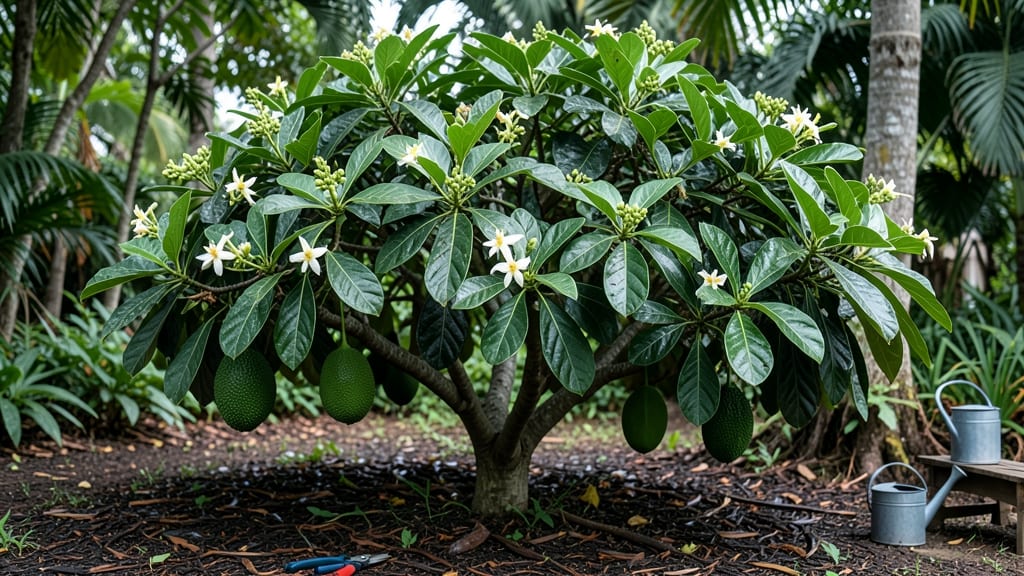
Growing a guyabano tree means bringing tropical sweetness to your yard or balcony—if you live in the right climate. 🌿 I’ve nurtured these lush, fast-growing trees in containers and in-ground gardens, and the key starts with understanding their tropical roots.
They thrive where temperatures stay above 50°F year-round, making zones 10-12 ideal, but with the right care, you can grow them in containers and overwinter them indoors elsewhere.
The secret to success lies in well-draining, slightly acidic soil mixed with compost—think rich, loamy, and airy. Guyabano trees hate soggy roots, so raise containers or amend garden beds with perlite or sand.
A sunny spot with 6+ hours of direct light daily is non-negotiable, but they tolerate partial shade in hotter climates. Start with a young tree or grow from seed (though it takes patience—germination can take months).
Once established, you’ll see glossy, heart-shaped leaves and, with luck, fragrant white flowers by year two or three. The real payoff comes when those spiky green fruits ripen into creamy, custard-like sweetness—perfect for smoothies or desserts.
With consistent moisture (but never waterlogged soil) and occasional fertilizer, your tree can produce fruit for decades. The first harvest feels like a victory after months of nurturing.
Here’s where it gets interesting—guyabano trees are forgiving but not foolproof. Overwatering kills them faster than underwatering, and they’re sensitive to frost. In cooler climates, move potted trees indoors before temperatures dip. Pests like aphids or mites can appear, but a strong spray of water usually sends them packing.
With these tweaks, you’ll avoid the common pitfalls and enjoy a thriving tropical fruit tree year after year.
📚 In This Guide
- What you need
- Instructions
- Tips and common mistakes
- Wrapping up and next steps
What you need
- ● Guyabano seeds or nursery saplings: 1-3 (fresh seeds for germination or a healthy 1-2 ft sapling for faster results).
- ● Well-draining potting mix: 5-10 gallons (for containers) or enriched garden soil (for in-ground planting). Mix with perlite or coconut coir (20-30%) for aeration.
- ● Pot or garden bed: Containers: 5-gallon minimum (15+ gallons ideal for mature trees). Use fabric pots or plastic with drainage holes.
- ● Garden bed: Full sun (6+ hours/day) with loose, slightly acidic soil (pH 5.5-6.5). Amend clay soil with compost.
- ● Fertilizer: Balanced organic fertilizer (10-10-10 or 6-6-6) or composted manure (apply every 2-3 months).
- ● Drainage system: Gravel or broken pottery shards (2-3 inches) at the pot’s bottom (for containers).
- ● Mulch: Wood chips or straw (2-3 inches) to retain moisture and regulate soil temp.
- ● Watering can or hose: With a gentle spray nozzle for seedlings.
- ● Pruning tools: Sharp bypass pruners (for shaping) and sterilized shears (for grafts, if applicable).
- ○ Support stakes (optional): 3-4 ft bamboo stakes + soft ties (for young trees in windy areas).
- ● Warmth: Guyabano thrives in USDA Zones 10-11 (or indoors with grow lights in cooler climates). Minimum temps: 50°F (10°C).
- ● Humidity: 60%+ (use a humidifier or misting system in dry climates).
- ● Sunlight: Full sun (direct light 6+ hours/day). Partial shade tolerates but reduces fruiting.
- ● Time commitment: Germination takes 30-90 days; fruiting may take 3-5 years.
- ● 💡 Seed prep: Soak seeds in warm water for 24 hours to speed up germination.
- ● 🌡️ Container hack: Use a self-watering pot to prevent root rot in dry climates.
- ● 🎯 Soil test: Check pH with a kit—guyabano hates alkaline soil (aim for 5.5-6.5).
Step-by-step guide to growing a thriving guyabano tree
Here's the method I've used to grow lush guyabano trees—whether in containers or garden beds.
🌱 Step 1: Choose the Right Starting Material and Location
Guyabano thrives from seeds, but germination takes patience. Start with fresh, firm seeds—avoid any that feel soft or shriveled. Soak them in warm water for 24 hours to soften the outer shell and speed up germination. Place them in a 70-80°F environment, like a sunny windowsill or seedling heat mat.
Guyabano needs warmth year-round, so if you're in a cooler climate, grow it in a large container (at least 15-gallon capacity) that you can move indoors during winter. The tree matures slowly—expect 5-7 years before fruiting, so choose a permanent spot with full sun exposure (at least 6-8 hours daily).
🌿 Step 2: Plant with Proper Soil and Spacing
Use a well-draining, fertile soil mix—guyabano hates soggy roots. Amend garden soil with compost and a handful of perlite to improve aeration. If planting in containers, ensure the pot has drainage holes and is large enough to accommodate the tree's eventual 10-15 foot height and spreading canopy.
Dig a hole twice as wide as the root ball but no deeper. Gently remove the seedling from its nursery pot and place it in the hole, backfilling with soil while firming it lightly around the roots. Water deeply to settle the soil—1 gallon for small seedlings, 3 gallons for established plants. Avoid overwatering; let the top 2 inches of soil dry between waterings.
☀️ Step 3: Provide Consistent Care for Healthy Growth
Guyabano trees need high humidity to thrive. If you're in a dry climate, mist the leaves daily or place the container on a pebble tray filled with water. Mulch around the base with 2-3 inches of organic mulch to retain moisture and regulate soil temperature. Fertilize monthly during growing season with a balanced, slow-release fertilizer (10-10-10 ratio), but reduce feeding in winter.
Prune lightly to shape the tree and remove any dead or diseased branches. Guyabano responds well to pruning after fruiting—cut back overgrown branches in late winter or early spring to encourage new growth. Watch for yellowing leaves, which can signal overwatering or nutrient deficiency. Adjust care accordingly—guyabano is forgiving but prefers consistent conditions.
💧 Step 4: Support Pollination and Protect Against Pests
Guyabano flowers are self-pollinating, but you can encourage pollinators by planting nearby bee-friendly flowers like sunflowers or marigolds. If growing in containers, hand-pollinate by gently shaking the tree daily during flowering season to dislodge pollen. The fruit takes 4-6 months to ripen, so be patient—wait until the skin turns yellow with brown spots before harvesting.
Keep an eye out for aphids or scale insects, which can weaken the tree. Treat infestations early with neem oil or insecticidal soap. Avoid chemical pesticides, as they can harm the tree's delicate foliage. If growing outdoors in tropical climates, protect young trees from strong winds, which can damage the delicate branches. Use stakes or a small trellis for support if needed.
Tips & tricks for growing a thriving guyabano tree
Here's what I've learned from years of growing guyabano—these details make all the difference between a struggling plant and a fruit-bearing powerhouse.
Germination Hack: After soaking your guyabano seeds for the required 24 hours, I like to gently score the outer shell with a sharp knife before planting. This small cut helps water penetrate faster and can speed up germination by a few days. Just be careful not to damage the seed inside—think of it as giving the seed a tiny breathing room.
Container Strategy: If you're growing in a 15-gallon container, choose one with wheels for easy winter relocation. I've found that guyabano roots can become root-bound surprisingly fast, so opt for a slightly larger container (20-gallon) if possible. The extra space gives roots room to establish before they hit the container's edges, which is especially important during the first 3 years of growth.
Soil Science: The well-draining mix mentioned in Step 2 is crucial—guyabano roots are particularly sensitive to waterlogged conditions. I recommend mixing equal parts potting soil, compost, and perlite (about 2 parts soil, 1 part compost, 1 part perlite by volume). This ratio prevents compaction while maintaining the moisture guyabano loves. For container growers, refresh this mix every 2 years to maintain fertility.
Humidity Boost: In dry climates, I've had great success using a combination of daily misting and a pebble tray with water. For an extra boost, place your container on a humidity tray lined with sphagnum moss—keep the moss damp but not soggy. This creates a microclimate that mimics tropical conditions, which is exactly what guyabano craves. The key is consistency: aim for 60-70% humidity around the plant at all times.
Pro Tips for Grow Guyabano Tree
- Here's what I've learned from years of growing guyabano—these details make all the difference between a struggling pl...
- Germination Hack: After soaking your guyabano seeds for the required 24 hours, I like to gently score the outer shell...
- Container Strategy: If you're growing in a 15-gallon container, choose one with wheels for easy winter relocation. I'...
Frequently asked questions
Got questions about growing your own guyabano tree? You’re not alone! Here are some of the most common concerns—and their answers—to help you cultivate this tropical gem with confidence.
How long does it take for a guyabano tree to bear fruit?
A guyabano tree typically takes 3–5 years to produce fruit from seed, but grafted trees can bear fruit in as little as 1–2 years with proper care. Patience is key—focus on healthy growth, sunlight, and well-draining soil to speed up the process!
Can guyabano trees survive cold weather?
Guyabano trees (Annona squamosa) are tropical and thrive in USDA zones 10–12. If you live in cooler climates, grow them in containers and bring them indoors during winter. A sunny windowsill or greenhouse works well!
What’s the best way to propagate a guyabano tree?
The easiest methods are seeds or grafting. Seeds take longer but are free—soak them overnight before planting. For faster results, buy a grafted sapling from a nursery. Avoid cuttings, as they root poorly.
Why are my guyabano leaves turning yellow?
Yellow leaves often signal overwatering or nutrient deficiencies. Check soil moisture—it should stay slightly damp but not soggy. Feed with a balanced fertilizer (like 10-10-10) every 2–3 months. Pest issues (like spider mites) can also cause yellowing—inspect undersides of leaves!
Can I grow guyabano in a pot, or do I need a garden?
Guyabano trees adapt well to large containers (15+ gallons) with drainage holes. Just ensure the pot is wide enough for roots and use a light, airy potting mix. Move pots outdoors in warm months for best fruit production.
Wrapping up and next steps
Growing a guyabano tree is a rewarding journey—whether you’re nurturing it in a cozy container or a lush garden! With the right soil, sunlight, and patience, you’ll soon enjoy its fragrant flowers and sweet, exotic fruit. 🌱✨
Now that you’re armed with the knowledge, take the next step: plant your seeds or sapling today! Monitor its progress, troubleshoot gently, and celebrate every leaf and bloom. Your tropical oasis is just growing—literally. Happy planting! 🌴💚