
Pruning
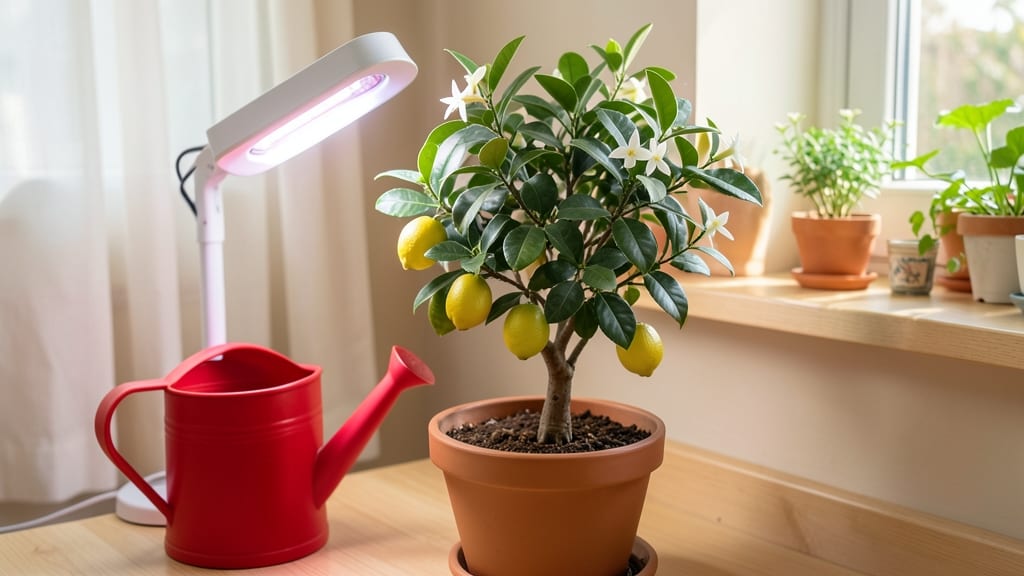
Learning how to care for a lemon tree inside saved mine—just swap summer sunshine for bright light tricks and a south-facing window. 🌿 grow light during winter. The difference was night and day: glossy leaves, steady growth, and even a few tiny lemons.
You’ll need 3 key tools: a 6-foot-tall grow light (or a sunny windowsill), a well-draining pot (clay or ceramic), and a humidity tray to mimic the Mediterranean climate lemons love.
Watering gets tricky—soak the soil when the top inch feels dry, but never let it sit soggy. Overwatering is the #1 killer of indoor citrus.
With the right light and care, your tree will reward you with fragrant blooms and sweet lemons within 2-3 years.
Prune in late winter to shape it, feed monthly with citrus fertilizer, and watch it transform from a struggling sapling into a mini orchard that fills your home with sunshine and scent.
This works for Meyer lemons, Eureka varieties, and even dwarf types—just adjust light and space. Let’s get your tree growing strong, indoors or out!
📚 In This Guide
- What you need
- Instructions
- Tips and common mistakes
- Wrapping up and next steps
What you need
- ● Lemon Tree: A healthy dwarf variety (like Meyer lemon) in a 4-6" pot (or a young tree from a nursery).
- ● Well-draining pot: 10–12" diameter with drainage holes (ceramic or fabric pots work best).
- ● High-quality potting mix: 1 bag of citrus-specific soil or a mix of 60% cactus/succulent soil + 40% perlite/pumice.
- ● Grow lights: 1–2 full-spectrum LED bulbs (15W–20W each) or a sunlight mimic grow light system (12–16 hours/day).
- ● Watering can: 1 with a narrow spout (to avoid overwatering).
- ● Fertilizer: 1 bottle of balanced citrus fertilizer (e.g., 6-6-6 or 10-10-10) or a slow-release granular option.
- ● Humidity tray: 1 shallow tray + pebbles (or a humidifier for dry climates).
- ● Pruning shears: 1 pair of sterilized, sharp shears (for shaping and harvesting).
- ○ Spray bottle: 1 for misting leaves (optional but helpful in winter).
- ● Mulch: Pine bark or coconut coir to retain moisture.
- ● Support stake: For taller trees (if needed).
- ● pH test kit: To monitor soil acidity (ideal: 6.0–7.0).
- ● Citrus food supplements: Epsom salt (for magnesium) or seaweed extract (for growth).
- ● Automatic timer: For grow lights (saves time!).
Step-by-Step guide to indoor lemon tree care: light, water, and pruning secrets
Here's how I keep my lemon tree thriving indoors with minimal fuss—no green thumb required.
☀️ Step 1: Master the Lighting Game
Your lemon tree needs 6-8 hours of bright, direct sunlight daily—this is non-negotiable. Place it near a south-facing window where it can soak up the strongest afternoon light. If your space lacks natural light, supplement with a 15-watt LED grow light placed 6-12 inches above the tree for 12-14 hours daily.
Watch for these signs: Leaves turning yellow or dropping? It’s getting too much light. Stems stretching tall and leggy? It needs more light. Adjust placement until you see deep green, glossy leaves and steady growth. I rotate my tree quarter-turn weekly so it grows evenly—no lopsided branches here.
💧 Step 2: Water with Precision (Not Guesswork)
Water when the top 2-3 inches of soil feel dry—stick your finger in to check. Lemon trees hate soggy roots, so never let water pool in the saucer. I use room-temperature water (cold water shocks the roots) and pour until it drains freely from the bottom. After 10 minutes, empty any excess from the saucer to prevent root rot.
Here’s the trick: Reduce watering in winter when growth slows. The soil stays moist longer in cooler months, so wait until the top 3-4 inches are dry before watering again. Overwatering is the #1 killer of indoor citrus—trust me, I’ve seen it happen.
✂️ Step 3: Prune for Shape and Fruit Production
Prune twice a year: lightly in spring to shape the tree and heavily in late winter before new growth starts. Use sterilized pruning shears to cut just above a leaf node at a 45-degree angle. Remove any dead, crossing, or crowded branches first—this improves airflow and fruit production.
After pruning, feed your tree with a balanced citrus fertilizer (like 6-6-6) every 4-6 weeks in growing season. You’ll notice new growth within 2-3 weeks—that’s your signal it’s happy. And here’s the bonus: Pruned branches make great propagation material if you want to grow more trees.
🪴 Step 4: Keep It Cozy (But Not Too Cozy)
Lemon trees love warmth but hate drafts. Keep temps between 65-75°F—any colder, and growth slows. Avoid placing it near AC vents, heaters, or cold windows. If your home dries out (hello, winter air!), mist the leaves weekly or use a pebble tray with water beneath the pot to boost humidity.
Watch for pests like spider mites—they love dry air. If you see tiny webs or speckled leaves, wipe them off with a damp cloth and increase humidity. A neem oil spray (1 tsp per quart of water) keeps pests at bay naturally. Prevention is easier than treatment, trust me.
Tips & tricks for perfect indoor lemon tree care
Confession: I skipped the light rotation trick for years and wondered why my tree grew lopsided. Here's what actually works for thriving indoor citrus.
Light Optimization: The 6-8 hours of direct sunlight in Step 1 should ideally include 3-4 hours of morning sun and 3-4 hours of afternoon sun. Morning light is gentler and helps prevent leaf scorch that can happen with intense afternoon rays. If using a 15-watt LED grow light, position it so the light source covers the entire canopy evenly—don't just shine it on one side. I've found that moving the light source quarter-turn weekly (as mentioned in Step 1) prevents the tree from leaning toward the light source, which creates that perfect balanced shape.
Watering Precision: The finger-check method in Step 2 works, but here's the pro move: Use a wooden skewer or chopstick instead of your finger to test soil moisture. Wood absorbs less moisture from the soil than your skin does, giving you a more accurate reading. Also, always water in the morning—this gives excess moisture time to evaporate before nightfall, reducing root rot risk. I've had to rescue multiple trees from overwatering, and this simple habit makes all the difference.
Pruning Science: When you're pruning twice yearly as in Step 3, pay special attention to the leaf node—that's where new growth emerges. Make your cuts just above this point at a 45-degree angle to prevent water from pooling on the cut surface. This technique promotes faster healing and reduces disease risk. After heavy winter pruning, I always give my tree a week-long recovery period before resuming regular care—this lets the tree focus on healing rather than immediate growth.
Seasonal Adjustments: The winter watering adjustment in Step 2 is crucial, but don't forget about light needs too. In winter, your tree might need supplemental light even if it's getting natural sunlight—days are shorter, and indoor light is weaker. I extend my grow light use to 14-16 hours daily in winter months (optional but recommended) to maintain that critical 6-8 hour light exposure. The temperature range of 65-75°F becomes even more important in winter—cold drafts from windows can stress the tree significantly.
Pro Tips for Care For A Lemon Tree Inside
- Confession: I skipped the light rotation trick for years and wondered why my tree grew lopsided.
- Light Optimization: The 6-8 hours of direct sunlight in Step 1 should ideally include 3-4 hours of morning sun and 3-4 hours of afternoon sun.
- Watering Precision: The finger-check method in Step 2 works, but here's the pro move: Use a wooden skewer or chopstick instead of your finger to test soil moisture.
Frequently asked questions
Got questions about keeping your indoor lemon tree thriving?
Here are answers to the most common concerns—from pruning to pests—so you can enjoy fresh lemons year-round without the guesswork.
How much light does an indoor lemon tree really need?
Your lemon tree needs 6–8 hours of bright, indirect light daily. South- or west-facing windows are ideal, but if natural light is limited, supplement with a grow light (LED or fluorescent) 12–16 inches away for 12–14 hours/day. Yellowing leaves? It’s likely a light deficiency—move it closer to a window or upgrade your lighting setup.
When and how should I prune my indoor lemon tree?
Prune in late winter or early spring (before new growth) to shape the tree, remove dead branches, and encourage fruit production. Use sterilized pruning shears to cut at a 45-degree angle just above a leaf node. Avoid heavy pruning—aim to remove only 10–20% of the foliage at a time. Pro tip: Save clippings in water for 2–3 weeks to root and propagate new trees!
What should I do if my lemon tree has pests like aphids or spider mites?
Start with a gentle spray of soapy water (1 tsp mild dish soap + 1 quart water) to dislodge pests. For stubborn infestations, use neem oil (mix 1 tsp with 1 quart water + a drop of dish soap) and spray every 5–7 days until pests vanish. Isolate the tree during treatment to prevent spreading. Check the undersides of leaves and new growth most often—early detection is key!
Why aren’t my indoor lemon tree’s flowers turning into fruit?
Lemon trees often drop flowers due to stress from temperature swings, low humidity, or lack of pollination. Keep temps between 60–75°F and boost humidity with a pebble tray or humidifier. To hand-pollinate, gently shake the tree near flowers or use a small paintbrush to transfer pollen between blooms. Patience is key—fruit may take 6–12 months to ripen!
Can I grow a lemon tree from a grocery store lemon?
Yes! Save a seed, dry it for 2–3 days, then plant it ½-inch deep in well-draining potting mix. Keep the soil moist and place in bright, indirect light. Seedlings grow slowly—it may take 3–5 years to bear fruit. For faster results, opt for a grafted dwarf variety (like ‘Meyer’ lemon) from a nursery, as they’re bred for indoor growing and fruit sooner.
Wrapping up and next steps
Caring for a lemon tree indoors is totally doable—and oh-so-rewarding! With the right light tricks, consistent watering, and a little patience, you’ll enjoy fresh lemons year-round. 🌿 Start small, stay consistent, and soon you’ll be harvesting your own citrus treasure.
Ready to take the next step? Grab your tree, a sunny spot, and a watering can—your lemony adventure begins now!