
Pruning
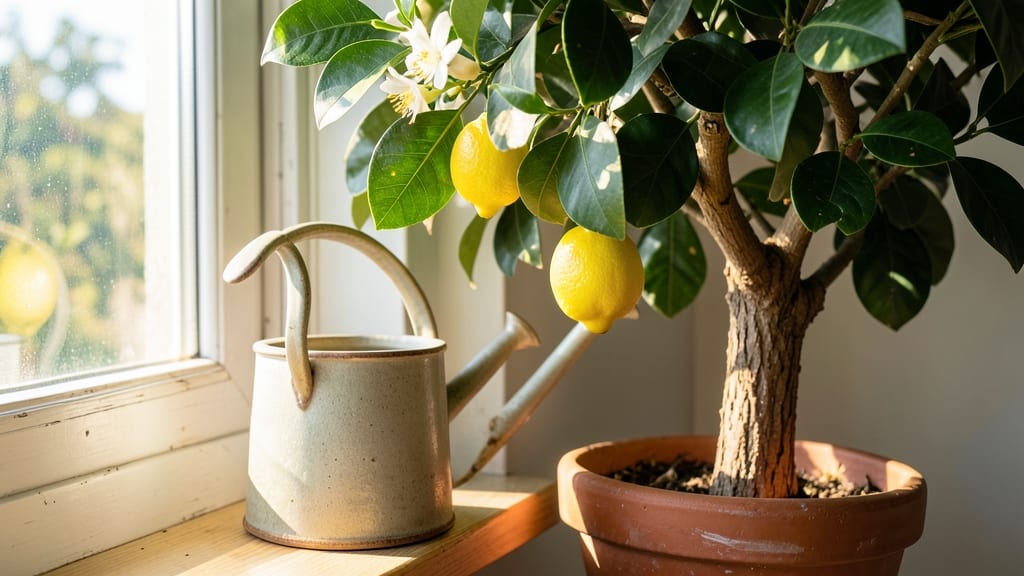
Learn how to take care of a lemon tree indoors with just four simple steps—no greenhouse or green thumb required. 🌱 I’ve watched my own Meyer lemon tree go from a spindly sapling to a fruit-bearing powerhouse, and the secret lies in mimicking its Mediterranean roots indoors.
The biggest mistake beginners make? Treating it like a houseplant instead of a sun-worshipping citrus tree.
You’ll need bright light (south-facing windows or a grow light), well-draining soil (cactus mix works), and a watering routine that keeps the soil damp but never soggy. Pruning once a year keeps the shape manageable, and a balanced fertilizer in spring and summer ensures those glossy leaves keep producing fruit.
The payoff? Homegrown lemons by winter—no grocery store detour needed.
What you’ll end up with is a tree that blooms white flowers year-round and drops lemons that taste better than anything store-bought. The key is consistency: too much water causes root rot, too little means leaf drop, and inconsistent light leads to sparse blooms.
But get it right, and you’ll have a kitchen centerpiece that doubles as a fruit source.
This method works for Meyer lemons, Eureka, or Lisbon varieties—just adjust light and humidity to your home’s conditions. Even if you’ve killed plants before, citrus trees are surprisingly forgiving once you understand their basic needs. Let’s get your tree thriving!
📚 In This Guide
- What you need
- Instructions
- Tips and common mistakes
- Wrapping up and next steps
What you need
- ● Lemon Tree: A healthy dwarf Meyer lemon tree (4–6 inches tall) from a nursery or online retailer.
- ● Pot: A well-draining container (12–18 inches in diameter) with drainage holes. Terra cotta or ceramic works best.
- ● Potting Mix: A high-quality citrus-specific or cactus/succulent blend (avoid regular garden soil).
- ● Well-Draining Soil: Mix in perlite or pumice (20–30%) to improve aeration.
- ● Watering Can: With a narrow spout for precise watering (avoid overhead spraying).
- ● Fertilizer: A balanced citrus fertilizer (e.g., 6-6-6 or 8-3-9 ratio) or organic options like fish emulsion.
- ● Pruning Shears: Sharp, clean bypass pruners (sterilize with rubbing alcohol).
- ● Grow Lights: A full-spectrum LED grow light (12–16 hours/day) if natural light is insufficient.
- ● Humidity Tray: A shallow tray with pebbles and water to maintain humidity (especially in dry climates).
- ● Misting Bottle: For occasional leaf misting (lemon trees love humidity!).
- ● Support Stake: A small bamboo or wooden stake to stabilize young trees.
- ● Soil Moisture Meter: To check moisture levels without overwatering.
- ● Citrus-Safe Pest Spray: Neem oil or insecticidal soap for aphids/spider mites.
- ● Repotting Kit: Includes fresh soil, gloves, and a new pot for future upgrades.
Step-by-Step guide for indoor lemon tree care
Here's how to keep your citrus thriving year-round with minimal fuss.
🪴 Step 1: Position for Bright, Indirect Sunlight
Place your lemon tree within 3-6 feet of a south- or west-facing window where it gets 6-8 hours of bright, indirect light daily. Direct midday sun will scorch tender leaves—you'll notice crispy edges or yellowing as a warning sign. If natural light is weak, supplement with a grow light positioned 12-18 inches above the tree for 12-14 hours daily.
Rotate the pot quarter-turn weekly so the tree grows evenly toward all light sources. You'll see new growth lean toward the light if it's not balanced. Avoid drafts from AC vents or heaters—65-75°F is ideal, with 50% humidity for optimal health.
💧 Step 2: Water Deeply When Topsoil Dries
Check moisture by sticking your finger 1-2 inches into the soil. Water thoroughly when the top layer feels dry to the touch—this encourages deep root growth. Use room-temperature water to avoid shocking the roots, and let excess drain completely from the pot. Empty the saucer after 15 minutes to prevent root rot.
Lemon trees hate soggy soil. Yellowing leaves often signal overwatering, while dry, crispy leaves mean underwatering. In winter, when growth slows, reduce watering to every 2-3 weeks, checking soil moisture first. A self-watering pot can help maintain consistency if you tend to forget.
☀️ Step 3: Fertilize Seasonally for Fruit Production
Feed your tree every 4-6 weeks during spring and summer with a balanced citrus fertilizer (10-10-10 or similar). Follow label instructions for dosage—over-fertilizing burns roots and causes salt buildup. You'll notice new leaves and buds forming within 2-3 weeks of consistent feeding.
In fall and winter, cut back to monthly feeding or use a low-nitrogen formula (like 5-10-10) to support dormancy. Flush the soil every 3 months with plain water to remove excess salts. Prune dead or yellowing leaves immediately—they drain energy from the tree and attract pests.
✂️ Step 4: Prune and Repot for Long-Term Health
Prune in late winter or early spring before new growth begins. Trim back overly long branches to maintain shape and encourage bushier growth. Use sterilized pruners to make clean cuts just above a leaf node. You'll see fresh green shoots emerge within 2-3 weeks—this signals successful pruning.
Repot every 2-3 years or when roots circle the pot. Choose a container 2-3 inches larger with drainage holes. Refresh the top 2 inches of soil annually to replenish nutrients. If your tree is mature and pot-bound, prune 1/3 of the roots during repotting to stimulate new growth.
Tips & tricks for perfect indoor lemon tree care
Keeping your lemon tree thriving indoors doesn't have to be complicated—just a few smart tricks make all the difference.
Lighting Strategy: If your south- or west-facing window doesn't provide enough light, invest in a full-spectrum LED grow light. Position it 12-18 inches above the tree and set a timer for 12-14 hours daily to mimic natural sunlight cycles. I've seen trees with weak growth bounce back dramatically after just a week with proper supplemental lighting. The key is consistency—don't turn it on and off randomly, or you'll confuse the tree's internal clock.
Watering Wisdom: The 1-2 inch soil check in Step 2 is your best friend, but here's the thing: morning watering works best. Why? It gives excess moisture time to evaporate during the day, reducing the risk of fungal issues. Also, always use room-temperature water—cold water can shock the roots, while warm water can encourage root rot. I learned this the hard way after my first tree developed yellowing leaves from inconsistent watering habits.
Fertilizer Timing: Those 4-6 week intervals during spring and summer are non-negotiable for fruit production, but here's what nobody tells you—split your fertilizer dose in half if you notice new leaves developing. The tree's actively growing, so it can handle less frequent but stronger feeding. In winter, when you switch to monthly feeding, reduce the amount by half again. Think of it like adjusting your workout intensity—less when you're resting, more when you're pushing for results.
Pruning Pro Tip: When you're pruning in late winter, look for branches that cross or grow inward—they're called "watersprouts" and they compete with your fruit-bearing branches. Cut these first, then shape the tree by removing up to 1/3 of the longest branches. You'll know you're doing it right when you see fresh green shoots emerge within 2-3 weeks. Just remember: always sterilize your pruners with rubbing alcohol between cuts to prevent spreading disease.
Pro Tips for Take Care Of A Lemon Tree Indoors
- Keeping your lemon tree thriving indoors doesn't have to be complicated—just a few smart tricks make all the difference.
- Lighting Strategy: If your south- or west-facing window doesn't provide enough light, invest in a full-spectrum LED grow light.
- Watering Wisdom: The 1-2 inch soil check in Step 2 is your best friend, but here's the thing: morning watering works best.
Frequently asked questions
Got questions about keeping your indoor lemon tree thriving? Here are answers to the most common concerns—from pruning to pests and everything in between!
How often should I prune my indoor lemon tree?
Prune your lemon tree lightly every 3–6 months to shape it and encourage fruit production. Focus on removing dead, crowded, or leggy branches. Avoid heavy pruning—just trim back about 10–20% of the growth at a time to avoid stressing the tree. Pro tip: Prune right after fruiting to promote new growth for next season!
Why isn’t my indoor lemon tree bearing fruit?
Lemon trees need bright light (6+ hours/day), proper pollination, and patience (they can take 2–5 years to fruit indoors). Hand-pollinate flowers with a soft brush, ensure temps stay above 50°F (10°C), and fertilize regularly. If it’s still not fruiting, check for underwatering or nutrient deficiencies (like nitrogen or phosphorus).
What should I do if my lemon tree has pests like spider mites or aphids?
Start with a mild insecticidal soap or neem oil spray (diluted per instructions) to tackle soft-bodied pests. Isolate the tree to prevent spread, and wipe leaves with a damp cloth to remove eggs or debris. For severe infestations, repeat treatment every 5–7 days. Prevention tip: Mist leaves regularly to deter mites!
Can I keep my lemon tree indoors year-round, or does it need winter dormancy?
Lemon trees thrive indoors year-round—no dormancy needed! Just maintain consistent warmth (60–75°F / 15–24°C), bright light, and regular watering. Reduce fertilizer in winter (use half-strength), but keep humidity up with a pebble tray or humidifier. Bonus: They’ll reward you with blooms and fruit even in colder months!
What’s the best way to revive a drooping or yellowing lemon tree?
Yellow leaves often signal overwatering or nutrient issues. Let the soil dry 2–3 inches deep between waterings, and check for root rot (smelly, mushy roots = repot in fresh soil). For yellowing from deficiencies, use a balanced citrus fertilizer (20-20-20) every 4–6 weeks. Quick fix: Trim dead leaves to redirect energy!
Wrapping up and next steps
Caring for a lemon tree indoors is a rewarding journey that brings fresh citrus to your kitchen and a touch of nature to your home! 🌿 With the right balance of light, water, pruning, and patience, your tree can thrive year-round.
Remember, consistency is key—small adjustments over time will yield the sweetest results.
Now that you’re armed with the knowledge, why not take the next step? Start with a healthy plant, follow these tips, and soon you’ll be harvesting lemons like a pro. Happy growing—your future lemonade awaits! 🍋✨