
Blooming
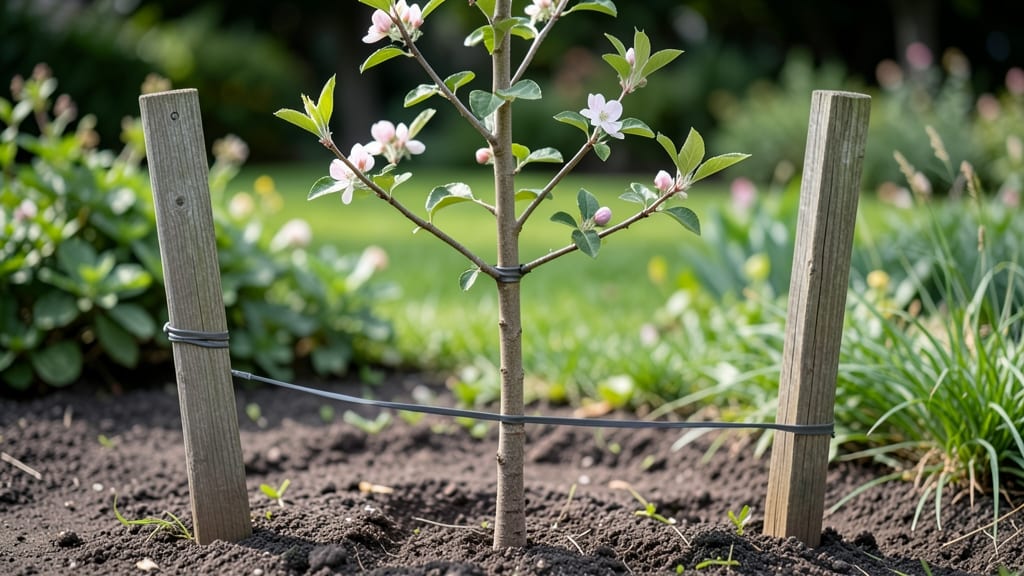
To keep trees staked for the right amount of time means the difference between a sturdy, self-supporting tree and one that leans into the wind like a drunk sailor. 🌳 I’ve watched young trees struggle for years because they stayed staked too long—or worse, not long enough—and the root systems never developed properly.
The key is matching the staking duration to the tree’s growth rate, soil stability, and wind exposure.
Most trees need stakes for 12 to 24 months, but fast-growing species like willows or poplars might only require 6 to 12 months, while slower growers like oaks or maples could need 2 to 3 years.
The goal is to let the roots spread wide enough to anchor the tree naturally. Too little time, and the trunk weakens; too much, and the roots stay shallow, desperate for support. Think of staking as a training wheel—remove it too soon, and the tree wobbles.
By the time you’re ready to remove stakes, you’ll see strong, white roots radiating from the base and a trunk that’s thickened noticeably. The tree should sway slightly in the wind but not topple over.
This isn’t just about aesthetics—properly unstaked trees resist storms, pests, and disease better. Plus, you’ll avoid the heartbreak of a tree that suddenly collapses after years of false security.
Different climates and soil types tweak the timeline, but the rule of thumb is: check the tree’s stability every 6 months. If it’s still leaning or the stakes are bending, leave them in place.
Once the roots have had time to establish, the tree will thank you for decades to come—literally. Here’s how to tell when it’s time to say goodbye to those stakes for good.
📚 In This Guide
- What you need
- Instructions
- Tips and common mistakes
- Wrapping up and next steps
What you need
- ● Stakes: 2–4 wooden, metal, or plastic stakes per tree (1–2 inches in diameter, 3–4 feet tall). Pro tip: 💡 Use untreated wood or galvanized metal to prevent rot or corrosion.
- ● Ties: Soft tree ties (fabric or rubber) or wide nylon straps (3–4 inches wide) to avoid damaging the trunk.
- ● Mulch: Organic mulch (wood chips, straw) to retain moisture and protect roots.
- ● Shovel or spade: For digging holes for stakes (if not pre-installed).
- ● Measuring tape or ruler: To ensure stakes are placed 6–12 inches from the trunk.
- ● Hammer or mallet: For driving stakes into the ground (avoid concrete-like soil—adjust depth as needed).
- ○ Pruners: Optional, for trimming any low branches that might interfere with ties.
- ● A young tree (1–3 years old) with a slender trunk (less than 2 inches in diameter).
- ● Well-draining soil—amend clay-heavy soil with compost if needed.
- ● Sturdy, wind-resistant location (avoid open, exposed areas unless stakes are extra-secure).
Step-by-Step guide for determining when to remove tree stakes
Here's how I decide when to let young trees stand on their own.
🌱 Step 1: Observe Root Development Over the First Season
After planting, focus on the tree's root system—not just the trunk. Healthy roots spread outward in the top 12 inches of soil, creating a sturdy base. I check for root growth by gently loosening soil around the edges of the planting hole after 6-8 weeks. You'll see white, fibrous roots spreading horizontally—that's your first sign the tree is stabilizing.
If roots are shallow or sparse, leave stakes in place for another growing season. Young trees often need 12-18 months of staking to develop strong root structure. The key is watching for secondary root growth—thicker roots branching from the main taproot. These act like natural guy wires, holding the tree upright.
⏰ Step 2: Test Stability Before Removing Stakes
Start testing stability in spring after the tree's first full growing season. On a calm day, grasp the trunk near the base and give it a gentle side-to-side wiggle. A properly rooted tree will resist movement slightly but not rock like a loose tooth. If the tree moves more than 1 inch at the base, it's not ready for stake removal.
I also check trunk diameter growth. If the trunk has thickened by at least ¼ inch since planting, that indicates strong internal structure. Combine this with root observations: if both trunk and roots show good development, you can begin the weaning process. Remove one stake at a time, leaving others in place for 2-4 weeks between removals.
☀️ Step 3: Monitor Wind Resistance Through the Second Year
The real test comes during windy conditions. After removing stakes, watch how the tree responds to natural breezes. A properly rooted tree will sway slightly but recover its upright position. If it leans significantly or falls over, reattach stakes immediately and wait another season.
Here's the thing—young trees often need 2-3 years of staking total, depending on species and growing conditions. Fast-growing trees like willows might be ready in 18 months, while slower-growing oaks may need 36 months. The goal is to let the tree develop enough root mass to handle its own weight before removing all support.
✂️ Step 4: Prepare for Final Stake Removal
When you're ready to remove the final stakes, do it gradually over 2-3 weeks. Start by loosening the ties around the trunk to prevent girdling. The tree's bark should show no signs of indentation where the ties were. Remove stakes on a calm day when temperatures are mild (50-75°F).
After removal, check the trunk again for stability. You might notice small cracks where stakes were attached—this is normal if they're shallow. Water deeply after stake removal to encourage new root growth. The tree may lean slightly at first, but it should straighten as roots continue developing. If it doesn't, you can reattach stakes for one final season.
Tips & tricks for determining when to remove tree stakes
Here's what I've learned from years of watching young trees grow—these details make all the difference between a sturdy specimen and a toppling disaster.
Root Development Timeline: The 6-8 weeks mark after planting is your first checkpoint for root growth. I've seen trees with shallow roots still struggling after 12 months of staking, while others with deep, fibrous roots were ready to go stake-free by their second spring. The key is patience—don't rush this stage. Use a small hand trowel to gently check root spread without damaging them, and remember that secondary roots (those thicker branches from the main root) are your best indicator of stability.
Stability Testing Technique: When you're testing trunk stability in Step 2, I've found the "gentle wiggle" test works best when you're near the base—about 6 inches up from the soil line. If the tree moves more than 1 inch, it's still too young. Pro tip: Do this test on multiple sides of the trunk to get a full picture. I've seen trees that passed front-and-back tests but failed side-to-side checks because of uneven root development.
Wind Resistance Observation: The wind test in Step 3 is where most people make mistakes. Don't judge by how much the tree sways—watch how it recovers. A properly rooted tree will lean slightly in strong winds but spring back upright when the breeze passes. I've had clients remove stakes too soon and end up with permanently leaning trees. If your tree doesn't recover its position after 30 seconds of wind, it's not ready yet.
Final Removal Strategy: That 2-3 week gradual removal process in Step 4 is crucial. I've seen trees topple immediately after full stake removal because their roots hadn't fully adjusted to supporting their own weight. Start by loosening the ties completely before removing stakes—this prevents bark damage and gives the tree a chance to adjust. And always remove stakes on calm days between 50-75°F—windy or extreme temperature days can stress the tree unnecessarily.
Pro Tips for How Long To Keep Trees Staked
- Here's what I've learned from years of watching young trees grow—these details make all the difference between a sturdy specimen and a toppling disaster.
- Root Development Timeline: The 6-8 weeks mark after planting is your first checkpoint for root growth.
- Stability Testing Technique: When you're testing trunk stability in Step 2, I've found the "gentle wiggle" test works best when you're near the base—about 6 inches up from the soil line.
Frequently asked questions
Got questions about staking trees? You’re not alone!
Here are answers to the most common concerns—from timing to troubleshooting—to help you keep your trees stable and thriving.
How long should I stake a newly planted tree?
Most trees need staking for 12 to 24 months, depending on species, soil, and wind exposure. Young, shallow-rooted trees (like maples or fruit trees) often require longer support, while deep-rooted species (such as oaks) may only need 6–12 months. Always check the tree tag for manufacturer recommendations!
Can I remove stakes too soon and risk damaging the tree?
Yes—removing stakes prematurely can cause root flare damage, leaning, or even uprooting in high winds. Before unstaking, gently wiggle the tree; if it resists movement, it’s likely ready. For extra peace of mind, stake for one full growing season beyond the recommended time if your area has strong storms.
What’s the best time of year to unstake a tree?
Unstake trees in early spring or late fall when the ground is workable but not frozen. This gives roots time to adjust before extreme weather. Avoid unstaking during droughts or heatwaves, as stressed trees may struggle to stabilize without support.
Are there alternatives to traditional wooden stakes?
Try flexible tree ties (like Tree Ties or Tree Straps), biodegradable stakes (made from cornstarch or coconut fiber), or even burlap-wrapped stakes to reduce trunk girdling. Just ensure any material allows for trunk growth and doesn’t cut into the bark.
My tree is leaning—did I leave the stakes on too long?
Leaning could mean roots haven’t anchored properly or the stakes were too tight, restricting trunk movement. If the lean is slight, gently loosen the ties and monitor for 2–3 months. For severe leans, consult an arborist—the tree may need additional support or pruning to recover.
Does extreme weather (like hurricanes or droughts) change staking time?
Yes! In high-wind areas, extend staking by 6–12 months. During droughts, prioritize deep watering and stake longer to prevent root stress. Always adjust based on visible signs of instability—like cracked soil or excessive trunk sway—rather than sticking to a rigid timeline.
Wrapping up and next steps
Keeping trees staked the right amount of time—typically 1 to 2 years—is key to fostering strong root systems and long-term stability. While younger trees need extra support, over-reliance on stakes can weaken trunks. Trust your tree’s growth progress and adjust stakes seasonally for optimal health!
Now that you’re equipped with the timeline and tips, it’s time to roll up your sleeves! 🌱 Start assessing your trees today—remove stakes gradually and monitor their progress. Happy gardening!